



Antique Crystal Candlesticks
These antique crystal candlesticks and mantel lustres catch candlelight in cut facets, bringing heavy glass, brass, and ormolu onto the dining table.
Antique Crystal Candlesticks
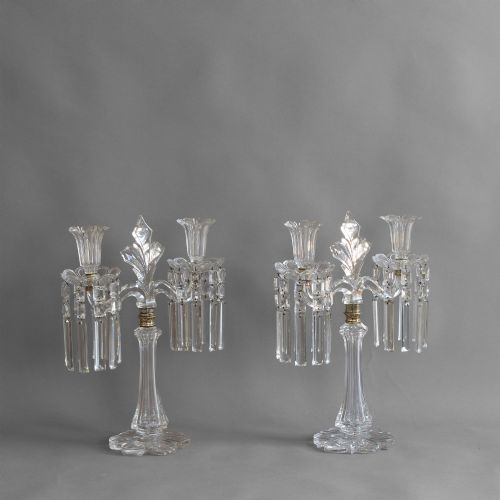
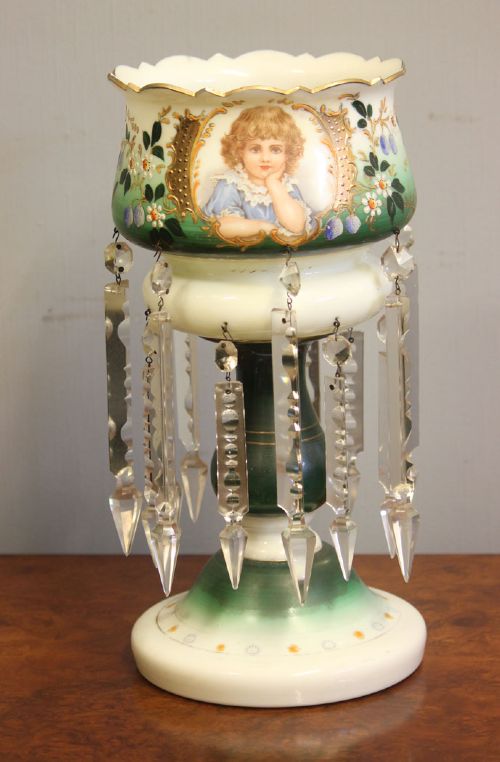
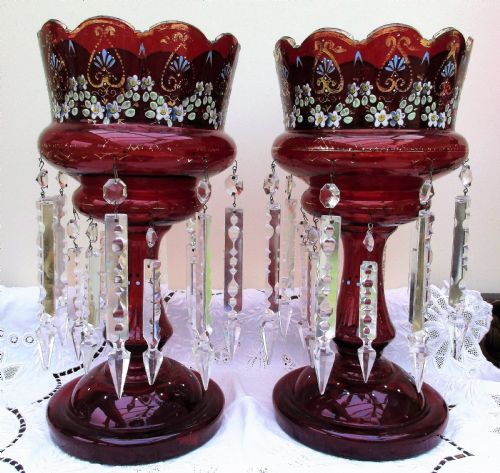
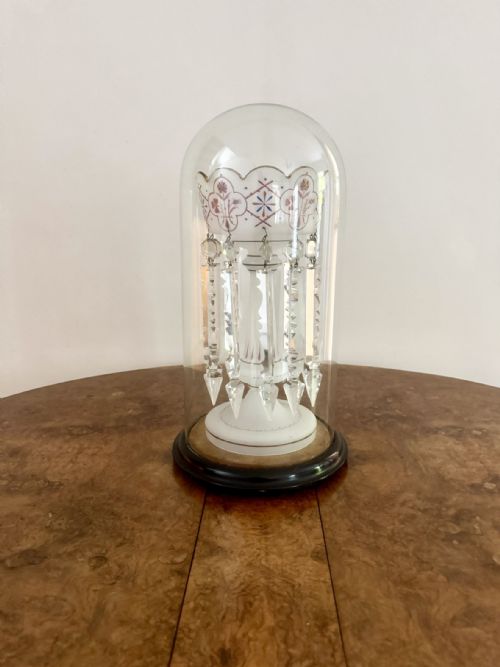
When you search for antique crystal candlesticks, you encounter a varied group of table lighting that includes single sticks, branch candelabras, and hanging-drop mantel lustres. The form shifts from simple twisted glass shafts to elaborate Victorian ruby and cranberry glass columns hung with prismatic glass drops.
Most examples found here date from the nineteenth and early twentieth centuries, spanning the Regency, Victorian, and Edwardian periods. Pairs predominate, alongside occasional three-branch candelabras and single table lamps adapted for domestic use.
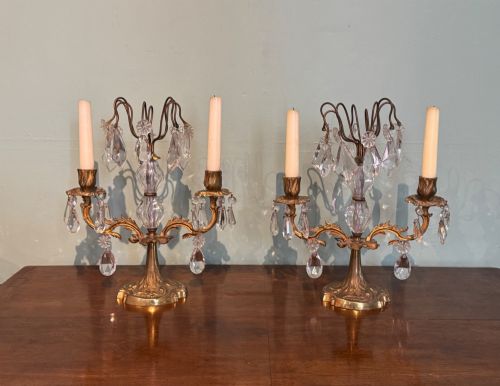
Makers and designers worked within distinct regional traditions, producing English cut-glass pieces alongside French ormolu-mounted designs and Italian multi-arm candelabras. The physical weight of the lead glass and the presence of hand-cut facets define the baseline of what you hold.
How they were made
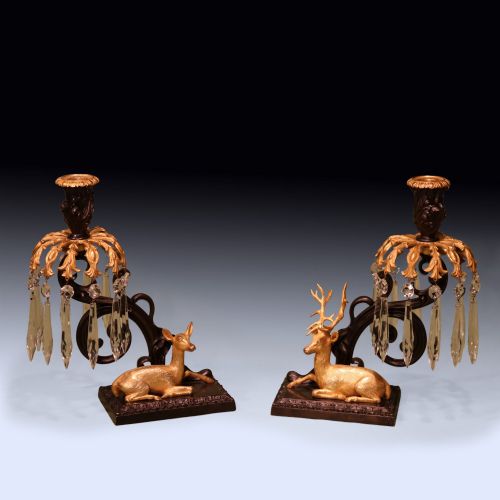
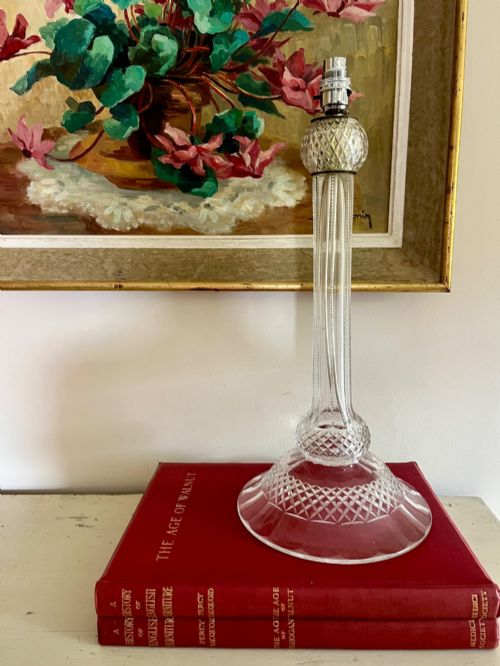
Craftsmen shaped these objects using heavy lead crystal and standard glass, often combining the translucent material with cast brass, gilt bronze, or ormolu mounts. Molten glass was blown or pressed into form before workers applied cold-cutting wheels to carve linear, diamond, and prismatic facets into the surface.
Hanging components such as lustre drops and crystal prisms required individual wire suspension from scalloped rims, allowing the glass to move and refract light. Metal elements like sockets and bases were cast in bronze or brass, then gilded or polished to contrast with the clear and coloured glass bodies.
Stag and doe figures occasionally support the candle sockets, carrying the forest right onto the dining table.
What varies in quality
The distinction between ordinary and superior pieces rests on the depth of the hand-cutting and the clarity of the metal-content glass. Crisp, deep facets break light sharply, whereas softer, rounded edges indicate pressed production or heavy wear.
Proportion and weight dictate the standing stability and visual balance of the piece. Heavier bases, substantial brass or ormolu mounts, and complete sets of matching crystal drops elevate an example above standard domestic lighting.
Clarke
The Antique Crystal Candlesticks Glossary
- Mantel lustre
- A decorative glass or crystal candelabrum designed for placement on a mantelpiece, usually hung with long crystal pendants that catch the firelight. These pieces often feature central vase bodies with detachable nozzle rings.
- Candelabra
- A branched candlestick holding multiple candles on separate arms. The examples seen here range from two-branch pairs to heavy five-branch gilt metal and crystal forms.
- Prism
- A cut-glass pendant suspended from the rim of a lustre or candelabra. Prisms disperse light into spectral colours when illuminated.
- Ormolu
- Finely ground high-carat gold applied to a bronze base using mercury amalgamation. This technique gives metal mounts a warm, enduring finish seen on Regency and French pieces.
- Ruby glass
- Glass coloured deep red through the addition of gold chloride to the molten batch. It appears frequently in Victorian and Continental table lustres.
Antique Crystal Candlesticks: Frequently Asked Questions
What are mantel lustres?
Mantel lustres are decorative glass vessels fitted with candle nozzles and hung with cut crystal drops. They sat upon mantelpieces to reflect the light of fires and oil lamps.
Unlike standard candlesticks, their primary role was visual display rather than task lighting, though many accommodated candles for evening illumination.
Are these pieces safe for daily use?
Most antique candlesticks accommodate standard taper candles, but you should check the socket diameter before lighting. Ensure wax does not drip directly onto vulnerable metal mounts or porous glass surfaces.
Use drip protectors or thin card inserts if the candle sits loosely in an oversized nozzle.
How do I date an antique candlestick?
Dating relies on the style of the metal mounts, the cut of the glass, and the manufacturing technique. Regency pieces often feature bronze and ormolu with classical motifs, while Victorian examples lean toward ruby glass and heavy prismatic cutting.
Look for patent marks or registration stamps on the metal bases where applicable.