



Antique Crucifix
An antique crucifix carries centuries of devotion, shaped from timber, precious metals, and carved stone to mark private prayer or solemn ritual.
Antique Crucifix
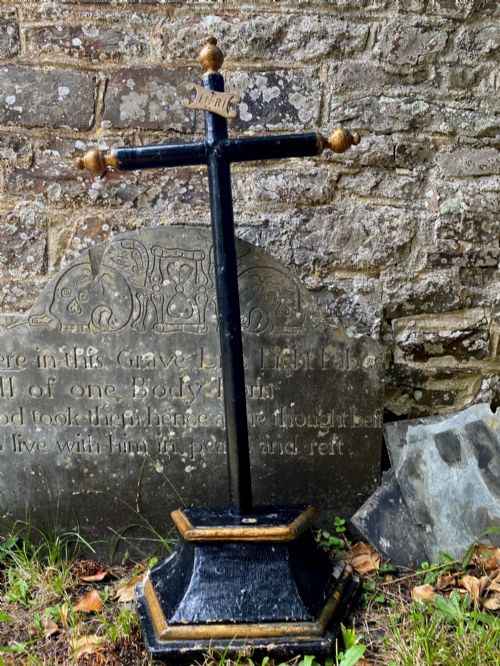
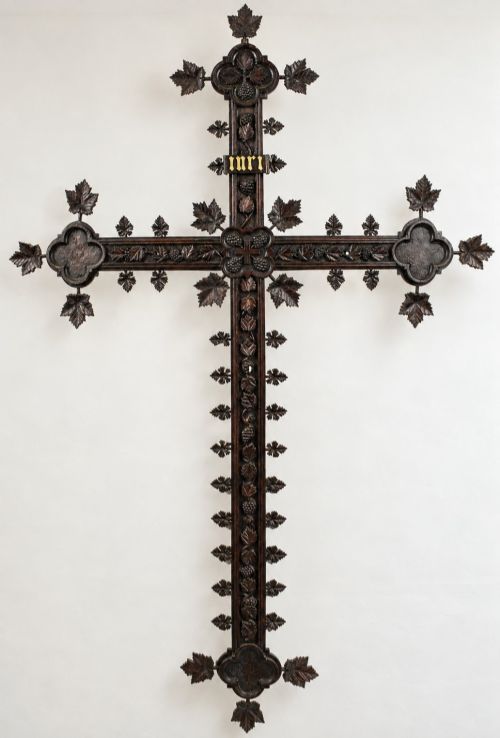
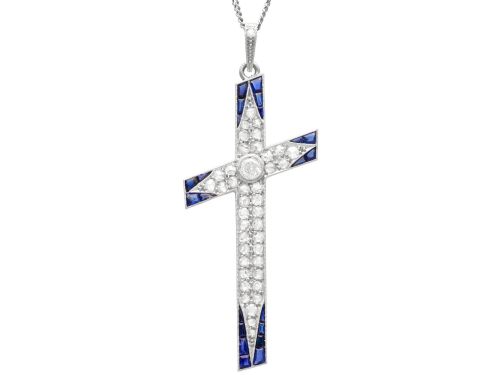
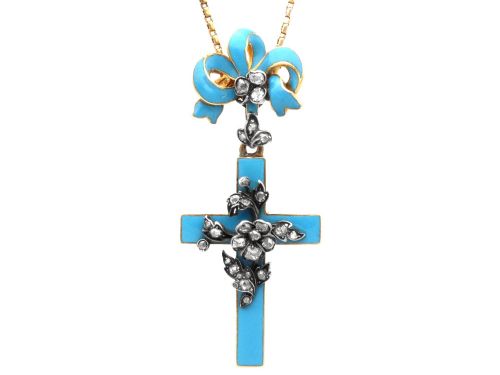
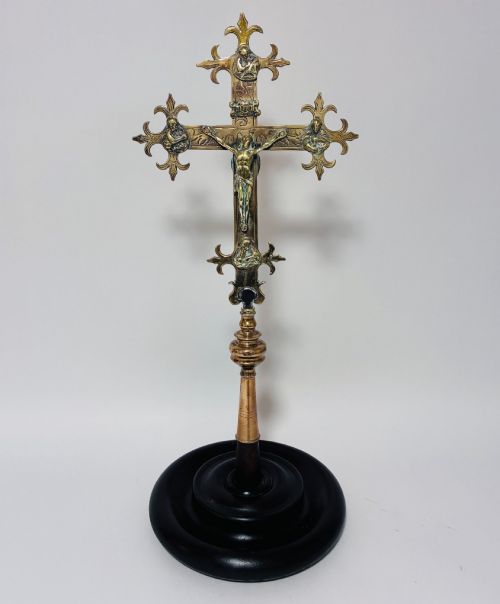
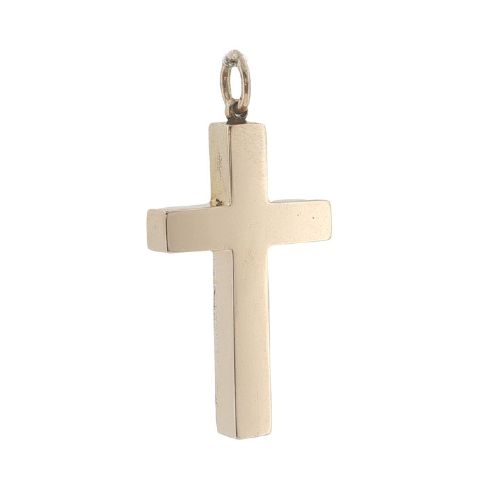
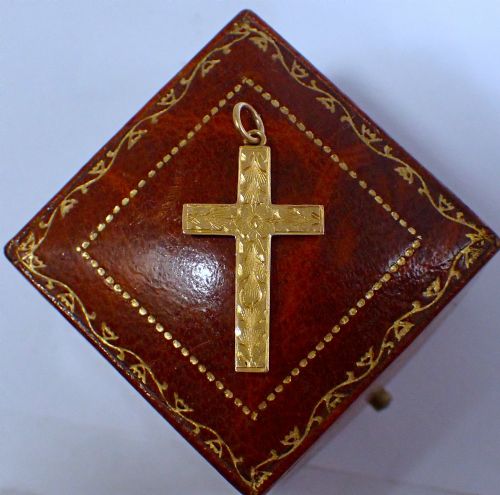
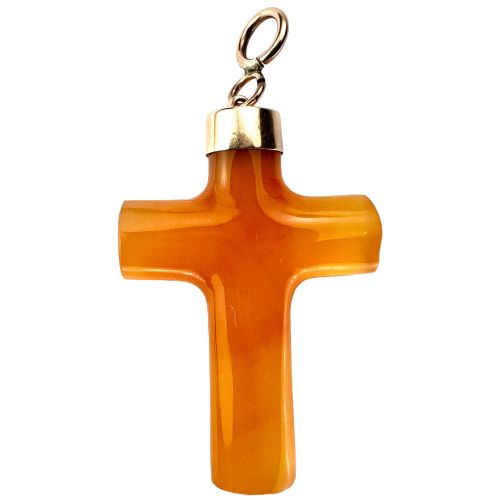
An antique crucifix spans centuries of devotional craftsmanship, appearing as everything from small pendant jewellery to substantial processional crosses and altar pieces. The selection on this page leans heavily toward wearable gold and silver cross pendants alongside larger wooden and brass figures meant for wall hanging or domestic worship.
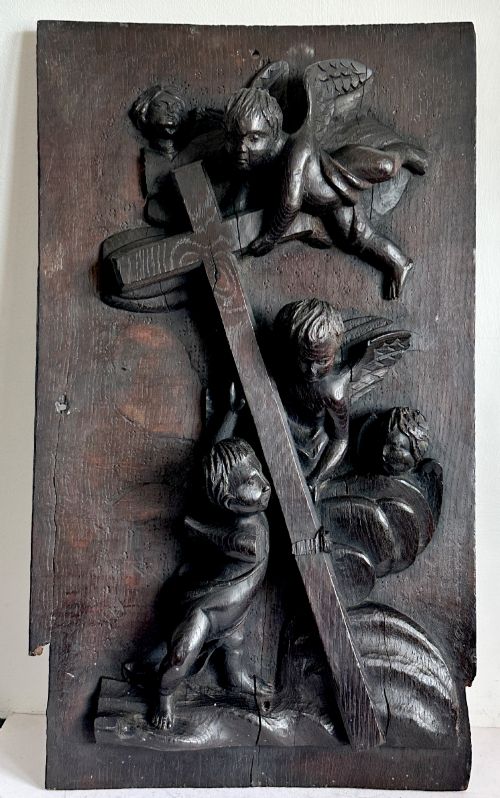
Forms shift from simple folk art carvings to elaborate Georgian and Victorian jewels set with diamonds, sapphires, and pearls. Alongside personal ornaments, collectors encounter monumental oak panels, heavy processional pieces in brass, and intricate icons reflecting diverse European traditions.
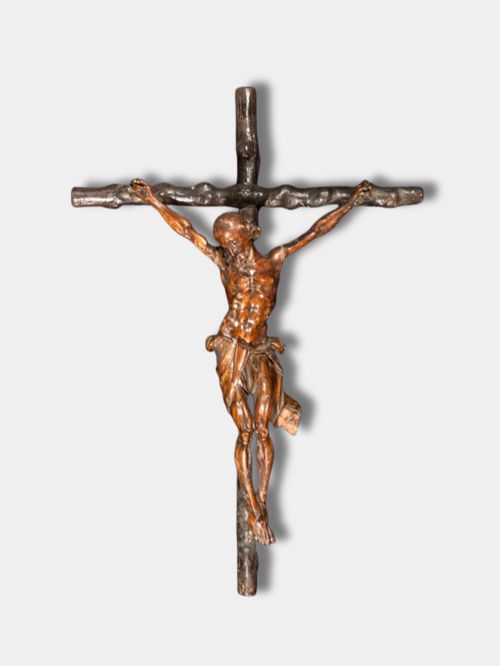
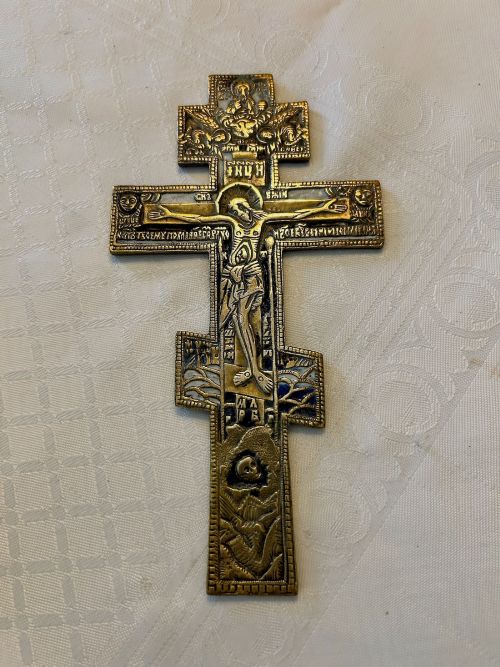
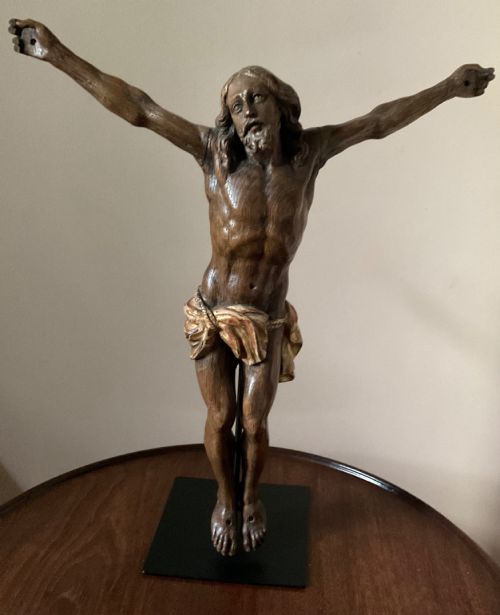
Geographic origins vary widely across these listings, encompassing Spanish Baroque figures, French boxwood sculptures, and Russian Orthodox works. Buyers find pieces ranging from intimate devotional items kept close to the body to significant architectural and altar crosses designed for communal spaces.
What varies in quality
Quality rests in the precision of the carving and the integrity of the materials, distinguishing simple devotional objects from masterworks of religious art. Finer pieces display anatomical accuracy in the Corpus Christi figure and careful execution of decorative elements like engraving or enamel work.
The distinction between standard workshop production and exceptional craftsmanship appears in the depth of relief, the preservation of original polychrome or gilding, and the harmony of design. Pieces bearing hallmarks or attributed to notable makers carry greater weight due to documented provenance.
Antique Crucifix Retail Price Guide 2026
Typical asking prices for crucifix among the pieces listed under this phrase on Sellingantiques today, from the lower quarter to the upper quarter. They describe what is for sale here now, not the wider market.
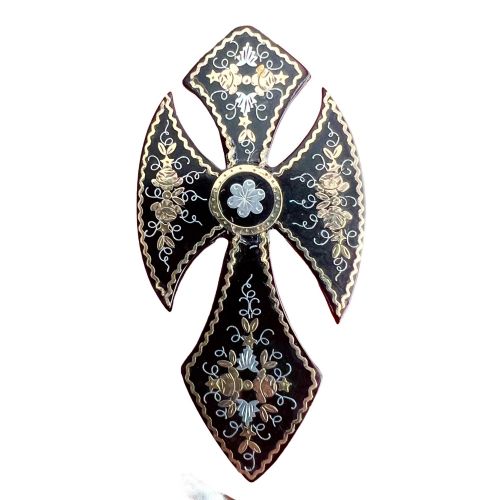
Materials span nineteenth-century brass, carved boxwood, tortoiseshell pique, and yellow gold set with diamonds, emeralds, and pearls.
Omar Ramsden and Alwyn Carr·Volga Masters
The Antique Crucifix Glossary
- Corpus Christi
- The representation of the body of Jesus Christ on the cross. This sculptural figure forms the central focal point of a crucifix.
- Processional cross
- A large crucifix mounted on a long staff and carried at the head of religious processions. These examples often feature heavy brass or bronze construction.
- Altar cross
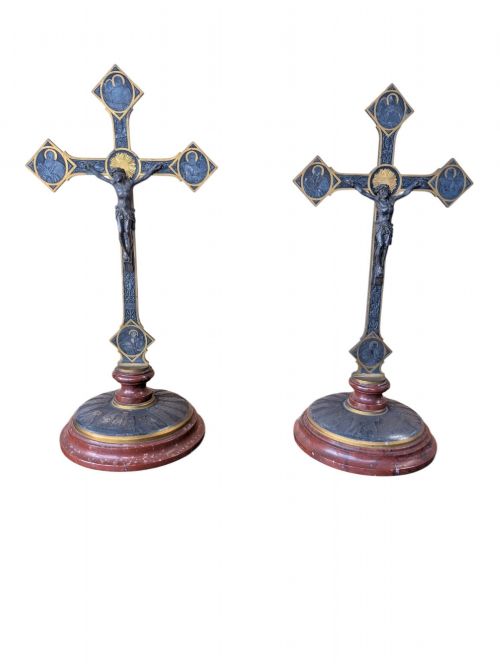
- A freestanding crucifix placed upon or behind an altar during services. They appear in materials ranging from carved wood to cast iron.
- Pique
- A method of inlaying tiny points of gold or silver into tortoiseshell or ivory. This technique frequently decorates nineteenth-century devotional boxes and small cross pendants.
- Polychrome
- The practice of decorating architectural elements, sculpture, or woodwork in a variety of colours. It adds lifelike detail to carved wooden figures of Christ.
Antique Crucifix: Frequently Asked Questions
How do I date an antique crucifix?
Dating relies on material analysis, style, and hallmarks where present on precious metals. Eighteenth-century pieces often display hand-carved wooden details or heavy cast brass, while Victorian and Edwardian examples utilise specific gold carats and Birmingham assay marks.
Changes in artistic style, from Spanish Baroque curves to Arts and Crafts simplicity, further help pinpoint the era of manufacture.
What is the difference between a cross and a crucifix?
A cross is simply the geometric intersecting structure without additional adornment. A crucifix specifically includes the figure of Christ, known as the Corpus Christi, mounted upon the cross.
Both forms appear across personal jewellery and larger architectural pieces in the collection.
Were these pieces worn or displayed?
Devotional items served multiple purposes depending on their scale and format. Smaller examples functioned as personal jewellery, worn as pendants or carried in pockets as tokens of faith.
Larger wooden, brass, and iron pieces were intended for wall display in homes, placement on domestic altars, or use in formal religious processions.
How do I care for wooden and metal crosses?
Preservation depends upon the primary material of the piece. Wooden carvings and boxwood figures benefit from stable indoor humidity and occasional light dusting with a dry cloth.
Metal components in brass, silver, or gold require minimal intervention, avoiding harsh commercial polishes to protect any historic patination or delicate surface gilding.