

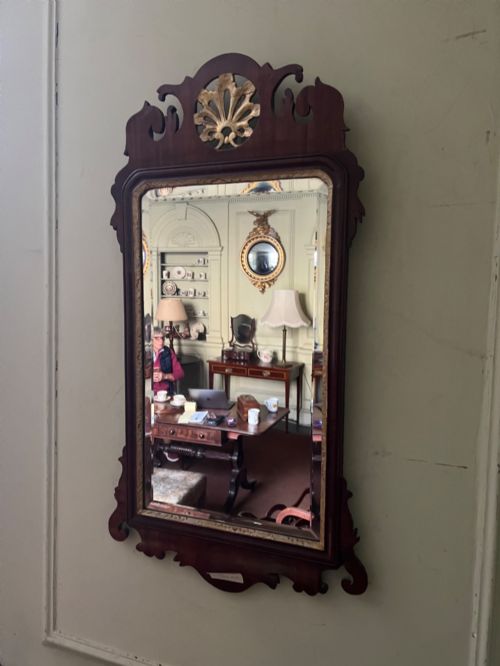
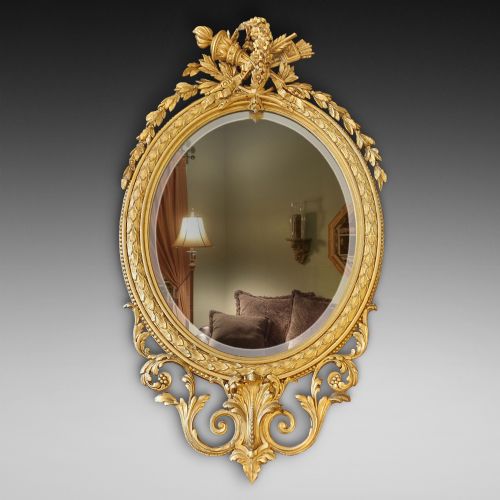
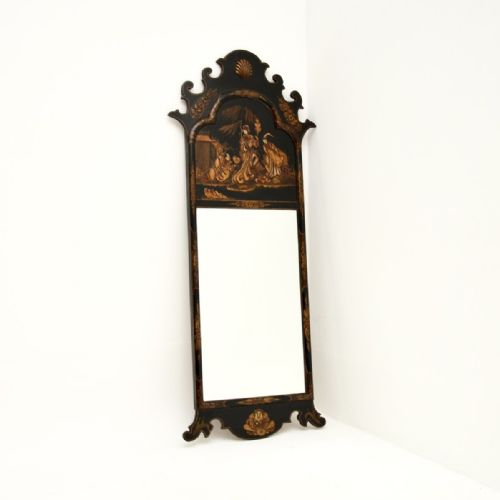
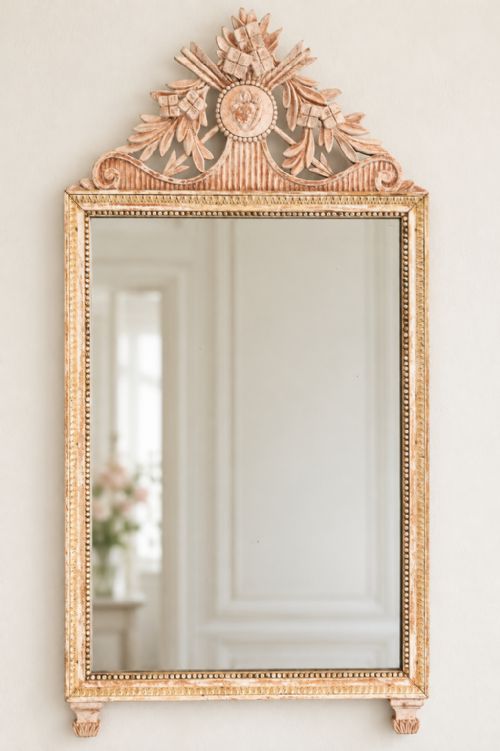
Antique Crested Mirror
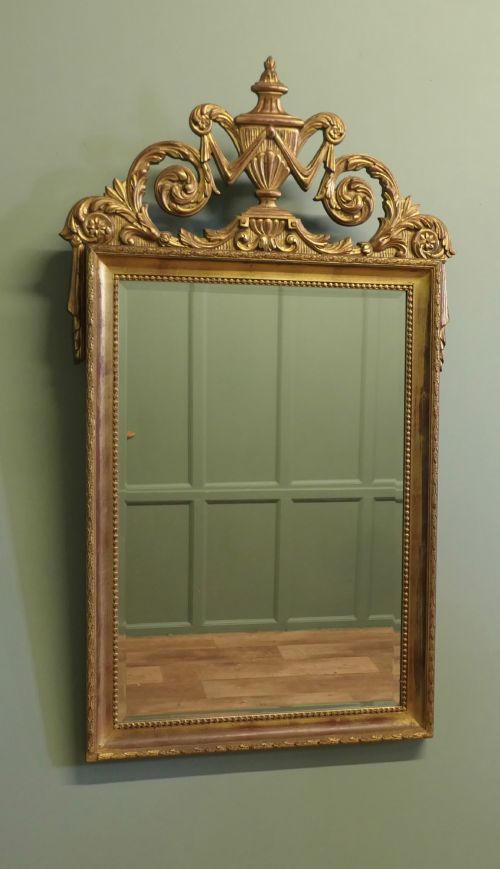
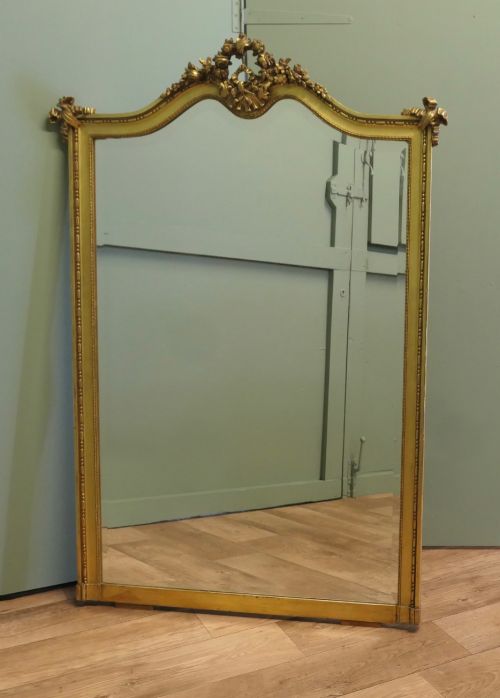
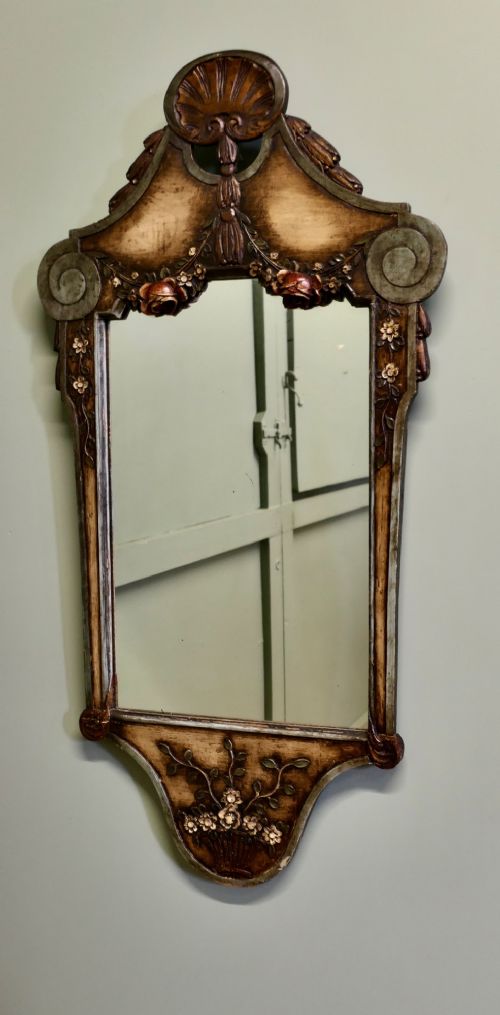
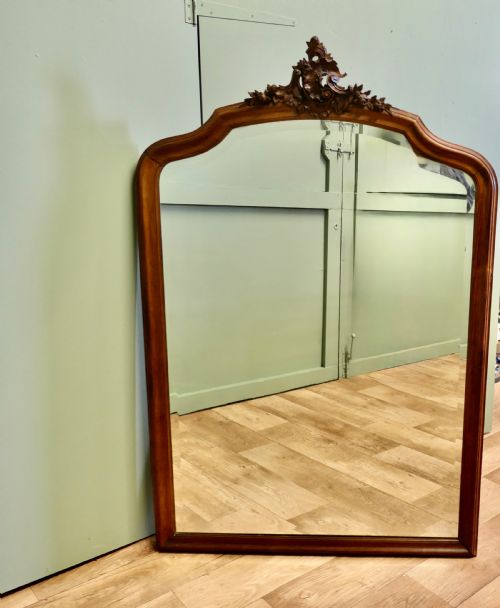
An antique crested mirror brings architectural height and sculptural detail to a room, drawing the eye upwards through carved foliage, ribbons, or urn pediments.
Antique Crested Mirror
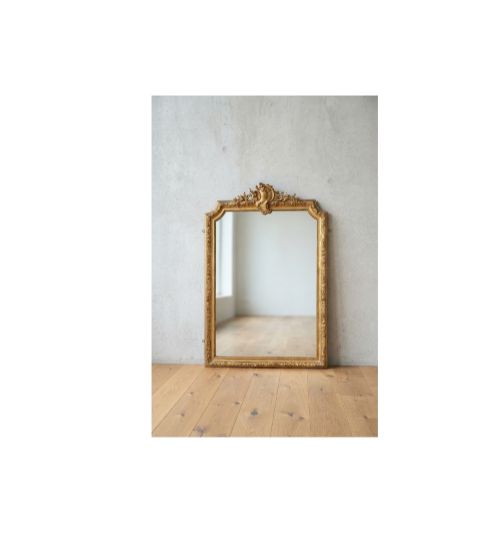
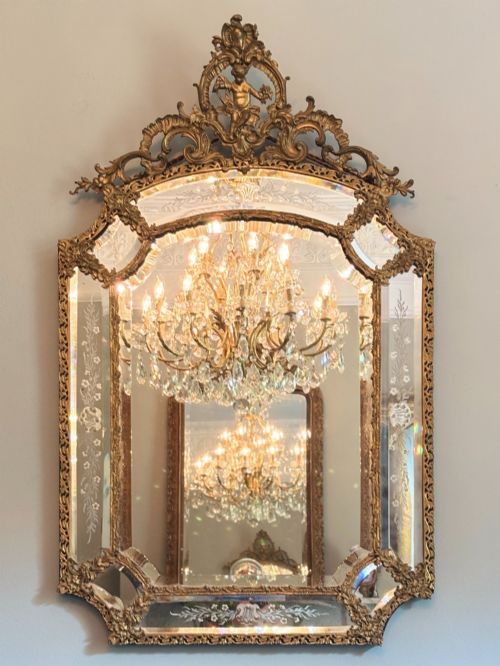
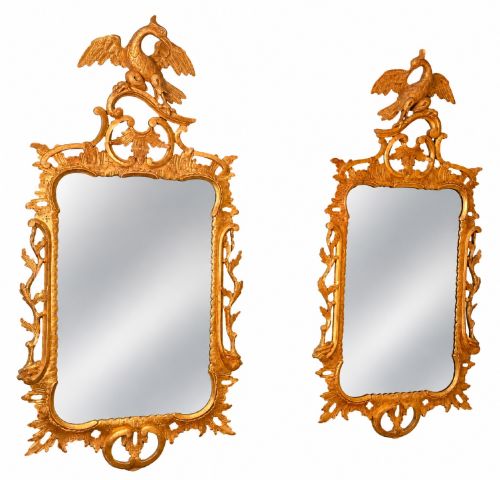
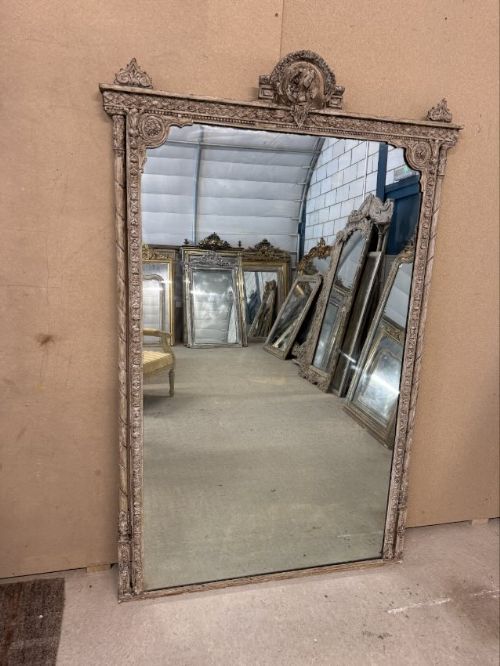
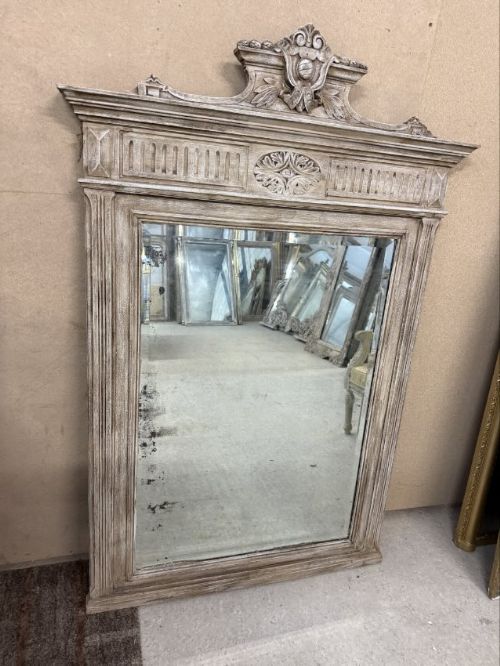
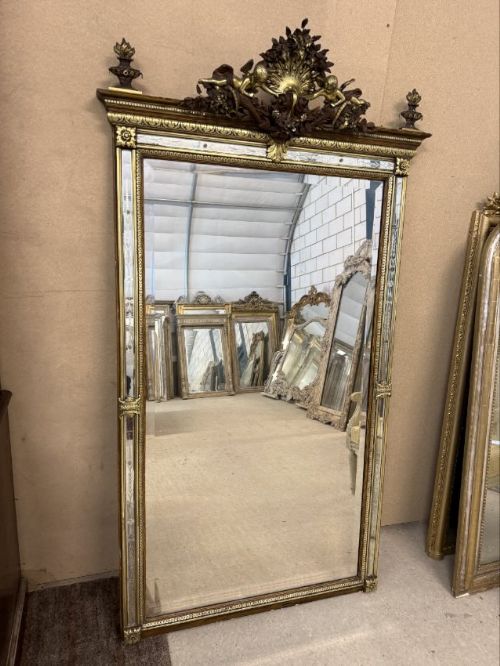
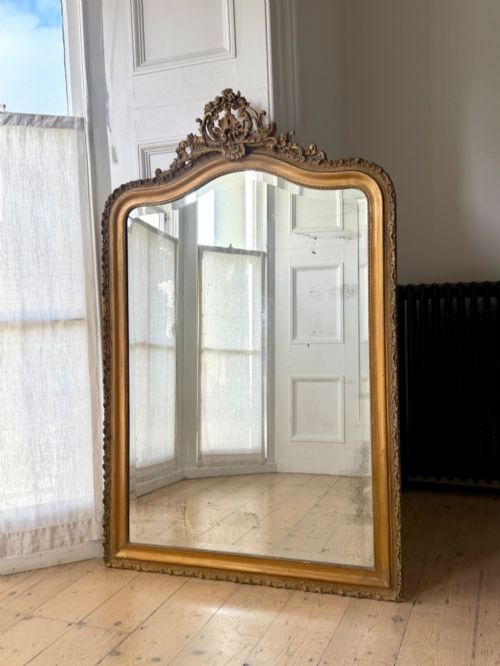
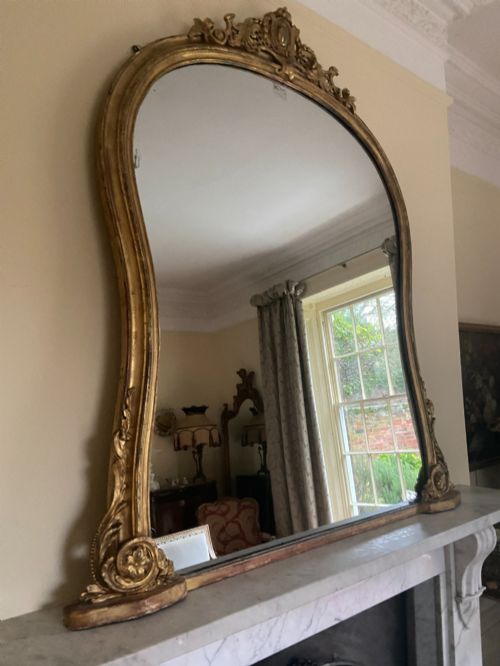
An antique crested mirror unites functional glass with decorative carved woodwork atop the frame, forming a focal point that transforms wall space. When searching for an antique crested mirror, buyers encounter a diverse selection ranging from compact dressing glasses to monumental overmantels.
The pieces appearing here span the eighteenth, nineteenth, and early twentieth centuries, drawing heavily on Georgian, Regency, and French revival styles. Wall mirrors and overmantels dominate the selection, frequently carrying elaborate pierced foliage or gilded crests.
Origin points vary between English cabinetmakers and continental European workshops, particularly French ateliers producing Napoleon III and Louis style pieces. Oak, mahogany, and satinwood provide structural timber frameworks, while gesso and giltwood deliver surface brilliance.
Materials and Construction
Carvers shaped solid timber bases from oak, mahogany, or softwoods, applying layers of gesso to build up intricate relief motifs like scrolls, urns, and cherubs. Artisans then water-gilded these surfaces with gold leaf or painted them to achieve rich, light-reflecting finishes.
Mirror glass plates of the period often display subtle imperfections, waviness, or foxing derived from historical silvering techniques. Frames relied on traditional joinery, securing heavy crests and pediments to withstand the weight of tall overmantel and wall configurations.
Antique Crested Mirror Retail Price Guide 2026
Typical asking prices for crested mirror among the pieces listed under this phrase on Sellingantiques today, from the lower quarter to the upper quarter. They describe what is for sale here now, not the wider market.
Period examples span eighteenth-century Georgian designs through nineteenth-century French Rococo revival pieces and early twentieth-century Edwardian styles.
Assessing Craftsmanship
The distinction between ordinary and exceptional examples rests in the depth and crispness of the carving upon the crest. Sharp, undercut foliage and balanced proportions demonstrate superior hand-tool mastery by the artisan.
Original mercury-silvered or early mirror plates retain a softer, warmer reflection that differs from modern flat float glass. The integrity of the original giltwood or gesso surface, free from heavy modern repainting, preserves the true character of the period.
Arsène Rochette of Versailles
The Antique Crested Mirror Glossary
- Giltwood
- Wood that has been coated with thin gold leaf over a prepared gesso ground. This technique creates a luminous surface that catches candlelight or daylight.
- Gesso
- A plaster mixture applied to wood frames to provide a smooth base for carving and gilding. Artisans model intricate relief designs directly into this malleable compound.
- Overmantel Mirror
- A large mirror designed to hang specifically above a fireplace mantelpiece. These pieces often feature wide horizontal proportions and substantial architectural crests.
- Pediment
- The decorative triangular or arched gable crowning the top of a mirror frame. It frequently houses carved urns, ribbons, or floral motifs.
- Girandole
- A wall mirror featuring attached candle sconces that project outwards from the frame. The reflective glass multiplies the flickering light of the candles.
Antique Crested Mirror: Frequently Asked Questions
How do I hang a heavy overmantel mirror safely?
Heavy overmantel mirrors require direct fixing into masonry wall studs using appropriate steel brackets capable of supporting substantial weight. Professional installation ensures the wall structure bears the load safely rather than relying solely on decorative plaster.
Position the mirror at a height that reflects ambient light and room elements effectively, balancing the proportions between the fireplace opening and the ceiling line.
What causes dark spots on antique mirror glass?
Dark spots and patination, known as foxing, occur when moisture slowly degrades the silver backing over decades or centuries. This chemical ageing process creates a characteristic mottled appearance unique to vintage glass.
Many collectors prize genuine foxing as proof of age and authenticity, provided the distortion does not completely obscure the reflective surface.
How do I distinguish a Georgian mirror from a Victorian revival piece?
Georgian mirrors typically exhibit hand-cut mahogany veneers, lighter construction timbers, and simpler, restrained fretwork or parcel-gilt details. The wood species and secondary framing elements often show eighteenth-century joinery methods.
Victorian revival pieces, such as Chippendale style mirrors from the late nineteenth century, tend to be heavier, utilising machine-sawn elements alongside hand-carved surface details and denser plaster gesso.