

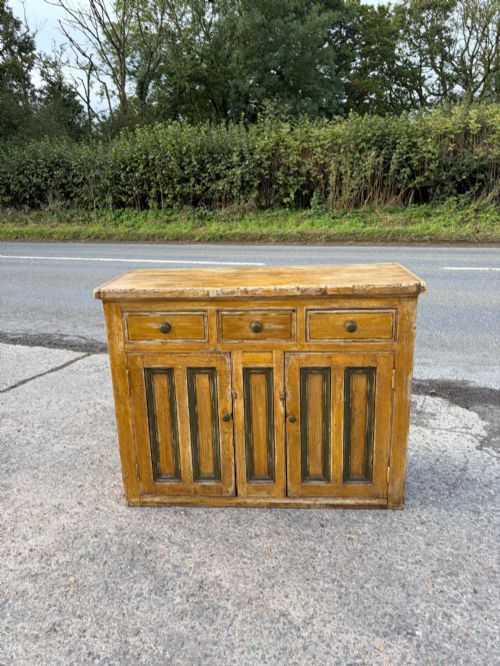
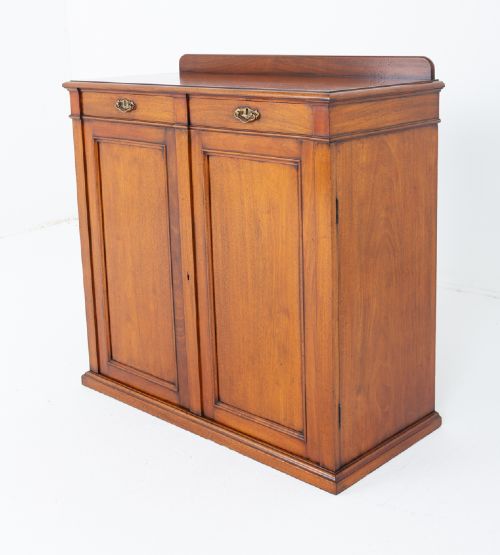
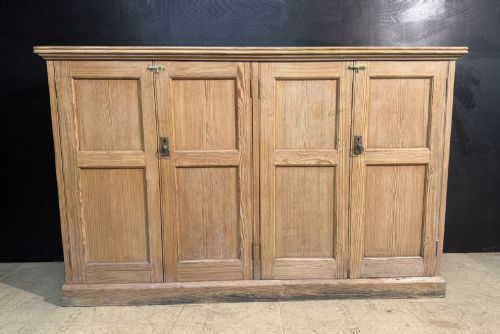
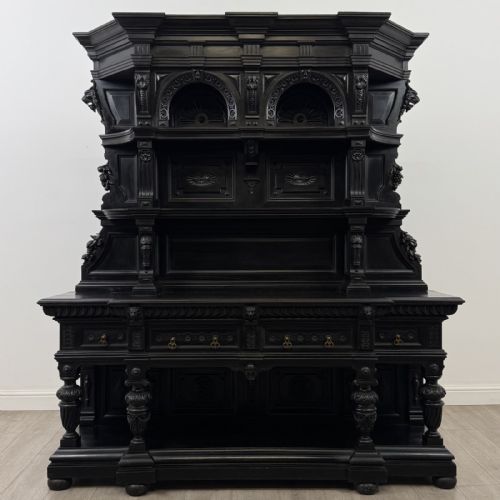
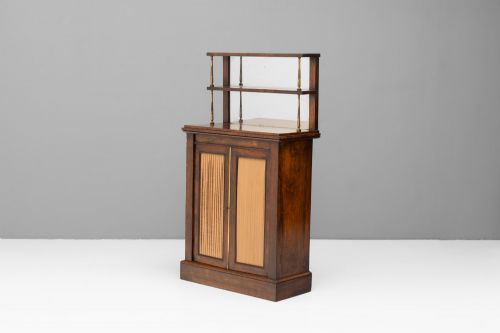
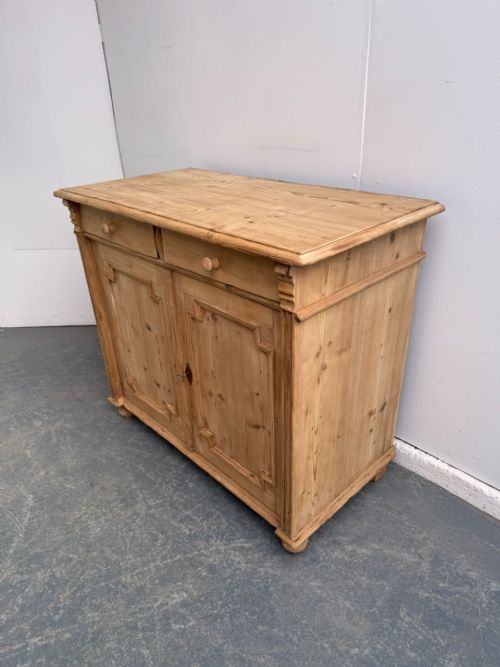


Antique Credenza Unit
An antique credenza unit brings nineteenth-century presence to a room, offering practical storage through low-slung timber and brass work.
Antique Credenza Unit
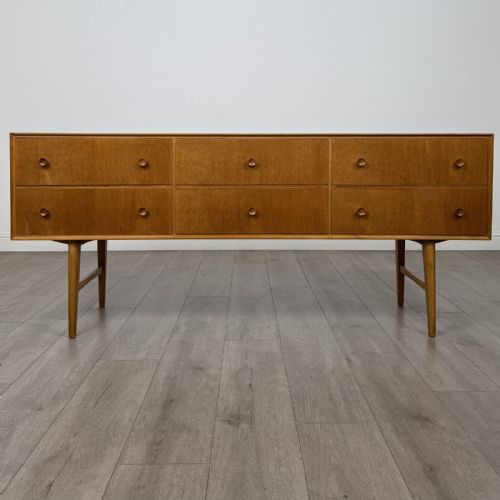
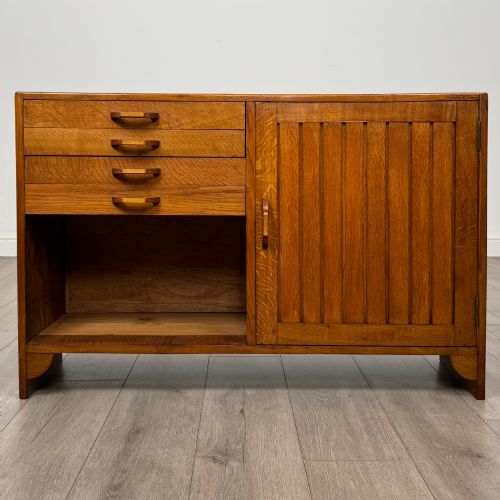
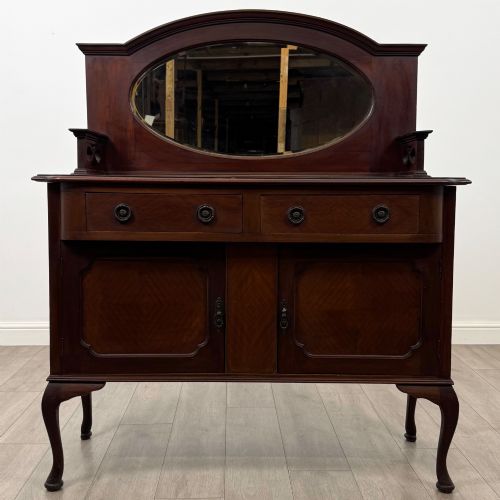
When searching for an antique credenza unit, buyers examine low cabinets, sideboards, and chiffoniers originating from the nineteenth century onward. The selection spans styles from Victorian and Regency to Edwardian and Art Deco, reflecting domestic storage needs across several decades.
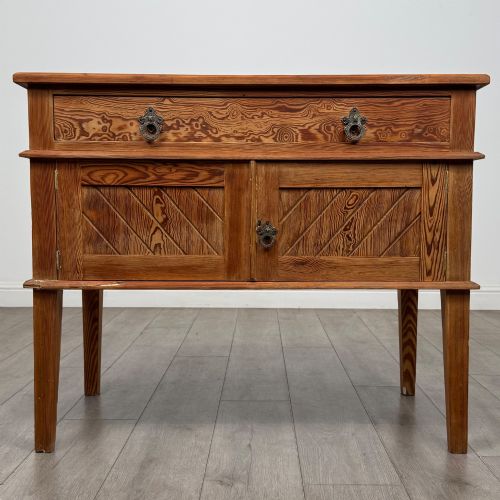
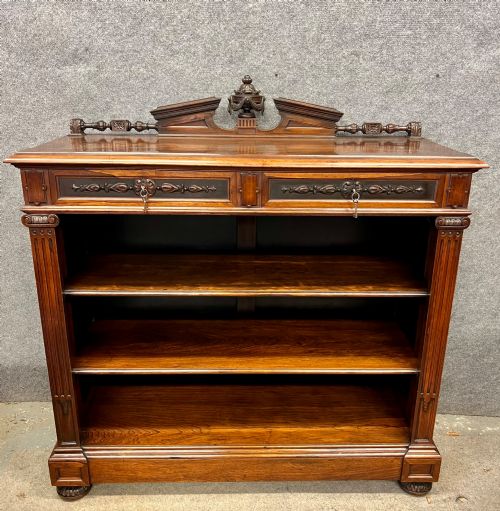
Mahogany, oak, and pine dominate the forms, supplemented by rosewood, walnut, and cherry wood. Pieces range from simple pine cupboards to porcelain-mounted table top credenza cabinets and brass-inlaid rosewood designs.
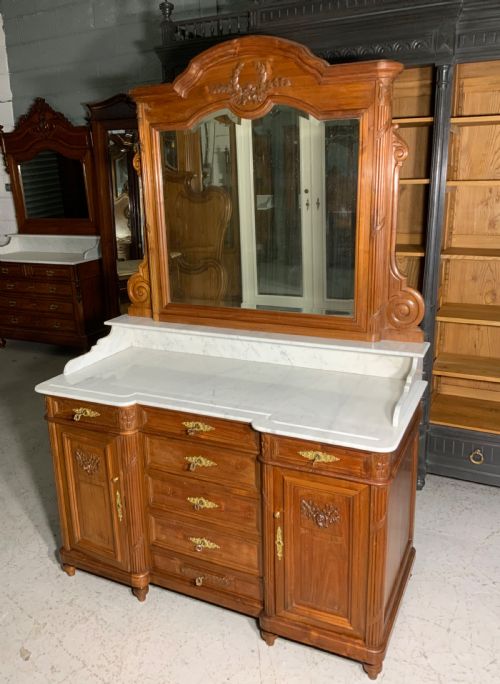
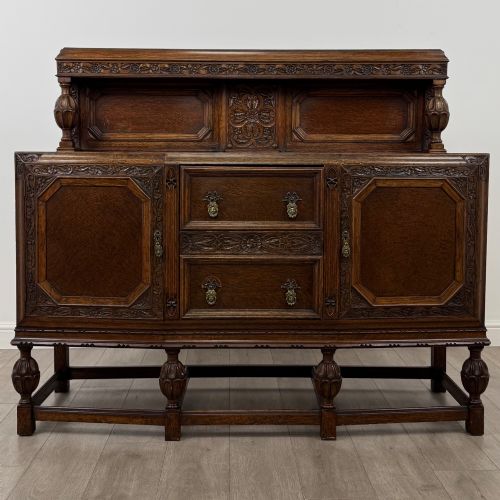
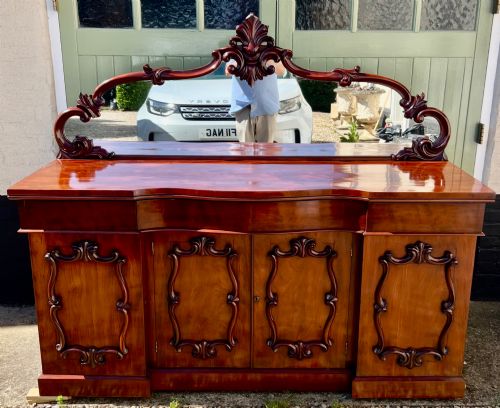
The most frequent encounters on this page involve Victorian sideboards and Edwardian cupboards, often featuring carved details, raised galleries, or glass display doors.
Materials and construction methods
Cabinet makers utilised dense hardwoods such as mahogany, rosewood, and oak for structural stability and fine grain figuring. Softer timbers like pine served utility cupboards and housekeepers furniture, designed for everyday domestic use.
Decoration relied on brass inlays, ormolu mounts, porcelain plaques, and carved motifs including lion masks. French polishing and wax finishes brought out the natural depth of walnut, satinwood, and gonçalo-alvez.
Joinery methods incorporated dovetailed drawers and panelled doors, ensuring longevity in side cabinets, bookcases, and dresser bases.
Antique Credenza Unit Retail Price Guide 2026
Typical asking prices for credenza unit among the pieces listed under this phrase on Sellingantiques today, from the lower quarter to the upper quarter. They describe what is for sale here now, not the wider market.
Listings feature pieces from the 1800s, 1900s, and 1930s, constructed in mahogany, oak, pine, rosewood, and marble.
Assessing craftsmanship and finish
The distinction between ordinary storage and superior pieces rests in the selection of timbers, such as figured walnut or richly grained mahogany. Elaborate details like brass inlay, ormolu mounts, and hand-carved panels elevate a cabinet above standard utility furniture.
Proportion and integrity of the timber dictate the standing of a piece. Fine execution shows in seamless door alignment, original hardware, and balanced mirror backs or galleries.
Gillows·Shapland & Petter·Robert Strahan
The Antique Credenza Unit Glossary
- Credenza
- A low cabinet or sideboard, historically used for displaying plate, featuring doors enclosing shelves.
- Chiffonier
- A small sideboard or low cupboard, popular in the nineteenth century, often fitted with a shelf on top.
- Ormolu
- Gilded bronze used for decorative mounts on nineteenth-century furniture and cabinets.
- Gallery
- A raised rail or border along the top edge of a sideboard, washstand, or cupboard.
- Gonçalo-Alvez
- A dense exotic hardwood with striking contrasting grain, utilised in Regency furniture.
Antique Credenza Unit: Frequently Asked Questions
What is an antique credenza unit?
An antique credenza unit is a low-profile cabinet or sideboard designed for display and storage, often featuring timber construction with glass or panelled doors.
These pieces originate predominantly from the nineteenth century and incorporate styles ranging from Regency rosewood to Victorian ebonised finishes.
Where were credenzas placed?
Credenzas and low side cabinets typically stood in dining rooms or principal reception rooms for serving food and storing tableware.
Over time, smaller variations and table top versions found use in drawing rooms to display porcelain and decorative objects.
How do I identify a Victorian credenza?
Victorian credenzas frequently feature dense timbers like mahogany, walnut, or rosewood, sometimes accompanied by ebonised finishes and carved details.
Characteristics such as brass inlays, porcelain mounts, and glazed doors help distinguish these mid-to-late nineteenth-century examples.
Can I use an antique cupboard in a modern home?
Antique cupboards, sideboards, and side cabinets provide substantial enclosed storage that suits contemporary living spaces.
Their varied forms - from oak storage cupboards to glazed bookcases - adapt easily to hallways, living rooms, and dining areas.