



Antique Credenza on Stand
An antique credenza on stand combines elevated display with enclosed storage, offering timber craftsmanship across various period styles.
Antique Credenza on Stand
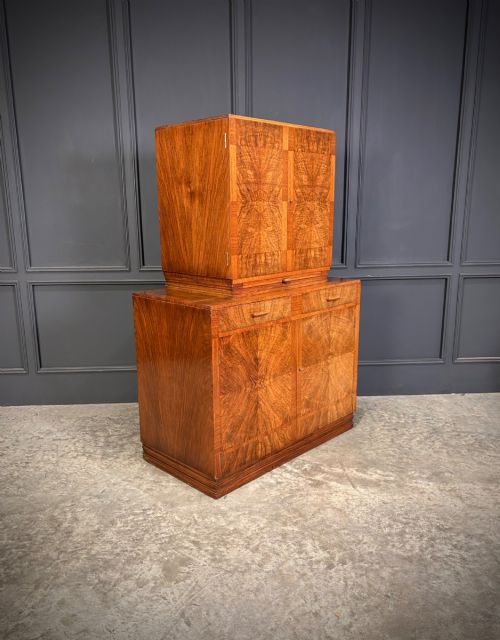
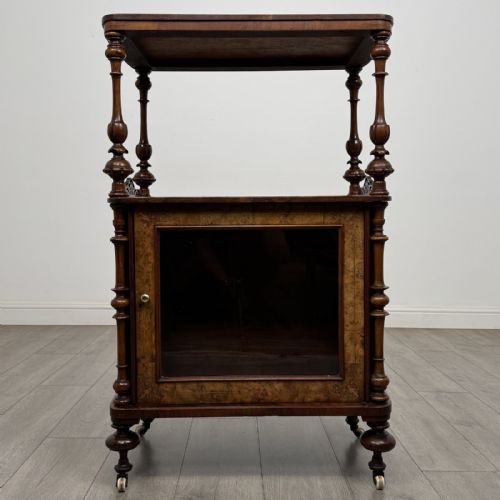
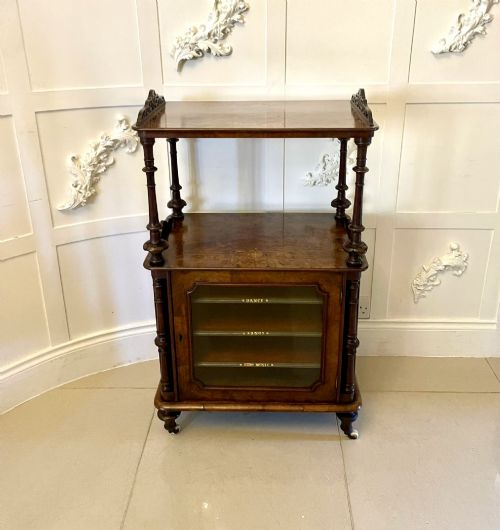
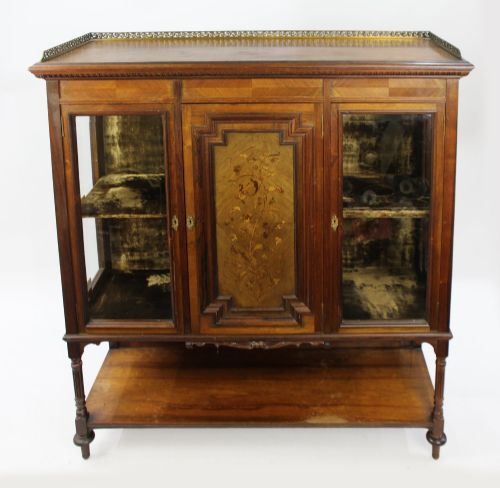
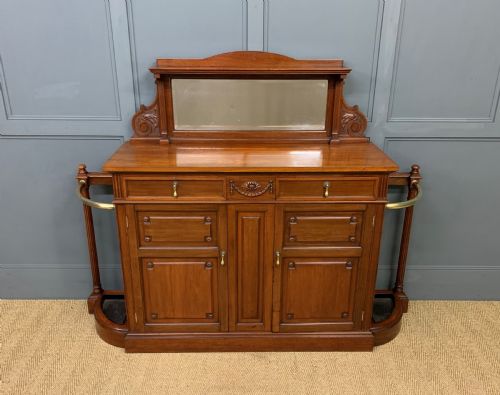
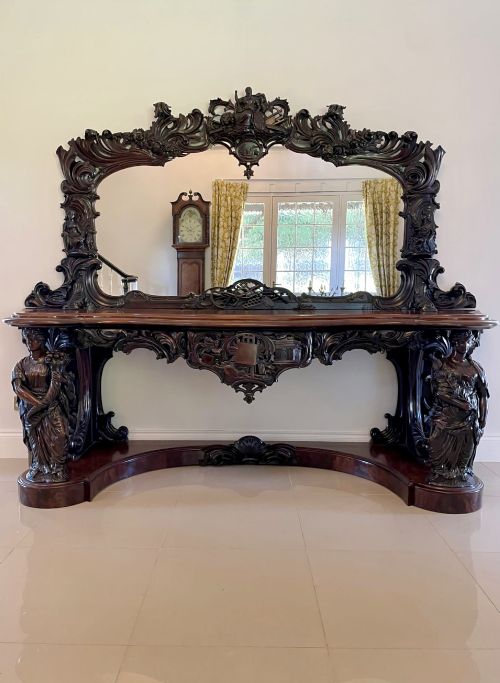
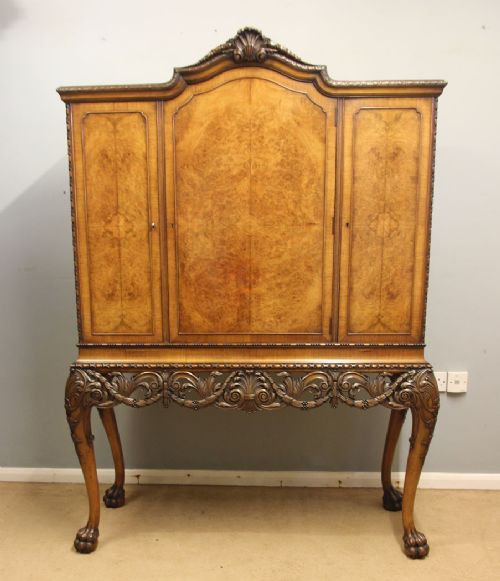
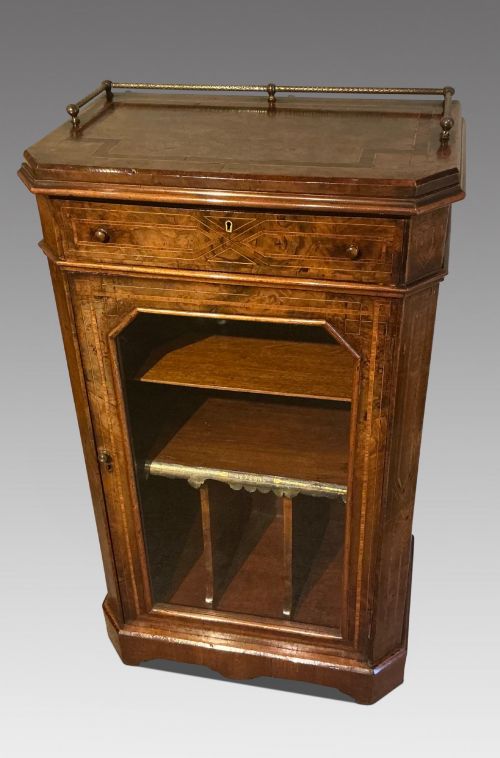
When searching for an antique credenza on stand, buyers encounter a diverse selection of elevated cabinetry originating from the nineteenth and early twentieth centuries. These pieces function as decorative storage furniture, often combining a raised cabinet component with a supporting stand or base.
The variations seen on this page span several stylistic revivals and periods, including Victorian, Regency, and Jacobean designs. Cabinets, sideboards, and hall stands form the primary structural types associated with this category.
Makers and workshops from Britain, France, and Spain contributed to this selection, utilising native and exotic timbers to construct form-focused furniture for period interiors.
Materials and construction methods
Carpenters built these cabinets using solid hardwoods such as oak, walnut, mahogany, and rosewood, frequently applying burr walnut or satinwood veneers for decorative surfaces. Brass hardware, iron fixtures, and glass panels integrate into the construction of doors and display compartments.
Cabinetmakers employed techniques like marquetry inlay, carving, and lacquering, particularly visible in Chinoiserie and Renaissance Revival examples. Stands and bases required sturdy joinery to support the weight of the elevated storage sections.
Antique Credenza on Stand Retail Price Guide 2026
Typical asking prices for credenza on stand among the pieces listed under this phrase on Sellingantiques today, from the lower quarter to the upper quarter. They describe what is for sale here now, not the wider market.
Evaluating craftsmanship and execution
The distinction between standard production and exhibition quality lies in the depth of hand-carving, the precision of marquetry inlay, and the selection of figured veneers like burr walnut. Superior examples demonstrate meticulous timber selection and integrated design between the upper cabinet and the supporting stand.
Construction integrity, original hardware retention, and the complexity of the architectural styling, such as Gothic tracery or applied brass mounts, separate ordinary storage pieces from finer decorative works.
Shoolbred and Co.·Gordovil Spain·Gillows·Bruce Talbert
The Antique Credenza on Stand Glossary
- Credenza
- A cabinet or sideboard used for storing or displaying objects. Originating in Italy, the form evolved across European furniture traditions.
- Marquetry
- Decorative veneer work arranged in pictorial or geometric patterns. Craftsmen applied thin slices of coloured wood to furniture surfaces.
- Burr walnut
- Timber taken from a tree growth displaying distorted grain patterns. This material provides highly figured, decorative surfaces on cabinet doors.
- Chinoiserie
- European artistic style reflecting Chinese motifs. Artisans used lacquering and painted decorations to achieve this aesthetic.
- Gothic Revival
- Architectural and decorative style imitating medieval forms. Furniture pieces utilise pointed arches, tracery, and heavy carved oak.
Antique Credenza on Stand: Frequently Asked Questions
Which woods were used for these cabinets?
Cabinetmakers utilised a range of timbers including oak, walnut, mahogany, rosewood, and satinwood. Burr walnut and lacquered finishes appeared frequently on decorative surfaces.
Secondary woods provided structural support within the carcase, while brass and iron supplied structural and decorative hardware.
How do I date an antique credenza?
Dating relies on stylistic markers, construction methods, and timber choices characteristic of periods like the Regency or Victorian eras. Design motifs such as Gothic tracery or Jacobean carving offer chronological clues.
Maker stamps and labels, when present, provide specific attribution to firms and workshops active in the nineteenth or early twentieth centuries.
Where should I place a cabinet on stand?
These pieces suit living rooms, dining spaces, or hallways where their elevated profile can be appreciated. Their proportions allow them to function as side storage or display units.
Placing them away from direct heat sources protects the timber and veneer surfaces from drying out or splitting.