
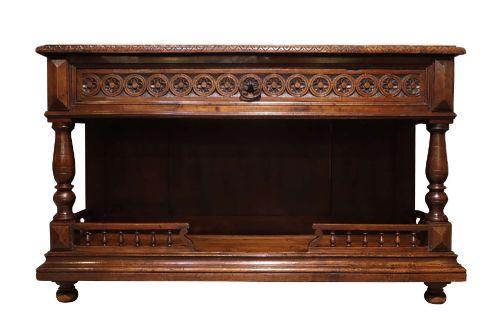
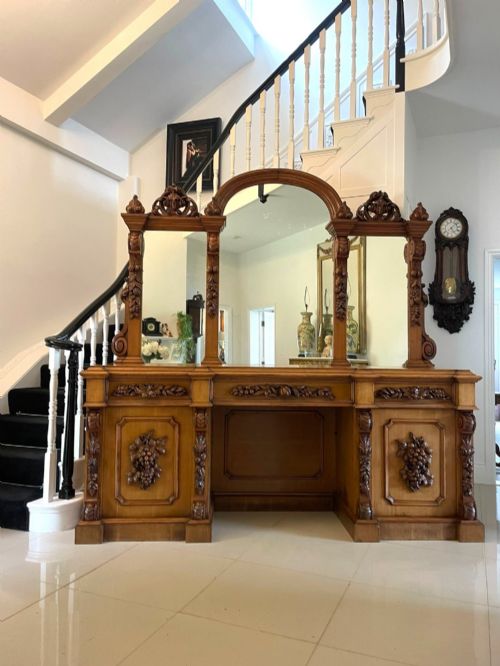
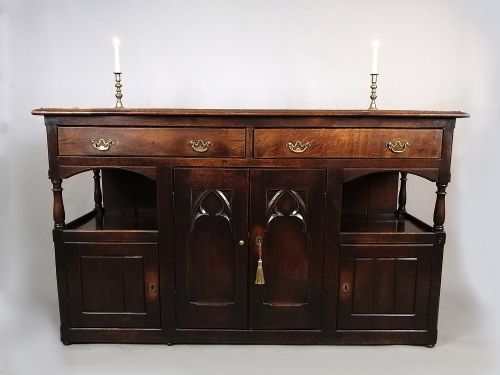
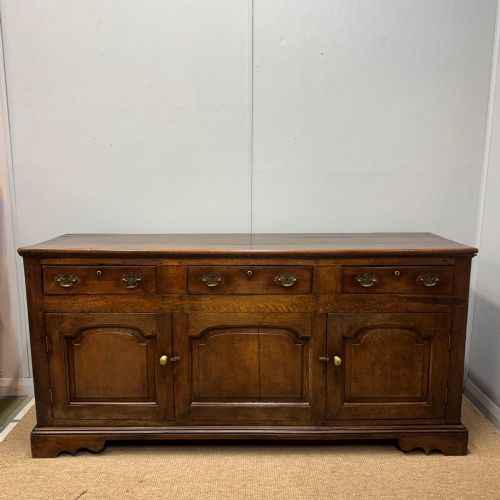
Antique Credenza Buffet
An antique credenza buffet brings grounded weight and formal presence to a room, serving as a storage piece designed to display silver and serve food.
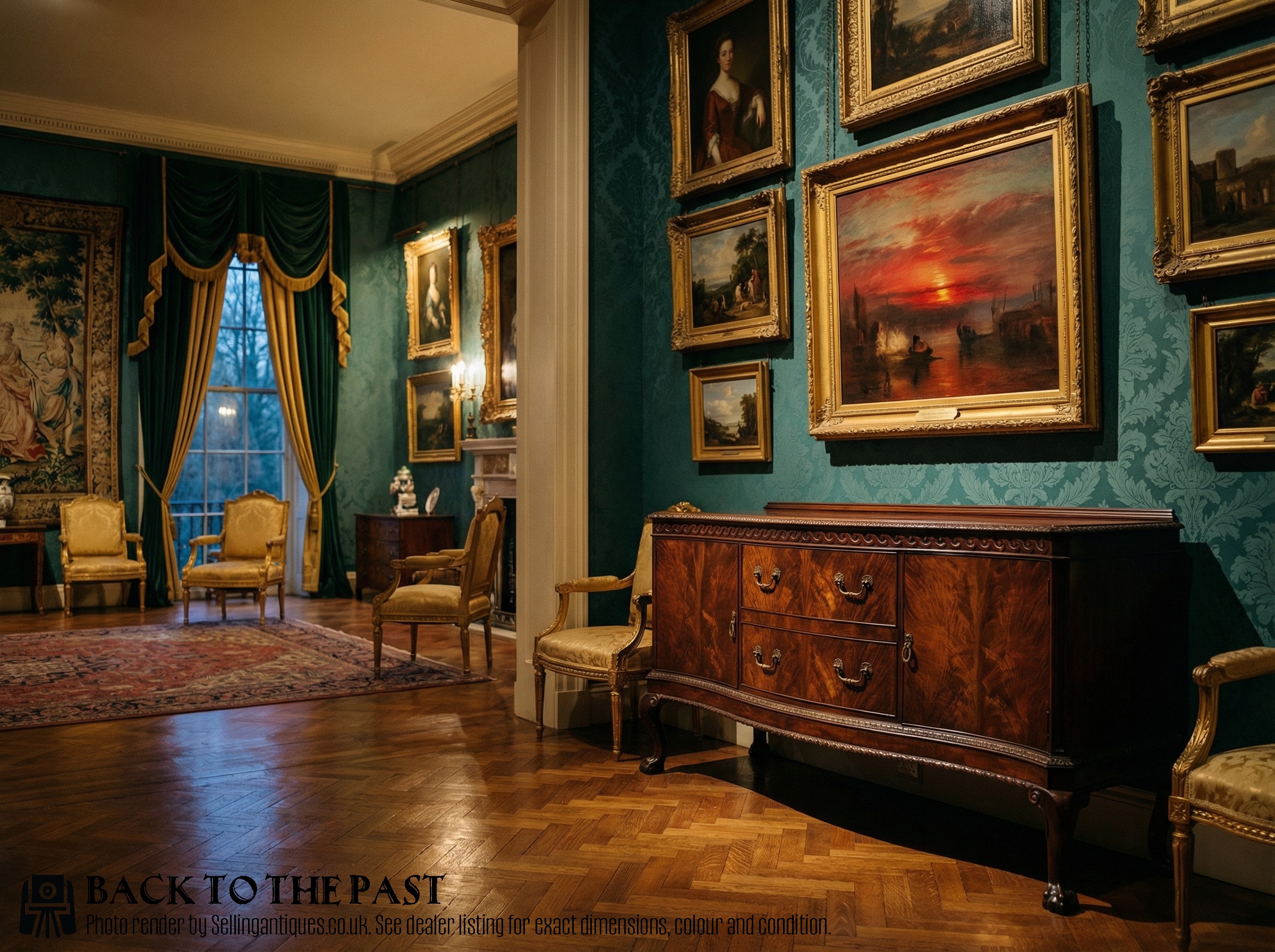
Antique Credenza Buffet
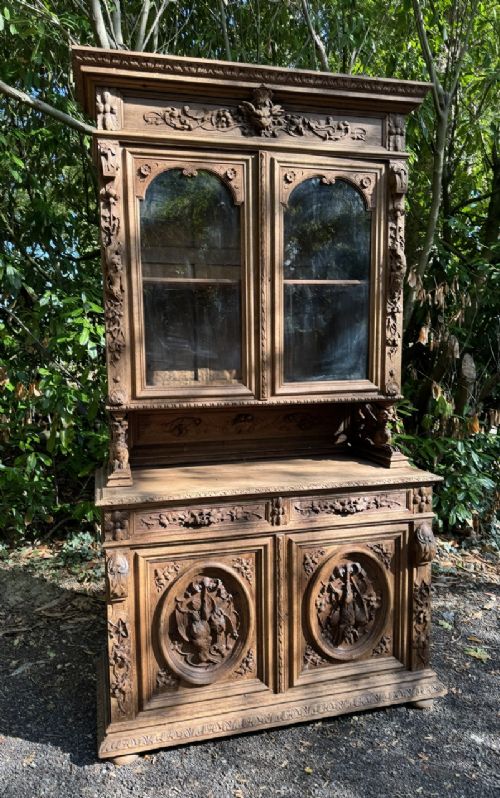
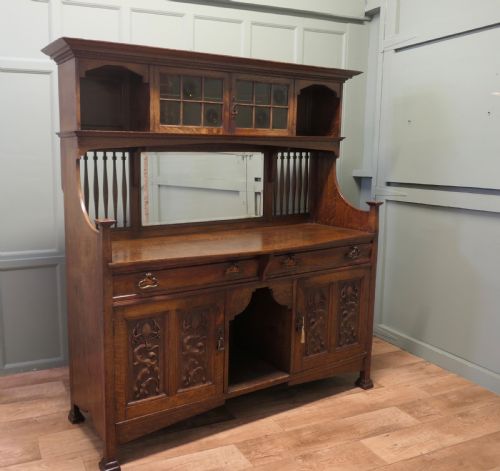
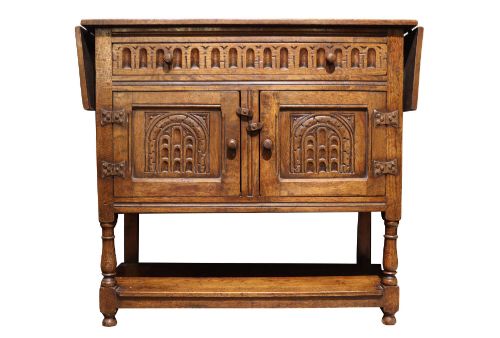
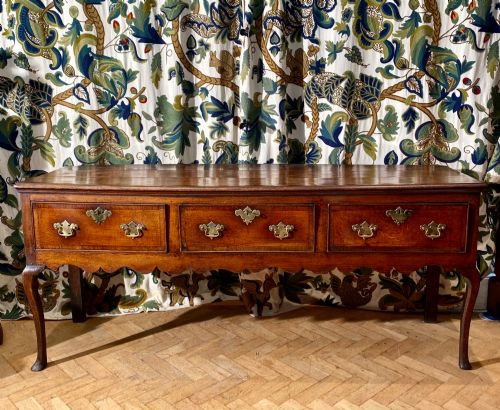
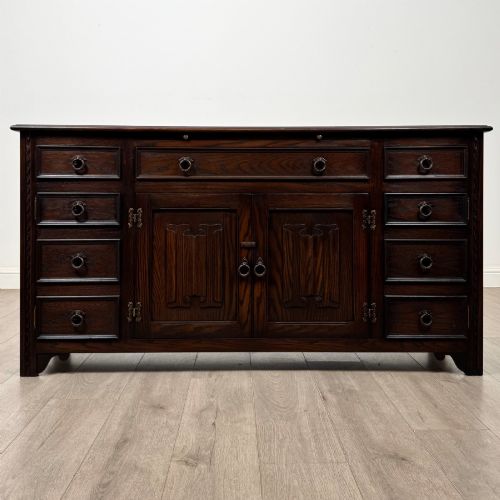
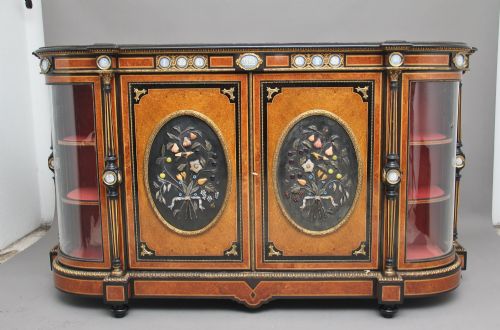
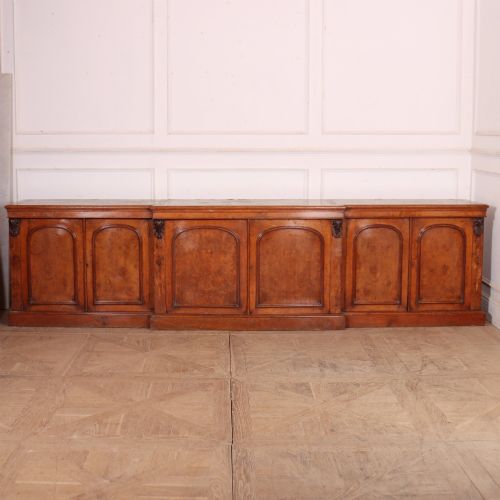
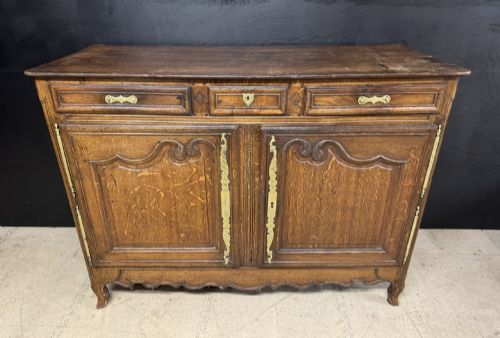
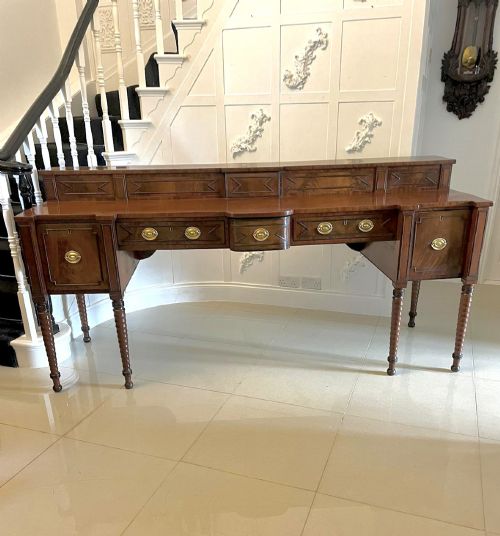
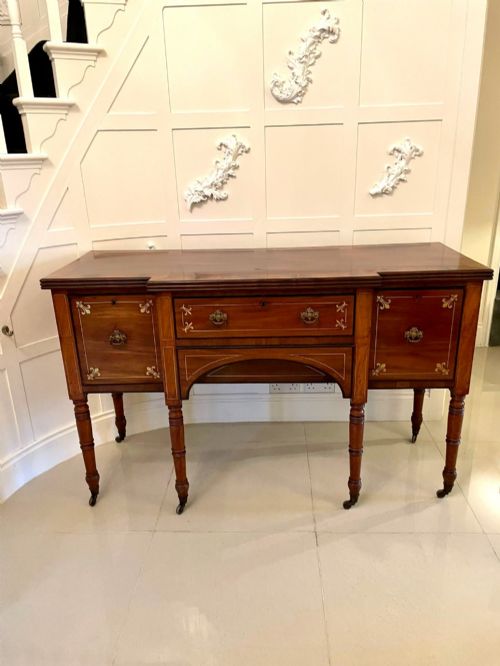
The antique credenza buffet category gathers substantial timber storage furniture spanning Georgian, Victorian, and Art Deco periods, encompassing sideboards, chiffoniers, and dressers. Buyers hunting for an antique credenza buffet encounter forms ranging from serpentine fronts to breakfronts, produced across the eighteenth, nineteenth, and early twentieth centuries.
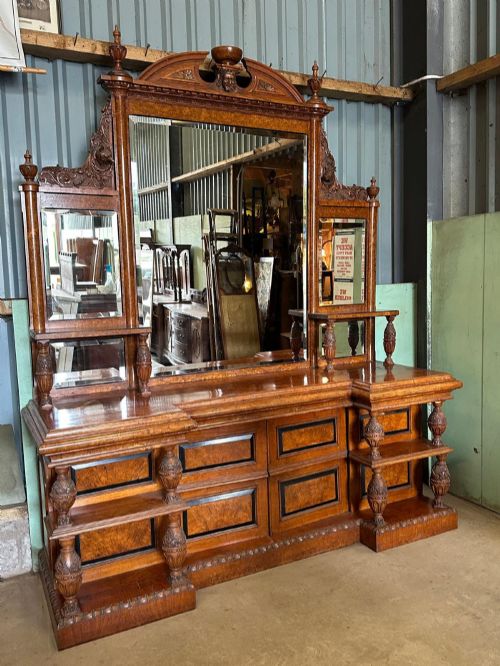
The pieces appearing most frequently originate from the Victorian era, often featuring burr walnut, flame mahogany, or carved oak with mirror backs and marble tops. These substantial items serve dining rooms and hallways, functioning as surface space and closed storage for tableware.
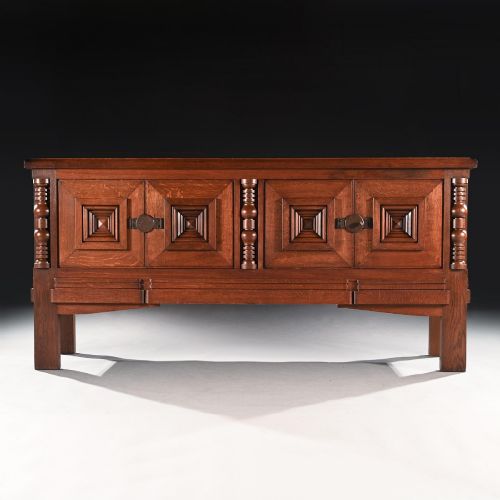
Earlier Georgian examples favour figured mahogany and oak with inlay and marquetry, while later twentieth-century additions show clean lines in Art Deco styling by makers such as Maurice Adams.
Materials and Construction
Cabinet makers utilised dense native and exotic timbers, laying flame mahogany veneer, burr walnut, kingwood, and amboyna over solid secondary woods like oak and pine. Brass mounts, ormolu details, and marble tops appear on high-status Victorian and French examples.
Joinery methods combine traditional mortise and tenon frames with hand-cut dovetails for drawer construction, while decorative surfaces employ marquetry, carving, and ebonised detailing.
One unexpected sideboard comes equipped with a dedicated twelve-piece cutlery set ready for immediate dinner service.
Distinctions in Standard
Quality rests in timber selection and the precision of surface embellishment, where matched burr veneers and crisp hand-carving separate standard utility furniture from high-status commissions. Finer items exhibit integrated design details such as shaped serpentine fronts, panelled doors with original locks, and matched grain patterns across multiple drawers.
Makers' marks stamped into drawers or paper labels pasted inside carcasses indicate workshop origin, adding provenance that elevates a piece above anonymous regional production.
Hewetsons London·Maurice Adams
The Antique Credenza Buffet Glossary
- Credenza
- A low cabinet or sideboard, frequently with glazed or mirrored doors, originating in Italy and adapted in Victorian Britain for display and storage. It sits low to the floor compared to a tall dresser.
- Serpentine
- A shaped furniture front curving outward at the centre and inward toward the ends in an undulating wave. This profile requires high skill in timber bending and veneer matching.
- Breakfront
- A large cabinet or sideboard whose central section projects forward from the recessed flanking wings. This architectural arrangement creates depth and shadow across the front elevation.
- Marquetry
- Decorative patterns formed by fitting together small pieces of tinted wood veneer into a larger panel. Artisans use contrasting timbers to create floral or geometric motifs.
- Chiffonier
- A compact sideboard or low cupboard developed in the nineteenth century, typically featuring a raised shelf or small superstructure on the top surface. It provides functional storage for smaller dining spaces.
Antique Credenza Buffet: Frequently Asked Questions
What is the difference between a sideboard and a credenza?
Sideboards traditionally focus on serving food and storing dining accessories, often including cupboard space and drawers for cutlery.
Credenzas generally sit lower, share a more decorative purpose, and frequently incorporate glass doors or mirrored backs for display.
How do I date an antique wooden sideboard?
Dating relies on examining construction marks, timber choices, and hardware styles across the carcass. Hand-cut dovetails, secondary woods, and specific veneer types like burr walnut point to particular decades.
Cabinet maker stamps and specific revival styles also help narrow down the period of manufacture.
Where should I place a large mirrored sideboard?
These large timber pieces suit dining rooms, grand hallways, or spacious living areas with adequate wall space to support their visual weight.
Positioning them away from direct sunlight protects delicate veneers and polished timber surfaces from fading.
Can I use a buffet for modern storage?
These pieces provide deep cupboards and drawer space suited for modern diningware, linens, and household items.
Interior compartments accommodate contemporary storage needs while maintaining period character in the room.