

Antique Cream Settees
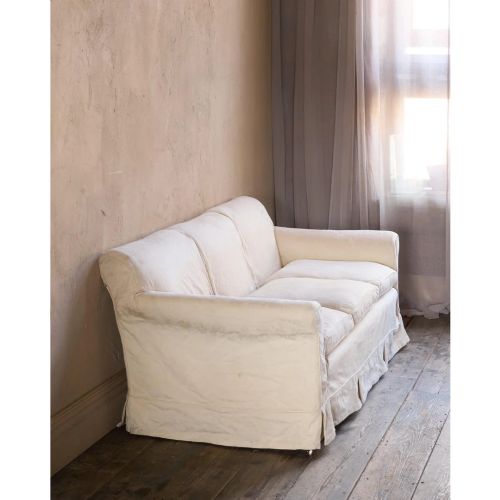
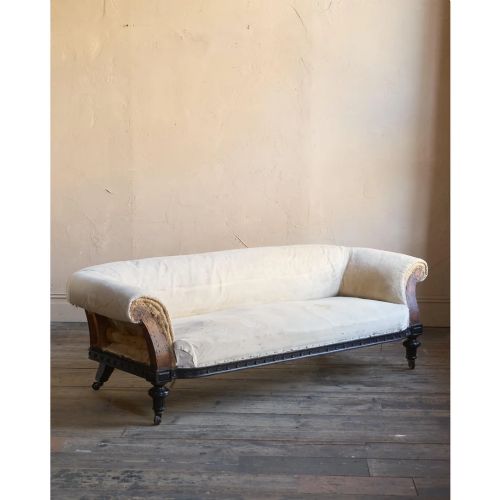
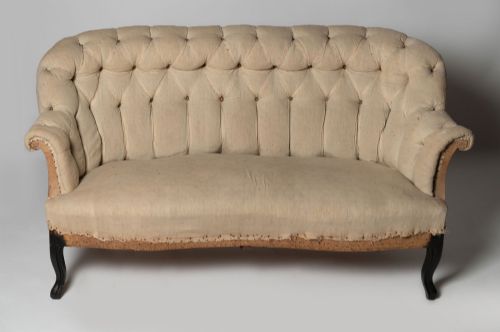
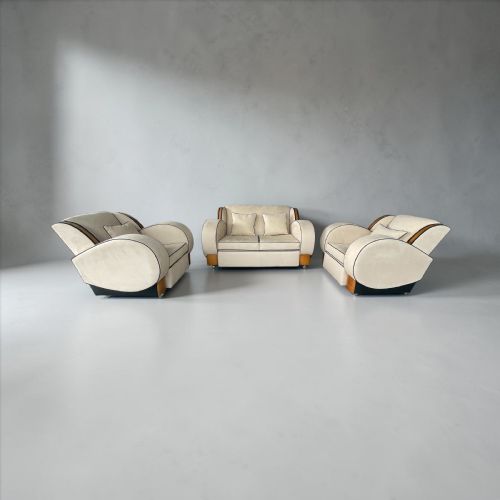
These antique cream settees range from buttoned Victorian Chesterfields to upholstered French salon pieces, offering deep comfort and period character.
Antique Cream Settees
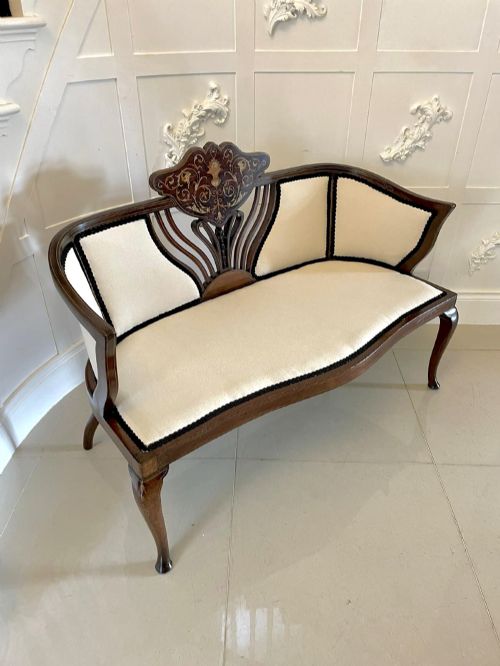
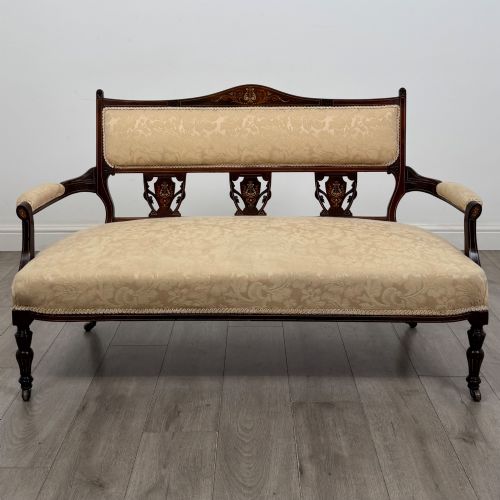
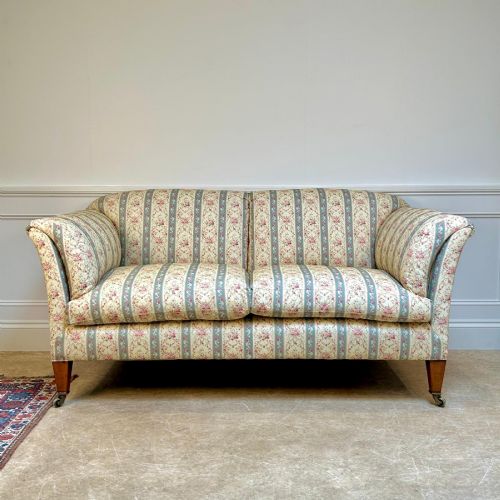
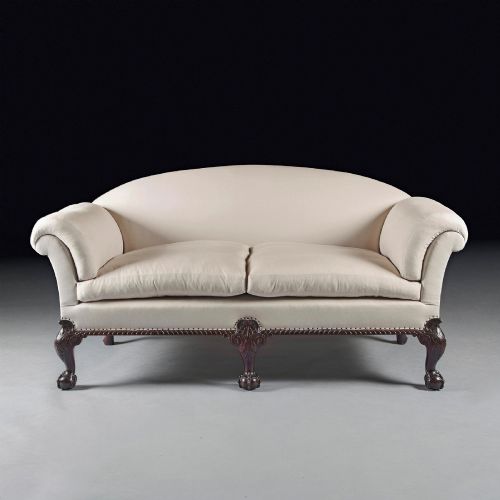
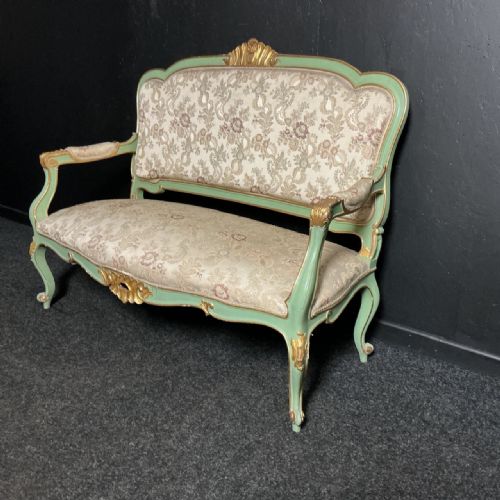
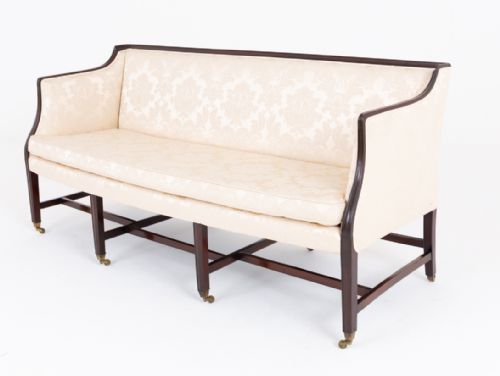
When you search for antique cream settees, you encounter a variety of seating forms spanning the eighteenth, nineteenth, and early twentieth centuries. These encompass Chesterfield sofas, salon sofas, banquettes, and chaise longues originating from periods such as the Victorian, Edwardian, and Art Deco eras.
The pieces often feature neutral upholstery in calico, linen, and fabric over frames of mahogany, walnut, rosewood, and painted wood. Makers and styles represented include Howard and Sons, Thonet, and Louis XV Revival, reflecting diverse craftsmanship from British workshops and French salons.
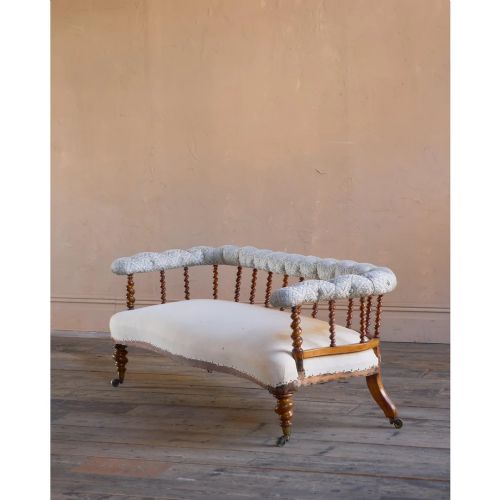
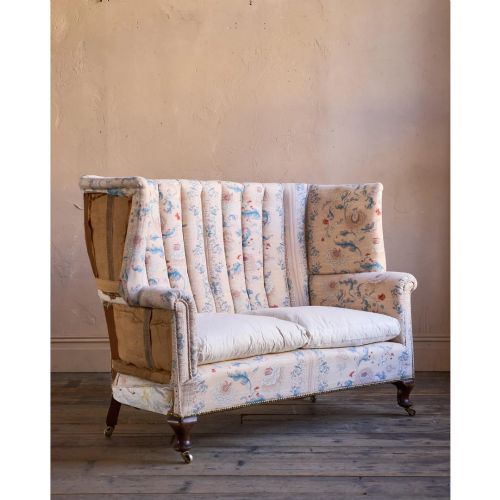
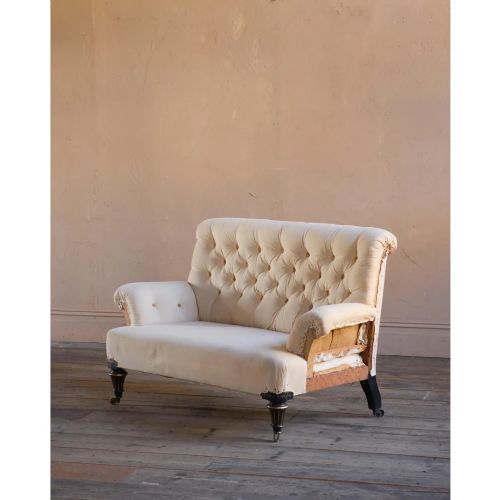
Buyers meet everything from large leather Chesterheads to spindle back salon sofas and country house seating. Many arrive ready for custom upholstery or retain period fabric in light tones.
Materials and Construction
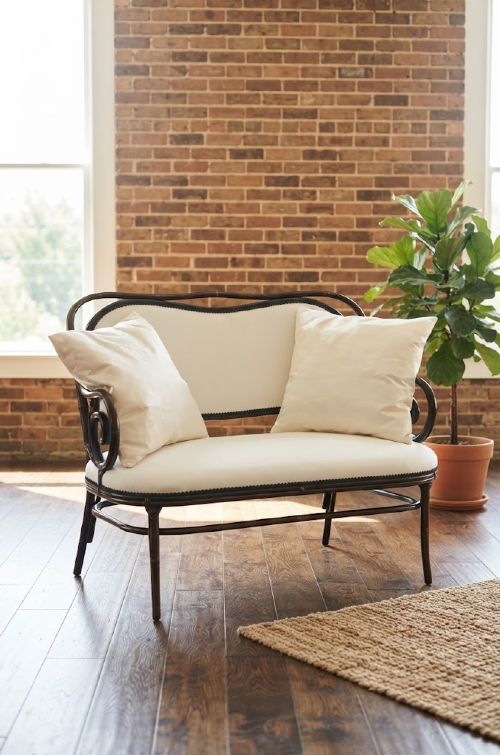
Frames rely on sturdy timbers including mahogany, walnut, satinwood, and ebonised wood, sometimes accented with ormolu mounts, brass, or parcel gilt detailing. Bentwood techniques appear in specific modernist designs.
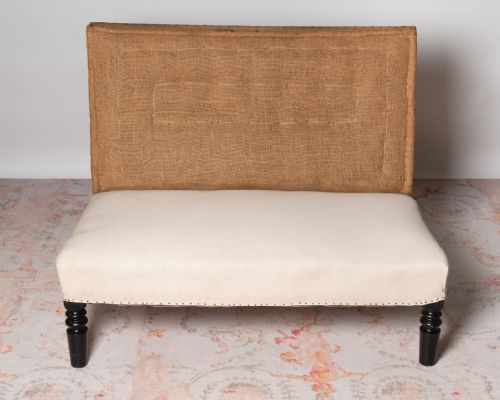
Upholstery traditionally employs calico, linen, and various fabrics stretched over internal springing, webbing, and horsehair padding. Many pieces retain or require neutral textile coverings to achieve the cream aesthetic.
Listings feature nineteenth-century and early twentieth-century periods, spanning Victorian, Edwardian, and Art Deco styles in wood, fabric, and brass.
Assessing Quality
Quality rests in the integrity of the timber frame, the crispness of carved walnut or inlaid mahogany, and the structural soundness of the joinery. Maker attributions, such as pieces by Howard and Sons or Epstein, elevate the standing of a sofa.
The refinement of the silhouette, from Hepplewhite manner camel backs to serpentine shapes and Louis XV curves, dictates the visual success of the piece. Original mounts, gilding, and untouched patination distinguish superior examples from standard workshop output.
Howard and Sons·C. Hindley and Sons·Jackson and Graham·Harry and Lou Epstein·Butlers of Dublin
The Antique Cream Settees Glossary
- Chesterfield
- A large upholstered sofa with rolled arms of the same height as the back, traditionally featuring deep button tufting. These pieces offer substantial seating and historical presence.
- Chaise Longue
- An elongated upholstered chair designed for reclining, popular in nineteenth-century drawing rooms and boudoirs. It combines the functions of a chair and a daybed.
- Bentwood
- A technique of steaming and bending solid wood, notably utilised by Thonet to create curved structural frames without traditional joinery. This method produced durable yet lightweight furniture.
- Ormolu
- Gilded bronze mounts applied to furniture for decorative effect, frequently seen on French Empire and revival pieces. It adds metallic contrast to wood surfaces.
- Inlay
- The technique of inserting contrasting strips of wood or other materials into depressions in the base wood to create decorative patterns. Common in Victorian and Edwardian cabinetwork.
Antique Cream Settees: Frequently Asked Questions
What is a settee?
A settee is a medium-sized upholstered seat with a back and arms, designed to accommodate more than one person. It sits between an armchair and a full-length sofa in scale.
Historically placed in parlours, drawing rooms, and bedrooms, these seats offer formal yet comfortable seating. Their compact proportions make them versatile for modern living spaces.
How do I choose upholstery?
Selecting upholstery depends on whether the piece retains historic fabric or requires new material like calico and linen. Many period frames suit neutral cream tones that complement traditional and contemporary interiors.
Consider the original style of the sofa, whether Victorian Chesterfield or French salon piece, when picking a textile weight. Durable fabrics ensure daily use without compromising historical integrity.
How do I date a settee?
Dating relies on examining the timber species, decorative styles like Aesthetic Movement or Art Deco, and construction methods. Labels, stamps, or maker attributions provide definitive chronological markers.
Stylistic cues such as cabriole legs, buttoning, or spindle backs align pieces with specific periods like the Victorian or Edwardian eras. Comparing joinery techniques further clarifies the decade of manufacture.
Where should I place a settee?
These settees fit well in living rooms, hallways, and large bedrooms as statement seating. Their historical character anchors a room's decorative scheme.
Shorter settees and chaise longues work effectively in bay windows or reading corners. Larger Chesterfields anchor central seating arrangements opposite fireplaces.