


Antique Cream Bowl
When seeking an antique cream bowl, you find practical dairy vessels and refined porcelain tureens shaped by centuries of domestic use.
Antique Cream Bowl
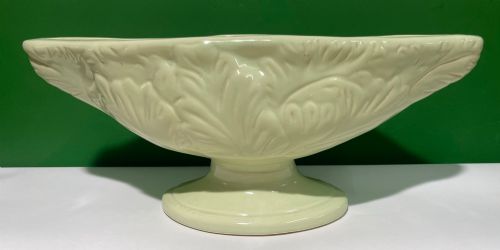
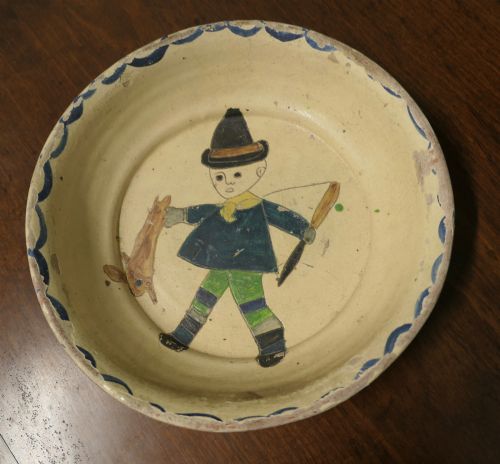
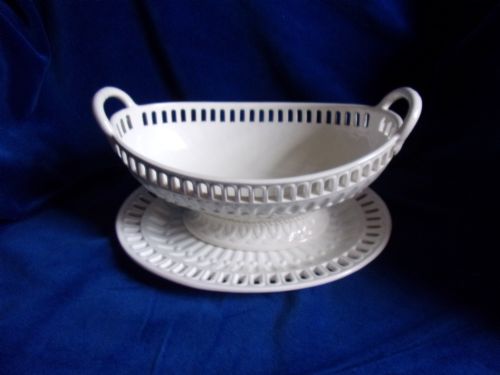
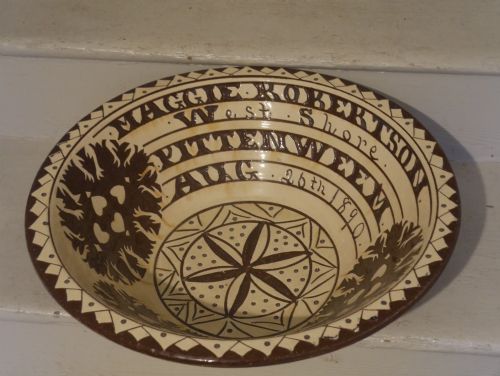
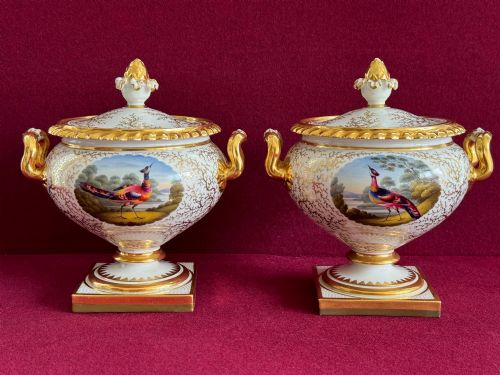
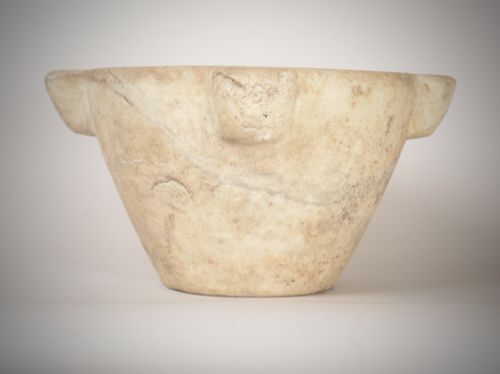
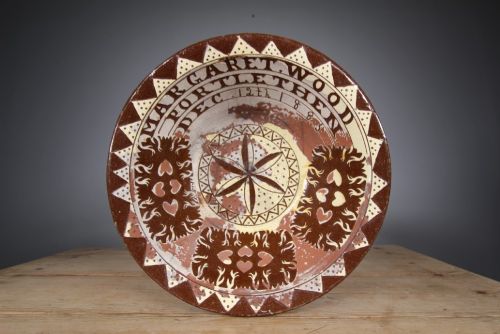
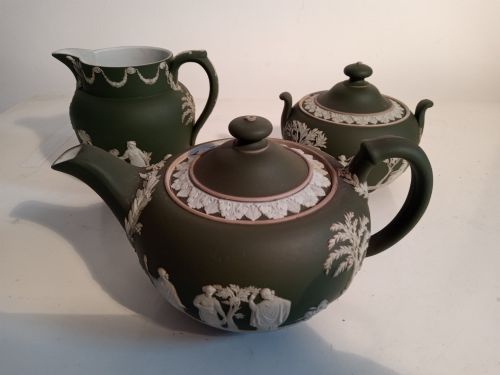
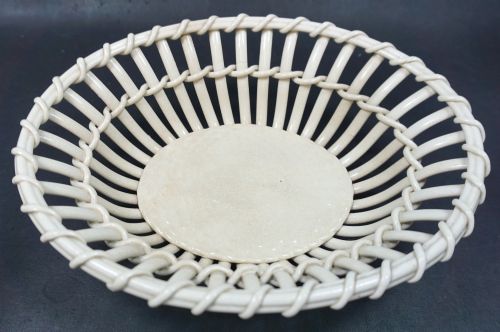
An antique cream bowl encompasses utilitarian earthenware dairy vessels alongside delicate porcelain cream tureens designed for the table. The selections span from large terracotta and slipware dairy bowls to Regency porcelain tureens and creamware baskets.
The material origins shift from working farm environments using terracotta and slipware to formal dining rooms employing creamware, porcelain, and silver plate. These domestic items trace a path from agricultural utility to the refined tea and dessert services of the eighteenth and nineteenth centuries.
Materials and methods
Potters shaped earthenware and terracotta on the wheel or in moulds, often adding a glazed interior surface to contain dairy liquids and prevent absorption. Slipware techniques added decorative surface lines using liquid clay before firing in traditional kilns.
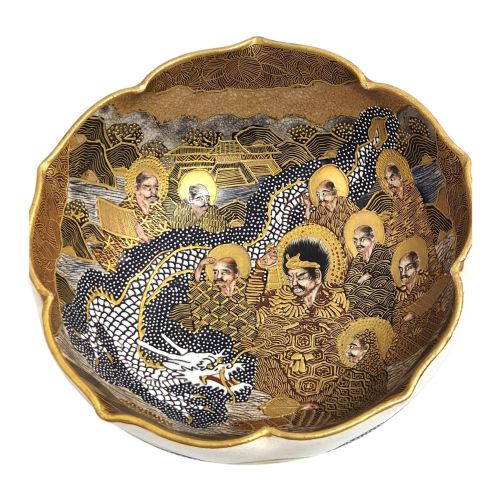
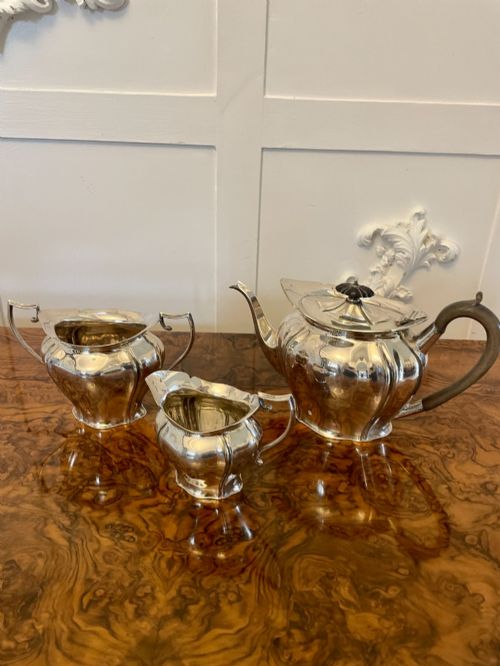
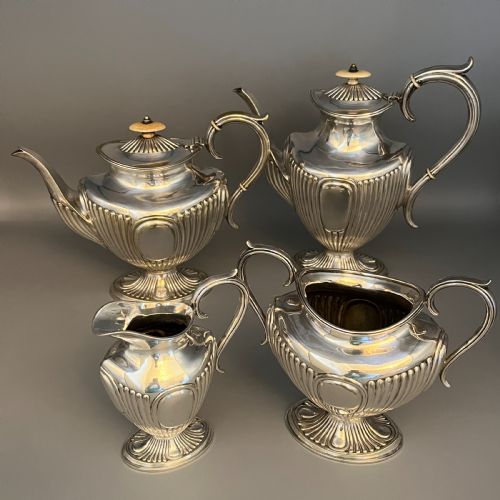
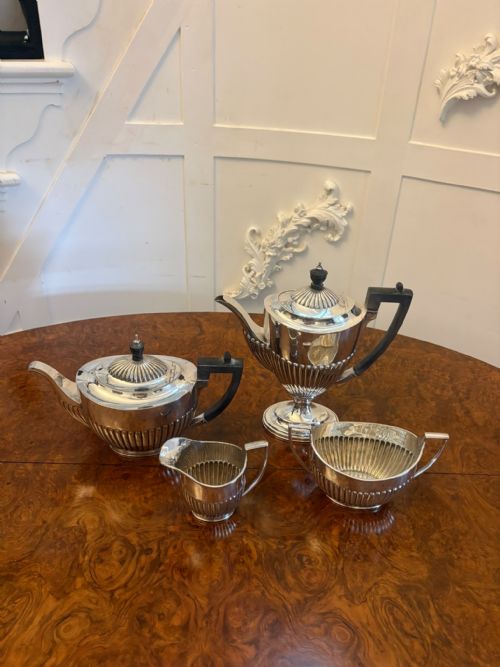
Porcelain tureens and creamware vessels required finer pastes fired at higher temperatures, sometimes finished with hand-painted enamel or gold leaf details. Silver plated and Sheffield plated pieces involved fusing thin layers of silver to base metal foundations, shaped into intricate sugar and cream sets.
Antique Cream Bowl Retail Price Guide 2026
Typical asking prices for cream bowl among the pieces listed under this phrase on Sellingantiques today, from the lower quarter to the upper quarter. They describe what is for sale here now, not the wider market.
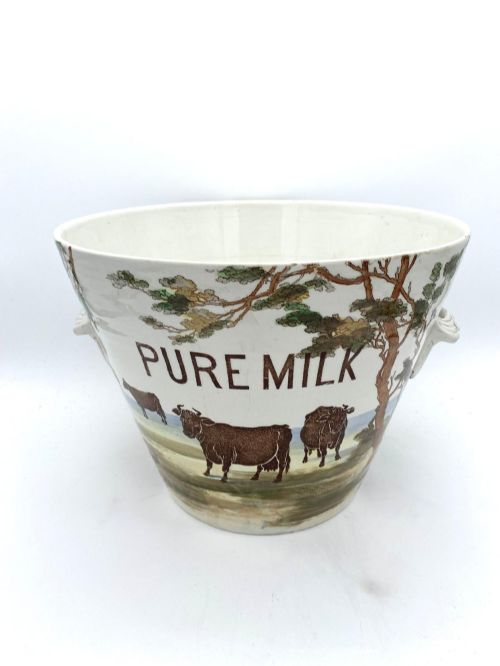
One listed Victorian milk pail comes decorated specifically with hand-painted cows, reminding us that nineteenth-century dairy vessels liked to honour their hardest workers.
Judging quality and execution
Quality rests in the crispness of the moulding, the evenness of the glaze, and the precision of hand-painted or pierced decoration. Finer ceramic pieces display thin, controlled potting walls and stable foot rings, whereas utilitarian dairy bowls show heavier, robust earthen walls designed for daily farm work.
Silver plated sets distinguish themselves through the integrity of the underlying plating and the depth of chased ornamentation, such as grapevine detailing or cast handles. Maker marks and signatures from established potteries or studios add historical weight to the physical execution.
WedgeWood·Flight Barr And Barr·Seaton Pottery·Aldridge And Green·Royal Vienna·Kozan·Mann And Co·Mintons·Shizan·Doulton Lambeth·Ryuzan·Nikko
The Antique Cream Bowl Glossary
- Creamware
- A fine earthenware developed in England during the eighteenth century, characterised by its pale yellowish-cream glaze. It replaced heavier salt-glazed stonewares for dining and dairy uses.
- Slipware
- Pottery decorated with a liquid clay slip applied before firing, creating contrasting patterns under a clear glaze. This technique appears on utilitarian country wares and historical earthenware.
- Silver Plate
- A manufacturing method where a thin layer of silver is bonded to a base metal, commonly copper or Britannia metal. It provided the visual appearance of solid silver for tea and cream sets.
- Tureen
- A deep, covered vessel used for serving food, including cream or sauces at the table. Porcelain versions often include matching ceramic stands to protect table surfaces.
Antique Cream Bowl: Frequently Asked Questions
What is an antique cream bowl used for?
These vessels served various functions ranging from setting cream on nineteenth-century dairy farms to serving sauces or cream during formal Regency and Victorian meals.
Heavier earthenware pieces held milk during the skimming process, while porcelain cream tureens and silver-plated bowls sat on dining tables as part of broader tea and dessert services.
How do I distinguish earthenware dairy bowls from table porcelain?
Dairy bowls are typically constructed from heavy terracotta, slipware, or stoneware with simple glazed interiors designed for practical farm work.
Table cream tureens utilise refined creamware, porcelain, or silver plate, featuring delicate handles, painted motifs, and matching stands meant for display and dining.
Can I use these antique bowls for food service?
Many ceramic and silver-plated pieces remain structurally sound for serving dry foods or modern dining use, though older earthenwares may be porous.
Historical pieces with extensive enamel work, gold leaf, or historic glaze cracks are best reserved for display to preserve their condition.
How do I care for antique ceramic and silver-plated bowls?
Wash ceramic pieces by hand in warm water using mild soap, avoiding harsh modern dishwashers that can damage aged glazes and enamels.
Silver-plated items require occasional gentle polishing with appropriate silver care products to maintain the metal finish without wearing through the plating.