





Antique Cranberry Glass Silver
When seeking antique cranberry glass silver, you uncover a striking union of rich pink-red blown vessels and polished silver mounts that defined late nineteenth and early twentieth-century dining and dressing tables.
Antique Cranberry Glass Silver
The phrase antique cranberry glass silver brings together vibrant coloured glassware paired with sterling silver or silver plate. These items span the Victorian, Edwardian and early twentieth-century periods, capturing an era of elaborate tables and dressing rooms.
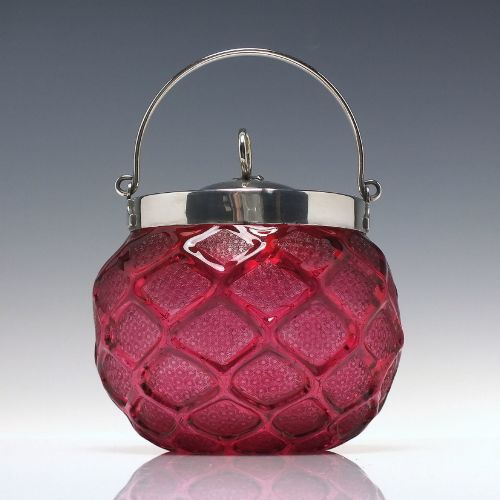
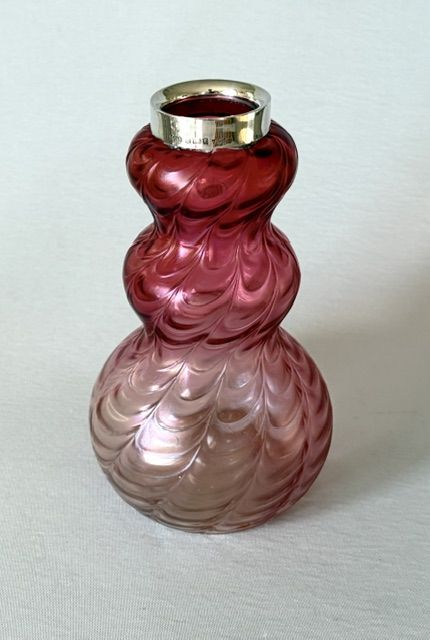
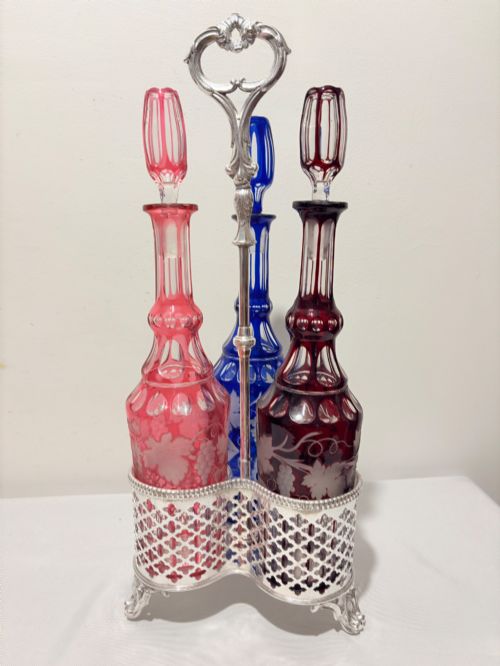
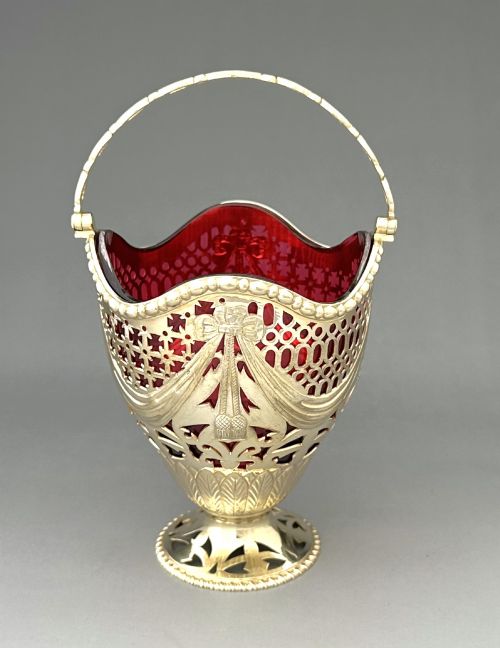
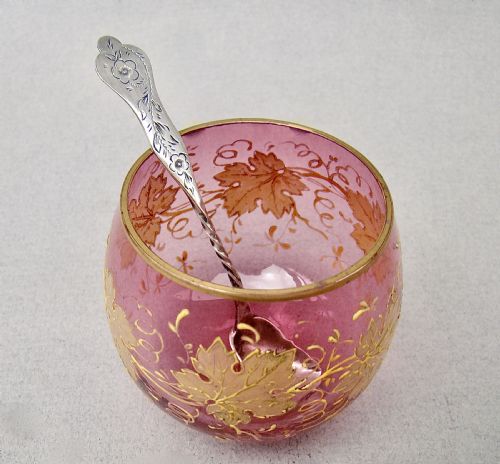
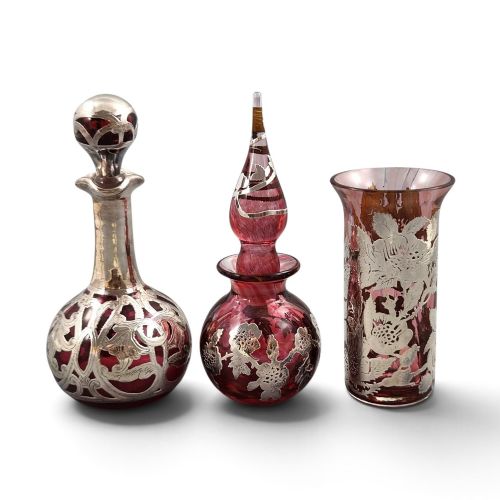
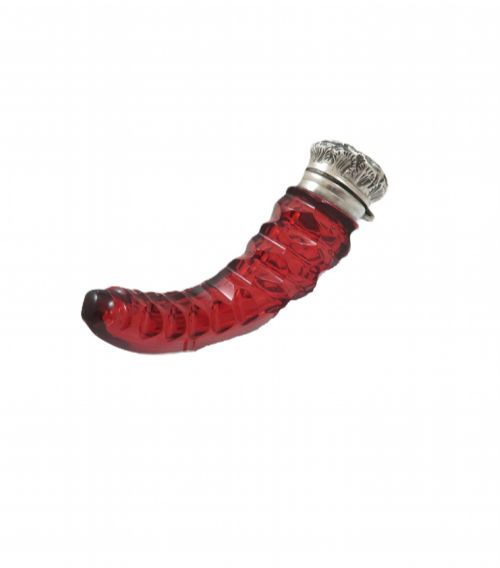
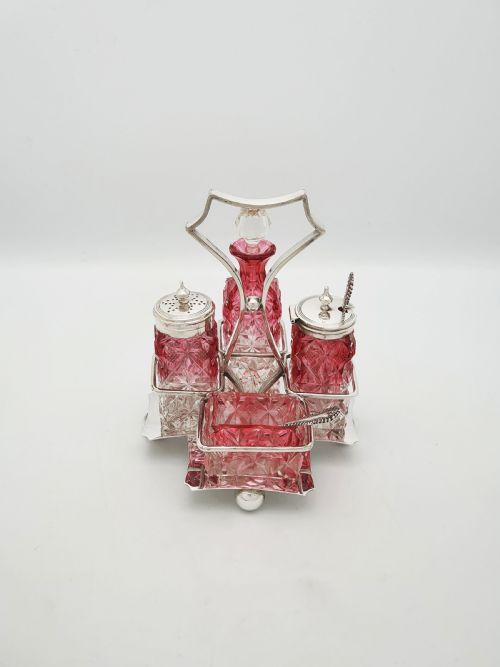
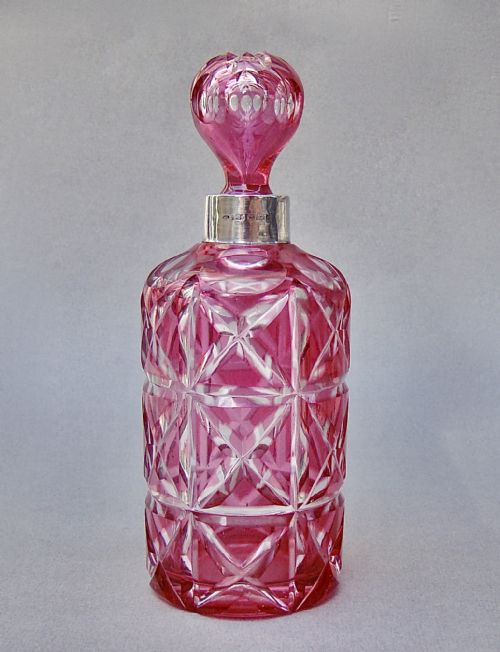
Tableware forms dominate the selection, notably sugar baskets, preserve dishes, biscuit barrels and decanters. Scent bottles and perfume vials appear frequently, often fitted with intricate silver lids or hinged mounts.
Methods of creation
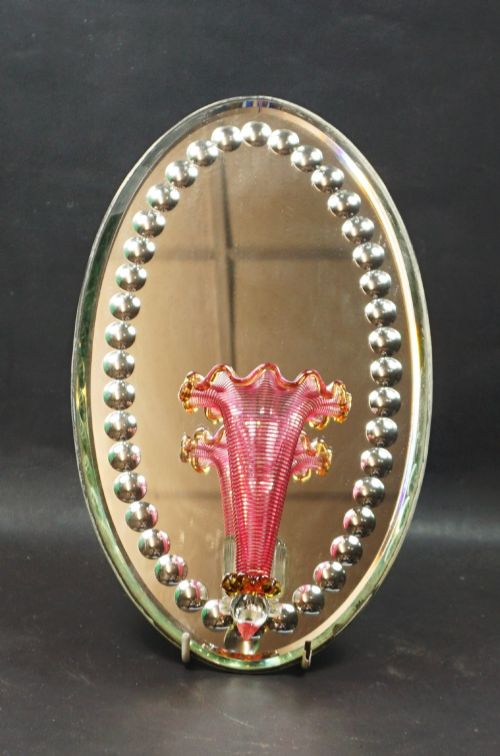
Makers produced cranberry glass by adding gold chloride to molten glass, which yielded its characteristic deep pink or red tone upon reheating. Artisans then blew the glass freehand or into moulds to shape bowls, bottles and jugs.
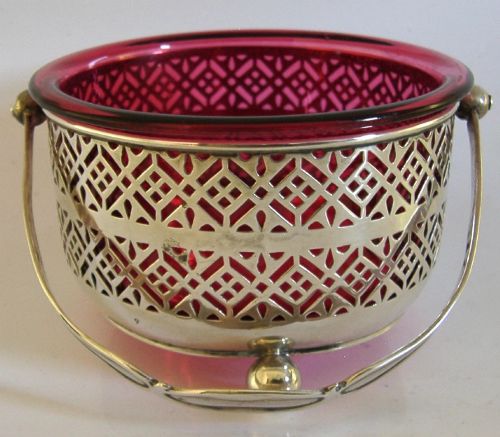
Silversmiths and electroplaters constructed mounts, frames and lids to fit these glass bodies precisely. Piercing, chasing and silver-gilt techniques adorned the metal components, whilst hinged mechanisms secured the lids on scent bottles and biscuit barrels.
Antique Cranberry Glass Silver Retail Price Guide 2026
Typical asking prices for cranberry glass silver among the pieces listed under this phrase on Sellingantiques today, from the lower quarter to the upper quarter. They describe what is for sale here now, not the wider market.
Listings show items dated from 1860 through the Edwardian period, combining cranberry glass with sterling silver, silver plate and ruby glass.
Distinctions in craftsmanship
Quality rests upon the depth and evenness of the glass colour combined with the weight and working of the metal. Heavier sterling silver mounts and intricate hand-pierced silver-plated frames elevate the standard of a piece above simpler designs.
The precision of glass cutting, the presence of overlay or flash layers, and the integration between glass liner and metal mount define the superior examples. Maker marks on silver components provide further distinction for collectors.
Harold Bushell and Co·Deykin and Harrison·Gorham·WMF·Moser
The Antique Cranberry Glass Silver Glossary
- Cranberry glass
- A transparent pink-red glass coloured with gold oxide during the melting process. It served widely for Victorian and Edwardian tableware and decorative items.
- Silver plate
- A base metal, often copper or Britannia metal, coated with a thin layer of silver. This technique offered the appearance of solid silver at a lower cost for larger items like biscuit barrels and stands.
- Sterling silver
- An alloy consisting of 92.5 percent silver and 7.5 percent other metals, usually copper. British pieces feature hallmarks indicating the assay office, standard and year of testing.
- Flash glass
- A technique where a thin layer of coloured glass is fused over a colourless glass body before cutting. The cutter cuts through the red layer to reveal clear glass beneath.
- Silver gilt
- Sterling silver or silver plate coated with a thin layer of gold on the surface. This finish provided a rich, warm tone often seen on interior basket liners and salt cellars.
Antique Cranberry Glass Silver: Frequently Asked Questions
How do I clean silver mounts on cranberry glass?
Use a soft cloth and a dedicated silver polish, taking care to keep moisture away from any glued or fitted joints between the glass and metal.
Remove glass liners entirely where possible before cleaning the surrounding silver plate or sterling silver frame.
Were these pieces used daily or for special occasions?
Victorian and Edwardian households utilised these items predominantly for formal dining, afternoon tea and dressing table routines. Biscuit barrels, sugar baskets and decanters appeared when entertaining guests.
Smaller scent bottles and trinket boxes remained personal accessories kept on dressing tables or carried in evening bags.
How can I tell Victorian pieces from Edwardian ones?
Victorian examples often feature heavier, ornate ornamentation with deep ruby tones and elaborate silver-plated stands dating from the 1870s to the 1890s. Edwardian pieces, made around 1900 to 1910, frequently display lighter pierced sterling silver mounts and brighter cranberry shades.
Checking silver date letters on British hallmarks provides the exact year of manufacture.
Can I use antique cranberry glass for serving food?
Most preserve dishes, sugar baskets and biscuit barrels function safely for dry goods or preserves, provided the glass is undamaged. Hand washing in lukewarm water preserves the antique glass and silver.
Avoid dishwashers and sudden temperature changes to protect the gold-infused glass.