



Antique Craftsman Chair
An antique craftsman chair brings honest construction and simple form into a room, offering sturdy seating rooted in the Arts and Crafts movement.
Antique Craftsman Chair
When you search for an antique craftsman chair, you are looking at seating shaped by the design reforms of the late nineteenth and early twentieth centuries. These pieces reflect a rejection of factory mass production in favour of visible construction, plain surfaces, and functional utility.
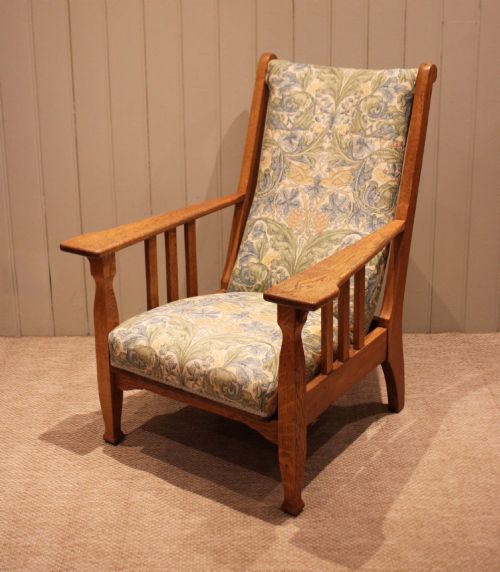
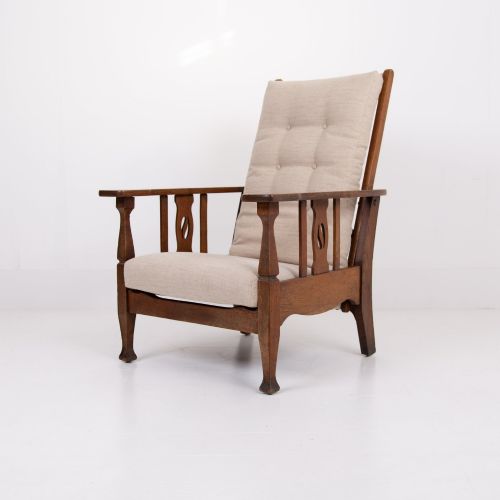
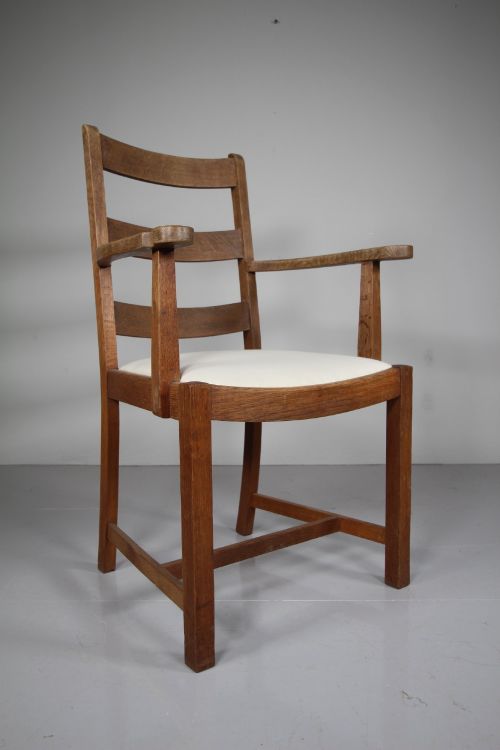
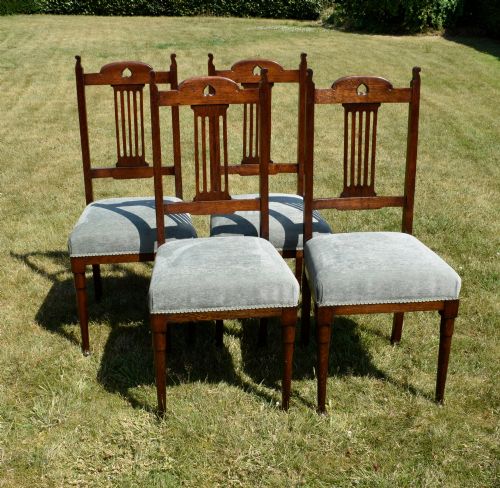
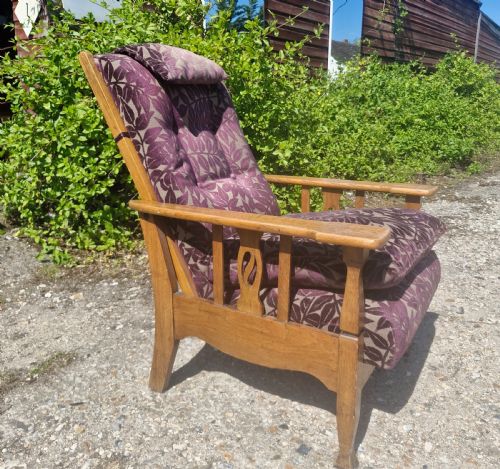
On this page, you are most likely to meet oak armchairs and side chairs hailing from the Edwardian period and the decades around nineteen hundred. These examples often incorporate ladder backs, rush seats, or reclining mechanisms designed for everyday comfort.
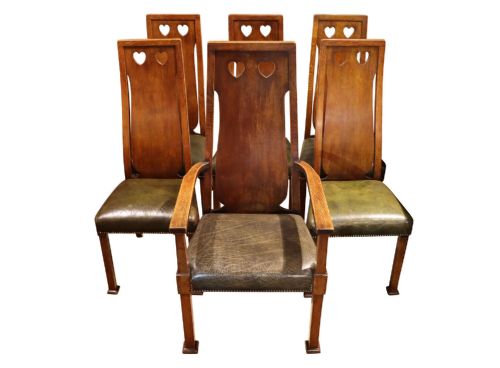
The forms range from simple dining chairs sold in sets of four or six to individual low armchairs and reclining seats. They trace their origins directly to the Arts and Crafts aesthetic that prioritised traditional craftsmanship over excessive ornamentation.
Materials and construction methods
The makers of these chairs relied heavily on solid oak and walnut, selecting timber for its strong grain and natural warmth. Frames were built to last, often featuring pegged joints and exposed construction that celebrated the physical nature of the wood.
Seating areas frequently employed woven rush or upholstered pads in plain fabrics such as linen. Metal elements, including pewter inlay, occasionally appeared as subtle decorative accents on the structural wooden framework.
Antique Craftsman Chair Retail Price Guide 2026
Typical asking prices for craftsman chair among the pieces listed under this phrase on Sellingantiques today, from the lower quarter to the upper quarter. They describe what is for sale here now, not the wider market.
Listings feature solid oak, walnut, rush, linen, and pewter inlay across Edwardian armchairs, side chairs, dining chairs, and stools.
Markers of quality
Quality in these pieces rests in the integrity of the joinery and the selection of the timber. A finer chair demonstrates careful attention to the grain of the solid oak or walnut, ensuring the structural frame balances strength with proportion.
Design nuance also separates the standard production from the exceptional workshop piece. Thoughtful details such as finely turned spindles, integrated reclining ratchets, or specialist pewter inlays elevate a chair beyond basic utility.
Liberty & Co·Goodyers of London·Shapland & Petter·Morris & Co·Philip Webb
The Antique Craftsman Chair Glossary
- Arts and Crafts
- A design movement spanning the late nineteenth and early twentieth centuries that emphasised handcrafting and simple, honest forms. It turned away from industrial excess to highlight the natural qualities of materials.
- Ladder back
- A chair back featuring horizontal slats arranged like the rungs of a ladder. This traditional form provides sturdy support and appears frequently in vernacular seating.
- Rush seat
- A seating surface woven from dried marsh rushes tightly wound around a wooden frame. It creates a durable, textured surface common in traditional chair design.
- Reclining armchair
- An adjustable seat engineered to tilt backward for ease. These chairs often utilise mechanical ratchets or pivoted frames hidden within the wooden arms.
Antique Craftsman Chair: Frequently Asked Questions
How do I care for a rush seat?
Rush seats require a dry environment and gentle cleaning to prevent the natural fibres from becoming brittle or damp. Dust them regularly with a soft brush and avoid excessive moisture.
Keeping the chair away from direct heat sources helps preserve the flexibility of the woven marsh grass over time.
Were these chairs used for dining?
Many of these chairs were designed specifically as dining furniture, often appearing in matching sets of four or six. Their sturdy wooden frames and upright backs provided practical seating around the table.
Alongside dining sets, the wider category includes low armchairs and reclining seats meant for sitting rooms and studies.
How do I date an oak armchair?
Dating an oak armchair involves looking at the construction techniques, hardware, and stylistic markers typical of the period around nineteen hundred. Edwardian examples often combine traditional joinery with specific movement influences.
Maker marks, where present, help pinpoint the workshop and narrow down the date of production within the broader arts and crafts era.