
Antique Country Folk Art
Antique country folk art gathers the unpretentious work of local makers, from milking stools to hand-painted decoy ducks.
Antique Country Folk Art
Antique country folk art encompasses utilitarian objects and domestic furnishings made for everyday use by provincial craftsmen rather than metropolitan studios. When searching this phrase, buyers encounter practical forms designed for rural life, spanning seating, storage, and household vessels. The selection draws heavily on domestic equipment from various European and British regions.
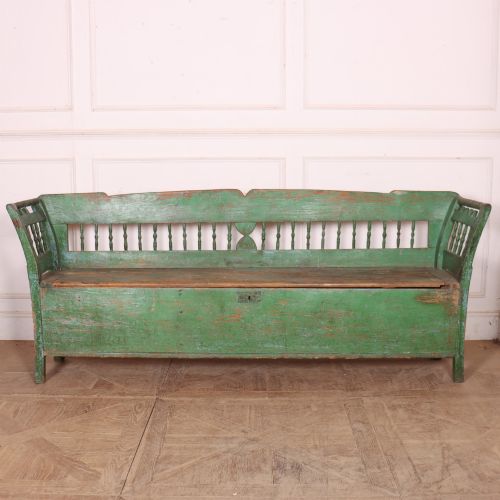
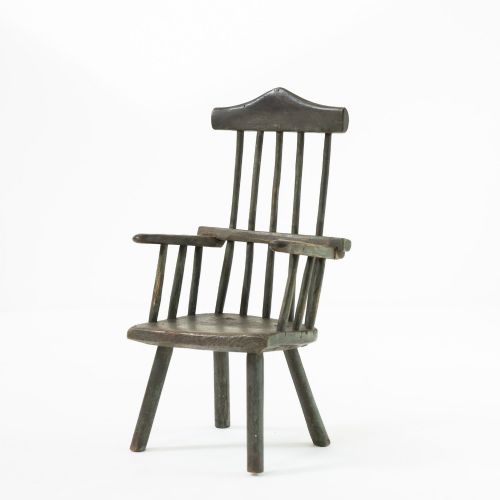
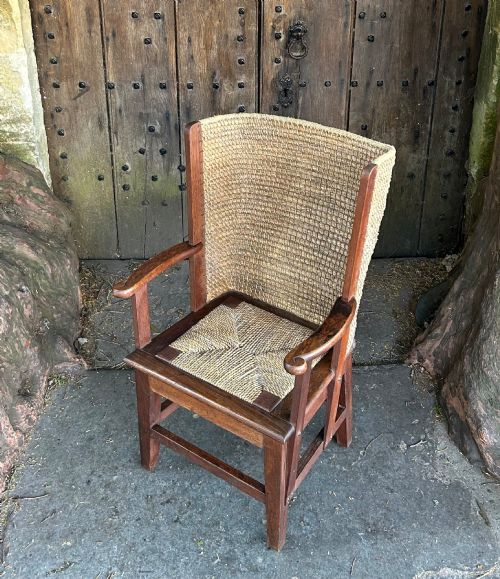
The most common forms on this page include sturdy seating such as milking stools, stick-back armchairs, and rocking chairs, alongside functional storage like chests of drawers and marriage chests. Dining tables, benches, and settle seats appear alongside decorative bowls and earthenware pottery. These objects reflect the straightforward utility demanded by 18th-century, Georgian, Victorian, and Edwardian households.
Materials and technique
Makers utilised readily available local woods such as pine, oak, fruitwood, and sycamore, shaping them with basic hand tools to construct solid frames and functional surfaces. Structural joinery prioritised utility over refinement, often employing pegged joints and simple turned elements suited to provincial workshops. Iron components provided necessary reinforcement for working items like farrier equipment.
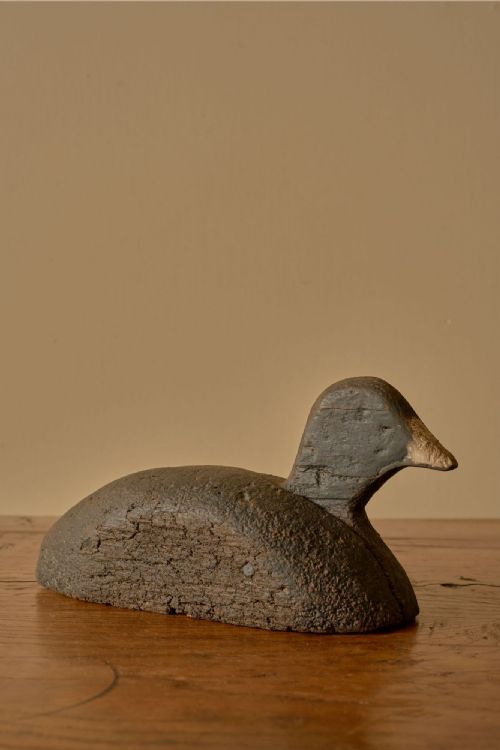
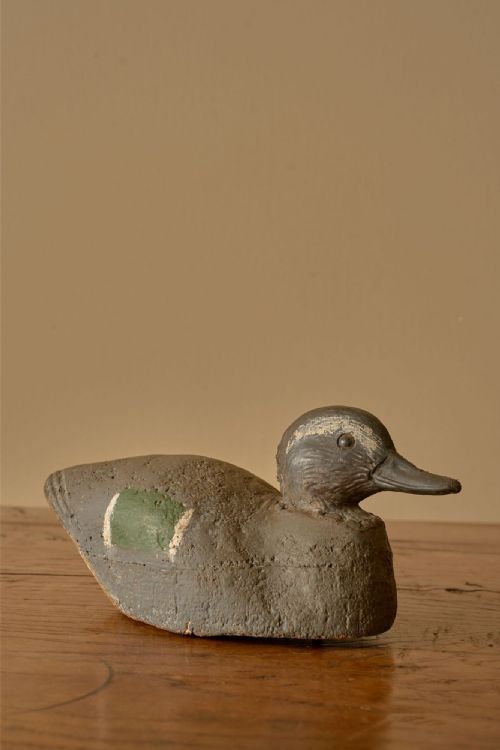
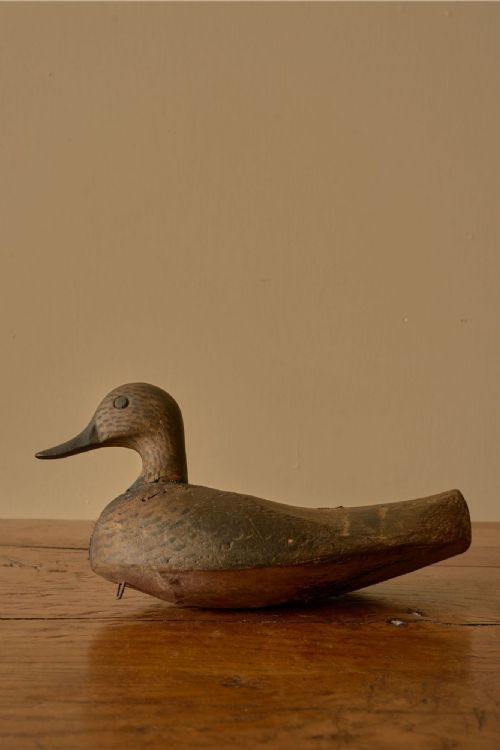
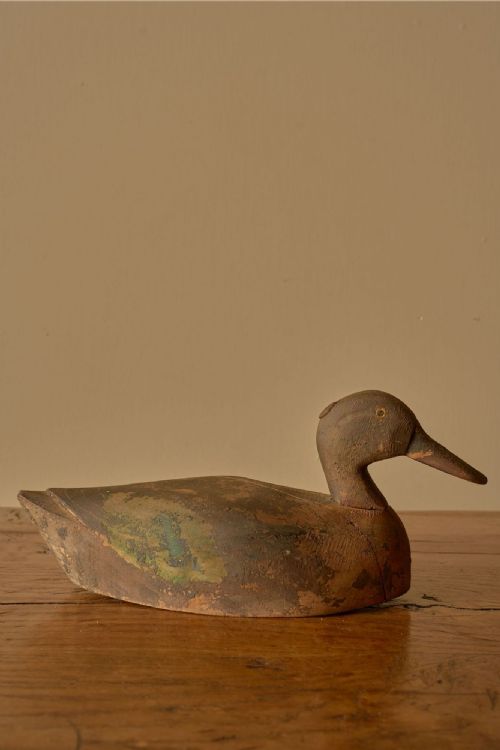
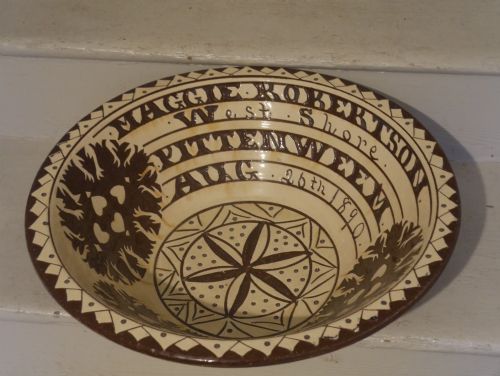
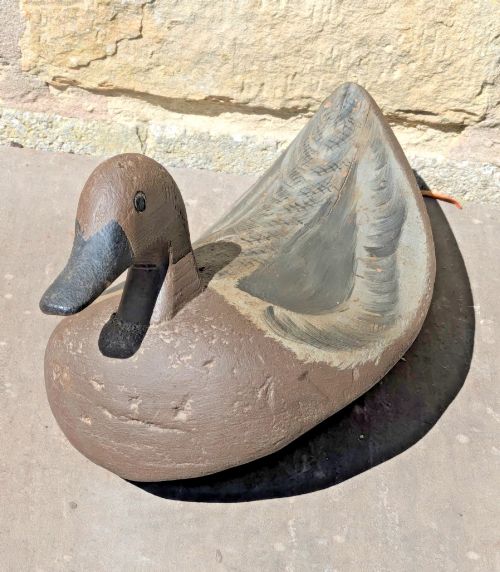
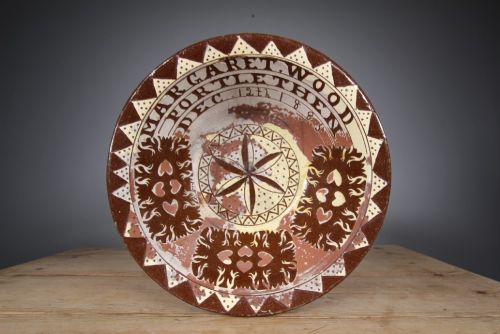
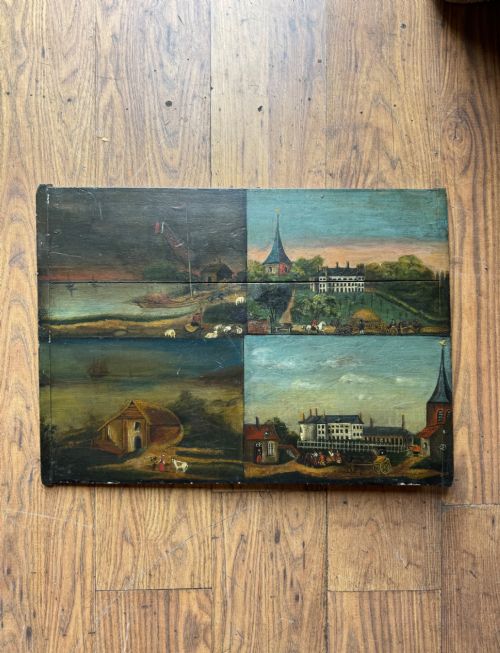
Surface decoration frequently involved layers of original paint, ranging from vibrant ochre, yellow, and green pigments to blue finishes and naive oil paintings. Earthenware pieces utilised traditional glazing techniques, seen in slipware bowls and pottery cow creamers originating from regional potteries. Hand-painted details on wooden decoys and dairy bowls completed the vernacular aesthetic.
A farrier's anvil sits permanently mounted on a solid fruitwood trunk, ready for equine work that finished centuries ago.
What varies in quality
The distinction between ordinary utility items and superior examples often rests upon the preservation of original surface paint and the integrity of the handmade form. Pieces retaining their early or original pigment layers carry greater visual impact than those stripped to bare timber. The strength of the naive design and the directness of the craftsmanship dictate the piece's character.
Proportion and execution distinguish regional vernacular work, with certain seating and dairy bowls demonstrating particularly pleasing balance and spontaneous brushwork. The harmony between the material used and the practical purpose shapes the overall success of the object. Surviving documentation, such as legible dates or specific regional pottery attributions, adds historical weight.
Seaton Pottery·Verwood Pottery
The Antique Country Folk Art Glossary
- Folk art
- Utilitarian and decorative objects created by self-taught or provincial makers outside academic traditions. These items rely on local materials and traditional methods.
- Slipware
- Earthenware pottery decorated with a liquid clay mixture applied before firing. This technique creates linear patterns and contrasting surface designs.
- Tramp art
- Decorative items fashioned from scrap wood, such as discarded cigar boxes, using chip-carving techniques with pocket knives. It represents a resourceful form of folk handicraft.
- Milking stool
- A small, sturdy seat featuring three or occasionally one leg, designed for stable placement on uneven agricultural floors. These utilitarian objects form a staple of rustic interiors.
- Decoy
- A carved and painted wooden bird utilised by hunters to attract waterfowl. They showcase practical folk sculpture with expressive painted surfaces.
Antique Country Folk Art: Frequently Asked Questions
What defines country folk art?
Country folk art consists of utilitarian household and agricultural items made by provincial craftspeople rather than professional urban designers. These pieces prioritize function over academic convention, utilising local timber, earthenware, and iron.
The aesthetic relies on direct construction methods and naive decoration, resulting in honest items meant for daily rural life.
How were milking stools used?
Milking stools provided a low, stable seat for agricultural workers during daily milking routines in barns and pastures. Their distinct three-legged or single-legged configurations ensured balance on uneven earthen floors.
Over time, these sturdy portable seats transitioned into domestic interiors as convenient low seating or plant stands.
How do you date primitive furniture?
Dating primitive furniture involves examining tool marks, construction methods, and the types of timber and fixings employed by the maker. Hand-sawn boards, forged iron nails, and pegged joinery point towards earlier periods.
Original paint layers and surface wear also provide clues to an object's age and subsequent history within rural settings.