





Antique Counter Unit
These antique counter unit examples are practical shop fittings and display cabinets designed for trade, offering robust storage and period character for modern interiors.
Antique Counter Unit
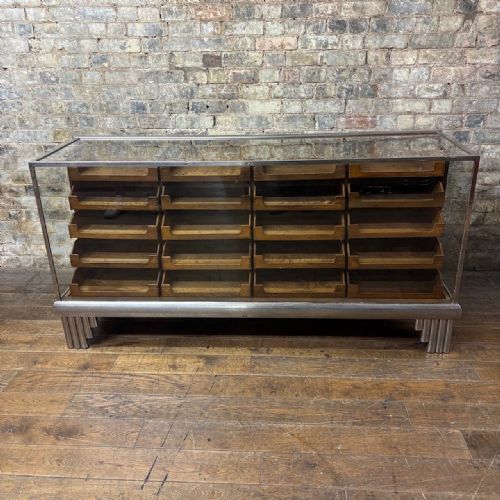
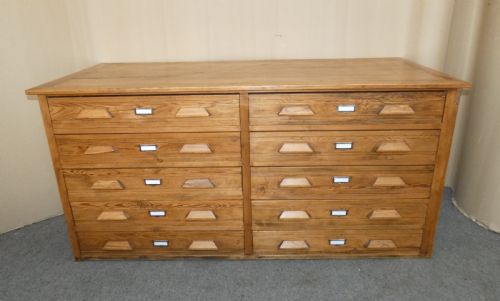
An antique counter unit comprises practical commercial furniture built for retail and trade, ranging from multi-drawer haberdashery cabinets to glass display counters and painted shop fittings.
The versions most commonly found here stem from the Victorian and Edwardian eras through to the 1920s and 1930s, reflecting the functional needs of historic shops and businesses.
Forms vary from banks of drawers and seed chests to large bar fittings and drapers counters, originating from English, French, and Hungarian workshops.
How they were made
Cabinet makers utilised durable hardwoods such as oak, mahogany, and walnut alongside pine for structural carcases, often integrating glass panels for visibility.
Metal fittings in brass, iron, and chrome provided functional strength for handles, frames, and display hardware on commercial counters.
Antique Counter Unit Retail Price Guide 2026
Typical asking prices for counter unit among the pieces listed under this phrase on Sellingantiques today, from the lower quarter to the upper quarter. They describe what is for sale here now, not the wider market.
Listings feature commercial furniture from the Victorian period through to the 1930s, constructed in oak, mahogany, pine, and brass.
What varies in quality
Quality rests in the original integrity of the timber, the complexity of the drawer arrangements, and whether painted finishes remain in their authentic state.
Maker attribution and specialised commercial hardware, such as brass framing or chrome detailing, elevate certain pieces above standard utility furniture.
Dudley & Co·Saml. Elliott & Sons·Trussant & Cie
The Antique Counter Unit Glossary
- Haberdashery cabinet
- A multi-drawer storage unit originally used in drapery shops for ribbons and small items. These feature numerous shallow drawers for organised sorting.
- Shop fitting
- Custom furniture built for commercial interiors, including counters, bars, and display units. They are constructed for heavy daily trade use.
- Seed chest
- A small compartmented cabinet designed for agricultural or retail seed storage. Collectors prize these for their compact dimensions and numerous small drawers.
- Bank of drawers
- A large assembly of multiple drawers housed in a single timber frame. They provide substantial partitioned storage space.
Antique Counter Unit: Frequently Asked Questions
Where were antique counter units used?
These units served primarily in late nineteenth and early twentieth century retail spaces, including drapers, florists, and general stores.
Merchants utilised them to display goods to customers while storing excess stock securely out of sight.
How do I care for a wooden shop counter?
Maintain the timber surfaces with traditional beeswax and avoid placing them in direct sunlight or near heat sources.
Keep humidity levels stable to prevent the wood and original painted finishes from cracking over time.
Can I use an old shop counter at home?
These units adapt well to modern domestic interiors as kitchen islands, sideboards, or hallway storage furniture.
Their deep drawers and sturdy tops offer practical functionality alongside distinct historical character.
How do I identify the period of a counter?
Examine the construction methods, handle designs, and timber types to determine the approximate decade of manufacture.
Victorian and Edwardian examples often display heavier mouldings, while 1930s pieces incorporate chrome and streamlined framing.