



Antique Counter Balance
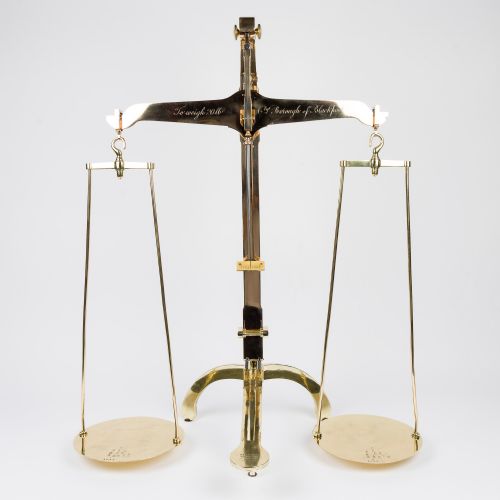
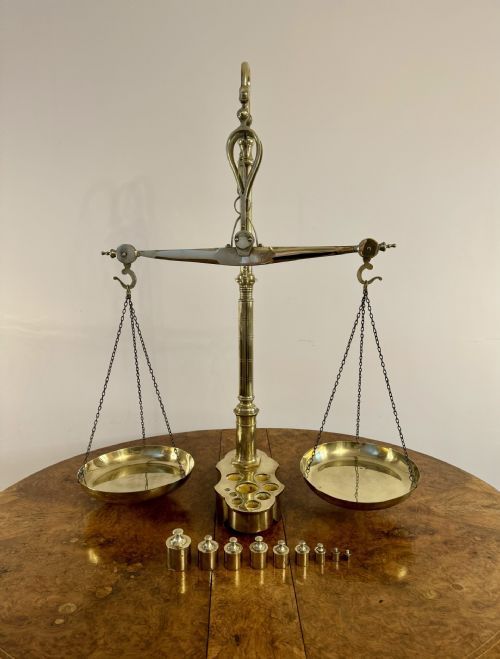
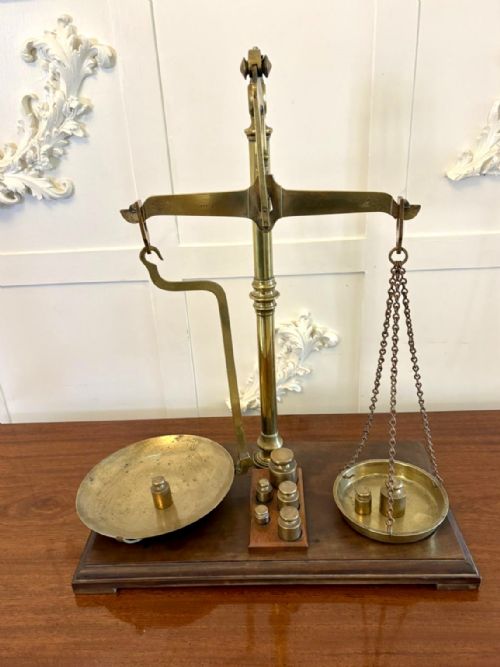
These antique counter balance scales and weights bring industrial utility into modern spaces, offering brass beams and cast iron frames from Victorian and Edwardian workshops.
Antique Counter Balance
When searching for antique counter balance, buyers encounter heavy shop scales, butcher appliances, and delicate apothecary balances from the Victorian and Edwardian periods. These utilitarian objects served grocers, chemists, and dairies during the nineteenth and early twentieth centuries, relying on precise counter weighting to measure goods.
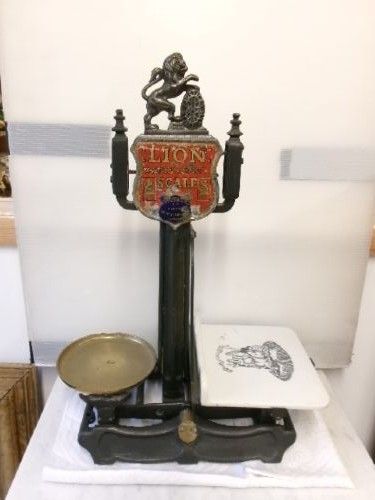
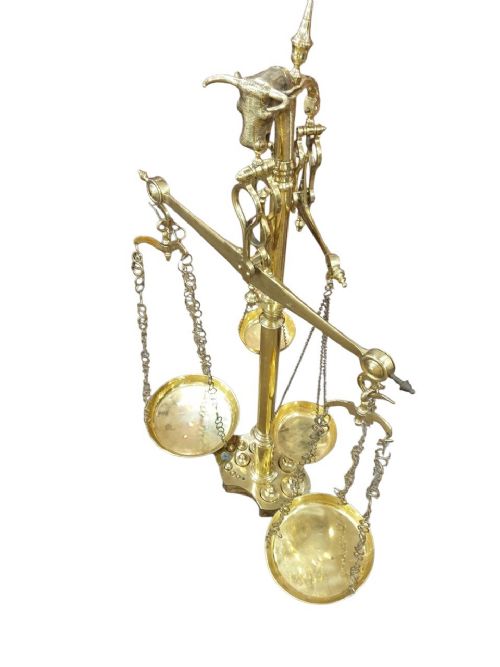
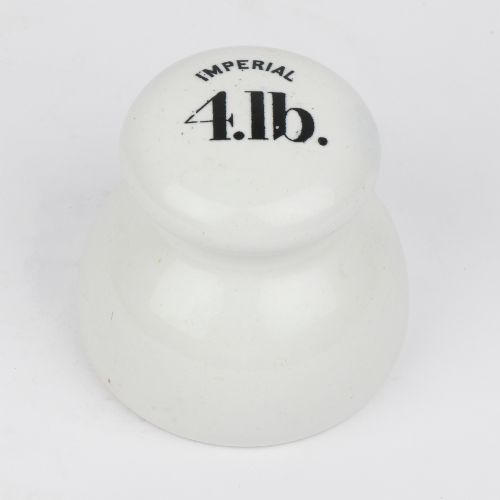
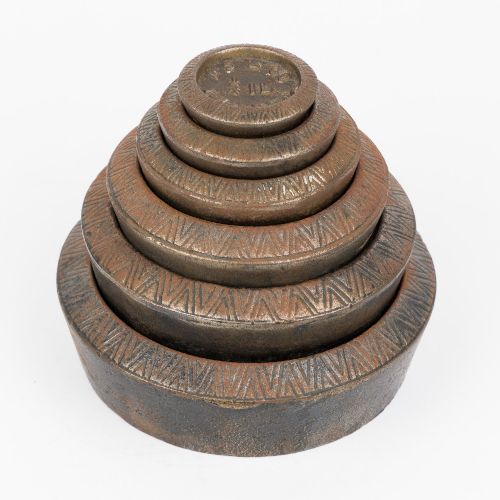
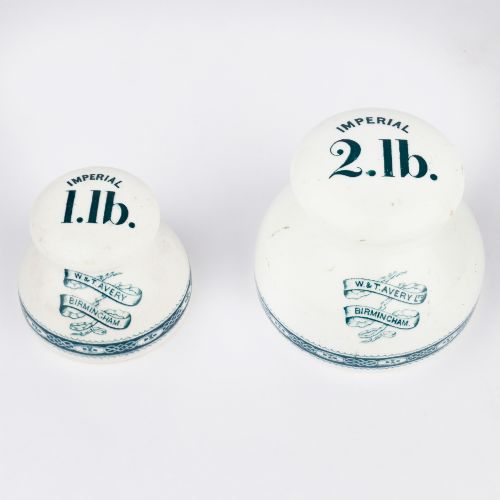
The most common versions on this page are brass beam scales and heavy iron shop counters originating from British makers and French workshops. Alongside the main balance mechanisms, listings frequently include ceramic scale pans, imperial stacking weights, and cast iron weights used in trade.
How they were made
Maker workshops combined cast iron, wrought iron, and brass to build durable weighing frames that withstood daily commercial use. Wooden elements such as mahogany bases and Welsh oak dairy boards added stability and visual warmth to the mechanical assemblies.
Finishing touches involved stamped maker details, hand-calibrated brass beams, and fitted ceramic pans designed for hygiene in food preparation. Individual weights were cast from iron or moulded in ceramic, then stamped to verify compliance with regional standards.
Antique Counter Balance Retail Price Guide 2026
Typical asking prices for counter balance among the pieces listed under this phrase on Sellingantiques today, from the lower quarter to the upper quarter. They describe what is for sale here now, not the wider market.
Listed periods cover Victorian, Edwardian, and nineteenth century production alongside earlier eighteenth century pieces.
What varies in quality
The distinction between standard commercial units and superior examples lies in the integrity of the brass beam and the clarity of maker markings. Finer pieces retain original matching weights and crisp foundry inscriptions from established firms.
Construction heft and material preservation dictate the standing of a balance within its class. Solid mahogany bases, well-preserved copper pans, and smooth pivoting action separate utilitarian workshop survivals from exceptional display pieces.
Herbert & Sons London·W & T Avery·Day & Millward·Parnall & Sons of Bristol·De Grave·Bartlett & Sons
The Antique Counter Balance Glossary
- Beam scale
- A weighing instrument consisting of a horizontal lever suspended from a central fulcrum with pans hanging from each end. This design allows precise comparison between an object and known standard weights.
- Avoirdupois
- The system of weights based on a pound of sixteen ounces used for general commerce. Items listed under this category relate to standard trade measurements of the period.
- Kitchenalia
- Domestic utensils and equipment collected for their historical utility and visual charm. In this context, it covers utilitarian weighing tools once employed in food preparation.
- Apothecary balance
- A sensitive instrument designed for measuring small quantities of medicine or ingredients. These typically feature refined brass beams mounted on wooden boxes containing dedicated weights.
Antique Counter Balance: Frequently Asked Questions
How do counter balance scales work?
These scales operate on the principle of equilibrium, where an unknown load placed on one side is measured by adding standard weights to the opposite pan until the beam rests level. The central fulcrum ensures that equal gravitational pull on balanced masses creates a horizontal indicator.
Operators adjusted the counter balance mechanism until the pointer aligned with the centre mark, guaranteeing accurate measurements for trade goods, meat, or dry ingredients.
Where were these shop scales used?
Grocers, butchers, chemists, and dairies utilised these heavy balance scales on counters across Britain and France during the nineteenth and early twentieth centuries. They sat on wooden shop furniture to weigh everything from bulk produce to fine apothecary powders.
Municipal authorities also employed specific scales for inspection and regulation, as seen in units marked for regional boroughs and official weights and measures departments.
How do I date an antique scale?
Dating relies on stylistic clues, patent dates, and stamped maker details found on the cast iron frames or brass beams. Victorian pieces often display ornate ironwork and gothic lettering, while Edwardian versions lean towards cleaner industrial lines.
Accompanying elements like ceramic scale pans and original wooden bases help narrow the period of manufacture, aligning with the operational years of makers recorded on the metalwork.
Can I use these scales for cooking?
While many mechanical balances remain structurally sound, antique scales are typically collected and displayed as decorative or historical objects rather than calibrated kitchen tools. Over decades of service, pivots and beams can wear, affecting modern precision.
Owners often style them on kitchen counters or dining sideboards alongside ceramic weights, appreciating their industrial aesthetic and tactile history without relying on them for baking measurements.