







Antique Correspondence Cabinet
An antique correspondence cabinet brings order to your desk, offering fitted compartments for stationery and letters inside polished mahogany or oak.
Antique Correspondence Cabinet
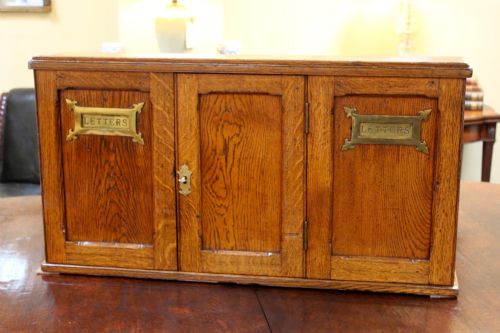
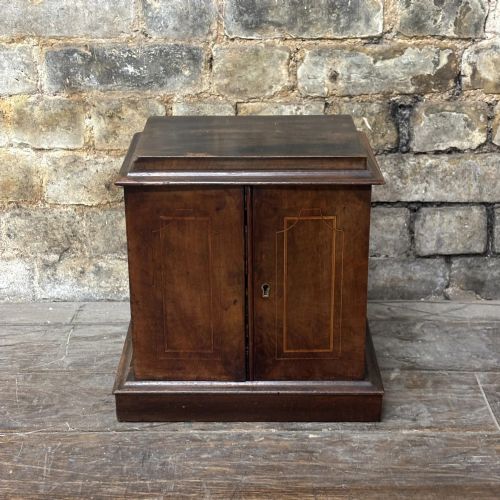
An antique correspondence cabinet is a tabletop piece designed to keep writing materials, stationery, and letters organised. You will frequently encounter these in rich mahogany, golden oak, or walnut dating from the Victorian and Edwardian eras.
The form ranges from fall-front desks and compact stationery boxes to larger chests fitted with brass mounts and leather details. Many examples reflect specific period aesthetics, including Arts and Crafts movement influences and Japanese lacquer work.
These desktop pieces serve practical writing needs while adding period character to a study or office. Most examples originate from English workshops or late nineteenth-century import channels.
Materials and construction methods
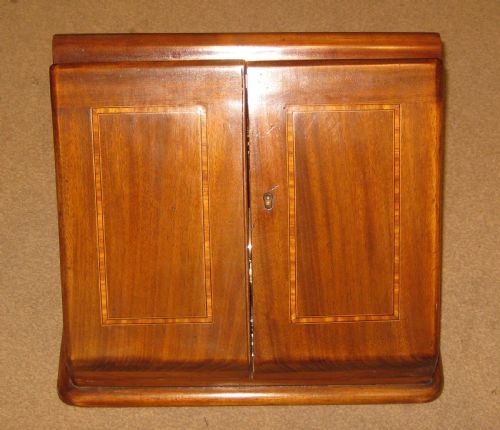
Cabinetmakers built these pieces using solid timbers like mahogany, oak, and walnut, often applying boxwood inlay or gilt brass hardware for reinforcement and decoration. Leather panels and fitted interiors demonstrate the careful joinery required to organise small compartments on a desktop.
Surface finishes include traditional polish applied to wood grains and detailed lacquer work seen on imported Japanese writing boxes from the Meiji period. Brass campaign mounts and bound corners added durability to travelling boxes used by officers and officials.
Antique Correspondence Cabinet Retail Price Guide 2026
Typical asking prices for correspondence cabinet among the pieces listed under this phrase on Sellingantiques today, from the lower quarter to the upper quarter. They describe what is for sale here now, not the wider market.
Some officers carried leather boxes so sturdy they could survive a bumpy carriage ride across half the empire.
Distinguishing quality in these cabinets
Quality rests upon the selection of timber and the precision of the interior fittings designed to hold letters and pens securely. Superior examples display thoughtful details like inlaid woodwork, clean fall-front mechanisms, and robust brass mounts.
A well-made piece maintains structural integrity in its hinges and drawers despite regular opening and closing. The distinction lies in the crispness of the carpentry and the harmony of materials used throughout the exterior and interior compartments.
Houghton & Gunn
The Antique Correspondence Cabinet Glossary
- Fall-front desk
- A writing surface or cabinet front that drops down to reveal fitted compartments and pigeonholes. This mechanism allows easy access to correspondence materials while keeping the desk tidy when closed.
- Stationery box
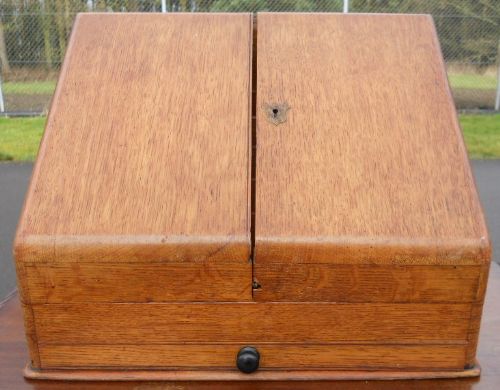
- A tabletop container specifically built to hold envelopes, paper, and writing accessories. These boxes often feature sloping lids or tiered interiors for sorting letters.
- Campaign mount
- Brass reinforcement corners and flush handles fitted to furniture designed for travel. They protected the wood from knocks during transport.
- Meiji period
- The era of Japanese history lasting from 1868 to 1912, known for fine lacquer work exported to Britain. Pieces from this time often show intricate decorative surfaces.
- Inlay
- A technique where contrasting materials like boxwood are set into the surface of the primary wood to create patterns. It adds decorative contrast to cabinet doors and lids.
Antique Correspondence Cabinet: Frequently Asked Questions
What is a correspondence cabinet?
A correspondence cabinet is a small tabletop piece designed to store letters, paper, and writing accessories. These boxes and chests keep desks organised while displaying period woodwork.
They appear primarily in Victorian and Edwardian studies, utilising compartments and fall-front panels to sort daily post.
How do I date an oak correspondence box?
Dating relies on examining the construction methods, hardware, and stylistic influences present in the piece. Victorian examples often feature heavier brass mounts and rich mahogany or oak timbers.
Edwardian and later pieces tend to show lighter construction styles, sometimes incorporating Arts and Crafts details or simpler inlaid decorations.
Were these cabinets used for travel?
Some correspondence boxes were specifically built for travel, featuring robust brass bindings and leather coverings to withstand movement. Officers and officials used these secure cases to transport important documents.
Stationary cabinets with fixed bases remained on office desks, whereas bound boxes were suited for journeys.
How do I care for wood and leather finishes?
Maintaining these pieces involves keeping them away from direct sunlight and sudden temperature changes that can crack wood or dry out leather. Regular dusting with a soft cloth preserves the polish.
Conditioning the wood and leather surfaces occasionally helps retain the original texture and appearance without harming the antique finish.