





Antique Coromandel Wood
Antique coromandel wood pieces comprise dense exotic timber boxes, tables and desks valued for their rich grain and dark colour.
Antique Coromandel Wood
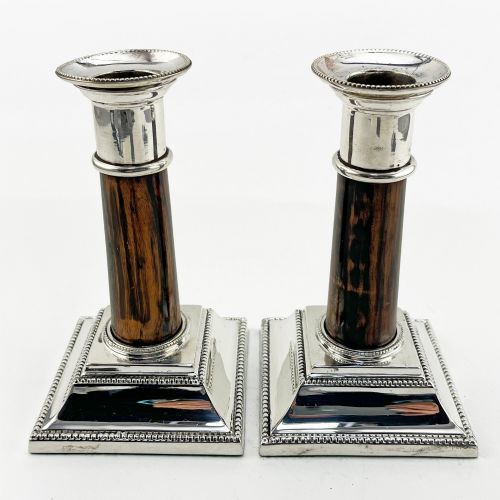
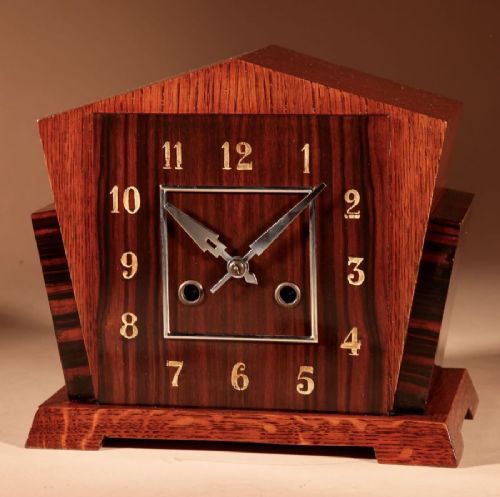
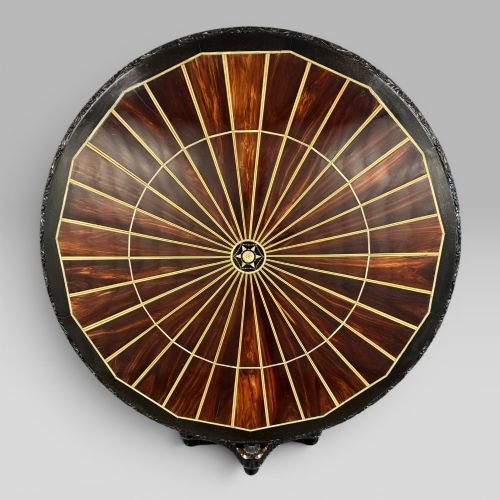
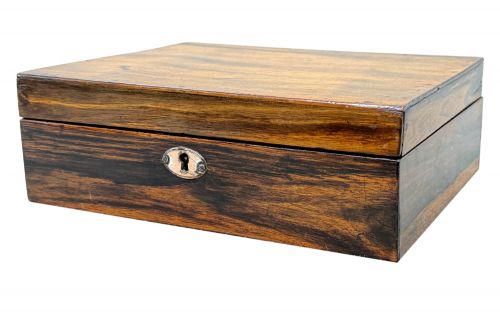
When you search for antique coromandel wood, you encounter dense, richly figured timber derived from Asiatic trees, utilised primarily during the nineteenth century. The material displays deep brown tones with striking dark stripes that command immediate attention on any surface.
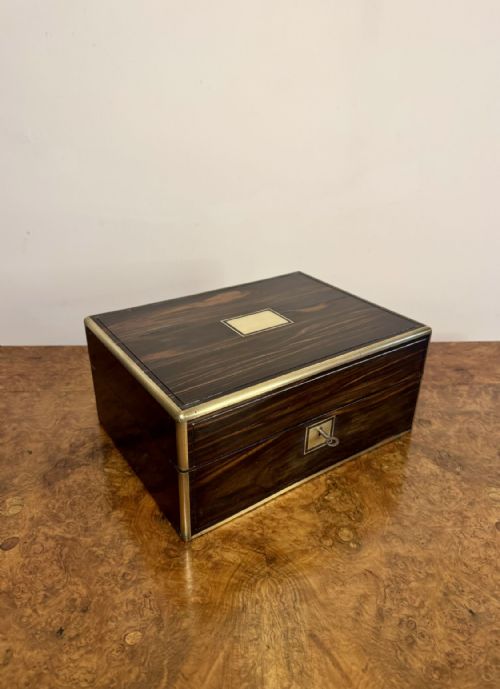
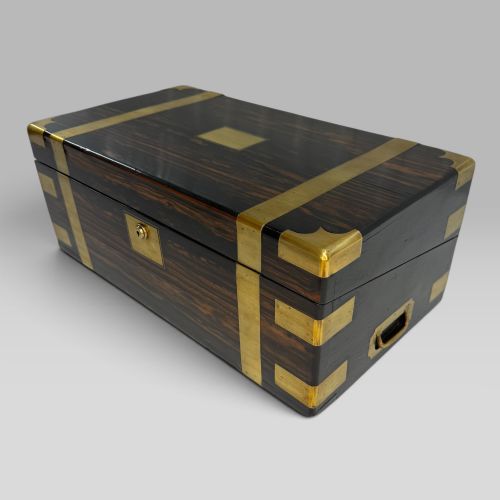
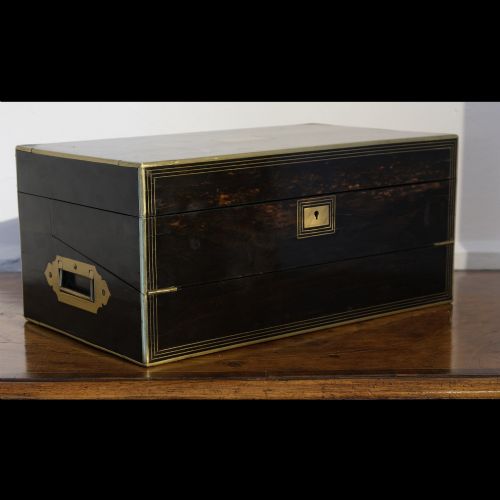
You meet this dense exotic wood most frequently fashioned into portable luxury goods such as writing slopes, jewellery caskets, tea caddies and stationery boxes. These items often feature substantial brass mounts and fitted velvet interiors designed for the affluent Victorian household.
Beyond smaller caskets, the timber surfaces on larger forms like library tables, workboxes, and occasional furniture. Makers selected the wood for items intended to display status and refinement in principal rooms.
How they were made
Craftsmen built these pieces using solid coromandel or by applying fine veneers over stable secondary woods like mahogany or oak. The dense nature of the timber demanded skilled handling to prevent splitting as the wood seasoned.
Workers integrated contrasting materials directly into the cabinetwork, setting mother-of-pearl plaques, engraved brass banding and pewter stringing into the dark grain. Fitted interiors incorporated velvet linings, concealed secret drawers and cut-glass inkwells or decanters.
Makers finished the surfaces with traditional polishes that enhanced the natural contrasts of the dark grain without obscuring the figure. Metal mounts were secured with precision screws, framing the lid edges and corners to protect the timber.
Antique Coromandel Wood Retail Price Guide 2026
Typical asking prices for coromandel wood among the pieces listed under this phrase on Sellingantiques today, from the lower quarter to the upper quarter. They describe what is for sale here now, not the wider market.
Many writing boxes hide secret compartments accessible only by lifting secondary false bottoms.
What varies in quality
Quality rests heavily on the selection and matching of the timber grain across the primary surfaces. Superior examples display symmetrical, highly figured coromandel veneers that wrap seamlessly around the corners of a box or table top.
The sophistication of the internal fittings and the caliber of the maker elevate a piece significantly. Workshop signatures, complex secret drawer mechanisms, and heavy cast brass hardware distinguish ordinary production from exhibition grade execution.
H Mitchell·Collingson and Lock·Asprey·Houghton and Gunn·Mechi and Bazin
The Antique Coromandel Wood Glossary
- Coromandel wood
- A dense, heavy Asiatic hardwood prized for its dark brown colour and dramatic black striping. It serves as the primary material for luxury nineteenth-century boxes and tables.
- Writing slope
- A portable desk featuring a hinged, sloping lid that opens to reveal a writing surface, pen trays and small compartments. Many examples include secret drawers hidden beneath the stationery dividers.
- Tantalus
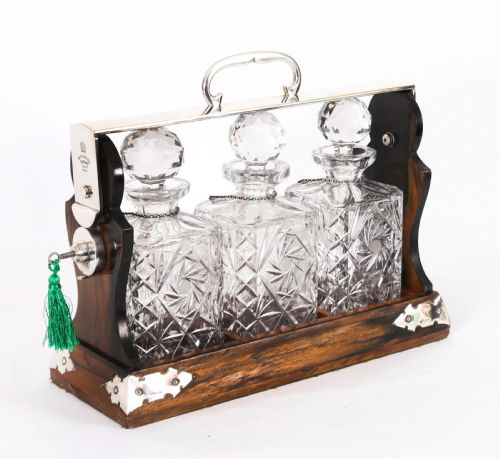
- A locking beverage cabinet that secures decanters behind a metal bar while displaying the cut glass contents. The mechanism prevents guests from accessing the spirits without a key.
- Calamander
- A closely related Asiatic timber sharing similar qualities to coromandel, often displaying lighter hazel-brown tones with dark streaks. Makers utilised both woods interchangeably for high-end cabinetry.
- Stationery box
- A desk accessory featuring a sloping or domed lid designed to hold envelopes and writing paper upright. These desk tidies frequently incorporate brass mounts and velvet interiors.
Antique Coromandel Wood: Frequently Asked Questions
What is coromandel wood?
Coromandel is a heavy, dense tropical timber originating from Asia, notable for its deep brown colour and striking black grain patterns.
Cabinetmakers valued the wood for high-status nineteenth-century boxes, desks and tables where rich visual impact mattered most.
How do you clean coromandel wood?
Maintain the polished surface simply by dusting with a soft, dry cloth to prevent dirt accumulation within the grain.
Avoid liquid cleaners or excessive moisture, which can damage the delicate veneers and lift the embedded brass stringing.
How were writing slopes used?
Owners placed these portable slanted desks on tabletops to provide a stable, angled surface for writing letters and managing correspondence.
The interior compartments stored paper, nibs and ink, keeping writing tools organised in homes without dedicated stationery cabinets.
What is a tantalus?
A tantalus secures crystal decanters within a wooden frame beneath a locking metal bar to restrict access to the contents.
Introduced in the Victorian era, the device allowed hosts to display fine spirits while preventing unauthorized sampling by household staff.