



Antique Corner Nightstand
These antique corner nightstand pieces turn unused angles into practical surfaces, crafted in mahogany, walnut and painted wood across Georgian and Edwardian periods.
Antique Corner Nightstand
An antique corner nightstand takes the form of corner washstands, pot cupboards and cabinets designed to fit snugly into room angles. Buyers searching for an antique corner nightstand encounter pieces spanning the Georgian, Edwardian and Victorian eras.
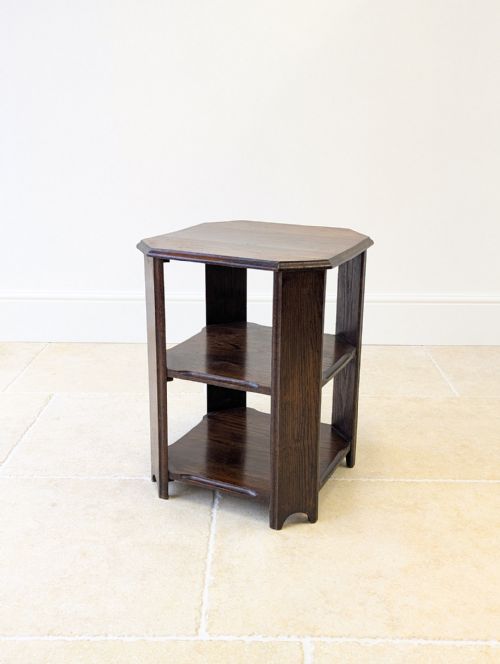
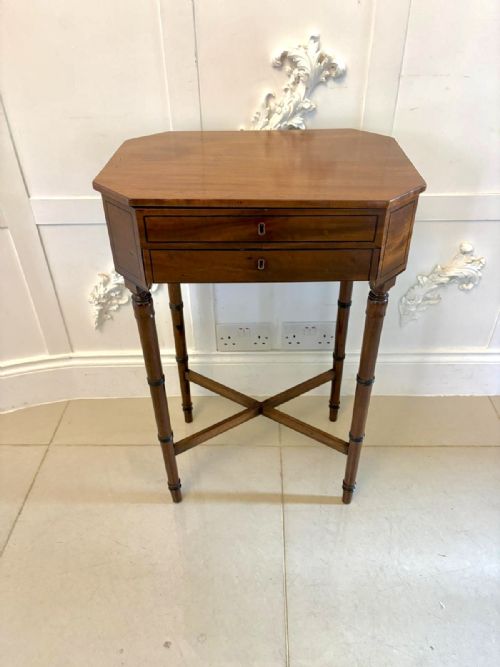
The selection on this page relies heavily on Georgian and George III mahogany washstands alongside Edwardian occasional tables and walnut side cabinets. These items provide functional storage while occupying minimal floor space in domestic interiors.
Materials and construction
Cabinetmakers utilised solid mahogany, burr walnut and pine as structural timbers, frequently applying boxwood stringing and marquetry inlay for surface decoration. Brass fittings appear on campaign style pieces designed for travel and utility.
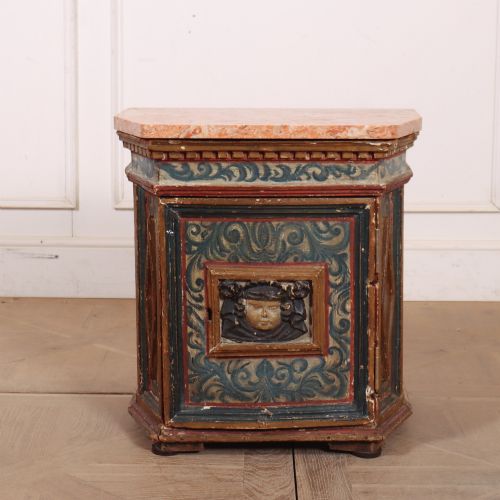
Painted wood finishes and marble tops introduce varied textures to these corner forms, reflecting the specific decorative preferences of the eighteenth and nineteenth centuries.
Listings on this page span several key eras, including the Georgian, Edwardian and Victorian periods, constructed from mahogany, walnut, marble and painted wood.
Assessing quality
Quality separates standard utility items from superior examples through the crispness of timber grain, the precision of boxwood inlay and the retention of original brass hardware. Maker stamps, such as those from documented Lancaster workshops, elevate the standing of a piece.
The integrity of secondary timbers like pine inside drawers and the preservation of original painted surfaces on Italian apothecary items determine the overall standard of craftsmanship.
Gillows Lancaster
The Antique Corner Nightstand Glossary
- Campaign Style
- Furniture designed for military officers to dismantle and transport easily. These pieces feature recessed brass handles and corner brackets.
- Marquetry Inlay
- Decorative wood veneers fitted into a primary timber base to form geometric or floral patterns. Walnut side cabinets often utilise this technique.
- Pot Cupboard
- A small bedside cabinet originally built to enclose a chamber pot. Georgian examples frequently occupy corners.
- Washstand
- A wooden stand supporting a basin and pitcher for personal washing. Many George III variants were built specifically for corner placement.
- Stringing
- Thin inlaid lines of contrasting wood, such as boxwood, used to outline table edges and drawer fronts.
Antique Corner Nightstand: Frequently Asked Questions
Where do I put a corner nightstand?
These cabinets fit neatly into unused room angles to save floor space while providing a functional surface. They work effectively beside beds or within smaller sitting rooms.
Their triangular footprint allows them to integrate into corners that standard rectangular tables cannot occupy.
What woods were used for these cabinets?
Cabinetmakers primarily relied on mahogany, walnut and burr walnut for these pieces. Boxwood appears frequently as fine stringing for decorative contrast.
Painted wood and pine also occur across different regional workshops and functional types.
How do I date a Georgian washstand?
Georgian and George III pieces display characteristic timber selection, such as dense figured mahogany, alongside period specific joinery methods. Maker stamps can sometimes provide a precise workshop origin.
Design motifs like tapered legs and subtle inlay help distinguish eighteenth century examples from later nineteenth century reproductions.
Were these originally meant for bedrooms?
Many of these pieces served as washstands or pot cupboards in domestic bedrooms before adapting to modern living uses. Their enclosed storage compartments were practical for personal items.
Over time, owners repurposed these corner cabinets to hold lamps or display objects in various rooms.