


Antique Copper Handle
An antique copper handle grounds domestic metalware from the Georgian and Victorian eras, offering tactile connection to centuries of hearth and kitchen utility.
Antique Copper Handle
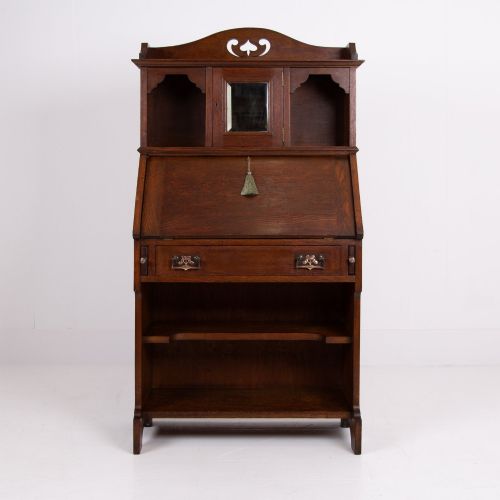
When you search for an antique copper handle, you encounter utilitarian vessel grips, swinging bucket bails, and door pulls originating largely from Georgian, Victorian, and Arts and Crafts periods.
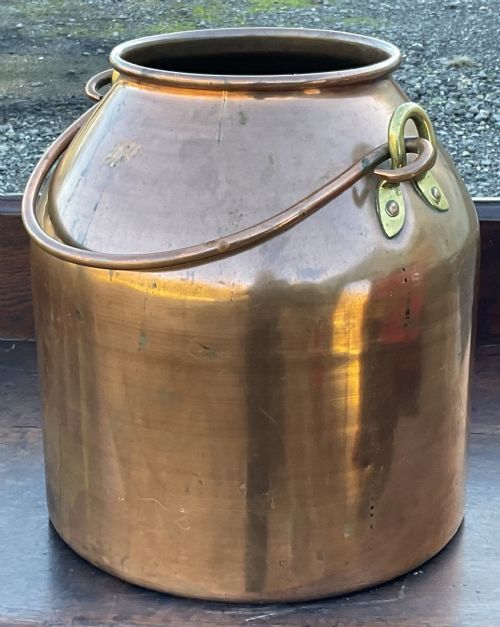
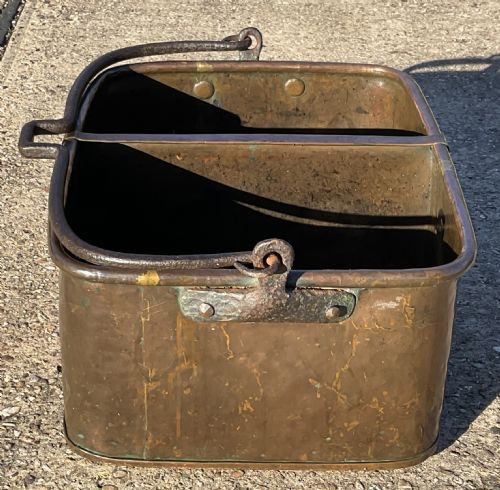
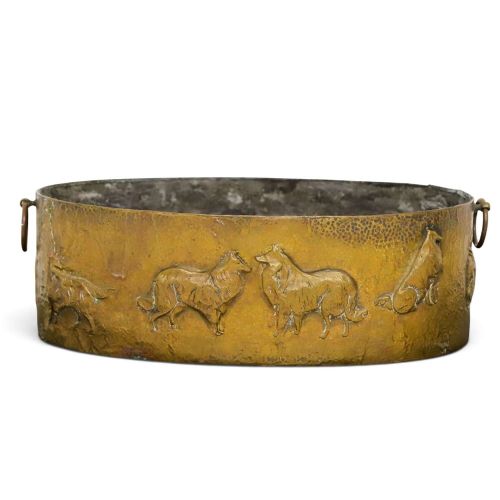
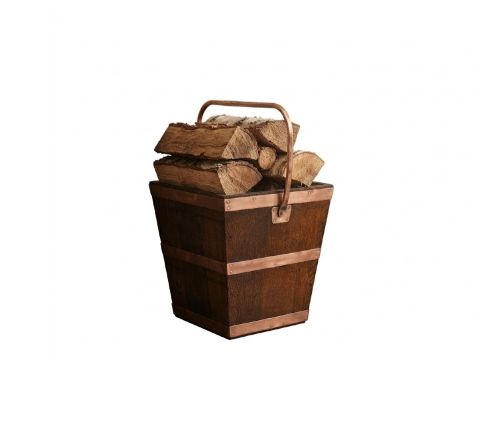
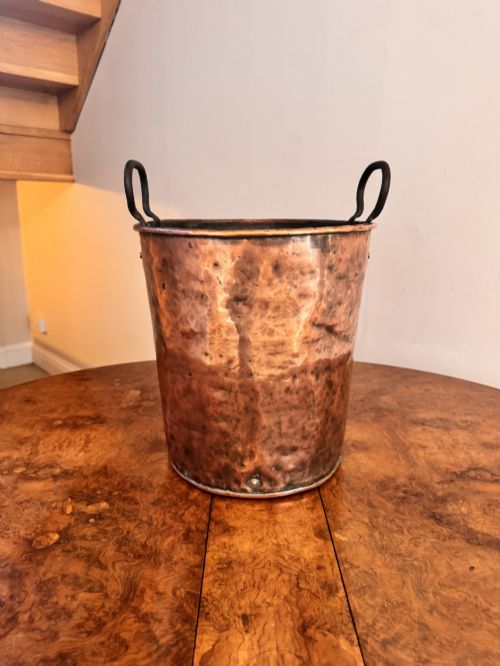
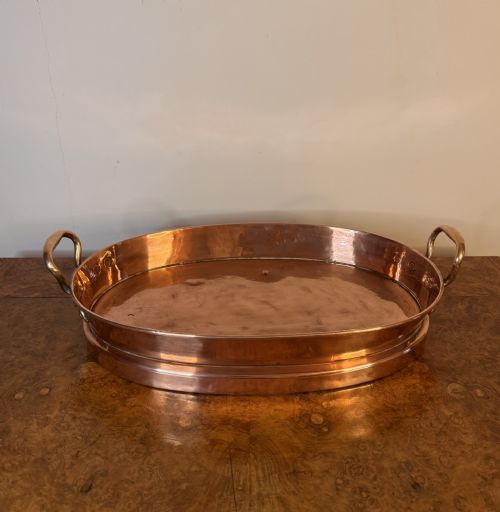
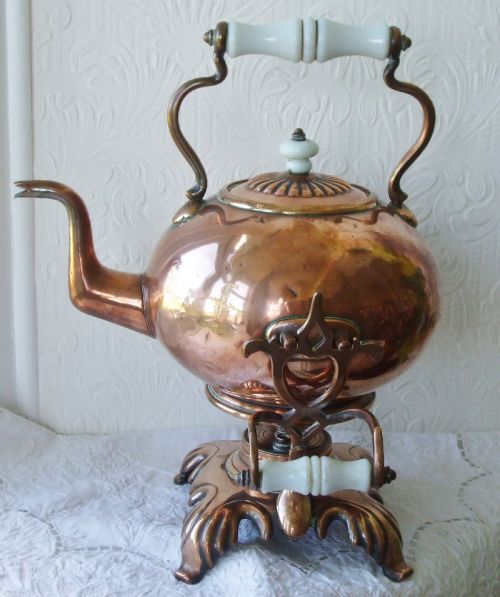
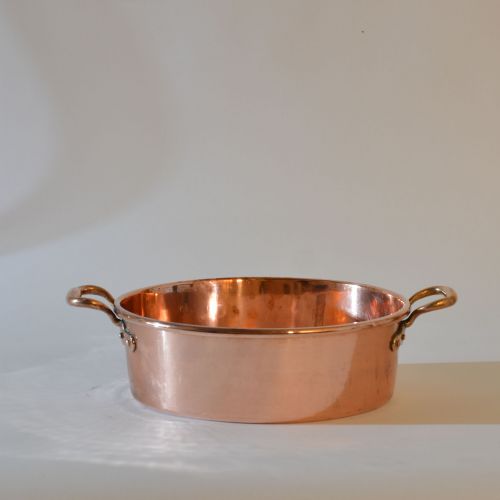
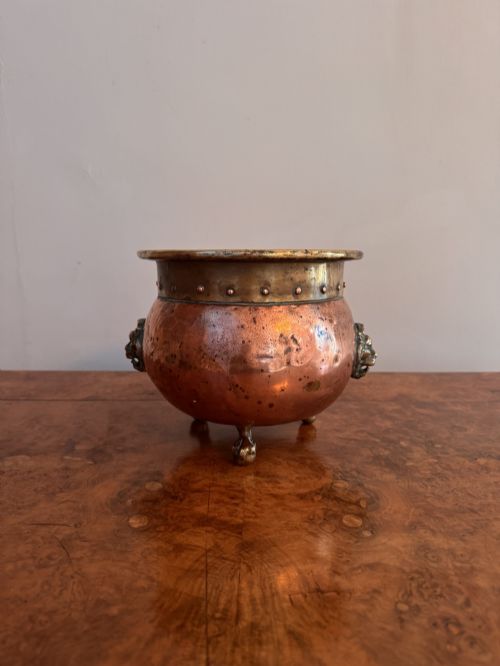
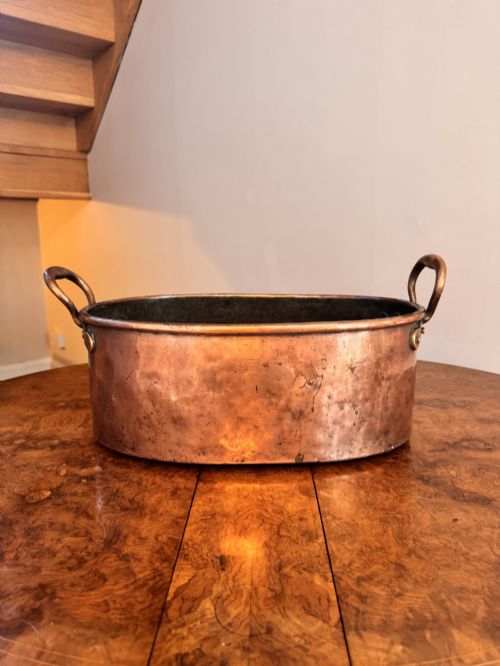
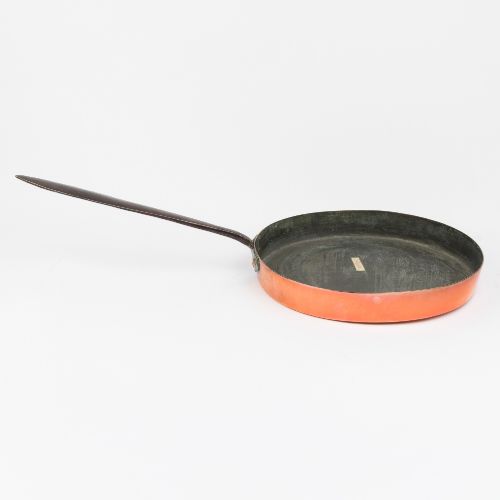
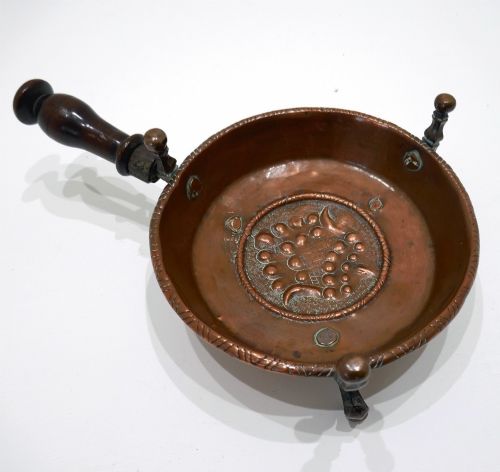
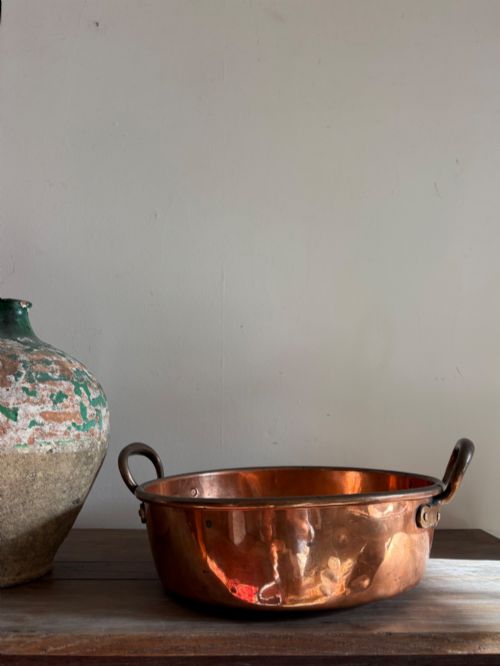
The pieces on this page span domestic metalware forms including preserve pans, coal scuttles, kettles, coffee pots, and fire buckets, where handles are forged from iron, brass, wood, or wrought iron.
Most examples derive from utilitarian kitchenware and fireside accessories, demonstrating that handles were engineered for heavy daily lifting rather than mere ornament.
Materials and construction methods
Makers formed the primary bodies from heavy gauge copper sheets, often hand-beaten and joined by hand-riveting before attaching grips made of contrasting brass, iron, or turned oak.
Handles were secured using traditional metal rivets, dove-tailed joints, or sturdy brackets, ensuring the grips could support the substantial weight of boiling water, coal, or preserves.
Artisans combined copper with wrought iron for swing bails on large cauldrons and coal buckets, while finer kitchen pans utilised brass fittings or detachable wooden handles.
Antique Copper Handle Retail Price Guide 2026
Typical asking prices for copper handle among the pieces listed under this phrase on Sellingantiques today, from the lower quarter to the upper quarter. They describe what is for sale here now, not the wider market.
Distinctions in craftsmanship and survival
Quality rests in the weight of the metal gauge, the symmetry of hand-beating, and the structural integrity of the handle attachments where stress was highest.
Superior items retain original rivets, uncompromised seams, and matching handle materials, whereas lesser examples show heavy stress cracking, replaced bails, or aggressive modern cleaning.
William Soutter And Sons·Keswick Arts And Crafts
The Antique Copper Handle Glossary
- Bail handle
- A curved, swinging metal handle attached by ears or lugs to the rim of a bucket, pan, or cauldron.
- Hand-beaten
- A surface texture produced by an artisan hammering sheet metal into shape over an anvil or stake, leaving distinct facets.
- Riveting
- A method of joining metal plates by inserting a metal pin through overlapping sections and hammering the end flat to secure it.
- Old Sheffield Plate
- A composite material made by fusing a thin layer of silver to a thicker copper base, common in early domestic hollowware.
Antique Copper Handle: Frequently Asked Questions
What were copper kitchen pans used for?
These vessels served heavy culinary duties such as boiling large batches of fruit preserves, heating milk, or preparing daily meals over open hearths and early stoves. Their thick metal walls distributed heat evenly to prevent scorching.
Today, these pans function primarily as decorative kitchenware or utilitarian planters. Their robust handles and warm metallic tones suit rustic interiors and period hearth settings.
How are Victorian and Georgian items told apart?
Georgian metalware typically exhibits simpler, robust hand-forged construction with heavy gauge copper and iron mountings. Victorian pieces often display more decorative hand-beating, machine-assisted finishing, and polished brass accents.
Form and handle styles also shift between eras, moving from utilitarian Georgian shapes to more ornate Victorian coal scuttles and jardinières.
How should antique metalware handles be cleaned?
Gentle washing with warm soapy water removes dust and grease without stripping the natural patina accumulated over centuries of use. Avoid harsh abrasive compounds that scratch the soft copper surface.
Leaving the historical verdigris and dark oxidation intact preserves the authenticity of the piece. Collectors generally prefer aged surfaces over aggressive bright polishing.
Were iron handles common on copper vessels?
Wrought iron and cast iron frequently served as handle materials for heavy items like preserving pans, coal buckets, and fire buckets. Iron provided the necessary tensile strength to lift substantial loads without bending.
These iron components were securely riveted to the copper bodies, creating a durable contrast between the two metals.