

Antique Continental Cupboard
An antique continental cupboard brings rich regional character and practical storage to a room through centuries of European craftsmanship.
Antique Continental Cupboard
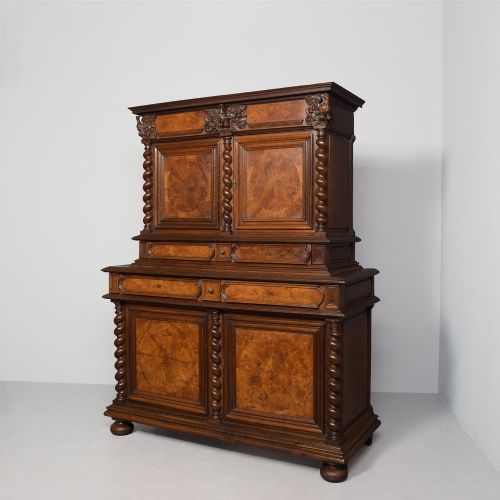
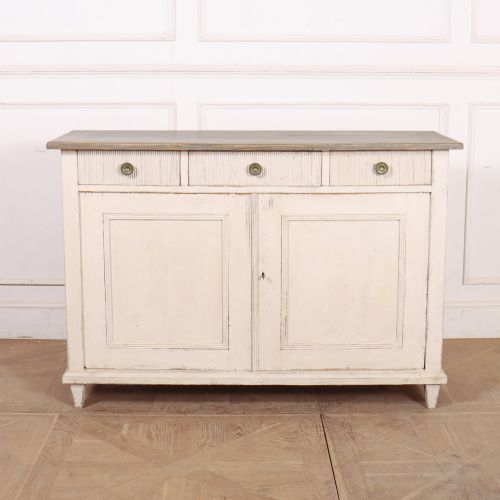
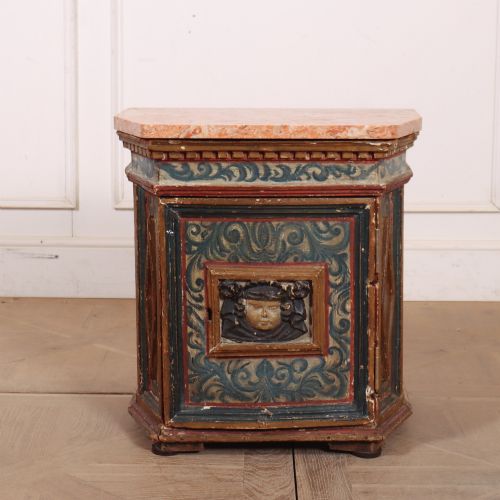
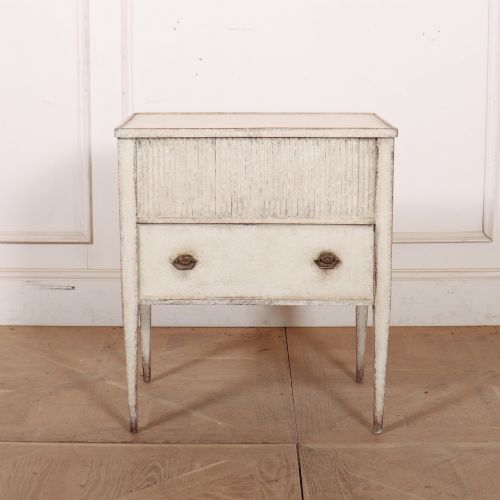
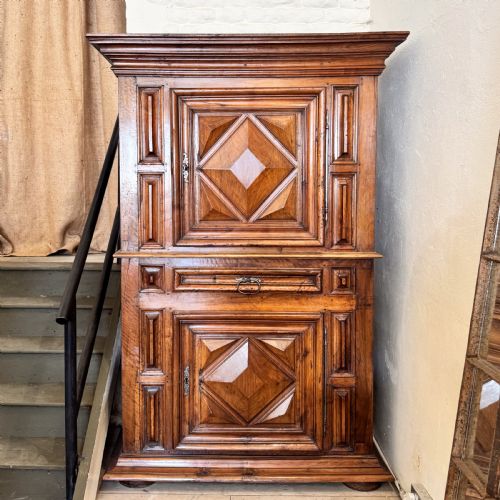
An antique continental cupboard encompasses a broad variety of storage forms originating from across Europe, ranging from modest provincial pine pieces to formal walnut examples. Buyers searching for an antique continental cupboard will encounter diverse regional styles, including Italian Baroque, Biedermeier, and European Country pieces.
How they were made
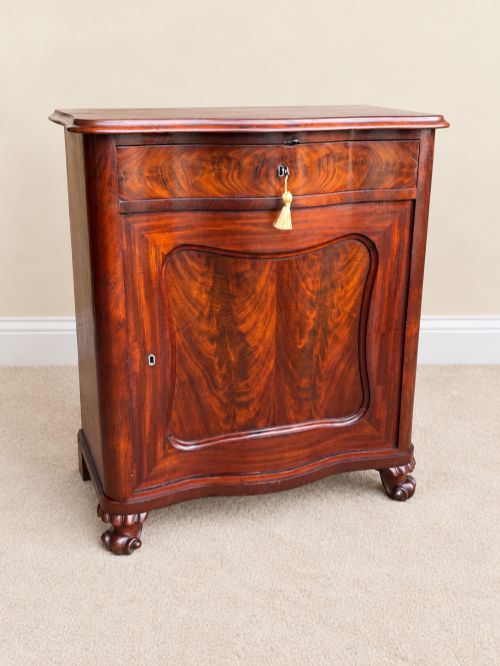
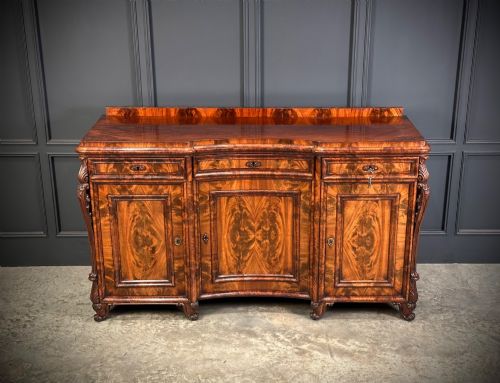
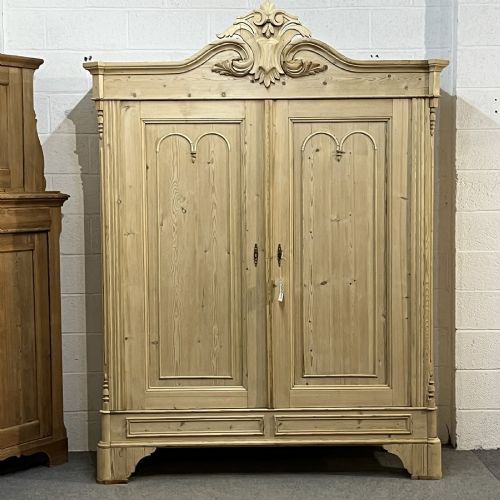
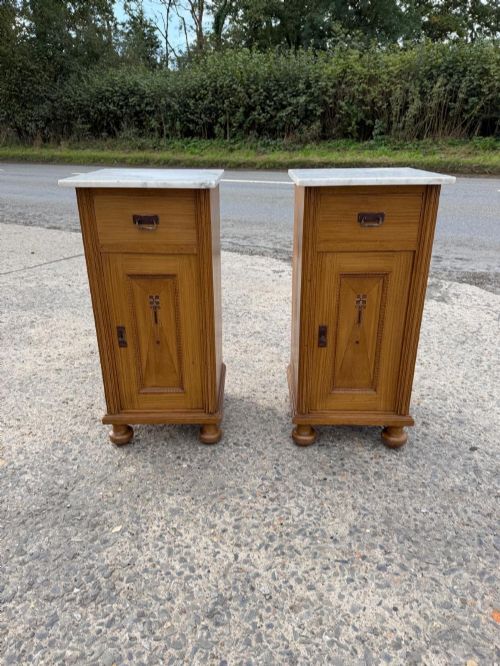
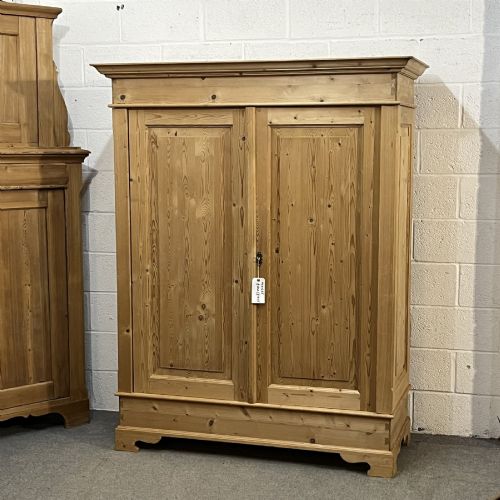
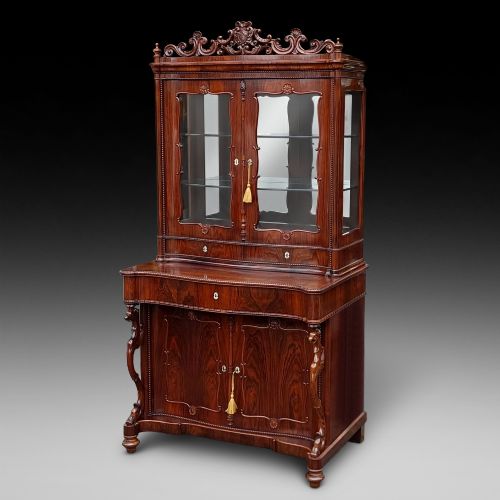
Cabinet-makers relied primarily on solid timbers such as walnut, oak, and pine, frequently enhanced with decorative veneers like rosewood or mahogany. Construction methods combined traditional joinery with hand-carved detailing, brass hardware, and iron elements.
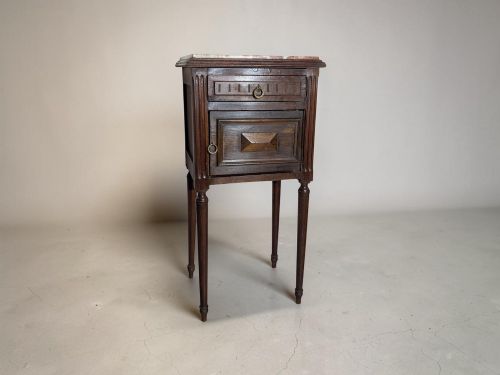
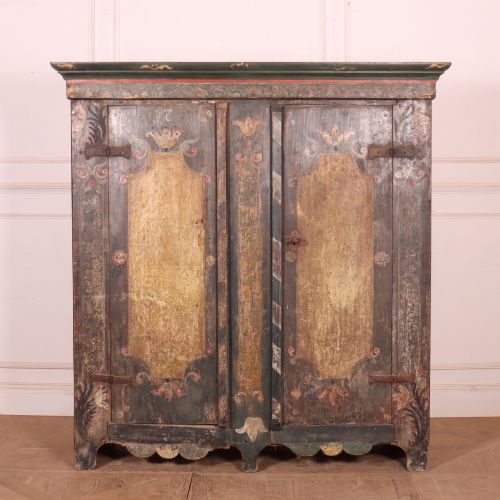
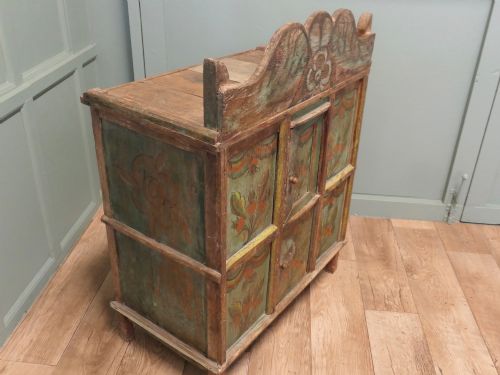
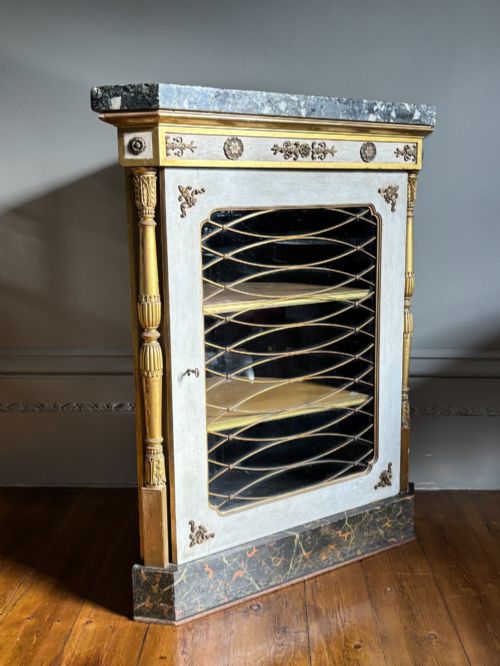
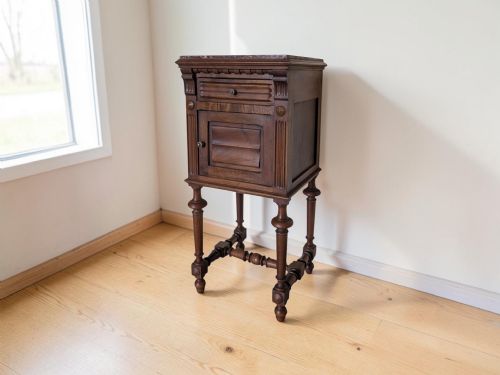
Many provincial pieces feature painted surfaces, utilising layers of coloured or decorated paintwork that often survive in original or patinated states. Glass panels and marble tops also appear on specific cabinet and bedside forms.
Antique Continental Cupboard Retail Price Guide 2026
Typical asking prices for continental cupboard among the pieces listed under this phrase on Sellingantiques today, from the lower quarter to the upper quarter. They describe what is for sale here now, not the wider market.
Listings feature pine, walnut, oak, and mahogany, alongside painted wood finishes and Carrara marble tops.
What varies in quality
Quality in these pieces rests upon the integrity of the timber selection and the sophistication of the construction. Finer examples display carefully figured grain, such as walnut, and precise hand-carving that reflects the maker's mastery.
The survival of original painted surfaces or distinct regional hardware elevates a piece's standing. Proportion, balance, and the preservation of historic joinery distinguish superior items from standard utility furniture.
The Antique Continental Cupboard Glossary
- Biedermeier
- A style of Central European furniture from the mid-nineteenth century focusing on utilitarian comfort and clean lines with minimal ornamentation. It frequently employs domestic woods like birch, ash, and walnut.
- Enfilade
- A suite of rooms formally linked in a line, or a long sideboard or cabinet designed to stand along a wall. The term describes large storage furniture common in continental dining and reception spaces.
- Armoire
- A large wardrobe or cupboard used primarily for hanging clothes and storing textiles. Continental versions often feature deep cornices and panelled doors.
- Provincial
- Furniture made in regional areas outside major capital cities, typically utilising local timbers and vernacular design traditions. These pieces often showcase distinct local craftsmanship.
- Commode
- A low chest of drawers or cabinet originating in France and adopted widely across Europe. They frequently incorporate decorative hardware and marble tops.
Antique Continental Cupboard: Frequently Asked Questions
How do I style a continental cupboard?
These cupboards work well as statement storage pieces in living rooms, hallways, or bedrooms. Their scale allows them to anchor a room while providing functional space for books, linens, or tableware.
Allow the natural wood grain or original painted finish to serve as a focal point. Pair the piece simply with complementary lighting and accessories that do not distract from the cabinet's age and character.
What periods do these cupboards span?
The pieces span primarily the eighteenth and nineteenth centuries, encompassing eras such as the Georgian, Victorian, and Regency periods. Design influences range from Italian Baroque and Neoclassical to Biedermeier.
Dating relies upon construction techniques, timber types, and stylistic motifs characteristic of specific decades. Examining the interior joinery and hardware helps determine the precise era of manufacture.
Are painted finishes usually original?
Many continental pieces retain their original or early painted surfaces, particularly those originating from country workshops in Hungary, Italy, or the Netherlands. Paint was traditionally used to protect cheaper woods or decorate vernacular furniture.
Distinguishing original paint involves inspecting the wear patterns, patina, and underlying layers. Traces of polychrome decoration or aged crackle contribute significantly to the piece's historical interest.
How were corner cupboards used?
Corner cupboards were designed to utilise awkward or unused room angles effectively. In historical homes, they frequently served to display fine ceramics, glassware, or silver.
Their triangular footprint allowed them to sit snugly in dining rooms or parlours without obstructing floor space. Today, they serve a similar purpose for corner display and enclosed storage.