

Antique Console Server
An antique console server brings practical surface space and period character to a hallway or dining room, spanning Georgian, Victorian, and Edwardian designs.
Antique Console Server
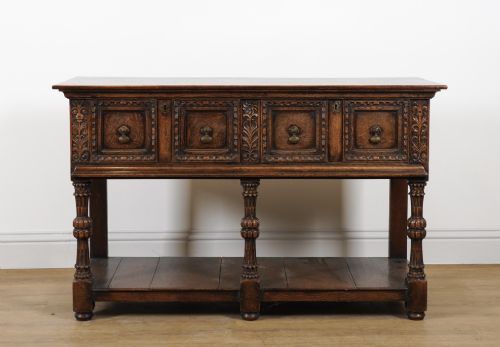
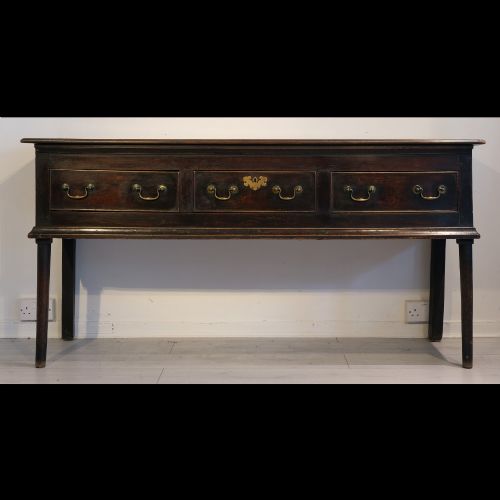
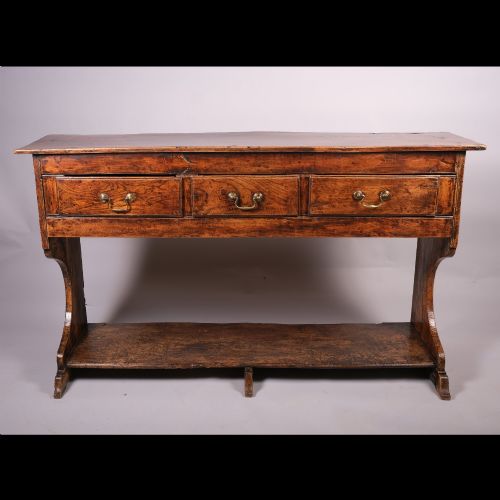
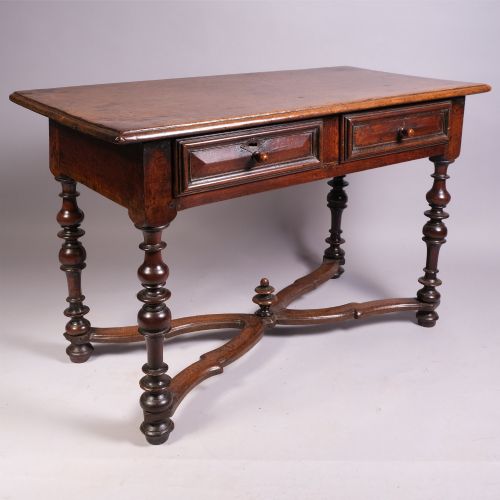
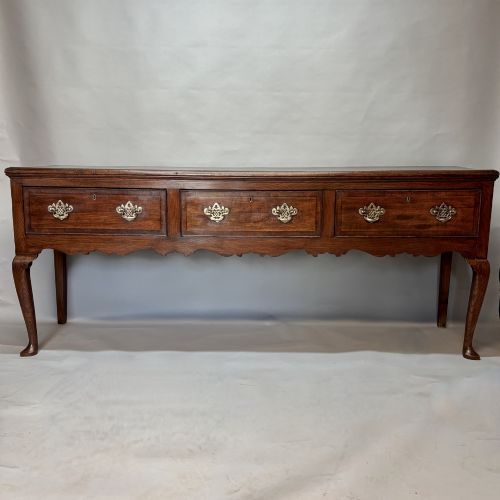
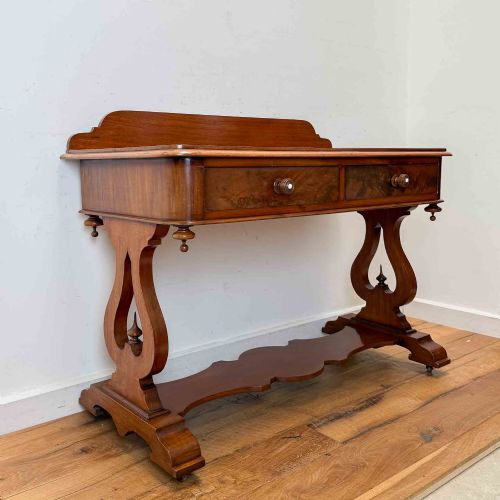
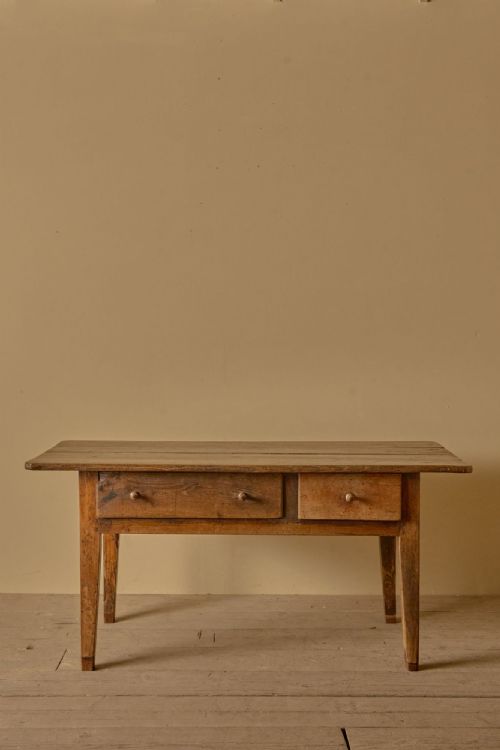
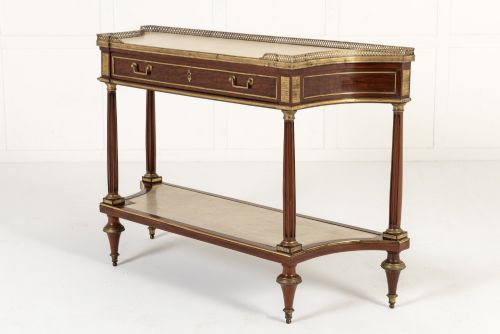
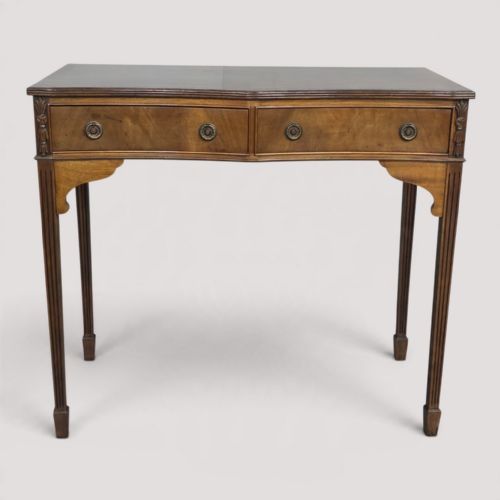
When you search for an antique console server, you encounter a variety of forms including console tables, serving tables, sideboards, and dresser bases. These items served dining and display purposes across several centuries.
The pieces appearing on this page originate predominantly from the eighteenth and nineteenth centuries, alongside early twentieth century revivals and Edwardian productions. Oak and mahogany form the backbone of these listings.
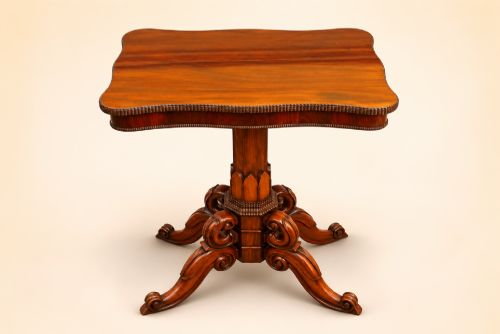
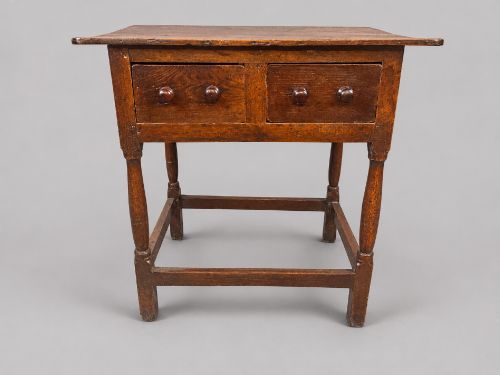
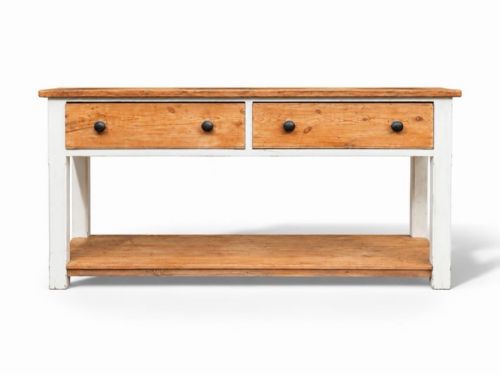
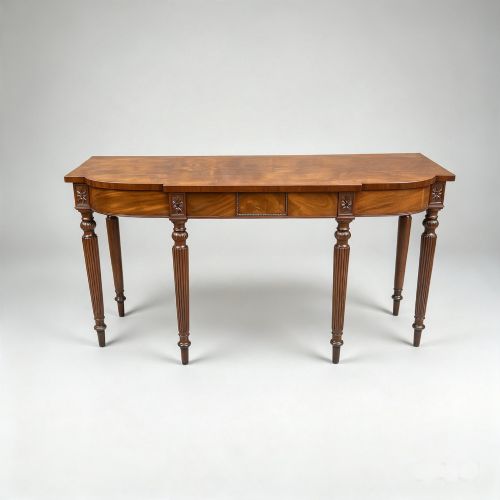
You meet formats ranging from simple oak lowboys and painted pine worktables to refined mahogany serpentine serving tables and walnut console tables. Regional examples such as Scottish and Montgomeryshire pieces also appear.
Materials and construction
Cabinet makers utilised solid timbers including oak, mahogany, walnut, fruitwood, chestnut, and pine. Secondary woods often support the internal drawer construction of these serving pieces.
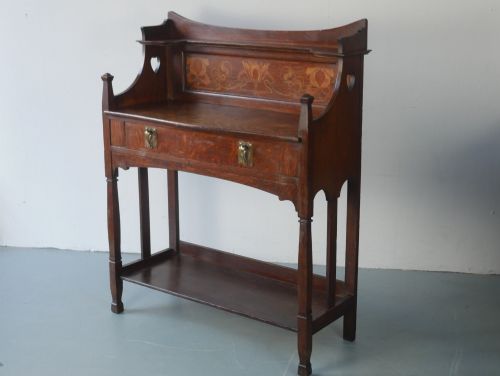
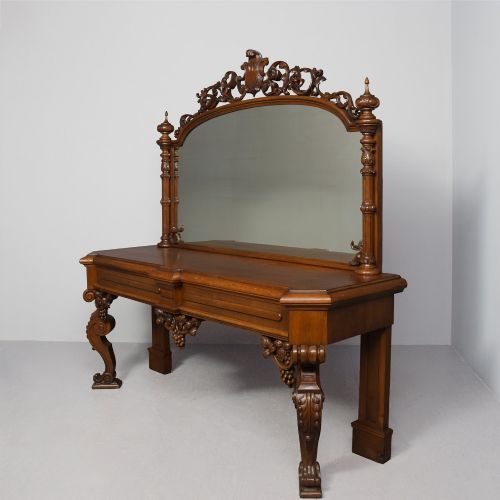
Surface treatments vary from polished mahogany and figured walnut to painted finishes and original patinated oak. Inlays of satinwood and detailed carving distinguish specific Georgian and Edwardian examples.
Antique Console Server Retail Price Guide 2026
Typical asking prices for console server among the pieces listed under this phrase on Sellingantiques today, from the lower quarter to the upper quarter. They describe what is for sale here now, not the wider market.
Listings feature oak, mahogany, walnut, pine, and fruitwood across Georgian, Victorian, and Edwardian periods.
Distinctions in execution
Quality rests upon the selection of timber figure, such as burr walnut or flame mahogany, and the crispness of cabinet work. Drawer linings, dovetailing, and the retention of original brass hardware indicate higher workshops.
Proportion and structural integrity separate standard utility furniture from sophisticated examples. Pieces retaining original painted surfaces or uncompromised structural timbers hold distinct technical merit.
Maurice Adams
The Antique Console Server Glossary
- Dresser base
- A low wooden storage unit featuring drawers or cupboards beneath a long top surface, historically used in kitchens and dining rooms.
- Serving table
- A long table designed to hold food and dishes during meals, frequently positioned against a dining room wall.
- Lowboy
- A small eighteenth-century dressing table or side table featuring one or more rows of drawers beneath a flat top.
- Potboard
- An open slatted shelf fitted beneath a dresser base for storing pots and serving vessels.
- Serpentine
- A front edge curving outward in the centre and inward at the sides, often seen on eighteenth and nineteenth-century serving tables.
Antique Console Server: Frequently Asked Questions
What is an antique console server?
An antique console server is a furnishing category encompassing serving tables, console tables, and dresser bases designed for storage and display.
These pieces originate mainly from the eighteenth, nineteenth, and early twentieth centuries in various regional British and continental styles.
How were console servers used?
Historically, these tables supported dining rooms by holding dishes, food, and silverware during meals.
In hallways and living areas, they functioned as display surfaces for decorative objects and provided supplementary storage through drawers.
How do I identify a Georgian server?
Georgian servers typically feature mahogany or walnut construction, sometimes displaying serpentine fronts, satinwood inlay, or tapered legs.
Construction details such as hand-cut dovetails and period brass handles help distinguish pieces from this era.
Where should I place a server?
A server fits naturally against a dining room wall to assist with serving meals or displaying tableware.
They also work effectively in entrance halls and living spaces as narrow surface tables with practical drawer storage.