
Antique Console Base
An antique console base provides a sturdy architectural foundation for tables and sideboards, anchoring historic rooms with solid timber and carved detail.
Antique Console Base
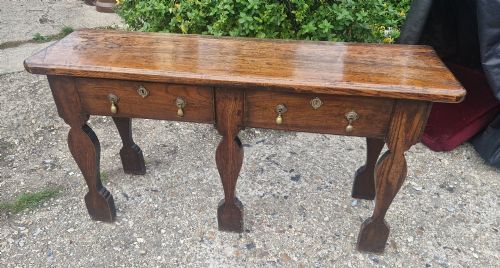
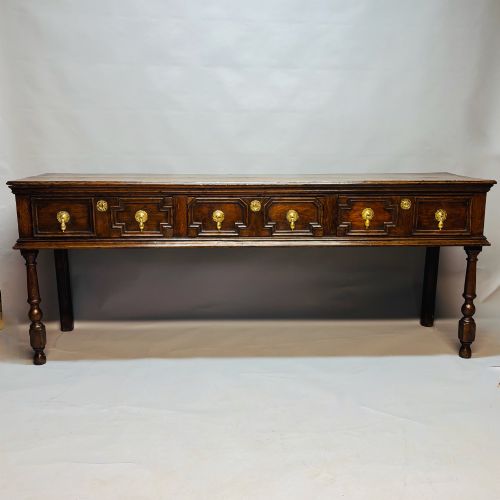
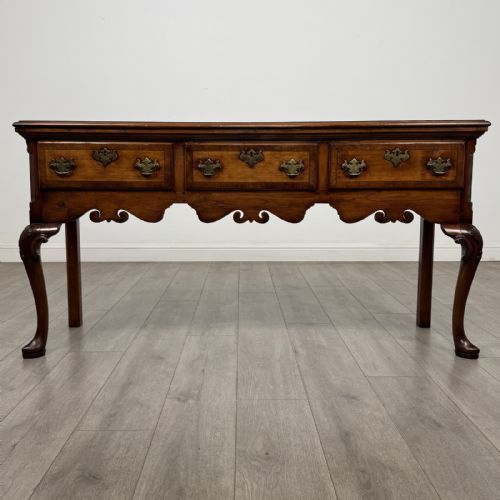
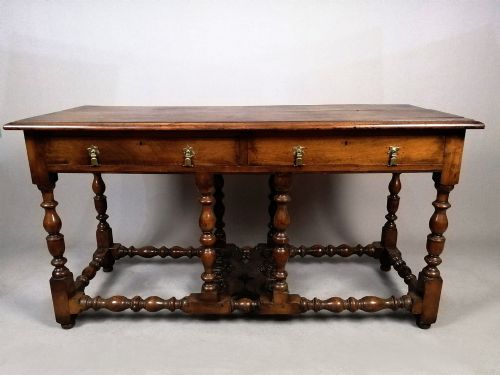
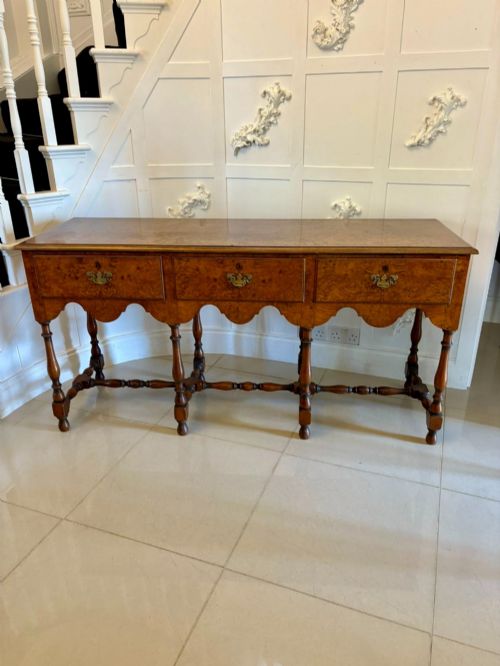
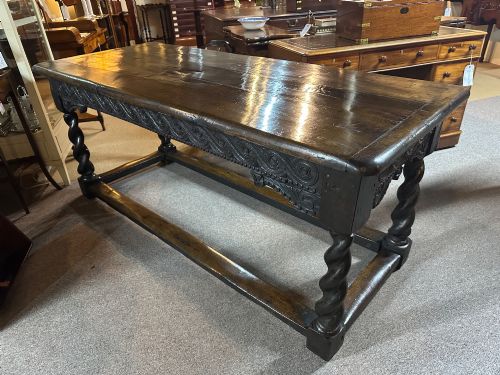
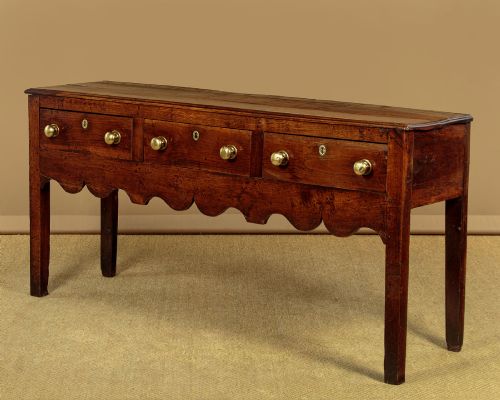
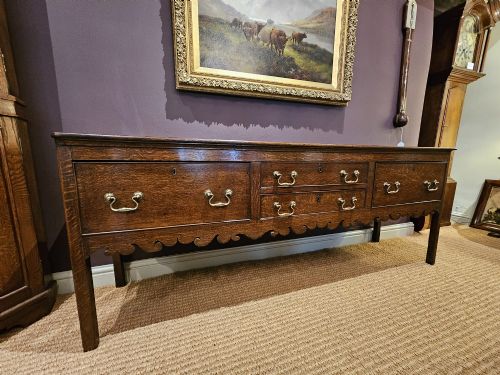
An antique console base encompasses heavy timber dresser bases, card tables, and architectural supports spanning from the seventeenth century through the Edwardian period.
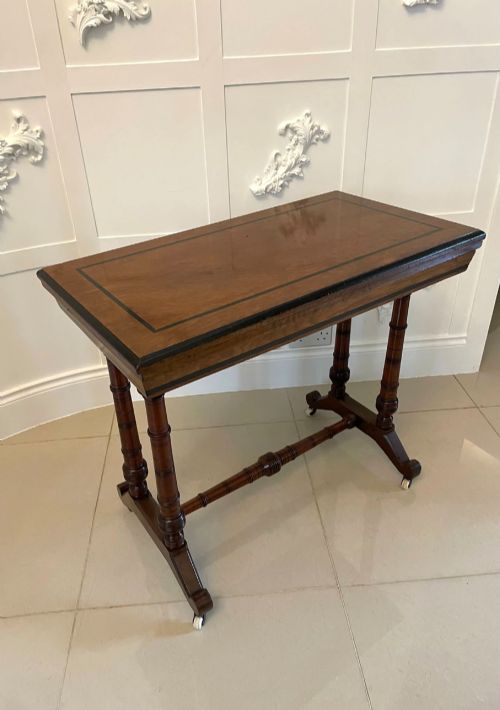
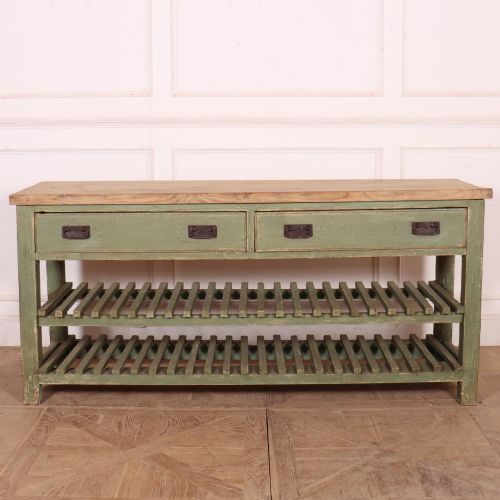
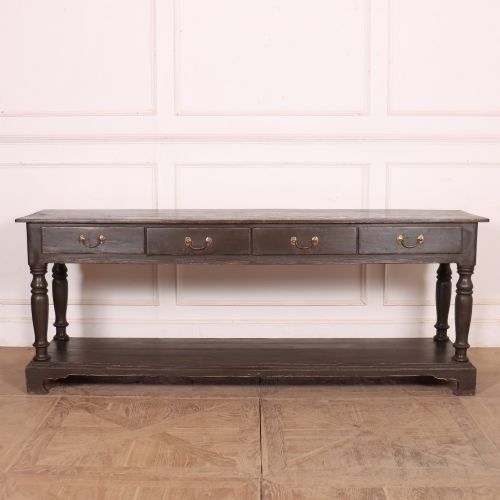
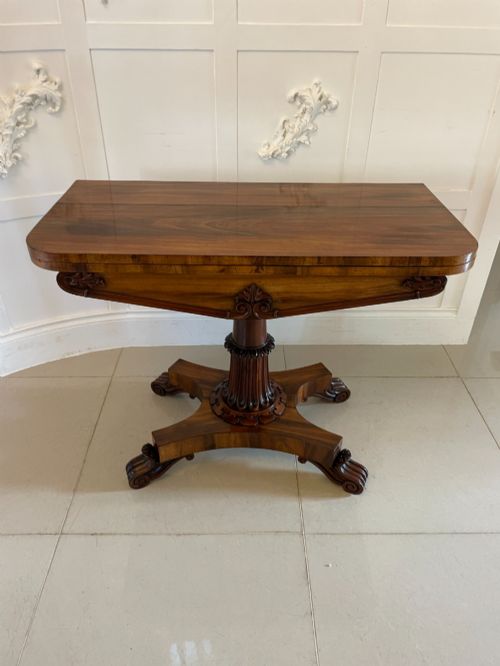
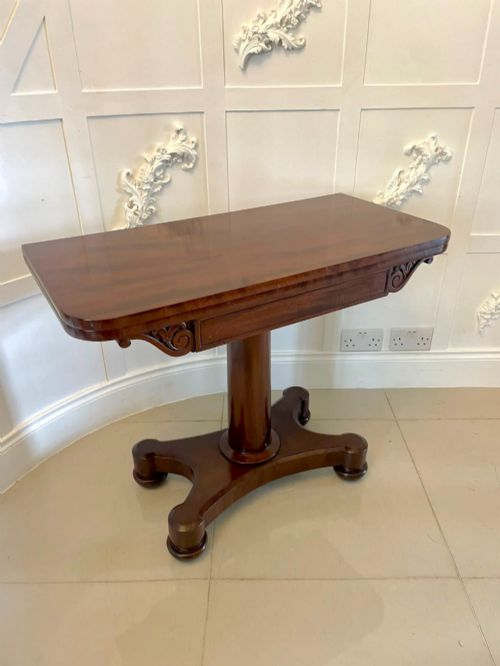
The selections here lean heavily toward eighteenth and nineteenth-century oak and mahogany dresser bases, alongside rosewood and walnut card tables with carved or folding supports.
Pieces frequently reflect English country, Georgian, Victorian, and Jacobean styles, often showing utilitarian origins in farmhouse kitchens or formal execution in drawing rooms.
Materials and construction methods
Cabinetmakers relied on dense domestic hardwoods like oak, mahogany, walnut, and elm, supplemented by exotic veneers such as burr walnut, rosewood, and zebrawood.
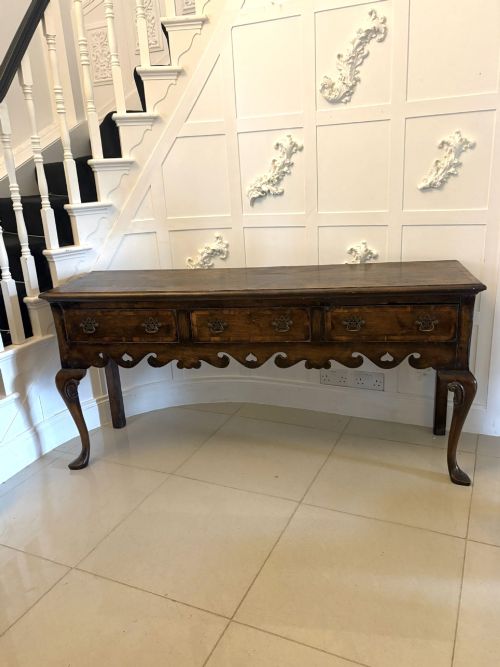
Construction techniques combine traditional joinery with turned legs, cabriole supports, potboards, and brass inlay, depending on whether the piece served a rustic or formal function.
Listings feature oak, mahogany, rosewood, pine, and walnut timbers spanning from seventeenth-century block front designs to Edwardian and Art Deco iterations.
Distinguishing quality across examples
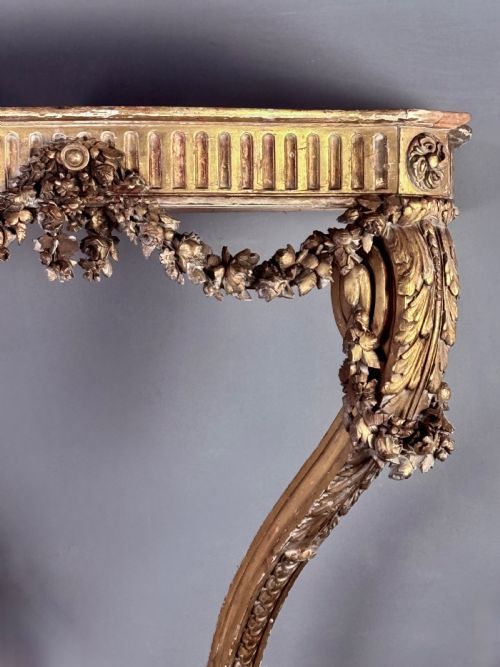
Quality rests in the selection of figured timber veneers, the crispness of hand-carved details like cabriole legs or baskets, and the integrity of the original structure.
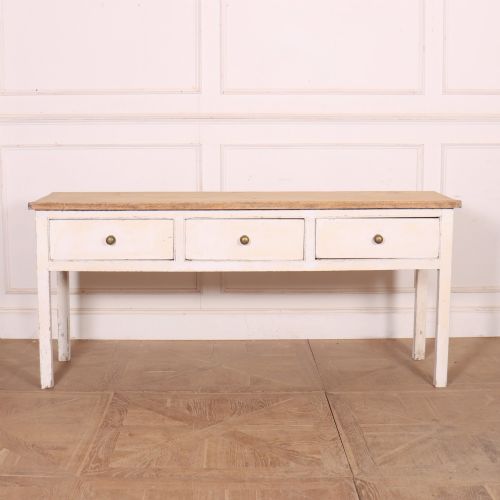
Simpler pine or painted farmhouse pieces derive their merit from honest patination and untouched surfaces, whereas formal rosewood and mahogany examples depend on refined cabinetmaking execution.
Felix Alfred Ternisien
The Antique Console Base Glossary
- Potboard
- An open lower shelf fitted to the base of a dresser for storing heavy kitchen pottery. This practical lower tier distinguishes many country house bases.
- Cabriole leg
- A furniture leg that curves out in a convex arc and tapers inward to a concave foot, mimicking animal limbs. Popularized during the Queen Anne and Georgian periods.
- Card table
- A small folding table designed for gaming, featuring a hinged top that opens to reveal a baize-lined surface supported by a swing leg or pivoting base.
- Dresser base
- The lower section of a kitchen or dining room dresser, equipped with drawers and cupboards. These heavy bases frequently survive independently without their upper rack.
Antique Console Base: Frequently Asked Questions
What is an antique console base?
An antique console base refers to structural supports and lower sections of historic tables, dressers, and sideboards designed to carry a top slab.
These pieces range from rustic oak potboard bases to formal carved rosewood and mahogany card table frames dating from the seventeenth to the early twentieth century.
How were console bases used historically?
In domestic interiors, these timber frames functioned as serving surfaces in dining rooms, storage units in kitchens, or foundational supports for card and side tables in drawing rooms.
Sturdy timber construction allowed them to bear heavy loads of plateware or withstand the daily weight of household activities.
How do I date an antique console base?
Dating relies on identifying timber choices, joinery methods, and stylistic indicators such as cabriole legs, brass inlay, or linenfold carving.
Earlier seventeenth and eighteenth-century pieces typically feature heavy oak and hand-chamfered boards, while nineteenth-century iterations incorporate rosewood, walnut veneer, and machine-sawn components.
Can I use a dresser base as a sideboard?
Dresser bases function ideally as modern sideboards due to their practical proportions, incorporating deep drawers and cupboards for household storage.
Their substantial timber construction provides a stable surface for lamps, serving platters, and decorative objects in dining or living spaces.