


Antique Conservatory Furniture
Antique conservatory furniture brings natural warmth and architectural character to garden rooms, featuring organic weaves and sturdy metals built for brighter spaces.
Antique Conservatory Furniture
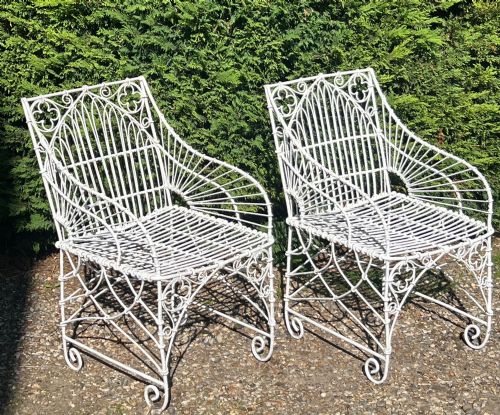
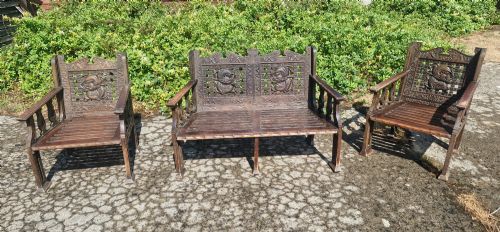
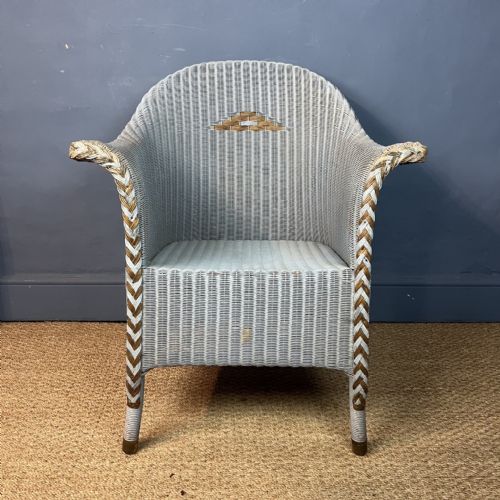
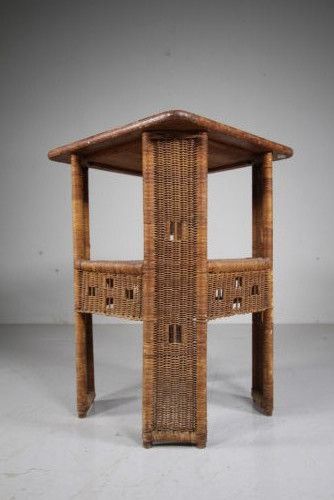
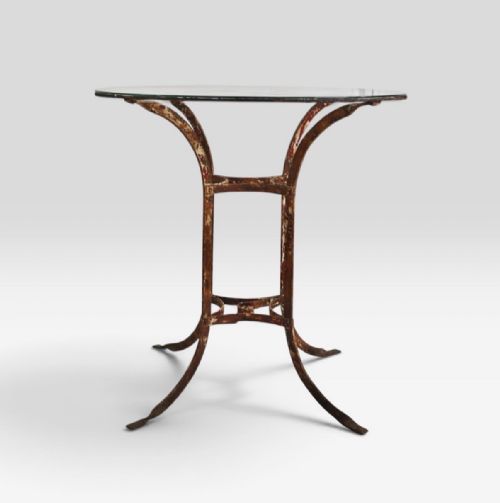
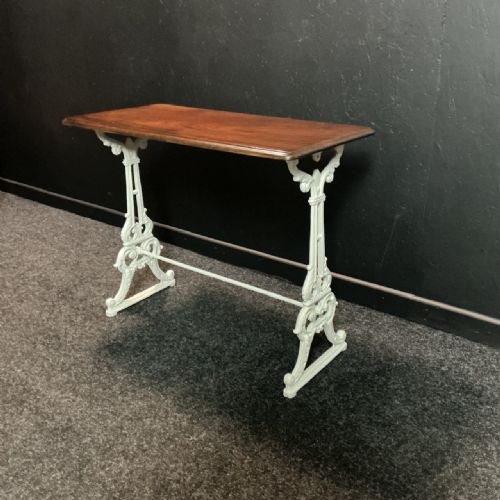
When you search for antique conservatory furniture, you encounter a diverse mix of seating, tables, and display units designed to bridge interior comfort with outdoor charm. The pieces available range from Victorian wooden benches and cast iron console tables to early twentieth-century lounge chairs and bakers racks.
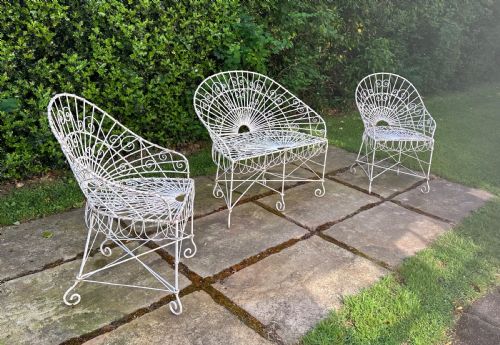
You are most likely to meet wicker seating, rattan loungers, and iron tables originating from the nineteenth and early twentieth centuries. These forms reflect both domestic relaxation and utilitarian greenhouse use, spanning periods from the Victorian era through the 1940s.
The selection encompasses distinct regional styles, including French provincial designs, Arts and Crafts pieces, and Anglo-Indian suites. Each object serves to furnish glasshouses, orangeries, and garden rooms with established historical pedigree.
How they were made
Construction relies heavily on natural organic fibres such as cane and rattan, woven into supportive seating and tables. Makers also utilised robust metals, combining cast iron and wrought iron for structural stability in humid or sunlit environments.
Wooden elements incorporate oak and painted finishes, frequently paired with marble tops or glass inserts for functional surfaces. Specialised production techniques include steam-bent wicker and estate-made metalwork, yielding durable frames designed to withstand daily use.
Materials recur across iron, cane, rattan, oak, and glass.
What varies in quality
Quality rests on the integrity of the primary material, whether that involves tight, unbroken cane weaves or heavy, stable cast iron castings. Superior examples retain their original painted surfaces, patination, and structural hardware without excessive modern intervention.
The sophistication of decorative details and joinery distinguishes standard utility items from finer workshop productions. Maker attribution, such as documented Dryad of Leicester construction, elevates the standing of individual wicker and furniture pieces.
Dryad of Leicester
The Antique Conservatory Furniture Glossary
- Cane
- A material derived from the outer bark of rattan palms, utilised for woven seats and panels. It provides a resilient, flexible surface well-suited to lighter furniture frames.
- Rattan
- A climbing palm species processed into flexible stems for structural framing and intricate basketry. It forms the lightweight core of many period loungers and chairs.
- Wrought iron
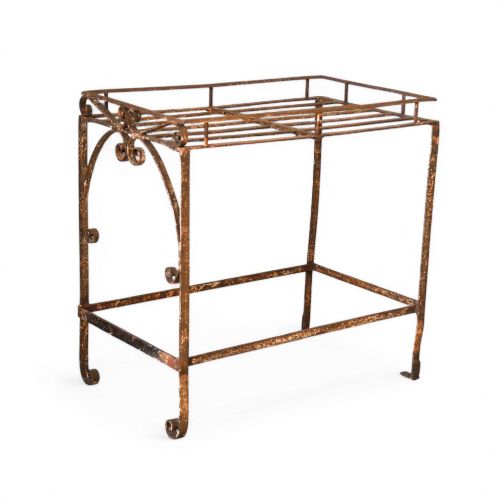
- Iron heated and hammered into shape by a blacksmith, producing durable and decorative architectural elements. It appears frequently in outdoor and conservatory tables and racks.
- Bakers rack
- A tall open shelving unit originally used in French boulangeries for cooling bread. These iron and wood structures now serve as plant stands and display shelving in conservatories.
- Orangery bench
- A heavy wooden or iron seat designed specifically for nineteenth-century glasshouses used to protect citrus trees. Their proportions accommodate extended seating amidst potted plants.
Antique Conservatory Furniture: Frequently Asked Questions
How do I care for wicker furniture?
Keep wicker and rattan pieces away from direct, prolonged sunlight and excessive moisture to prevent the natural fibres from becoming brittle.
Dust regularly with a soft brush and clean gently using a damp cloth without harsh chemical detergents.
Can these metal tables go outside?
Cast iron and wrought iron tables were built to endure garden environments, yet historic pieces benefit from sheltered placement.
Protecting them from standing water and winter frost preserves their original painted finishes and structural metalwork.
What is a bakers rack used for?
Bakers racks originally functioned in French shops for holding cooling loaves on multiple open metal shelves.
In a modern conservatory, the tiered iron and wood structure provides an ideal platform for displaying potted plants and decorative objects.
How do I date an iron garden table?
Dating relies on examining casting marks, construction joints, and the presence of hand-forged wrought elements versus mass-produced steel.
Victorian and early twentieth-century examples often display heavier mass and specific patination unique to older manufacturing methods.