




Antique Condiments Tray
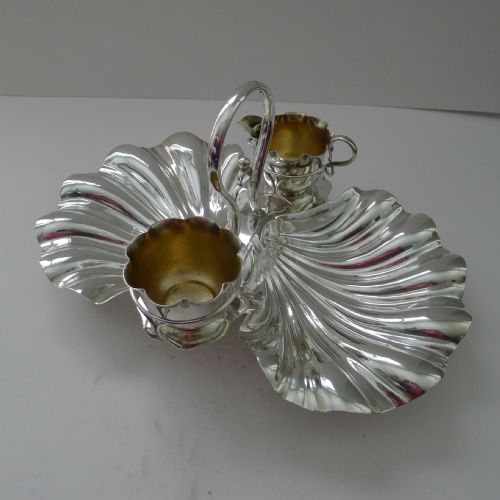
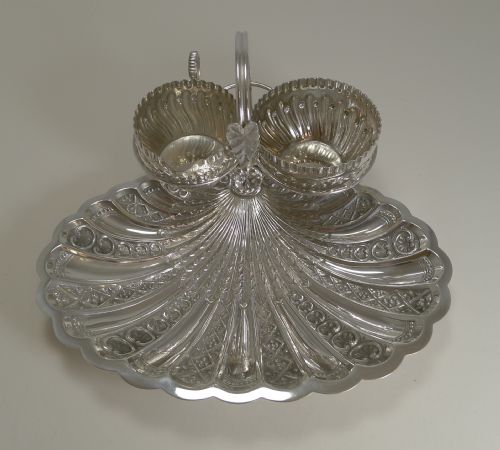
An antique condiments tray holds the table's small flavours and dressings, combining practical service with fine domestic craftsmanship.
Antique Condiments Tray
An antique condiments tray brings together various vessels for salts, relishes, sauces, and flavourings, presenting them neatly at the dining table. When exploring an antique condiments tray, buyers encounter forms ranging from simple silver-plated dishes to complex revolving stands and fitted caddies.
The selections span distinct periods, most notably the Victorian and Edwardian eras, alongside earlier Georgian porcelain pieces and later Art Deco designs. These servers often incorporate fitted glass liners or multiple compartments designed to keep distinct flavours separated during a meal.
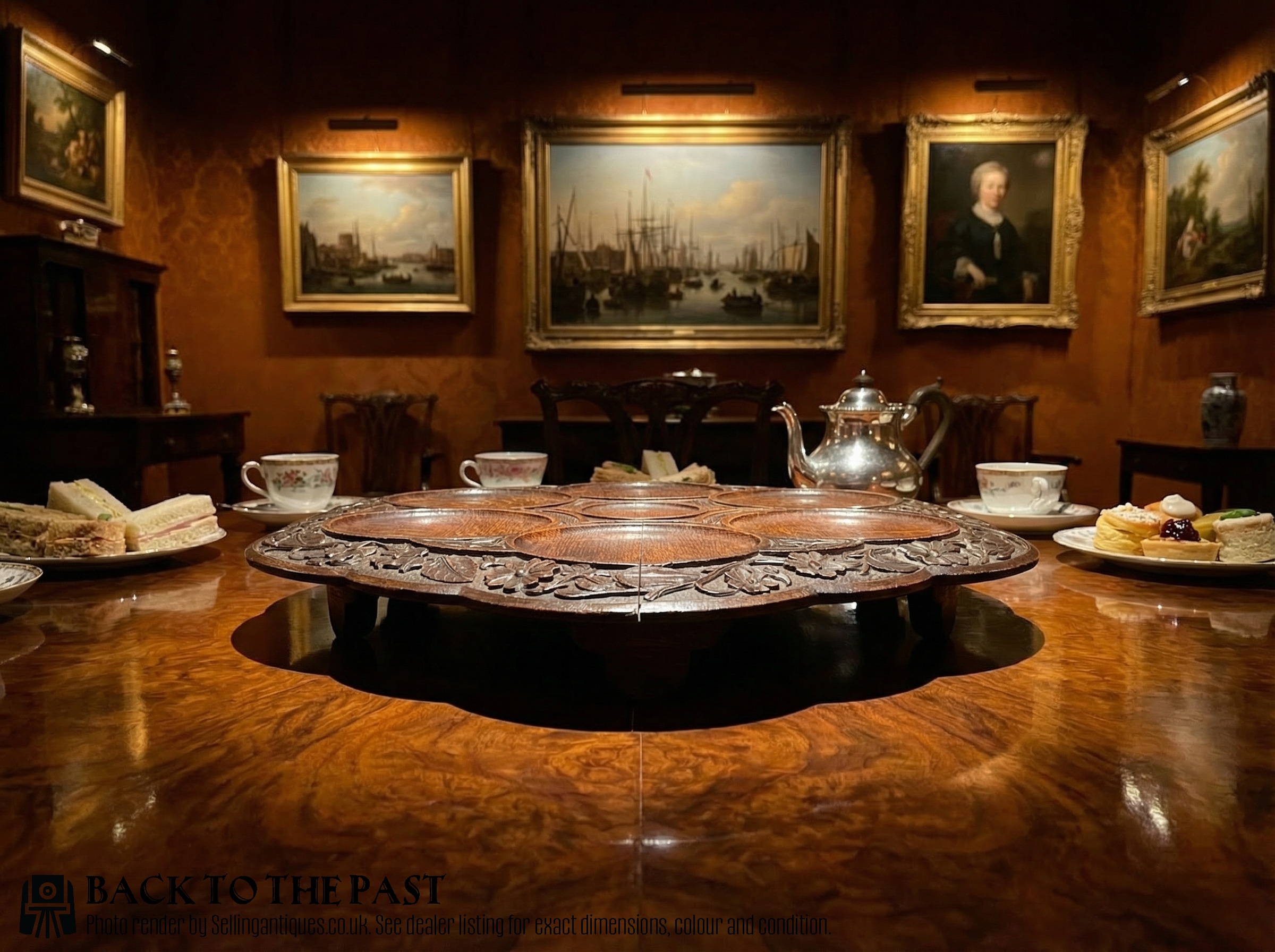
The physical formats vary widely, including lazy susans, strawberry sets with dedicated bowls, double heart-shaped dishes, and novelty cruet sets styled as miniature butlers' trays. Oak and silver plate frequently provide the structural framework, while porcelain and cut glass form the individual vessels.
Materials and construction
Makers utilised silver plate and electroplated nickel silver to construct sturdy frames and trays, frequently applying a gold wash to the interior of bowls for a richer finish. Oak also provided a solid wooden base for heavier novelty cruet sets and revolving stands.
Glass elements required advanced cutting and moulding techniques, resulting in heavy lead crystal and cut glass liners that sat securely within metal frameworks. Porcelains, such as soft-paste porcelain from factories like Liverpool Pennington and Coalport, were shaped into delicate leaf trays and supper sets.
Some Victorian cruet stands were cleverly disguised as miniature furniture, allowing butlers to serve mustard and vinegar from tiny mahogany tables.
Measures of quality
Quality rests upon the integrity of the materials and the precision of the assembly, distinguishing heavy lead crystal and thick silver plate from lighter, simpler wares. Pieces that retain their original glass liners and matching vessels command greater appreciation among collectors.
The reputation of the maker, whether a known firm like Mappin & Webb or Daniel Arter, influences the standing of a piece through finer chasing, cleaner casting, and balanced proportions. Novelty forms and complex mechanisms, such as working lazy susans, demonstrate higher standards of period craftsmanship.
Daniel Arter·Mappin & Webb·Roberts and Belk·Liverpool Pennington·Coalport Porcelain
The Antique Condiments Tray Glossary
- Cruet set
- A matched group of small bottles, jars, or castors designed to hold condiments like oil, vinegar, salt, and pepper. These sets usually sit within a dedicated metal frame or tray for easy movement around the table.
- Electroplated nickel silver
- A base metal alloy of copper, nickel, and zinc coated with a thin layer of pure silver through an electrolytic process. This technique became widespread in the nineteenth century for producing durable tableware.
- Soft-paste porcelain
- A ceramic composition fired at lower temperatures than hard-paste porcelain, resulting in a warm texture and a slightly porous body. It was widely used by eighteenth-century English potteries before bone china became dominant.
- Lazy susan
- A revolving circular tray placed on a table to allow easy sharing of dishes and condiments among diners. Early examples turned on central pivots housed within wooden or metal structures.
- Gold wash
- A thin layer of gold applied to the interior surface of silver or silver-plated vessels, often called vermeil. This treatment protected the base metal from corrosive food acids.
Antique Condiments Tray: Frequently Asked Questions
What is an antique condiments tray used for?
These trays held sauces, salts, pickles, and seasonings within easy reach of diners at the formal dining table. They organised multiple vessels onto a single portable stand.
Over time, dining habits shifted, but these trays remained decorative and functional centrepieces for serving small side dishes.
Are original glass liners important?
Original glass liners match the exact contours and period style of the metal tray or frame, making them highly desirable for authenticity. Replacements can be found, but matched originals complete the piece.
Check for small chips along the rims where the glass meets the metal mounts.
How can I tell a Victorian tray from an Edwardian one?
Victorian trays often display heavier ornamentation, ornate floral chasing, and robust proportions typical of the nineteenth century. Edwardian pieces generally lean towards lighter, airier designs influenced by neoclassical revivals.
Maker marks and registration numbers stamped on the metal can help narrow down the exact decade of production.