




Antique Computer Table
An antique computer table provides sturdy timber construction and ample surface space, offering a practical workspace for modern technology.
Antique Computer Table
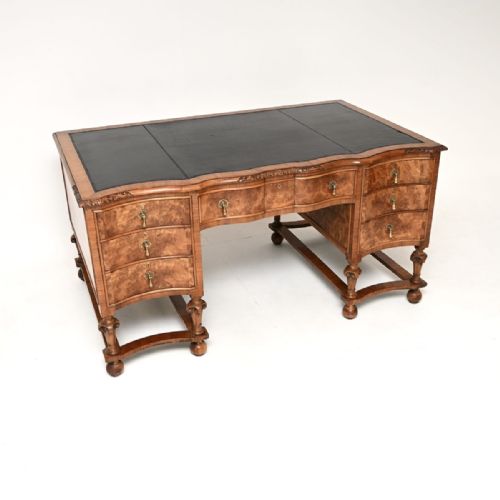
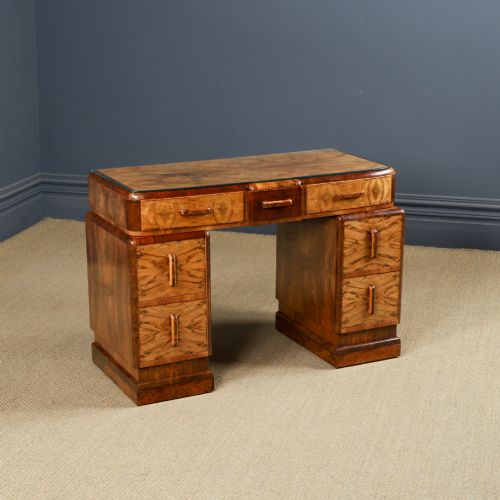
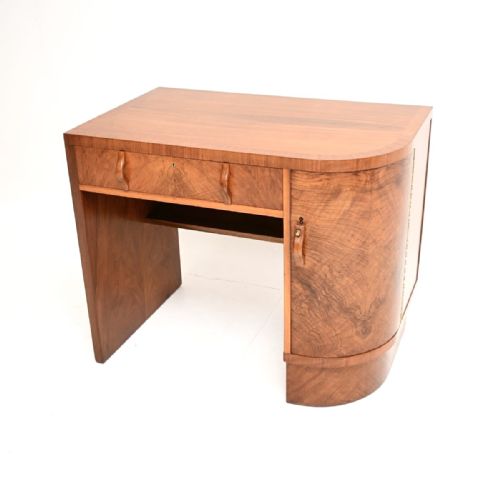
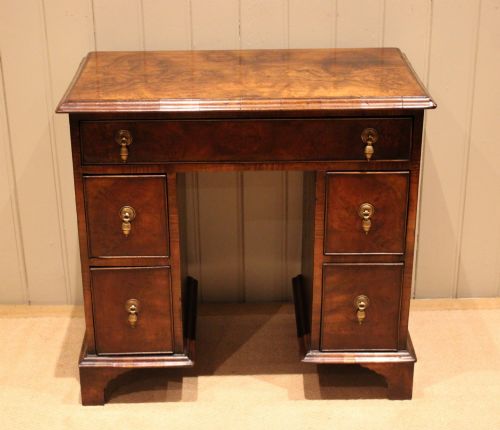
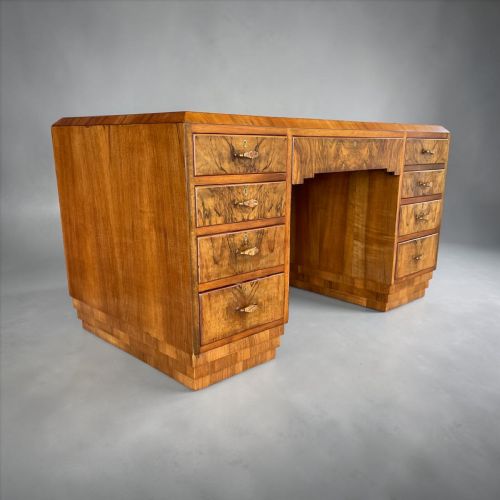
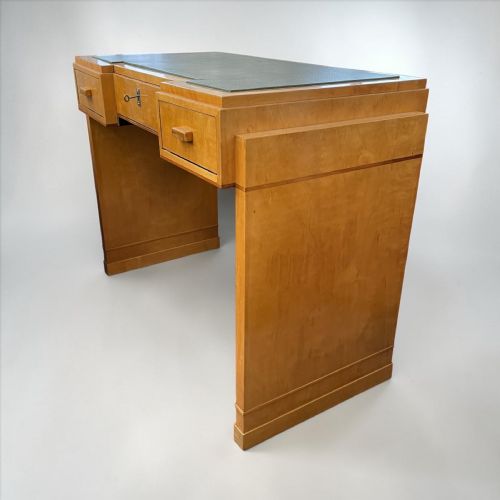
An antique computer table repurposes traditional writing surfaces, pedestal desks, and library tables for modern technology. These pieces originate across the nineteenth and early twentieth centuries, spanning Victorian, Edwardian, and Art Deco periods.
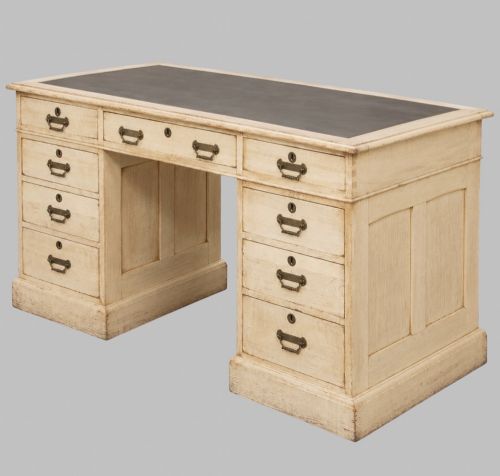
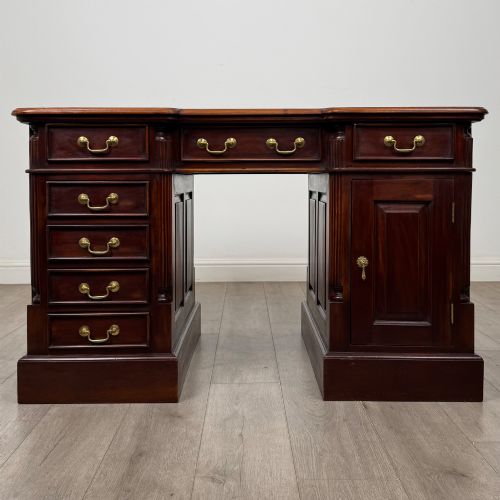
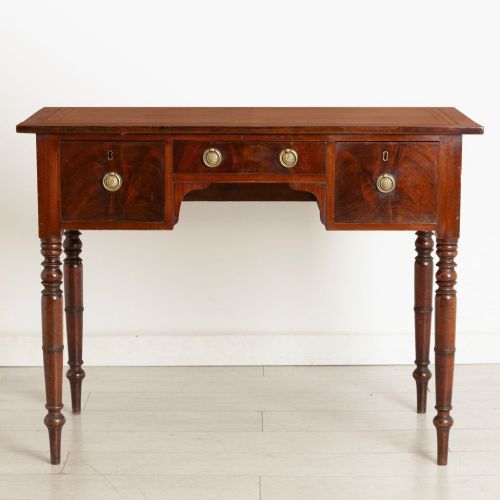
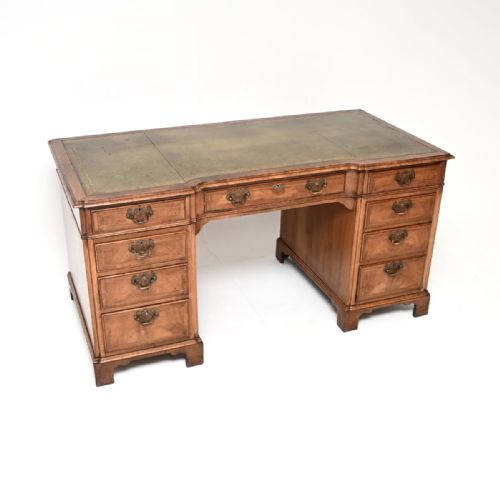
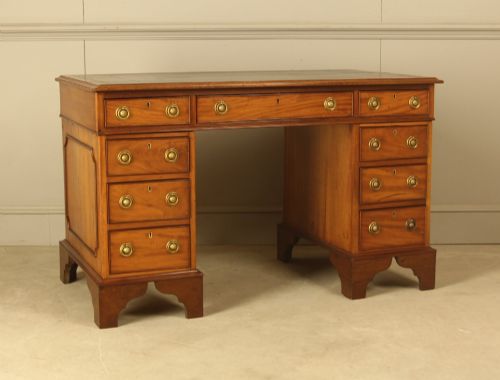
The most common forms found here are pedestal desks and writing tables equipped with kneeholes and ample surface area. Cabinet makers constructed these heavy timber items long before personal computers existed, yet their dimensions suit modern monitors and laptops.
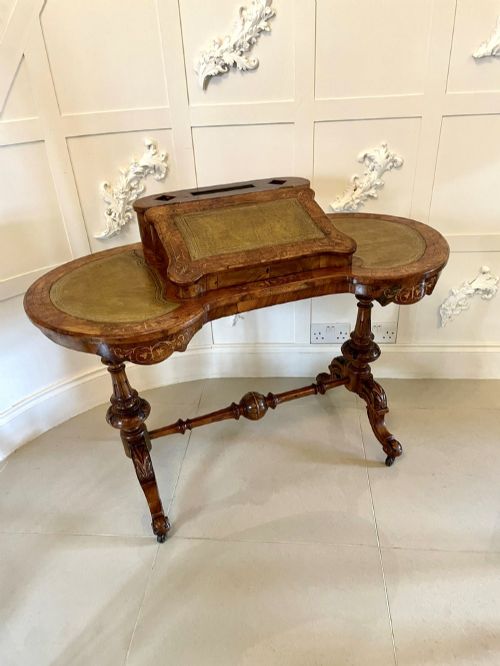
Makers built these items in mahogany, oak, walnut, and rosewood, often incorporating leather writing inserts and multiple drawers. Buyers select them to integrate traditional craftsmanship into contemporary home offices.
How they were made
Cabinet makers utilised solid timbers such as mahogany, oak, and walnut, frequently applying burr walnut and burr elm veneers to visible surfaces. They constructed pedestals and frameworks using traditional joinery, integrating brass hardware and leather inserts.
Surface decoration ranges from carved pillars and inlaid details to figured wood grains and painted finishes. Artisans built these tables to withstand heavy daily use in studies and libraries, employing durable framing techniques.
Antique Computer Table Retail Price Guide 2026
Typical asking prices for computer table among the pieces listed under this phrase on Sellingantiques today, from the lower quarter to the upper quarter. They describe what is for sale here now, not the wider market.
Listings feature pedestal desks and writing tables constructed from mahogany, oak, walnut, burr elm, and pitch pine across Victorian and Art Deco periods.
What varies in quality
The choice of timber and veneer dictates the distinction between standard office furniture and fine reception pieces. Figured grains, burr walnut veneers, and solid mahogany frame constructions elevate the visual weight of the desk.
The presence of original handles, intact leather skivers, and maker signatures separates ordinary examples from exceptional workshop productions. Structural proportion and clean integration of pedestals define the best specimens.
Maple and Co·Edwards and Roberts
The Antique Computer Table Glossary
- Pedestal desk
- A heavy freestanding desk comprising two stacked drawer modules beneath a work surface with a central kneehole. These configurations provide substantial storage alongside a broad desktop.
- Burr walnut
- A prized timber veneer sliced from the gnarled growths of walnut trees, displaying intricate swirling patterns. Cabinet makers utilised this material on primary display surfaces.
- Skiver
- A panel of leather inset into the top surface of a desk to provide a smooth writing plane. These panels often feature gilt tooling along the borders.
- Kneehole
- The central recessed space beneath a desk designed to accommodate the user's legs. This architectural feature divides twin pedestals of drawers.
- Partners desk
- A large double-sided desk built with drawers and cupboards accessible from both faces. These pieces allowed two people to work opposite one another.
Antique Computer Table: Frequently Asked Questions
Can I fit a modern monitor on an antique desk?
Most pedestal desks and library tables provide sufficient surface depth and width to accommodate modern screens and keyboards comfortably.
Traditional writing tables offer generous clearances, though buyers should verify the exact depth of the writing surface before placing large technological equipment upon it.
How do I protect the leather top?
Applying a neutral leather cream helps maintain the suppleness of historical hide inserts without altering the original colour or finish.
Writing pads or desk mats prevent scratches from modern accessories while preserving the original gilt-tooled leather surface underneath.
Are these desks sturdy enough for daily work?
Nineteenth and early twentieth-century desks use dense hardwoods like mahogany and oak, designed to endure decades of heavy administrative use.
Their robust timber frames and dovetailed drawer construction easily support contemporary office equipment and continuous daily sitting.
How do I identify a Victorian pedestal desk?
Victorian examples typically feature heavy mahogany or walnut construction, twin pedestals with multiple graduated drawers, and panelled backs.
Many incorporate inset leather writing surfaces and original brass pulls, reflecting the formal aesthetic of nineteenth-century studies.