




Antique Compass Dial
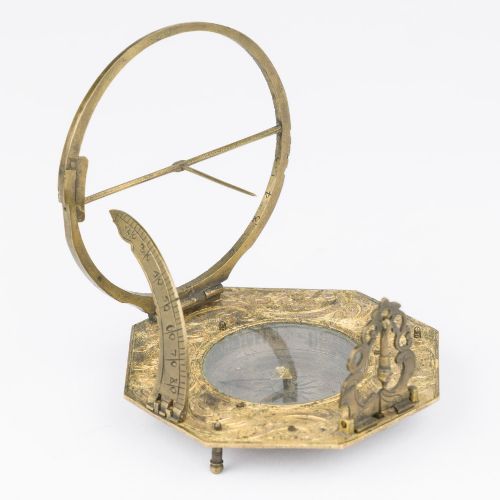
These antique compass dial pieces are precision instruments combining navigation and timekeeping, combining brass, wood, and glass for practical use and display.
Antique Compass Dial
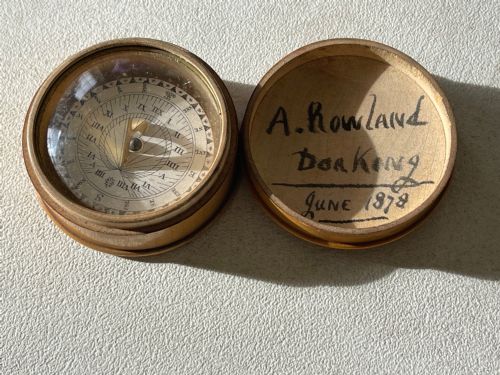
When you search for antique compass dial, you meet a range of portable scientific instruments designed for navigation, timekeeping, and geomancy. These items span periods from the eighteenth century through the Victorian era and into the Art Deco period of the nineteen thirties.
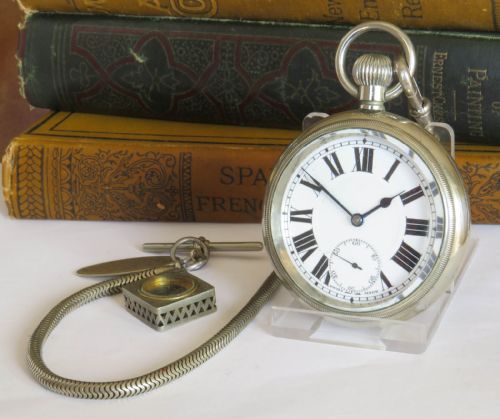
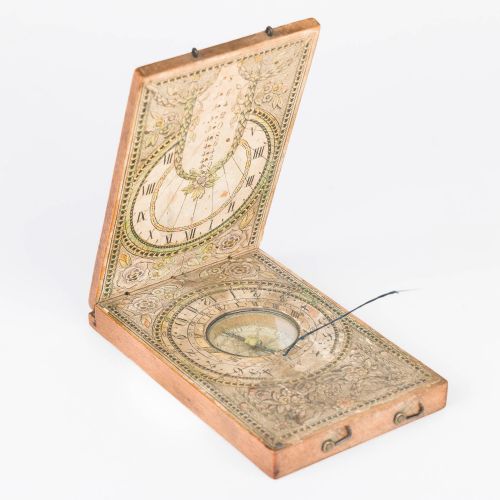
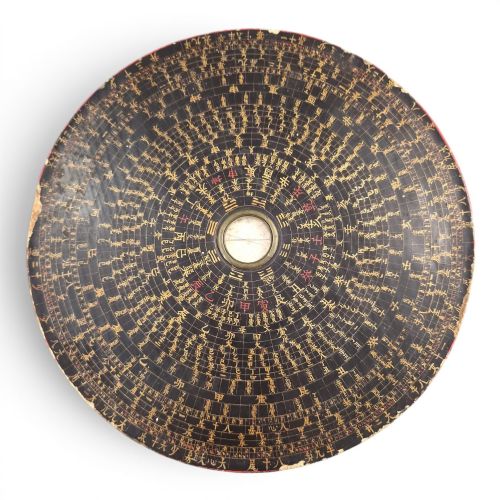
The forms vary from pocket compasses and pocket watches with integrated fobs to larger desk compasses and portable diptych sundials. You will encounter Georgian and Victorian maritime examples alongside specific regional items such as Chinese Guangdong luopan geomantic compasses.
Materials include brass, mahogany, glass, silvered metal, and paper, frequently housed in fitted wooden cases or treen containers. These pieces reflect the technological and navigational needs of their respective eras, from pocket-sized personal items to larger stationary desk instruments.
How they were made
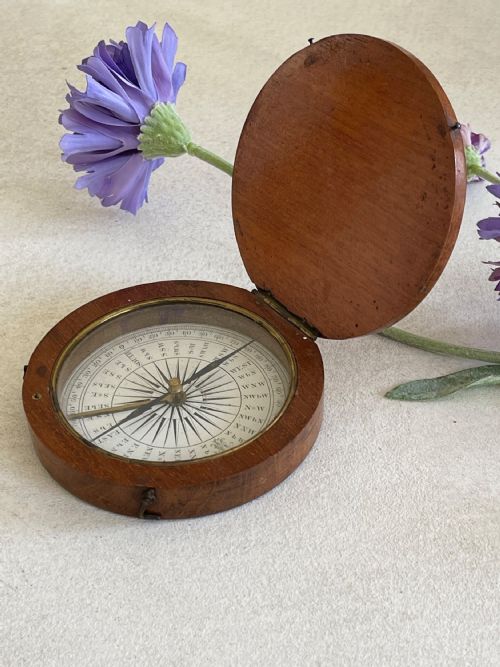
Makers utilised brass and silvered metal for dials and indicators, housing movements and magnetic needles within fitted wooden enclosures made of mahogany or treen. Glass protected delicate paper dials and metal needles while allowing clear visibility for the user.
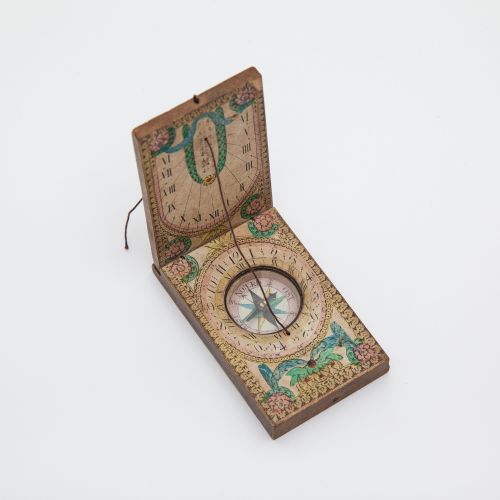
Construction involved precise metalworking for graduations and inscriptions, often complemented by hand-painted or printed paper compass cards. Portable diptych dials incorporated hinged wooden sections to align folding sundials alongside the central compass.
Antique Compass Dial Retail Price Guide 2026
Typical asking prices for compass dial among the pieces listed under this phrase on Sellingantiques today, from the lower quarter to the upper quarter. They describe what is for sale here now, not the wider market.
The listings feature brass, mahogany, and silvered metal across periods spanning the eighteenth century to the nineteen thirties.
What varies in quality
The standard of a piece rests on the precision of its engraved markings, the clarity of its silvered metal or paper dials, and the integrity of its housing. Finer examples display crisp maker signatures and robust brass fittings that maintain alignment over time.
Desk and pocket models differ in the complexity of their mechanisms, such as the inclusion of inclinometers or paired sundial components. Superior pieces retain original glass and undamaged wooden cases, reflecting greater care in their initial production.
Andreas Vogler·John Newman of Regent Street·R. Field & Son, Birmingham
The Antique Compass Dial Glossary
- Diptych-dial
- A portable sundial and compass combination featuring two hinged leaves that fold together for travel. These instruments rely on a string gnomon and magnetic orientation to tell time.
- Luopan
- A Chinese geomantic compass used in Feng Shui practice, featuring multiple concentric rings of magnetic and astrological information. Guangdong examples represent notable regional traditions of manufacture.
- Inclinometer
- An instrument for measuring the angle of a slope or tilt, sometimes incorporated into desk compasses to aid navigation and measurement. This feature adds mechanical complexity to the instrument.
- Treen
- Small handmade wooden household objects and utilitarian items turned on a lathe. Pocket compasses housed in turned wooden shells demonstrate this specific material application.
- Silvered metal
- A base metal treated with a thin layer of silver to create a bright, reflective dial surface. Graduations and numbers are typically etched or engraved into this surface for legibility.
Antique Compass Dial: Frequently Asked Questions
What is an antique compass dial?
An antique compass dial is a portable or desk-mounted scientific instrument that combines a magnetic compass with a sundial or timepiece. These devices were utilised for navigation, surveying, and telling time.
They reflect the technology of periods ranging from the eighteenth century to the nineteen thirties. Materials typically include brass, mahogany, glass, and paper.
How were diptych dials used?
Diptych dials were utilised as portable timekeeping and navigational tools by travellers and surveyors. The hinged wooden leaves folded flat for carriage and opened to align a string gnomon with the sun.
The integrated compass ensured the device pointed toward magnetic north for accurate time reading. They functioned as self-contained units requiring no external clockwork.
How do I identify Victorian compasses?
Victorian compasses often appear as larger desk instruments or pocket-sized treen and mahogany pieces. They display the characteristic metalwork and typography of the nineteenth century.
Specific examples include maritime designs and specialised surveying equipment. Maker signatures on the dial or casing frequently help confirm the period of origin.
What are Chinese luopan compasses?
Chinese luopan compasses are specialised geomantic instruments used in traditional Feng Shui practice. They feature a central magnetic needle surrounded by numerous concentric rings of Chinese characters.
Guangdong examples demonstrate regional manufacturing traditions from the nineteenth century. These items served a different purpose than Western navigational compasses.