



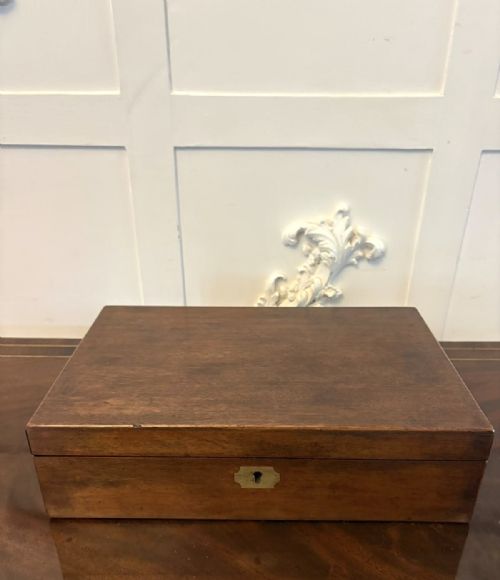


Antique Compartment Box
An antique compartment box organises small valuables, tea or correspondence with hidden drawers, clever lids and fitted interiors.
Antique Compartment Box
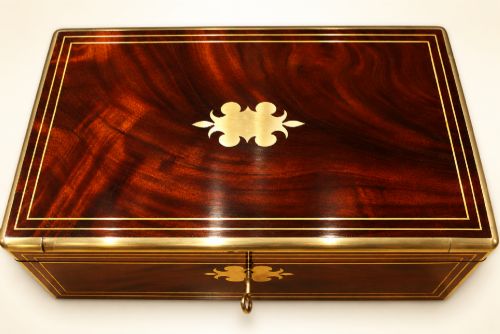
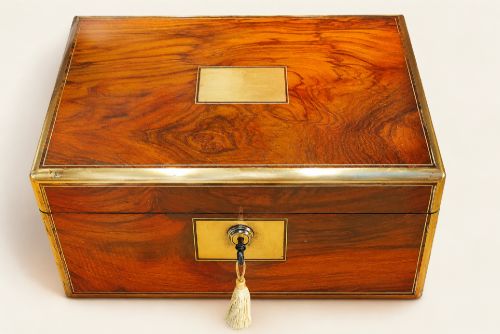
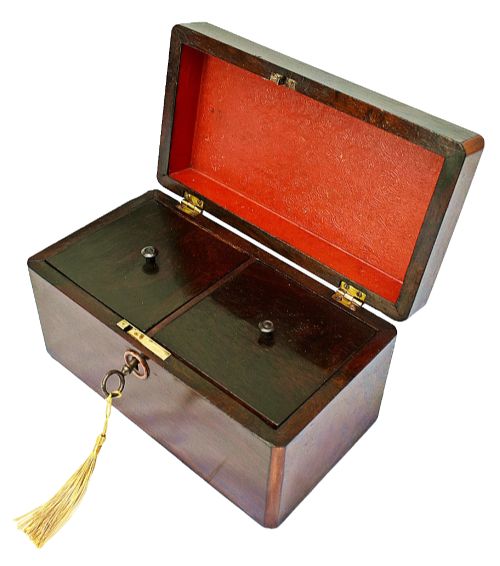
An antique compartment box encompasses a variety of fitted containers designed to organise tea, stationery, stamps or coins. These objects originate from several eras, spanning the Georgian, Victorian and Edwardian periods.
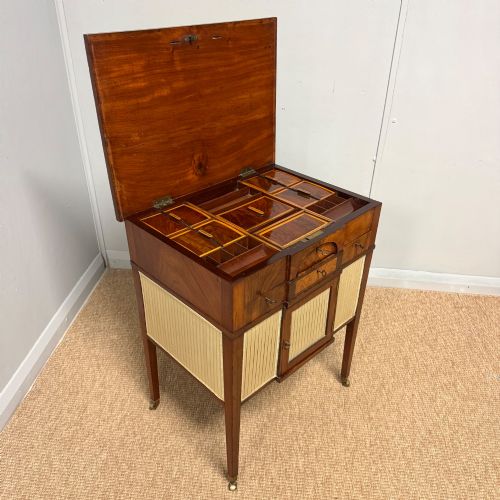
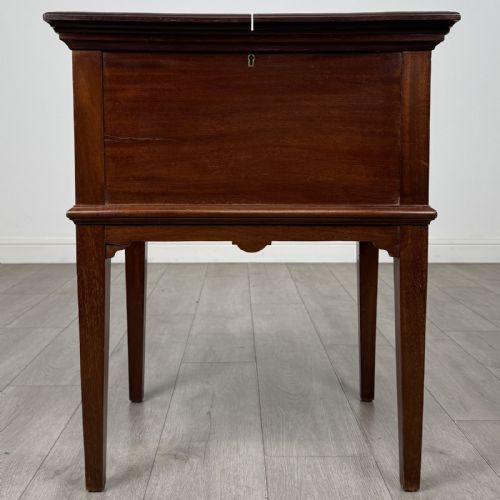
The assortment includes tea caddies, writing slopes, stamp holders, storage chests and desk accessories. Many incorporate secret drawers, hidden compartments or clever mechanisms intended to secure personal belongings.
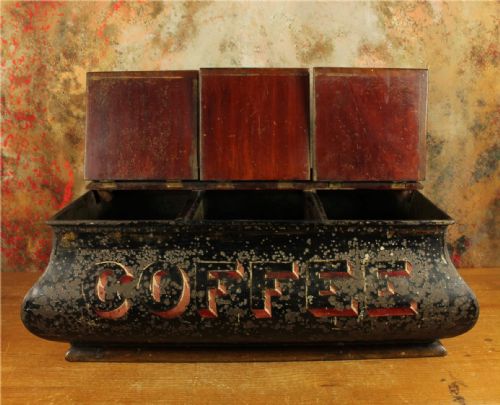
Materials range from dense hardwoods such as mahogany, rosewood and burr walnut to metals including brass and silver, alongside occasional pieces in glass, pine and toleware.
How they were made
Cabinetmakers utilised durable timbers like mahogany, walnut and harewood, frequently applying decorative veneers or brass banding to the exterior surfaces. Interiors were carefully fitted with dividers, removable trays and secret compartments constructed from secondary woods.
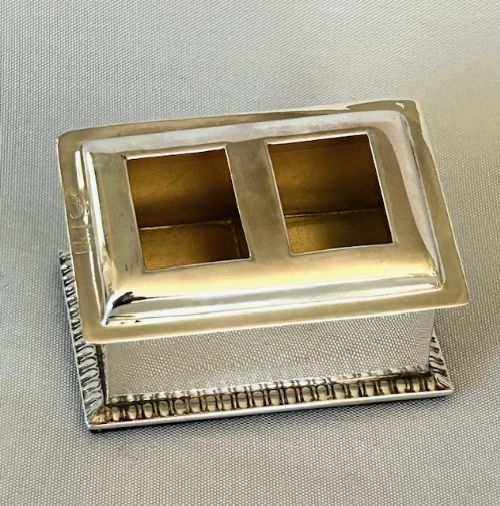
Silversmiths and metalworkers shaped sterling silver, brass and iron into stamp boxes, snuff boxes and combination cases, often incorporating hinged lids and secure latches. Surface decoration involved penwork, inlay, carving and painted toleware finishes.
Antique Compartment Box Retail Price Guide 2026
Typical asking prices for compartment box among the pieces listed under this phrase on Sellingantiques today, from the lower quarter to the upper quarter. They describe what is for sale here now, not the wider market.
What varies in quality
The standard of a piece depends on the precision of the joinery and the complexity of its internal mechanics. Smooth operation in secret drawers, tightly fitted lids and well-matched timber veneers indicate superior craftsmanship.
Quality also rests on the choice of materials and the integrity of the hardware. Solid brass mounts, finely carved details and intact interior linings distinguish finer examples from simpler utilitarian storage chests.
George Austin of Dublin·Stobwasser
The Antique Compartment Box Glossary
- Writing slope
- A portable desk with a hinged, slanted writing surface that opens to reveal internal storage compartments and inkwell recesses. These boxes often include secret drawers operated by hidden wooden pins.
- Toleware
- Painted or lacquered sheet metal items, often used for domestic storage or commercial display. These pieces display decorative surface finishes applied to tin or iron bases.
- Penwork
- A surface decoration technique utilising ink or pyrography to draw intricate designs directly onto a wooden base. This detailed ornamentation was popular on decorative boxes during the early nineteenth century.
- Vesta case
- A small pocket container designed to hold wax matches safely, sometimes combined with stamp compartments or snuff boxes in a single metal accessory.
Antique Compartment Box: Frequently Asked Questions
What is an antique compartment box?
An antique compartment box is a fitted container created to store precious items, writing materials, or tea leaves. These pieces feature internal divisions, trays, or hidden drawers designed to keep contents organised.
Examples range from wooden writing slopes and tea caddies to silver stamp holders and metal snuff boxes produced across the eighteenth, nineteenth, and early twentieth centuries.
How do secret compartments work?
Secret compartments in antique boxes typically rely on hidden wooden springs, sliding panels, or secondary latches concealed behind removable trays. Users must release a specific pin or lift a divider in a precise sequence to access the hidden space.
Cabinetmakers integrated these clever mechanisms to secure valuables, correspondence, or private monies away from casual view.
What woods were used for these boxes?
Cabinetmakers utilised a wide selection of timbers, favouring dense hardwoods such as mahogany, rosewood, walnut, and harewood for finer pieces. Burr veneers and contrasting string inlay frequently decorated the exterior surfaces.
Secondary woods like pine or oak appear in the interior construction of drawers, partitions, and carcases.
How do I care for wooden compartment boxes?
Wooden boxes require placement away from direct sunlight and sudden temperature shifts to prevent the timber and veneers from warping or cracking. Maintaining a stable indoor environment preserves the delicate hinges and interior fittings.
Occasional light dusting with a dry cloth keeps the polished surfaces clean without damaging historical finishes.