





Antique Companion Box
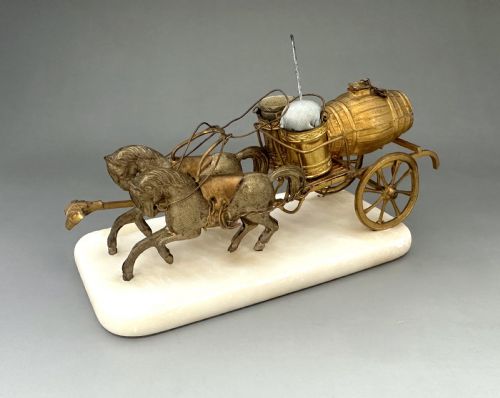
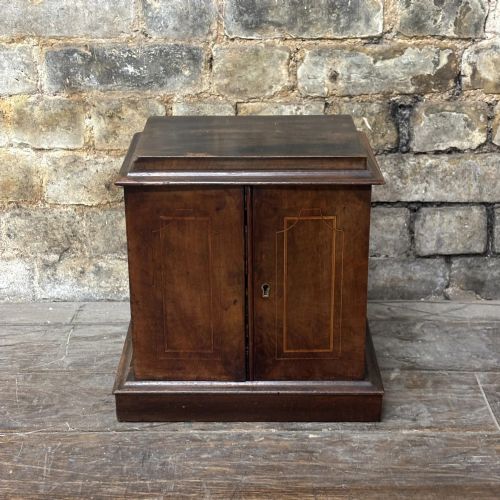
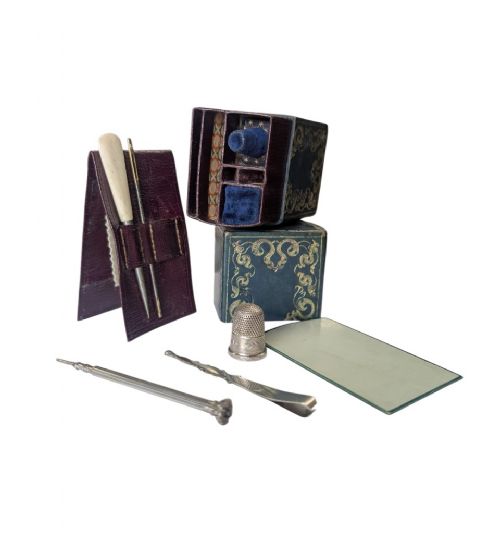
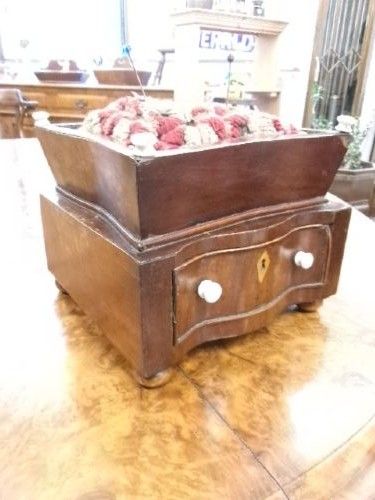
An antique companion box gathers the small, purposeful items of a room into an orderly vessel, from smoking compendiums to writing slope fitted cases.
Antique Companion Box
The term antique companion box covers a variety of specialised tabletop and fireside containers designed to hold specific implements for writing, smoking, and sewing. Buyers seeking this form encounter items spanning the Victorian, Edwardian, and Regency periods, constructed from woods like oak and walnut alongside brass and glass.
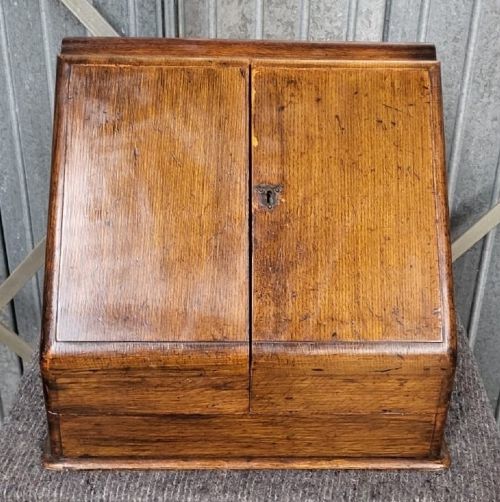
The most common formats found in this category include stationery cabinets, smokers cabinets, and desk stands fitted with cut glass inkwells. These pieces reflect the specific domestic and study habits of the nineteenth and early twentieth centuries, functioning as both functional furniture and decorative objects.
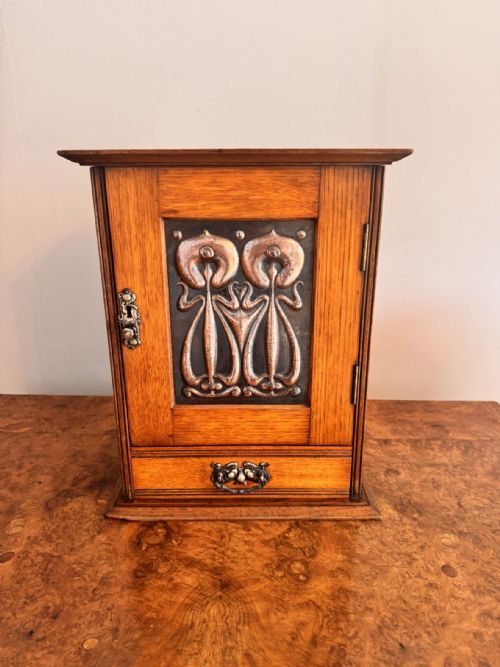
Origins range from English workshops to French makers, with styles varying from Gothic Revival and Art Nouveau to plain Georgian lines. Each container serves a distinct domestic purpose, keeping pipes, letters, or sewing tools together in a single place.
Materials and construction
Makers utilised dense timbers such as oak, mahogany, walnut, and coromandel to build the structural carcases of these boxes, often applying brass mounts, inlay, or mother-of-pearl for ornamentation. Leather and velvet linings frequently appear inside writing slopes and instrument trays to protect delicate contents.
Metalwork played a structural and decorative role, with brass, ormolu, and silver plated components forming hinges, handles, inkwell collars, and smoking accessories. Glass was cast into heavy cut inkwells and internal bottles, fitted precisely into wooden compartments.
Antique Companion Box Retail Price Guide 2026
Typical asking prices for companion box among the pieces listed under this phrase on Sellingantiques today, from the lower quarter to the upper quarter. They describe what is for sale here now, not the wider market.
Listings feature woods such as oak, walnut, mahogany, and coromandel, combined with brass, silver, and cut glass across the Victorian and Edwardian periods.
Assessing quality in a companion box
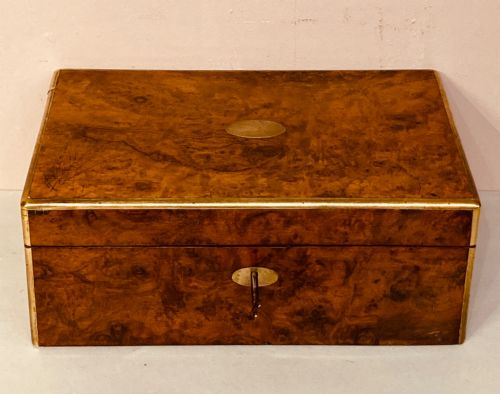
Quality depends on the precision of the joinery and the selection of timber figure, such as burr walnut or figured mahogany. Superior examples integrate internal fittings seamlessly, with original glass inkwells, matching keys, and intact velvet or leather linings.
The standard of decorative metalwork and carving distinguishes finer pieces from ordinary production. Hand-chased mounts, heavy cast brass, and detailed cabinetwork separate top tier pieces from utilitarian containers.
Christopher Dresser·Marson and Jones·Wright and Davies
The Antique Companion Box Glossary
- Stationery cabinet
- A desktop box designed to hold writing paper, envelopes, and occasionally an adjustable calendar or ink bottles. These pieces often feature tiered interior slots and double doors.
- Smoker's cabinet
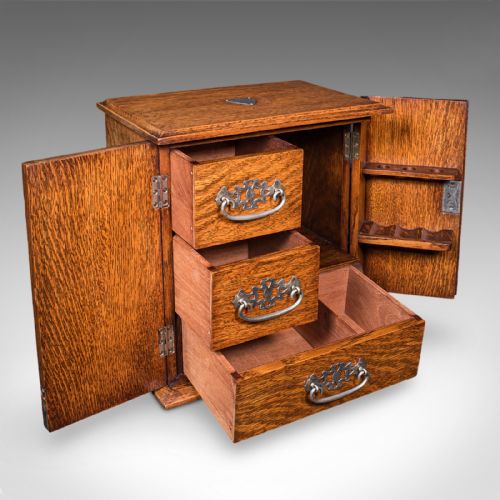
- A specialised box or small cupboard intended for pipes, tobacco, and cigars, frequently incorporating interior drawers and ceramic mixing bowls. They date largely from the Victorian and Edwardian eras.
- Inkstand
- A tray or stand holding one or more inkwells, often accompanied by pen troughs and sanders. Finer versions combine silver, cut glass, and exotic woods like coromandel.
- Purdonium
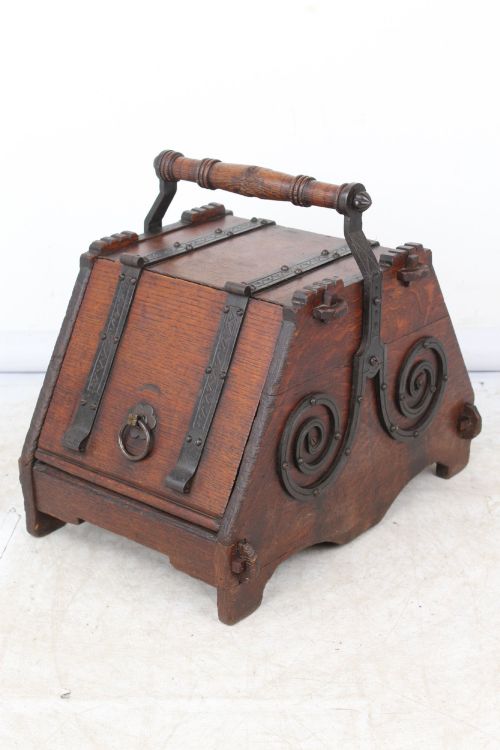
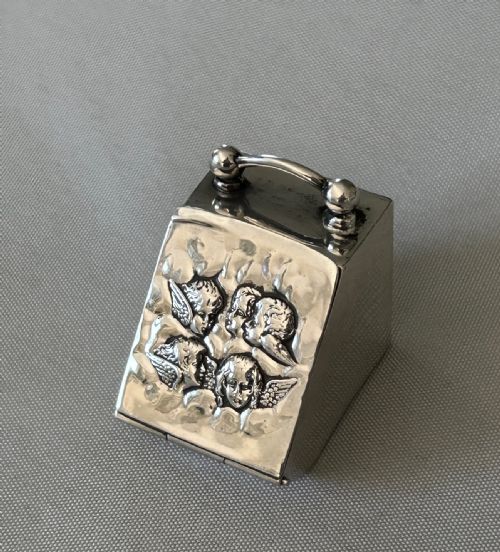
- A domestic box or cabinet designed to hold coal by the fireside, often styled as an aesthetic companion to other hearth furnishings.
- Writing slope
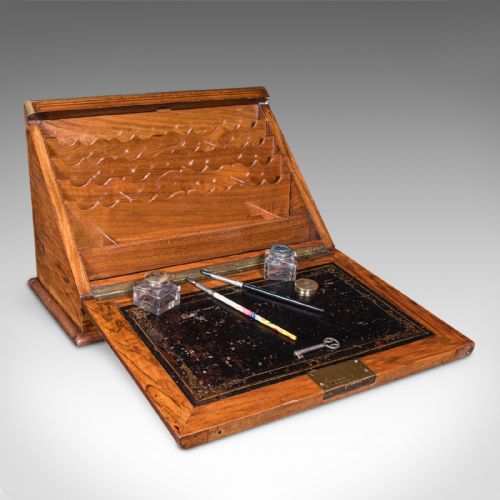
- A box with a sloping hinged lid that opens to reveal a writing surface, pen trays, and secret compartments for documents and stamps.
Antique Companion Box: Frequently Asked Questions
What is the difference between a desk stand and a stationery box?
A desk stand is an open tray holding inkwells and pens for immediate use. A stationery box is a closed cabinet designed to store paper and envelopes upright.
Desk stands sit flat on a writing surface for daily correspondence. Stationery boxes protect paper inside doors or lifting lids.
How were smokers cabinets used?
Smokers cabinets stored tobacco, pipes, and cigars securely in the Victorian and Edwardian eras. They kept smoking paraphernalia contained and dry.
Many included specialised racks for clay or briar pipes and small drawers for loose leaf tobacco. Some incorporated locking doors to restrict access.
Are inkwells usually original to the box?
Many boxes retain their original cut glass inkwells, though replacements are common. Matching glass quality and collar metals helps determine originality.
Original inkwells fit the designated compartments precisely without excess movement. Replacements often differ slightly in glass tint or cutting style.
How do I date a Victorian companion box?
Dating relies on timber choices, brass hardware styles, and manufacturing techniques. Victorian pieces often use walnut or oak with Gothic or Arts and Crafts influences.
Later pieces from the Edwardian period typically feature lighter mahogany and simpler inlaid decoration. Maker marks and registration numbers also provide specific dates.