


Antique Compact Bureau
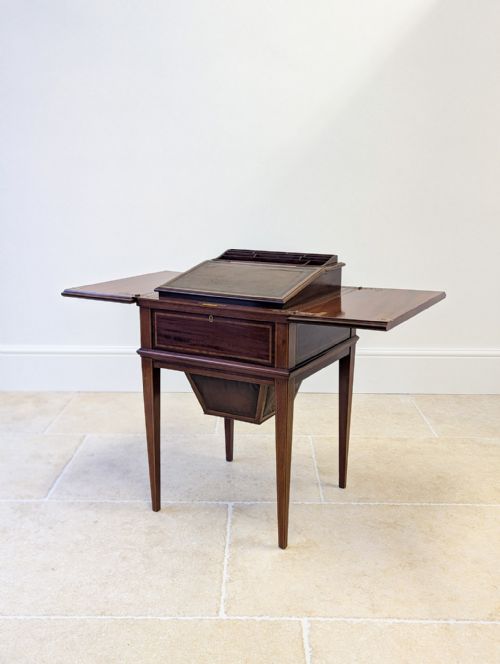
An antique compact bureau provides a practical writing surface and enclosed storage, offering an ideal solution for small rooms.
Antique Compact Bureau
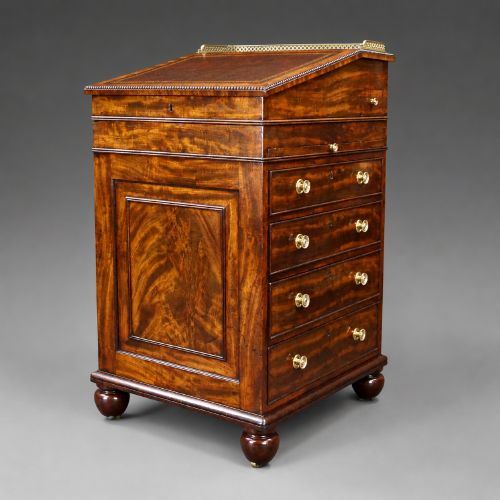
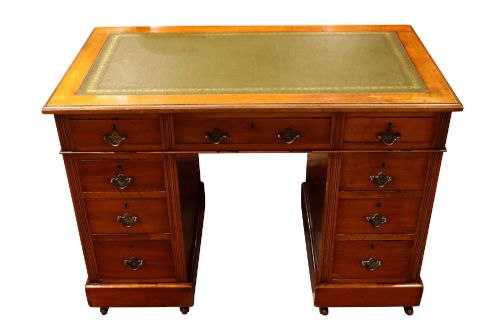
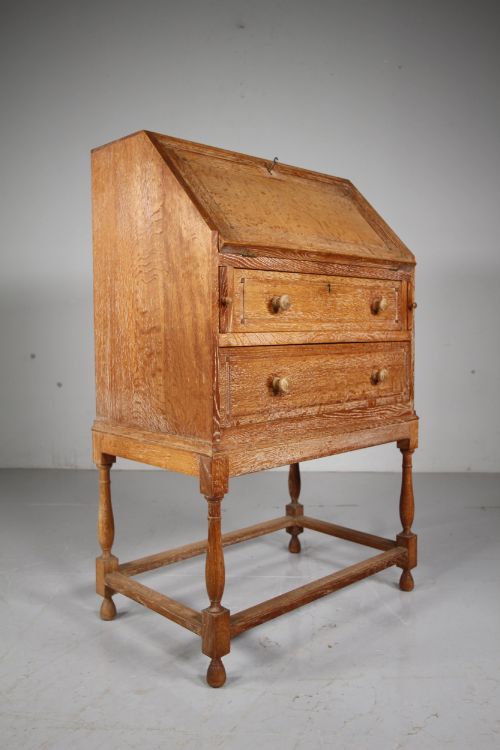
An antique compact bureau combines a writing slope with drawers or pigeonholes, often taking the form of a fall-front desk or a small pedestal writing table. Buyers seeking an antique compact bureau will discover pieces originating from the 18th century through to the 1930s, encompassing Georgian, Victorian, Edwardian, and Art Deco periods.
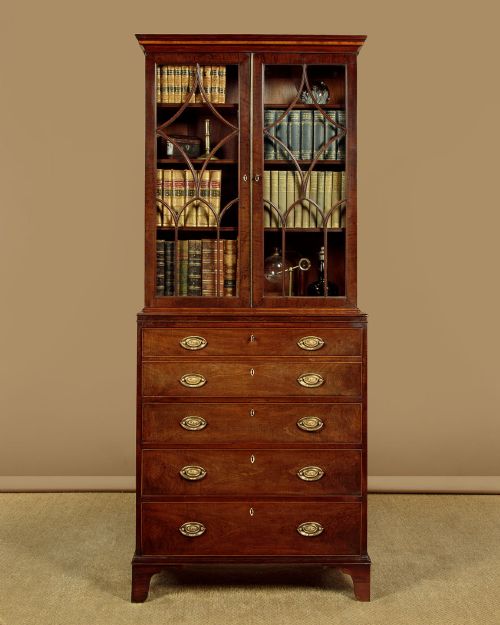
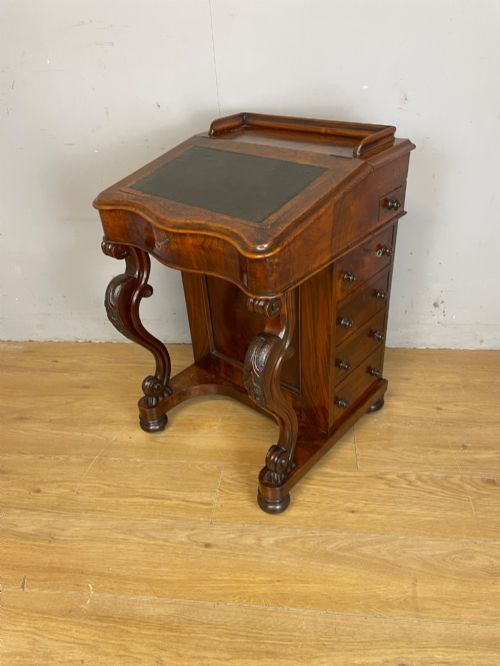
The selection frequently includes smaller proportions such as Davenport desks, bureau bookcases, and compact writing cabinets designed for limited spaces. Oak, mahogany, and walnut appear regularly alongside specialist forms like the bureau on stand or the bachelor's chest.
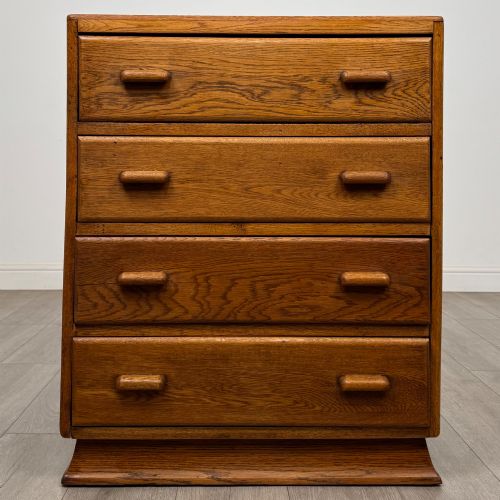
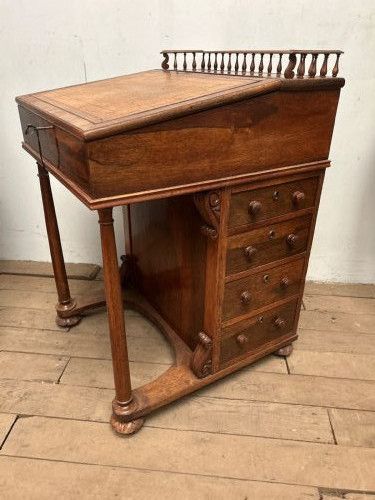
Edwardian oak examples and Victorian walnut Davenport desks dominate the current offerings, alongside Georgian mahogany variations. These smaller writing desks reflect the domestic requirements of their respective eras, prioritising enclosed workspace and drawer storage.
Materials and construction
Cabinet makers utilised dense hardwoods including mahogany, oak, and walnut, frequently applying burr walnut or flame mahogany veneers to primary surfaces. Brass hardware, leather writing inserts, and occasional glass bookcase doors complete the construction of these writing pieces.
Joinery methods range from traditional dovetail drawers found in 18th-century pieces to the linear forms of Art Deco and Arts and Crafts production. Selected items incorporate specialised timbers such as rosewood, yew wood, amboyna, and golden oak.
Cabinet makers utilised seven primary woods, ranging from common oak to exotic amboyna and rosewood.
Determinants of quality
The standard of craftsmanship shows in the selection of timber figure, such as matching flame mahogany or burr walnut veneers across the fall front and drawer facades. Superior construction relies on tightly fitted internal pigeonholes, smooth drawer action, and the integrity of secondary timbers.
Maker attribution and original labelling elevate certain pieces, demonstrated by documented workshops like Gillows or Heals. The precision of inlay work, brass mounts, and the preservation of original leather writing surfaces further differentiate the standard of execution.
Gillows·Heals of London·F.H. Marshall & Co Glasgow·Bryn Mawr Welsh Oak
The Antique Compact Bureau Glossary
- Bureau
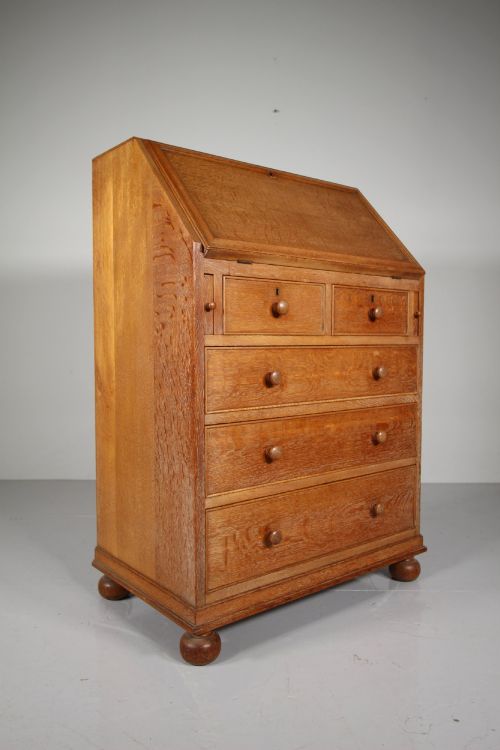
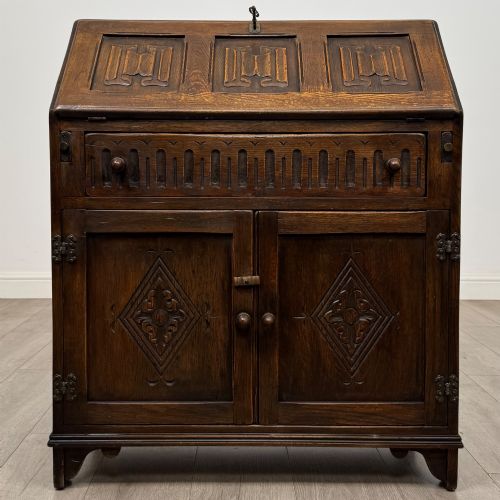
- A writing desk featuring a sloping lid that folds down to reveal a fitted interior of small drawers and pigeonholes. This term also describes certain types of chest of drawers with an integrated writing compartment.
- Davenport
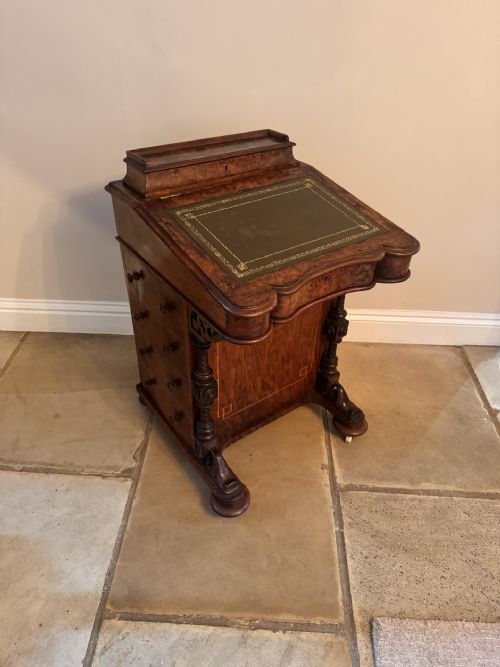
- A compact pedestal desk with a sloping writing surface, usually incorporating side drawers and a small superstructure. This form became popular during the Regency and Victorian periods for boudoir use.
- Secretaire
- A piece of furniture containing a drawer or compartment that pulls out or folds down to form a writing surface. It often masquerades as a standard chest of drawers or bookcase.
- Kneehole desk
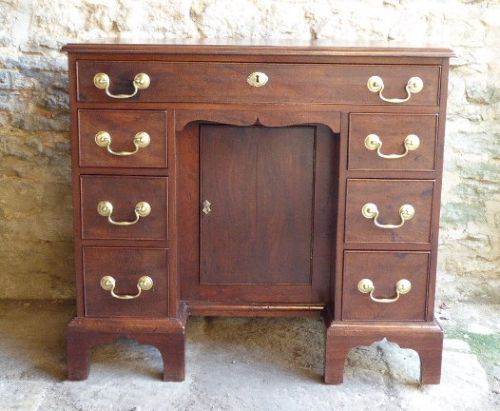
- A writing table with a central recess for the user's legs, flanked by pedestals of small drawers. Georgian examples in mahogany remain particularly sought after.
- Inlay
- A decorative technique where contrasting woods or materials are set into the surface of a base timber. Edwardian and Georgian makers utilised this method to create geometric or floral patterns.
Antique Compact Bureau: Frequently Asked Questions
What is a Davenport desk?
A Davenport desk is a small pedestal writing desk featuring a sloping top and side drawers. It was designed for compact spaces and personal correspondence.
Originating in the Regency era, these desks often include stationary boxes on top and concealed compartments.
How do I date an oak bureau?
Dating relies on construction methods, hardware, and stylistic traits. 18th-century pieces display hand-cut dovetails and solid timber construction.
Edwardian and 1930s examples often exhibit machine-prepared timber, Golden Oak finishes, or Arts and Crafts ironwork.
Where were bureau bookcases used?
Bureau bookcases served as multifunctional furniture for studies, drawing rooms, and parlours. They provided a secure writing surface alongside shelved storage for books and papers.
The upper section typically featured glazed doors to protect volumes from dust.
What distinguishes a bachelor chest?
A bachelor chest is a low chest of drawers featuring a fold-over top that creates a small writing surface. These pieces date back to the 18th century.
They offer compact proportions and multi-purpose storage for smaller living quarters.