




Antique Communion Vessel
An antique communion vessel carries centuries of ritual devotion, offering tactile history through silver, pewter and carved oak.
Antique Communion Vessel
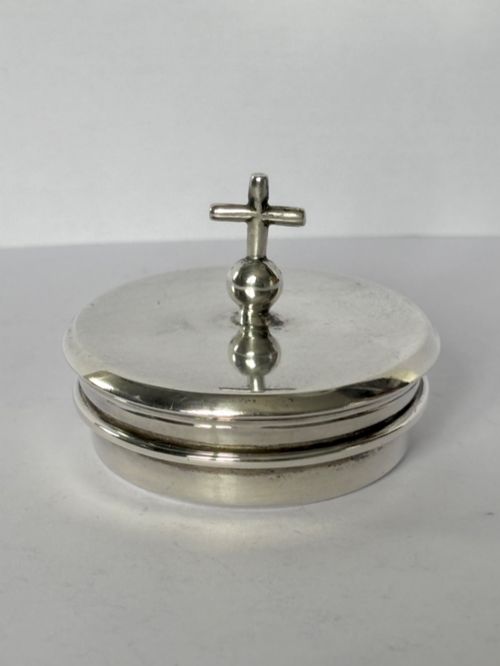
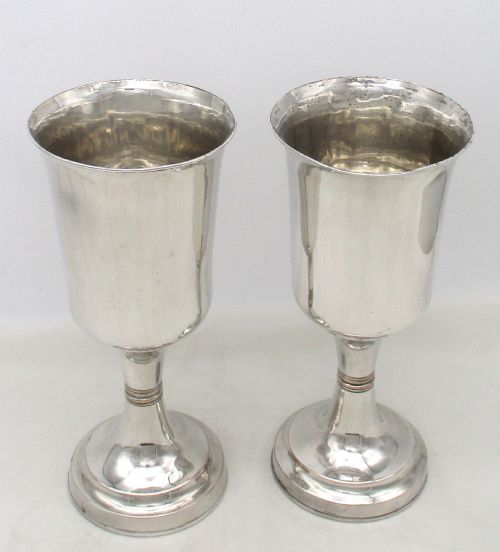
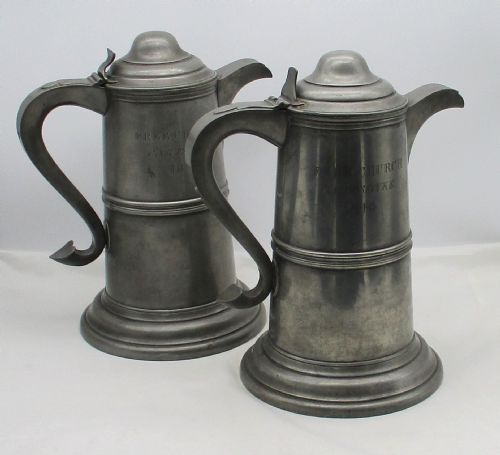
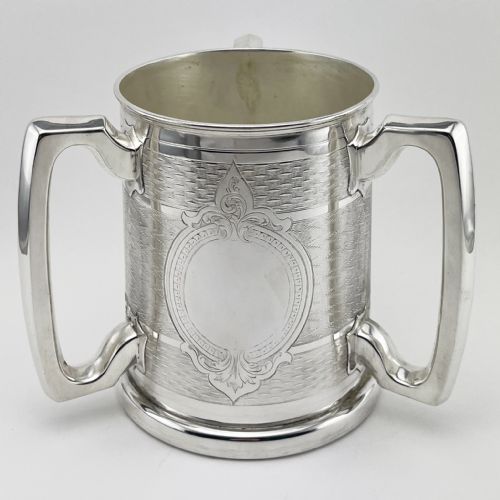
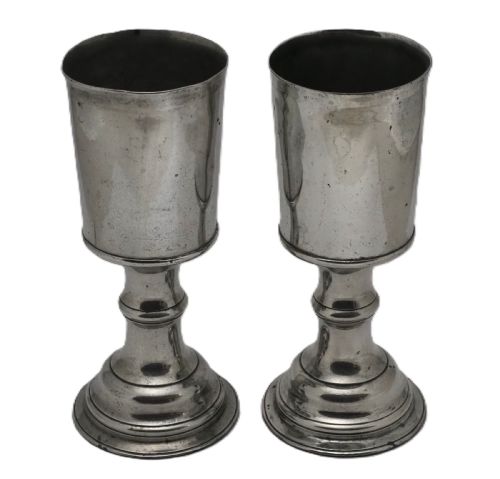
An antique communion vessel encompasses sacred metalware and wooden items designed for liturgical use, ranging from chalices and flagons to pyxes and ciboria. These pieces span multiple centuries, originating from workshops in England, Ireland, and continental Europe.
Originating across periods from the sixteenth century to the mid-twentieth century, these items reflect changing ecclesiastical styles including Gothic, Georgian, Victorian, and Italian Renaissance influences.
Materials and methods of construction
Metalwork pieces utilise sterling silver, silver gilt, pewter, copper, and gilded copper, often shaped through hammering, casting, or spinning. Old Sheffield plate and electroplated nickel silver also appear among the nineteenth-century examples.
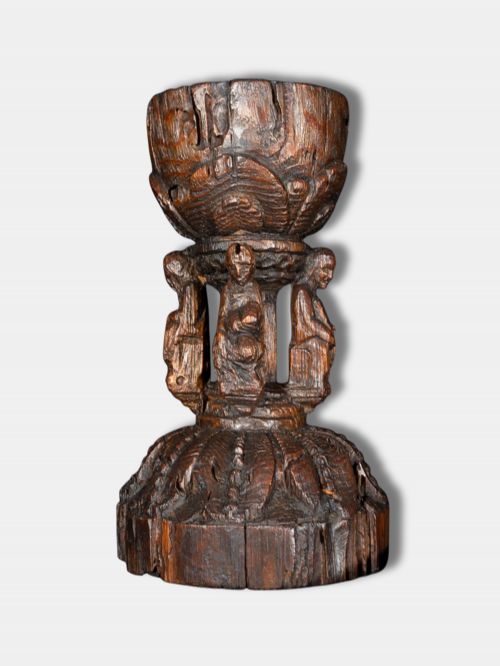
Carved wooden vessels demonstrate traditional carpentry techniques, utilising turned walnut and carved oak to create robust liturgical forms. Engraving and gilding frequently embellish the copper and silver items, adding decorative detail to the sacred surfaces.
Antique Communion Vessel Retail Price Guide 2026
Typical asking prices for communion vessel among the pieces listed under this phrase on Sellingantiques today, from the lower quarter to the upper quarter. They describe what is for sale here now, not the wider market.
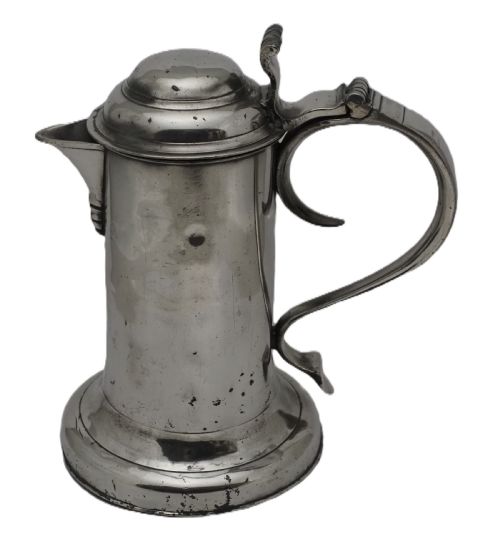
Some flagons hold up to a half gallon of liquid, ensuring ample supply for historic parish gatherings.
Distinctions in quality and execution
Quality rests in the weight of the metal, the crispness of chased or engraved decoration, and the integrity of the original gilding on silver gilt or copper surfaces. Maker marks and hallmarks provide clear attribution and verify the purity of the metal used.
Proportion and balance dictate the aesthetic success of chalices and flagons, where finely turned stems and balanced bases demonstrate the maker's skill. The survival of original surfaces, whether patinated pewter or polished silver, influences the character of each piece.
F. Osbourne And Co London·John Heaney Of Dublin·George Unite·Elkington Mason·Robert Iles Of London·William Eaton
The Antique Communion Vessel Glossary
- Flagon
- A large metal vessel with a handle and spout used to hold sacramental wine during church services. These tall containers often feature spire lids and generous capacities.
- Chalice
- A consecrated cup used to hold sacramental wine during the Eucharist. They typically stand on a slender stem with a wide foot for stability.
- Pyx
- A small round container used to carry the Eucharistic host. They often feature hinged lids and rich surface engraving.
- Ciborium
- A covered container similar to a chalice, used to hold the consecrated hosts for distribution. They frequently incorporate gilded copper and detailed religious iconography.
- Old Sheffield Plated
- A composite material made by fusing a layer of silver to a copper base. This technique creates durable tableware and ecclesiastical items with the appearance of solid silver.
Antique Communion Vessel: Frequently Asked Questions
What is the difference between a chalice and a goblet?
While both share a cup-and-stem silhouette, a chalice is specifically consecrated for Christian liturgical service, whereas a goblet generally serves secular dining or commemorative functions.
Ecclesiastical chalices often exhibit specific theological motifs, heavier proportions, and historical church provenance.
How are pewter communion vessels marked?
Pewter pieces often carry touchmarks stamped by the maker or guild to indicate origin and standard of alloy. These maker marks help researchers date the flagon or chalice.
English and Irish pewterers placed these stamps near the base or on the lid.
Can silver plated church vessels be cleaned?
Silver plate requires gentle maintenance to preserve the underlying copper or nickel silver base from exposure. Polishing should be kept minimal to protect engraved details and original patination.
Harsh abrasives will wear away the thin silver layer entirely.