
Antique Column Desk Lamp
An antique column desk lamp brings classical architecture to a workspace, offering steady illumination through heavy metal or polished stone shaft forms.
Antique Column Desk Lamp
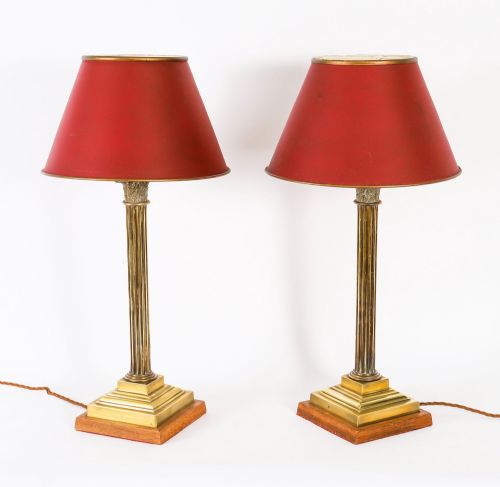
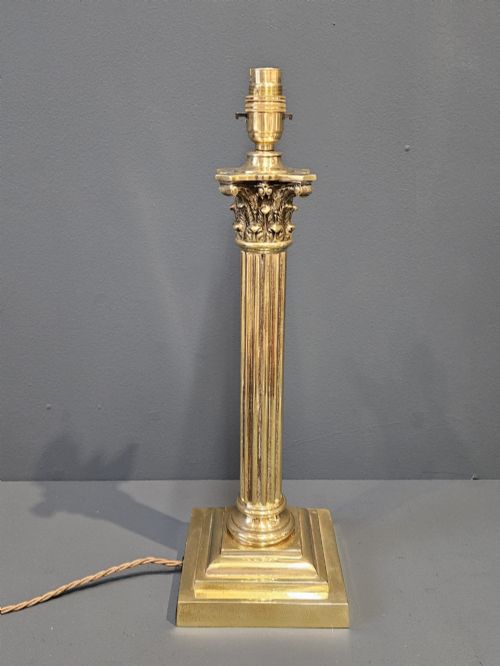
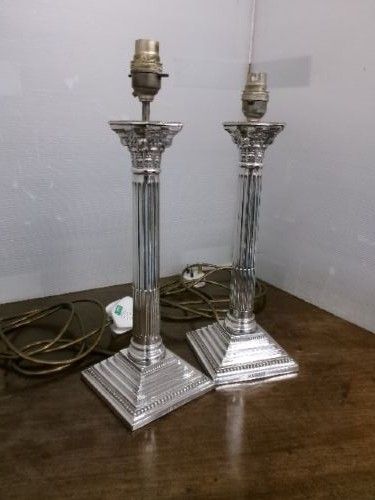
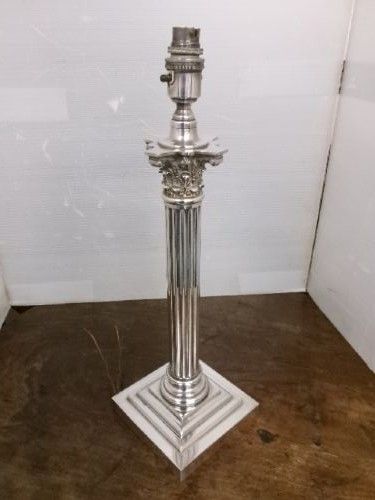
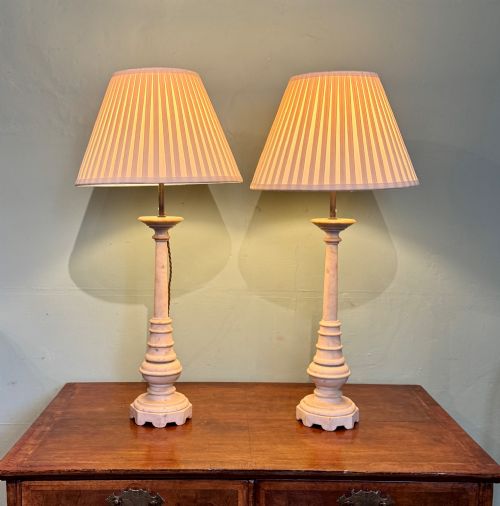
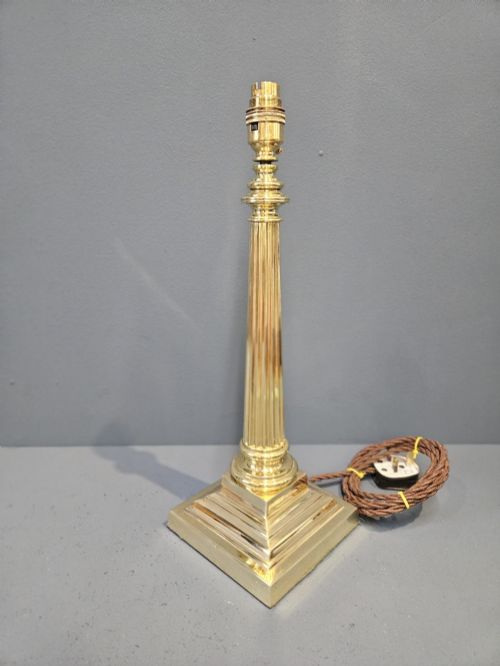
When you search for an antique column desk lamp, you encounter solid upright forms derived from classical building orders and repurposed lighting fixtures. The most frequent iteration on this page is the Corinthian column table lamp, usually standing on a stepped square base.
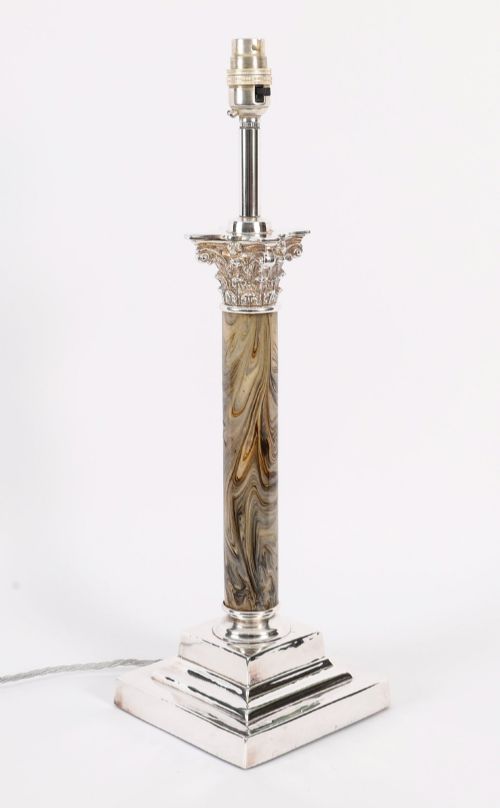
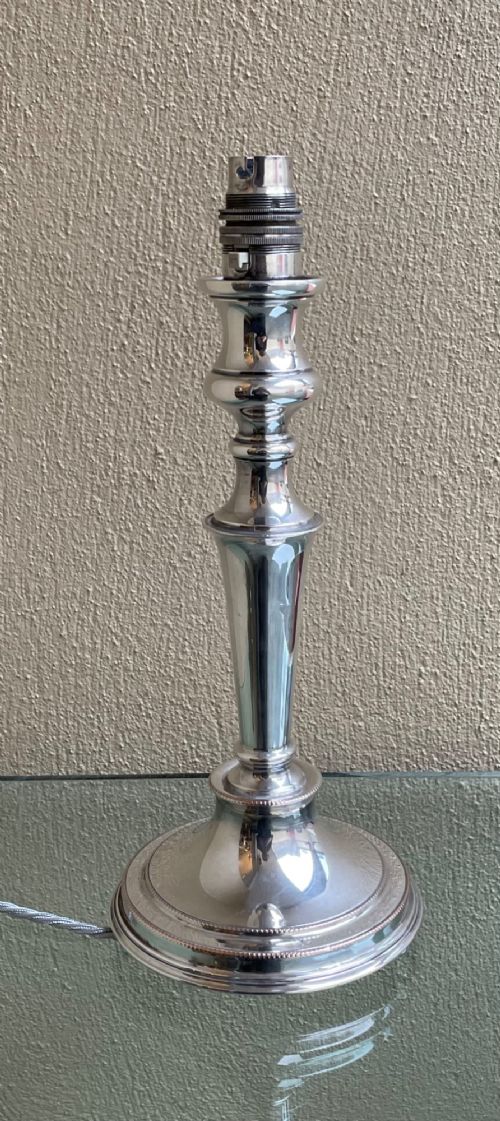
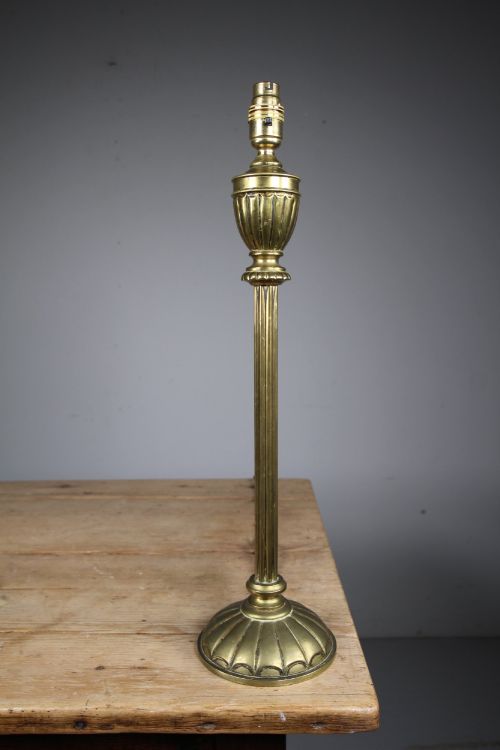
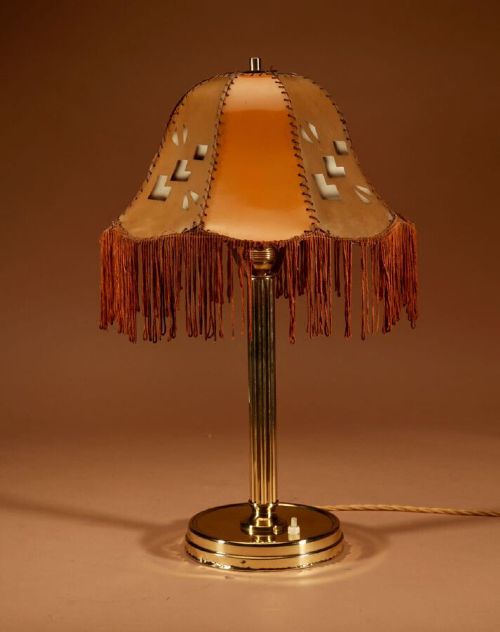
Materials span heavy cast brass, silver plate, and carved marble, alongside occasional wood and lacquered finishes. These pieces originate across Victorian and Edwardian periods, as well as the early twentieth century.
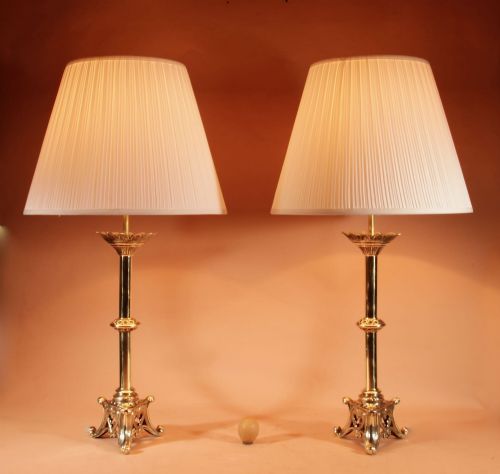
Many items begin life as oil lamps or candlesticks before conversion to electricity. They bring vertical presence and stable weight to a desk or side table.
Materials and construction
Foundry casting shapes the brass and silver-plated metal columns, rendering crisp acanthus leaves on capitals and fluting down the shafts. Heavier designs incorporate white or coloured marble sections to anchor the base.
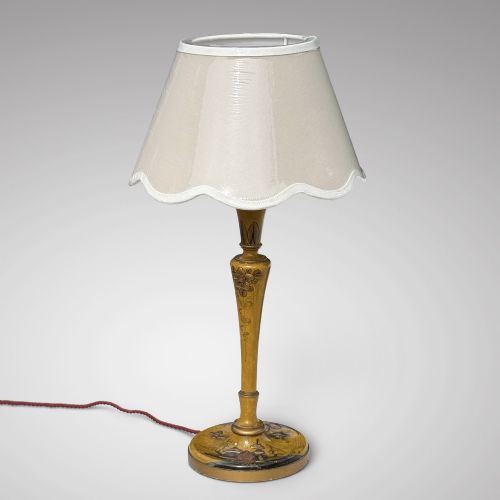
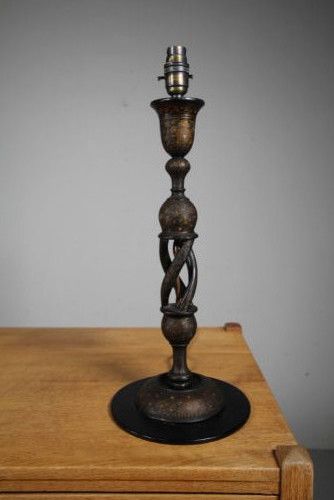
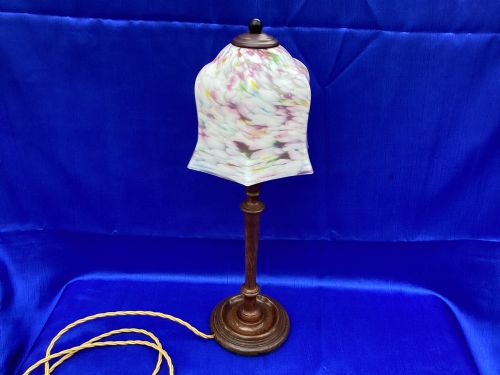
Wood variants utilise turned oak, lignum vitae, or limed timber, while lacquer pieces receive hand-painted finishes on bases such as ochre or mandarin orange. Metal components frequently combine cast elements with spun brass cylinders.
Several heavy metal columns double as former oil lamps, carrying patents that once kept Victorian parlours safely lit.
Distinctions in quality
The crispness of casting defines the upper tier, where capital details remain sharp and distinct rather than softened through repeated moulding. Fine cast brass and heavy silver plating demonstrate substantial metal thickness in the shaft and base.
Proportion and stability separate standard examples from finer ones, with well-balanced weight distribution preventing top-heaviness. Original components and unpolished patination contribute further to the integrity of a piece.
The Antique Column Desk Lamp Glossary
- Corinthian capital
- The uppermost decorative section of a column, carved with ornate acanthus leaves and small volutes. It serves as the primary ornamental feature on classical metal lamps.
- Reeded column
- A shaft decorated with parallel convex mouldings running vertically along the length. This technique adds texture and catches light across brass surfaces.
- Ormolu
- Gilt bronze created by applying a mercury and gold amalgam to cast bronze. It provides a rich, durable golden surface seen on French examples.
- Silver plate
- A thin layer of silver bonded to a base metal core such as brass or copper. It offers the appearance of solid silver while maintaining structural rigidity.
- Lignum vitae
- A dense, heavy tropical hardwood possessing natural oils. It turns well on a lathe and yields dark, durable lamp bodies.
Antique Column Desk Lamp: Frequently Asked Questions
How do I choose a shade for a column lamp?
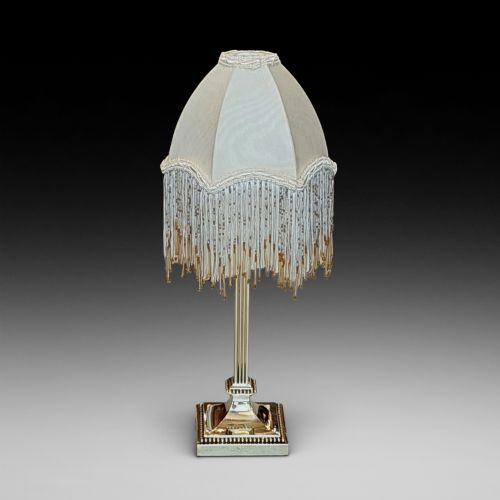
Select a shade that matches the formal verticality of the brass or marble shaft without overwhelming the stepped base. Simple drum or empire shapes in neutral fabric complement the classical proportions.
Ensure the fitting matches the carrier height so the bulb centres correctly within the shade aperture.
Are these lamps safe to plug in today?
Many older lamps arrive with modern rewiring indicated in the description, while others retain older flex that requires updating by a professional. Rewiring allows you to integrate modern plugs and safely earth metal bodies.
A qualified electrician can easily update the internal wiring without altering the exterior metalwork.
How do I date a brass column lamp?
Examine the construction methods, base weights, and switch types, alongside any registry marks or stamps. Victorian examples often feature heavy sand-cast bases and older burner threads if converted from oil.
Edwardian and 1920s pieces frequently display lighter gauge metal or different surface treatments.
How do I clean tarnished brass safely?
Apply a mild, non-abrasive metal cleaner with a soft cloth to remove dirt while preserving the aged patina. Avoid harsh chemical dips that strip away the historical character of the brass.
Gentle dusting with a dry microfibre cloth suffices for routine maintenance.