


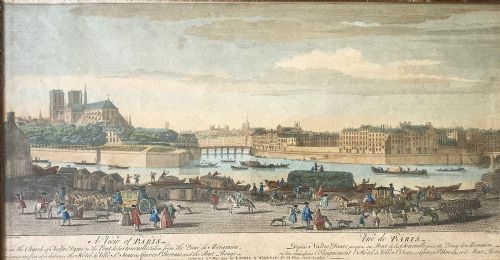
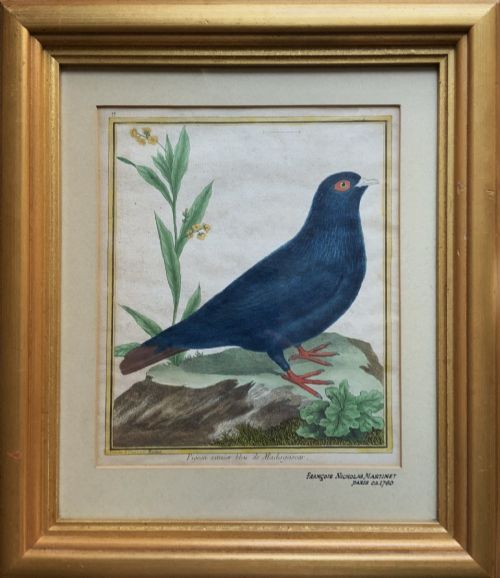
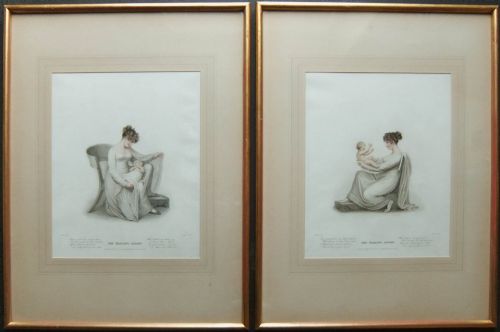
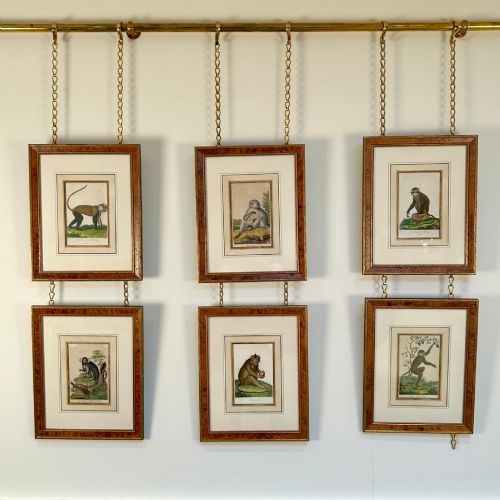
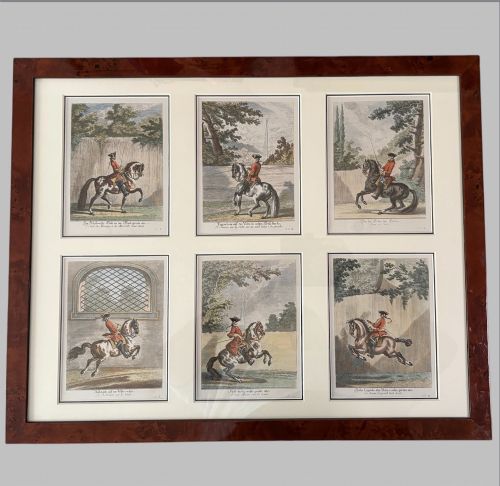
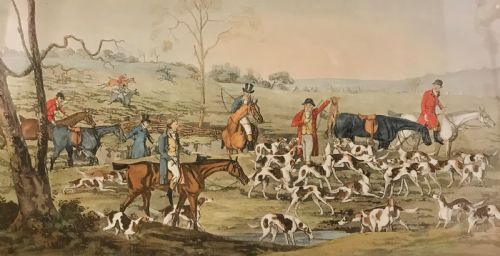
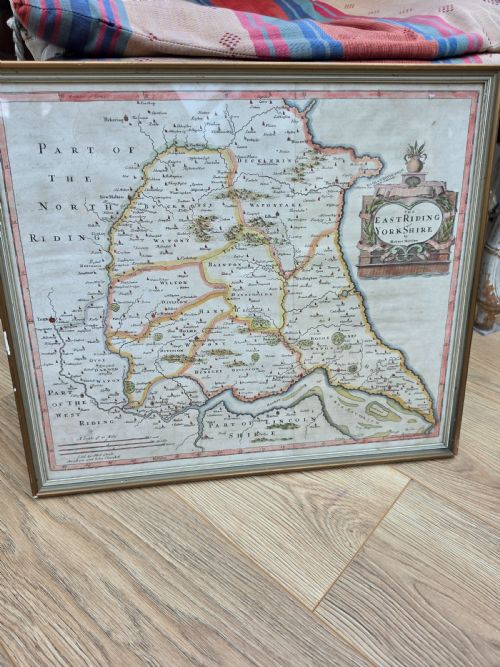
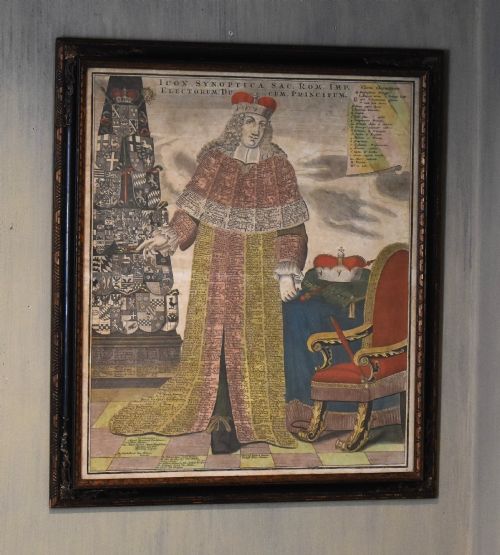
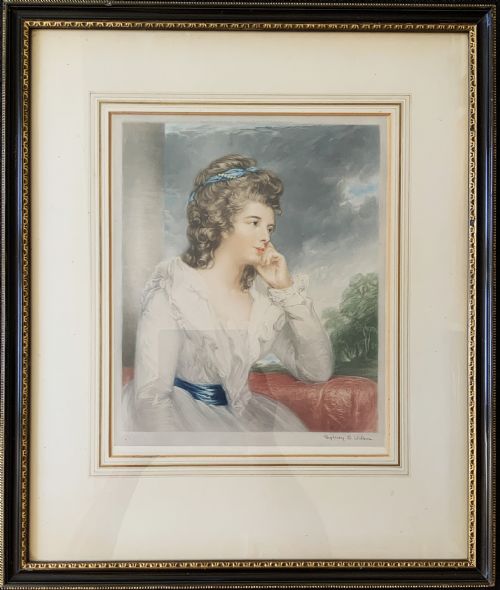
Antique Coloured Engraving
Antique coloured engraving plates bring period botanical, topographical and portrait subjects to life through delicate hand-applied watercolours.
Antique Coloured Engraving
When searching for an antique coloured engraving, buyers encounter paper prints and maps enhanced with pigment originating from the seventeenth, eighteenth and nineteenth centuries.
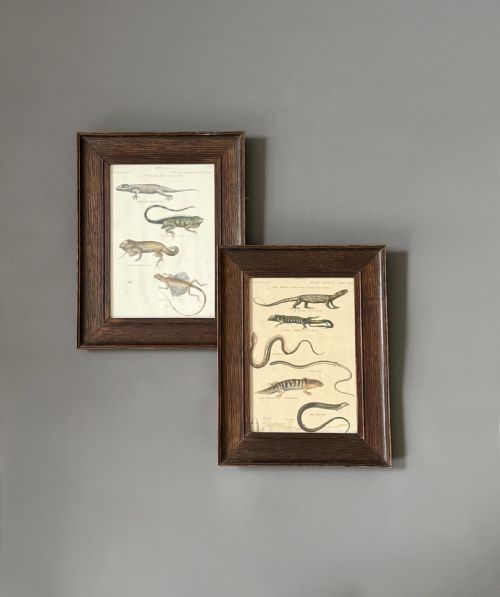
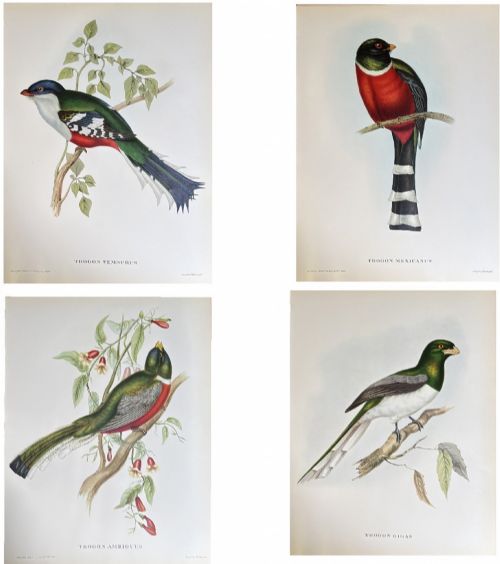
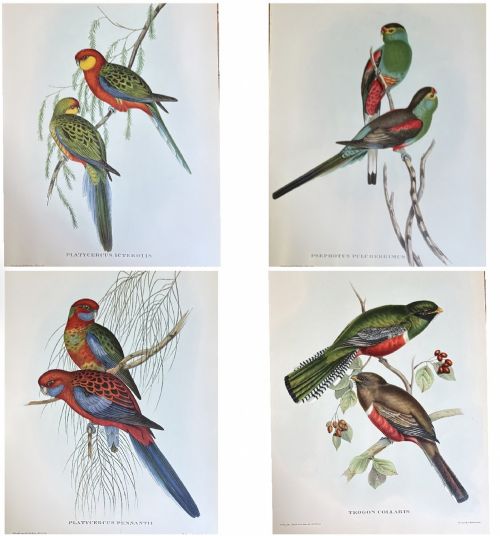
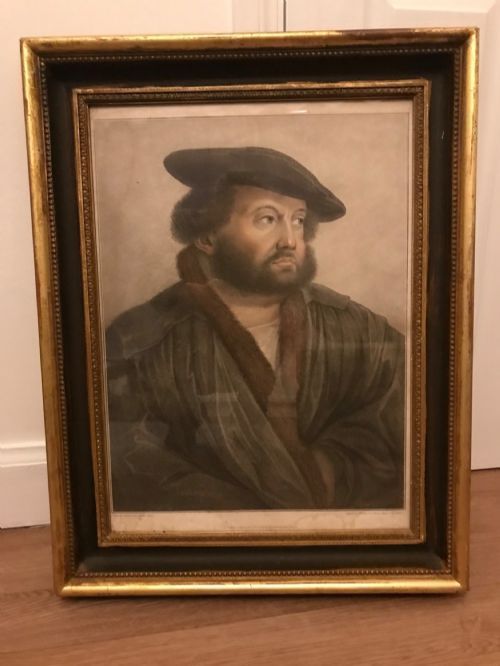
The selection on this page leans heavily toward natural history plates depicting birds, fish and reptiles alongside framed topographical views and literary scenes.
These works typically arrive mounted within period timber frames, often utilising Hogarth-style profiles that complement the Georgian or Victorian aesthetic of the paper within.
Materials and Techniques
Makers produced the foundational image by pressing an inked metal plate into damp paper, leaving a distinct platemark around the subject.
Artisans then applied watercolour pigment by hand across the printed lines, creating varied tonal gradients on natural paper sheets.
Framers frequently enclosed these completed sheets behind glass within wood mouldings, sometimes finished with gilt leaf accents.
Eighteenth-century naturalists occasionally coloured exotic birds using actual crushed beetle shells to achieve an authentic iridescent sheen on the printed feathers.
Factors of Quality
The brilliance and stability of the original hand-applied pigment heavily influence the overall desirability of each sheet.
Sharpness within the underlying ink lines reveals the copper or steel plate's wear condition during the printing process.
The survival of wide margins around the plate impression indicates a well-preserved sheet that has avoided aggressive trimming during past framing.
Francesco Bartolozzi·John Speed·William Bird·George Edwards
The Antique Coloured Engraving Glossary
- Platemark
- The indented border left in the paper by the edge of the printing plate under pressure. This depression helps verify the printing method.
- Stipple engraving
- A technique using dots rather than lines to form the image, often yielding soft facial tones in portraits. Artisans frequently combined this with watercolour washes.
- Mezzotint
- A printmaking method where the entire plate is roughened to hold ink for dark areas, producing rich tonal ranges. It was widely employed for dramatic portraiture.
- Hand colouring
- The secondary application of watercolour or tint directly onto the printed paper by brush. Contemporary pigment choices help date the intervention.
- Cartography
- The creation of maps, represented here by engraved regional plates bearing contemporary tinted borders. These items document historical geography.
Antique Coloured Engraving: Frequently Asked Questions
How should I hang antique engravings?
Position these works away from direct sunlight to prevent the watercolour pigments and paper fibres from fading over time. Maintain stable indoor humidity levels to protect both the antique paper and its wooden frame.
Secure the frame using appropriate wall fixings suited to the weight of the glass and timber moulding. Professional framing using acid-free backing materials provides the best long-term preservation.
Are these prints hand painted?
The colour on these sheets was applied by hand using watercolour washes over a monochrome printed base line. Artisans painted each plate individually, resulting in subtle variations between identical published editions.
Close inspection under magnification reveals brushstrokes and pigment pooling within the printed boundaries. This distinguishes genuine period hand colouring from modern mechanical dot-matrix printing.
How do I identify the period?
Examine the watermark within the paper sheet and the typography style used for the title and credits beneath the image. Paper characteristics and printing techniques shifted noticeably between the seventeenth and nineteenth centuries.
Subject matter and framing styles also offer strong chronological clues. Georgian plates often feature distinct border layouts compared to later Victorian counterparts.
Can I remove prints from frames?
Opening period frames risks damaging brittle historic paper and disturbing fragile pigments that have settled over centuries. Most dealers recommend leaving the original mounting intact unless conservation work is strictly necessary.
Older frames often contribute historic value to the piece as a whole. Altering the backing can expose the paper to modern pollutants and humidity fluctuations.