


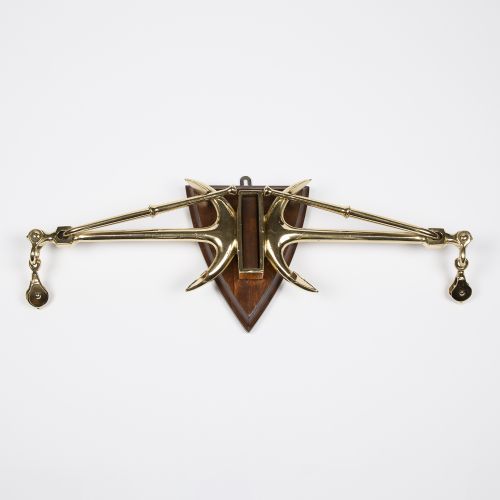


Antique Collector Sculpture
These antique collector sculpture pieces bring bronze, porcelain and silver into your rooms with character earned over generations.
Antique Collector Sculpture
When you search for an antique collector sculpture, you are looking at diverse decorative objects and figures shaped in metal, porcelain and enamel. These works range from substantial bronze statues to intricate desk accessories and small figurines.
The pieces you meet on this page span the Victorian era, the Edwardian period, and the nineteen-thirties. They encompass styles from Victorian Orientalism and Rococo Revival to Art Deco and West African artistry.
Makers and foundries of note include Berthold Muller, Royal Worcester, Franz Bergman, Jules Dalou, and Meissen. You will find both signed foundry casts and unmarked decorative figures reflecting the tastes of their respective decades.
How they were made
Bronze sculptures utilise patinated finishes and cold-painted pigments applied to cast metal, requiring skilled foundry work such as the lost-wax technique. Such methods allowed founders like Susse Freres and Bergman to capture fine details in figures and animals.
Porcelain pieces from houses like Royal Worcester and Meissen involve moulded ceramic bodies fired with enamel paints and highlighted with gold leaf. This process combines precise modelling with controlled kiln temperatures to achieve lasting surface decoration.
Antique Collector Sculpture Retail Price Guide 2026
Typical asking prices for collector sculpture among the pieces listed under this phrase on Sellingantiques today, from the lower quarter to the upper quarter. They describe what is for sale here now, not the wider market.
Makers represented include Meissen, Royal Worcester, and Franz Bergman.
What varies in quality
The distinction between ordinary and exceptional pieces lies in the crispness of the casting and the fidelity of the hand-applied pigment or patination. Stronger examples display deliberate attention to anatomical detail and surface texture.
Quality also rests in the reputation of the maker or foundry and the preservation of original finishes like gold leaf and cold paint. Signed works from established workshops retain a clarity of form that distinguishes them from generic decorative items.
Berthold Muller·Royal Worcester·Franz Bergman·Susse Freres·Meissen
The Antique Collector Sculpture Glossary
- Patinated bronze
- Bronze treated with chemical solutions to produce a specific surface colour and finish. This layer protects the metal while enhancing the sculptural contours.
- Cold-painted bronze
- Metal figures painted with oil or pigment after casting, without a high-heat firing process. This technique was widely utilised by Viennese foundries for small animal and human figures.
- Sterling silver
- An alloy of silver containing ninety-two point five percent silver and seven point five percent other metals, typically copper. It is frequently employed for cast bird and animal figures.
- Porcelain
- A ceramic material made by heating materials, generally including kaolin, in a kiln. It produces a dense, hard and white body suitable for detailed figurines and groups.
Antique Collector Sculpture: Frequently Asked Questions
What materials are common in these sculptures?
These sculptures utilise materials such as cast bronze, sterling silver, and porcelain. Many also feature cold-painted pigments, enamel, and gold leaf.
Foundries and factories selected these substances for their durability and their ability to hold fine decorative details during casting or moulding.
How do I identify the period of a piece?
Dating relies on stylistic markers, materials, and maker marks or foundry stamps. Victorian pieces often reflect Orientalism or Rococo Revival, while later works lean towards Art Deco or nineteen-thirties modernism.
Examining the base and surface patination helps connect the object to its specific decade of production.
Where were these sculptures made?
The pieces originate from various European centres, including Vienna, France, and Germany, alongside British workshops and West African traditions. Each region employed distinct materials and styling conventions.
Foundries in Vienna specialised in cold-painted bronze, while French founders produced detailed artistic bronzes.
How were these decorative items used?
Many sculptures served as desk accessories, inkwells, or decorative figures placed within parlours and libraries. Others functioned as substantial display pieces for mantelpieces and tabletops.
Their dual role as functional objects and fine art reflects the interior design priorities of the nineteenth and twentieth centuries.