




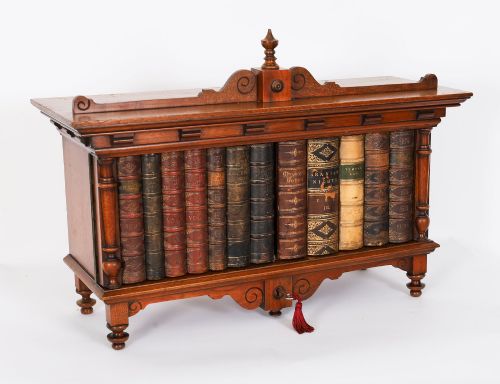
Antique Collector Miniature
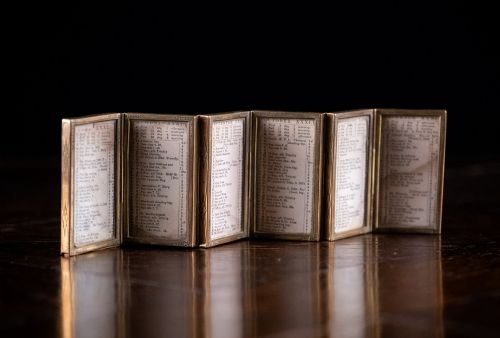
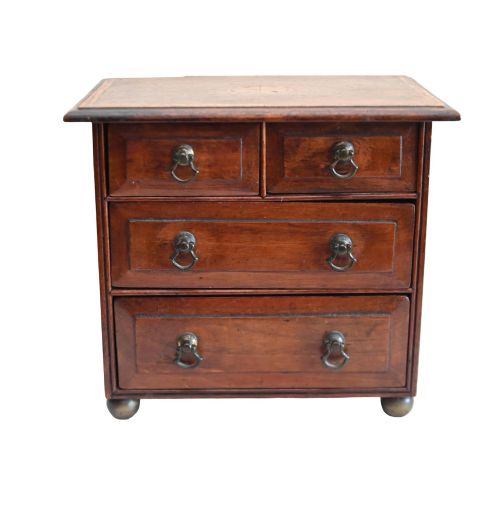
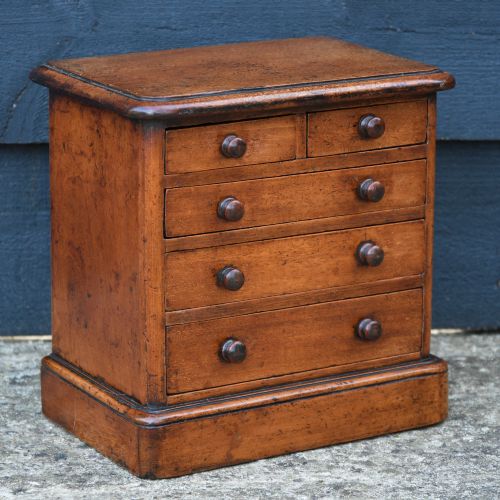
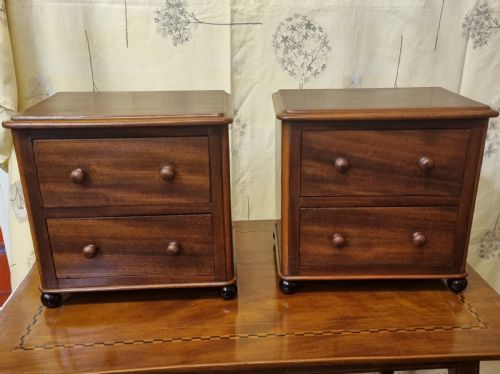
These antique collector miniature pieces are scaled-down furnishings and desktop cabinets crafted in timber and brass, offering precise storage for small treasures.
Antique Collector Miniature
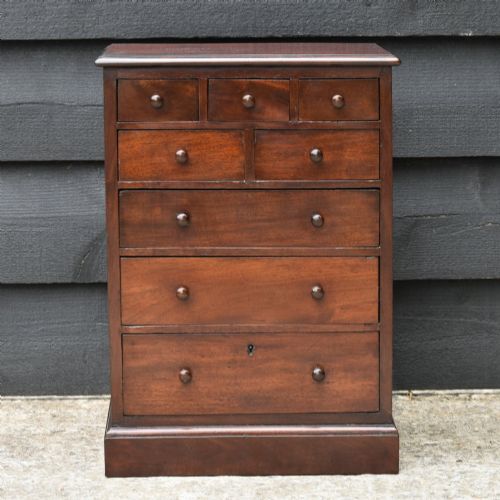
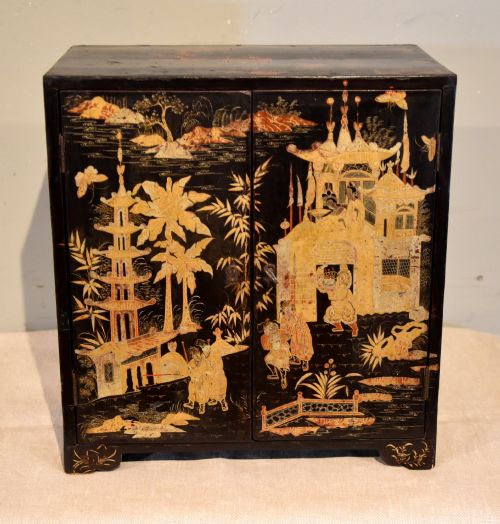
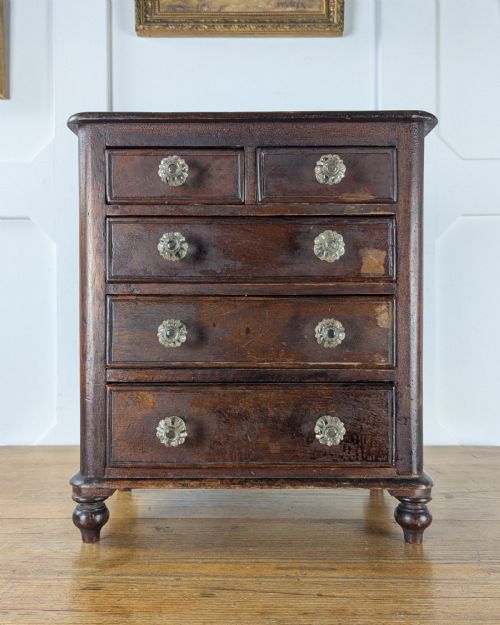
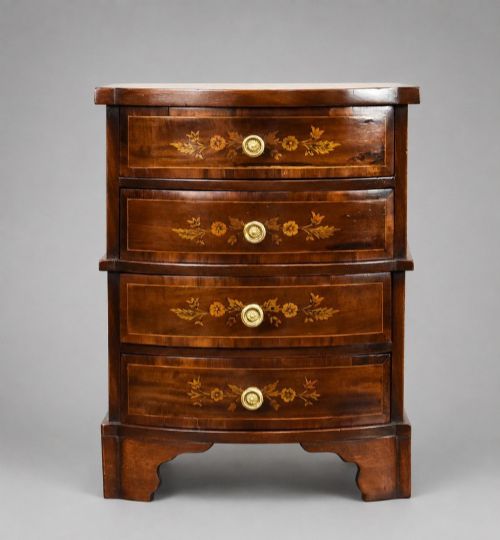
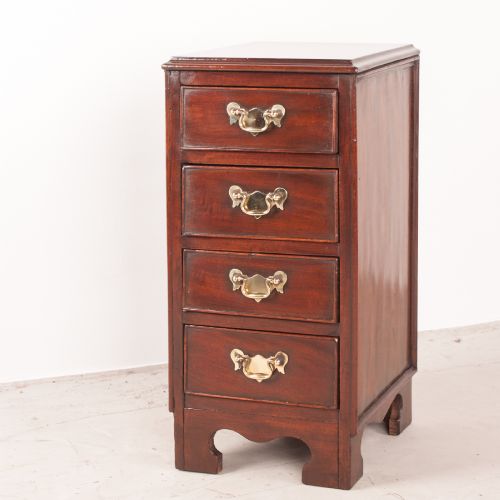
When you examine an antique collector miniature, you look at small-scale furniture and tabletop cabinets produced across the eighteenth and nineteenth centuries, including the Victorian, Regency, and Georgian periods. The forms appearing most often comprise miniature chests of drawers, apprentice pieces, table cabinets, and spice drawers designed for domestic utility or specialised storage.
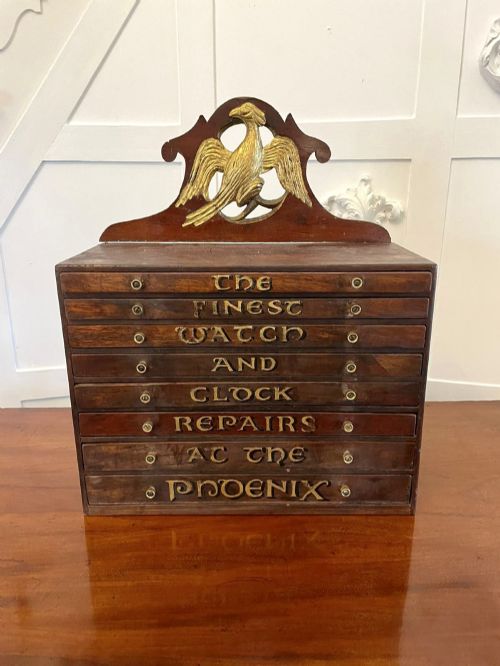
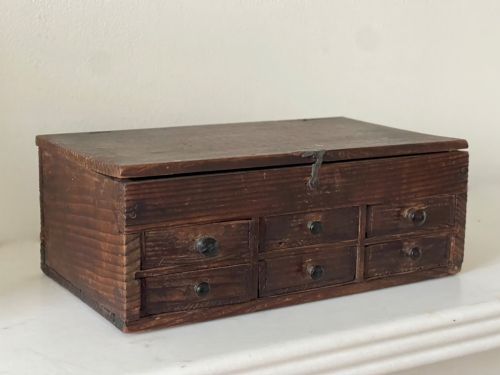
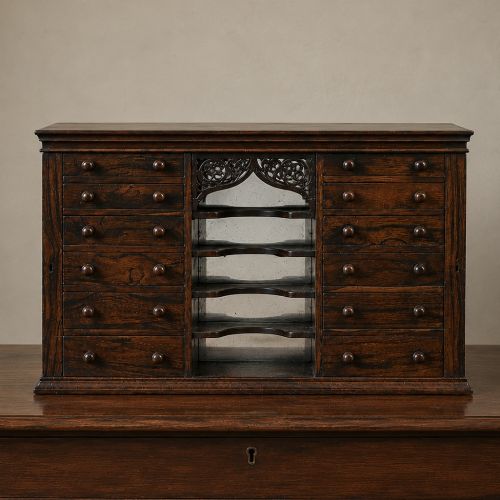
Makers constructed these items to replicate full-sized furniture or to house specific small objects like watch parts, microscope slides, jewellery, or specimens. The range spans simple pine boxes and oak spice drawers to finely figured walnut and mahogany collector cabinets with glazed or panelled doors.
How they were made
Craftsmen built these miniature items using traditional cabinet-making timbers such as mahogany, oak, walnut, pine, elm, and fruitwood, often applying brass handles, hinges, and glazed mounts. Surfaces received polish or stain finishes, while drawer construction utilised period joinery techniques appropriate to the small scale.
Specialised pieces incorporated fitted interiors, glass panels, or multiple small drawers designed to hold delicate items like watchmaker tools or natural history specimens safely.
Antique Collector Miniature Retail Price Guide 2026
Typical asking prices for collector miniature among the pieces listed under this phrase on Sellingantiques today, from the lower quarter to the upper quarter. They describe what is for sale here now, not the wider market.
Listings feature eighteenth and nineteenth century periods, utilising materials such as mahogany, oak, walnut, brass, and pine.
What varies in quality
Simpler pine or stained items intended for utilitarian workshop use show less decorative refinement, while domestic apprentice pieces and polished mahogany chests demonstrate finer cabinet-making standards.
Berthold Muller
The Antique Collector Miniature Glossary
- Apprentice piece
- A small item of furniture created by a craftsman to demonstrate skill and secure trade recognition. These often mirror full-sized chests of drawers.
- Collector cabinet
- A small desktop or tabletop cabinet fitted with multiple drawers or shelves designed to organise and display small specimens or objects.
- Spice drawers
- A small set of multi-tiered drawers traditionally used in domestic kitchens for dry goods or herbs. Surviving examples date back to the eighteenth century.
- Table cabinet
- A compact cabinet made to rest on a table or desk surface rather than stand on the floor, frequently featuring lockable doors or drawers.
- Specimen cabinet
- A small cabinet constructed to house scientific samples, mineral collections, or microscope slides securely within fitted rows of shallow drawers.
Antique Collector Miniature: Frequently Asked Questions
What is an apprentice piece?
An apprentice piece is a miniature furniture item made by a trainee craftsman to prove their proficiency to a guild. They replicated standard domestic furniture forms on a small scale.
These pieces show the same joinery standards as full-sized items but were kept on tabletops or used for small personal items.
How were table cabinets used?
Table cabinets provided secure storage for valuables, documents, jewellery, or specialised collections on a desk or tabletop. Their small footprint allowed them to sit in private rooms.
Many featured locking doors and multiple internal drawers to keep delicate items organised.
How do I identify a Victorian miniature?
Victorian miniature pieces often feature timbers like mahogany, walnut, or pine, with turnings and hardware typical of the nineteenth century. Look at the drawer construction and secondary woods.
They frequently take the form of miniature chests or jewellery boxes produced during the mid to late nineteenth century.
What fits inside a collector cabinet?
Collector cabinets hold small objects such as coins, gemstones, microscope slides, watch parts, or natural history specimens. The shallow drawers kept items separated and protected.
Specialised cabinets often included glazed doors or fitted velvet interiors for fragile items.