




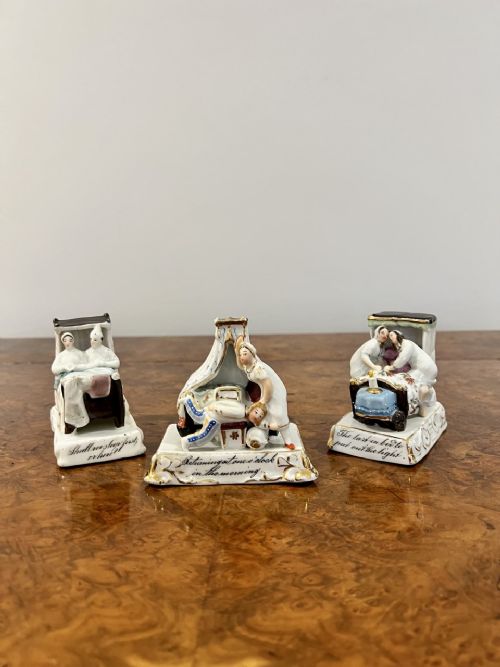


Antique Collection Box
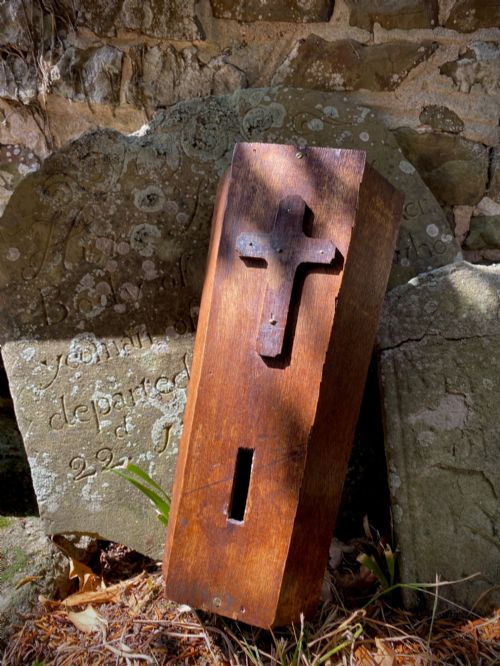
An antique collection box gathers together items intended for safekeeping, alms, letters or display, offering tangible links to past domestic and civic routines.
Antique Collection Box
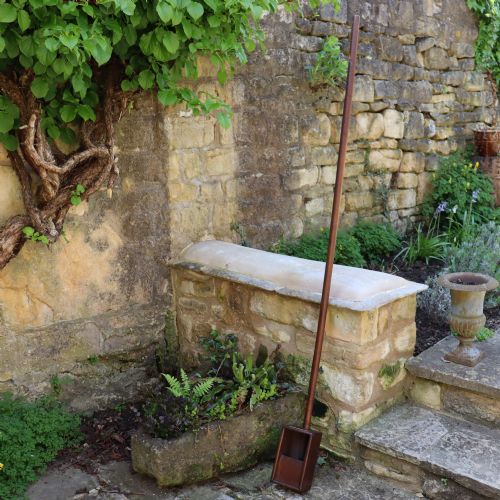
An antique collection box typically manifests as a specialised receptacle designed for specific tasks, ranging from church alms and domestic post to postal management and valuable storage. These pieces appear across various periods, notably the eighteenth and nineteenth centuries, taking forms such as wall-mounted alms dishes, country house post boxes, and fitted walnut compendiums.
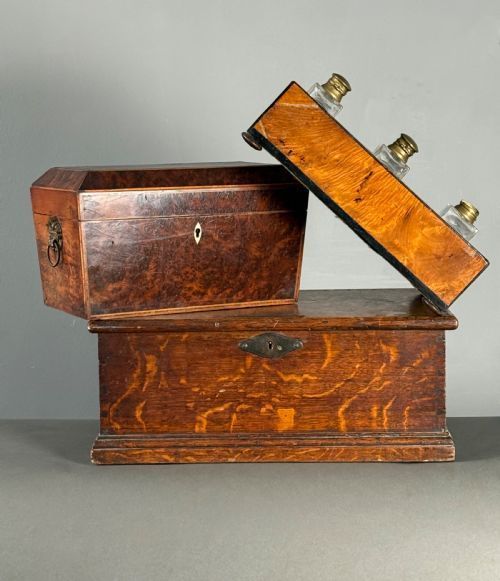
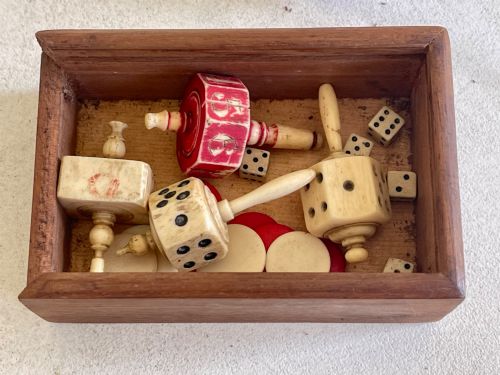
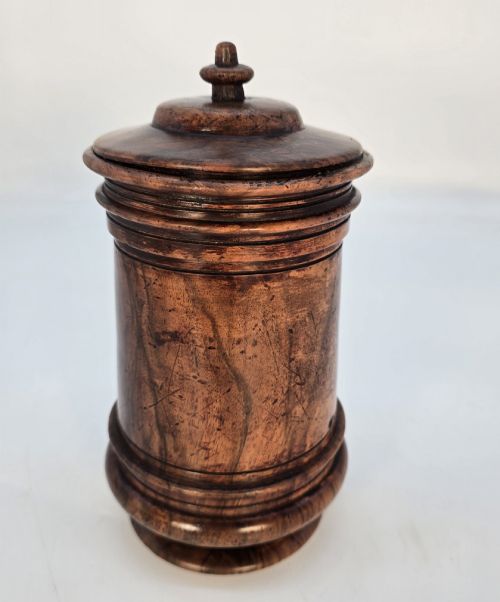
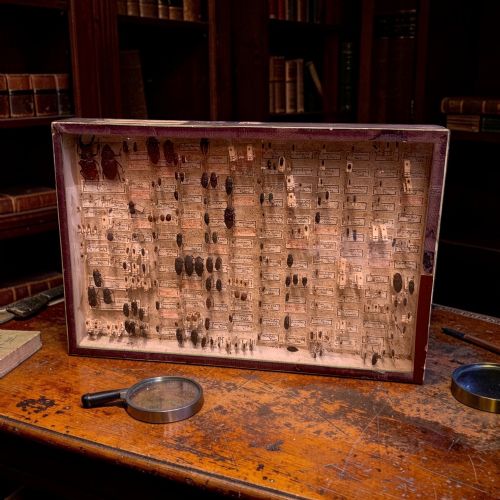
Buyers encountering this category will find a mix of functional containers and curated groupings, including wooden boxes with bone details, ballot boxes, and entomology cases. The materials span traditional timbers like mahogany, walnut, oak, and golden oak, often complemented by brass mounts, glass panels, and velvet linings.
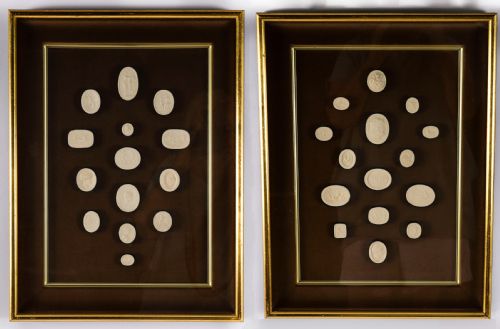
Originating from diverse settings from Victorian country houses to local churches and French institutions, these objects reflect the organizational needs of past eras. Whether built for holding letters or displaying Grand Tour intaglios, each piece serves a distinct containment purpose.
Assessing quality and craftsmanship
Quality in these pieces rests on the precision of the joinery, the selection of figured woods like burr walnut or mahogany, and the integrity of original hardware. Superior examples display thoughtful proportions, seamless dovetailing, and well-fitted internal compartments that remain fully operational.
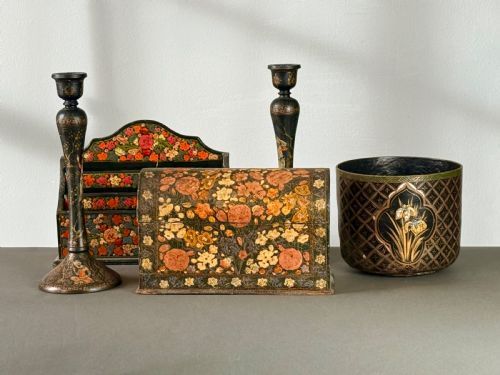
The degree of hand-finishing, from delicate bone and mother-of-pearl details to cast brass mounts and champleve enamel work, distinguishes standard utilitarian boxes from finer decorative specimens. Original patination and surviving functional locks further elevate an item's standing.
Antique Collection Box Retail Price Guide 2026
Typical asking prices for collection box among the pieces listed under this phrase on Sellingantiques today, from the lower quarter to the upper quarter. They describe what is for sale here now, not the wider market.
Listings feature items from the eighteenth and nineteenth centuries, utilising materials such as mahogany, walnut, oak, brass, and glass.
Giovanni Liberotti·Pietro Bracci·Robert Stebbings
The Antique Collection Box Glossary
- Alms dish
- A receptacle or basin used for collecting charitable offerings, frequently fashioned from metal or timber.
- Compendium
- A fitted box containing multiple games, writing materials, or accessories arranged in tiers.
- Champleve
- An enamelling technique where recessed areas in metal are filled with vitreous paste and fired.
- Intaglio
- A design carved into the surface of a gemstone, glass, or plaster, popular during the Grand Tour period.
- Treen
- Small handmade wooden household objects valued for their utilitarian form and aged timber patina.
Antique Collection Box: Frequently Asked Questions
What is an antique collection box used for?
These boxes served various civic, religious, and domestic functions, including gathering church alms, sorting household post, and storing valuable letters or games.
Their specific forms reflect the exact administrative or social tasks required by households and institutions of the eighteenth and nineteenth centuries.
How do I date an antique box?
Dating relies on identifying timber species, construction methods like dovetailing, and the style of brass hardware or decorative motifs present.
Comparing the object's form against documented examples from periods like the Victorian era or eighteenth century provides a reliable chronological window.
Where should I place a collection box at home?
Sturdy wooden boxes and letter receptacles suit placement on entrance hall tables, desks, or secure wall locations depending on their original design.
Keeping them away from direct sunlight and extreme temperature fluctuations protects delicate timber surfaces, glass elements, and velvet linings.
How do I care for wooden collection boxes?
Maintenance involves dusting with a soft, dry cloth and occasionally applying suitable wax to nourish older hardwoods like walnut and mahogany.
Avoiding excess moisture preserves both the structural integrity of the timber and any incorporated bone, brass, or lacquer details.