

Antique Collectible Tool
These antique collectible tool specimens span scientific instruments, sewing accessories, and treen, offering both practical ingenuity and decorative appeal for the discerning collector.
Antique Collectible Tool
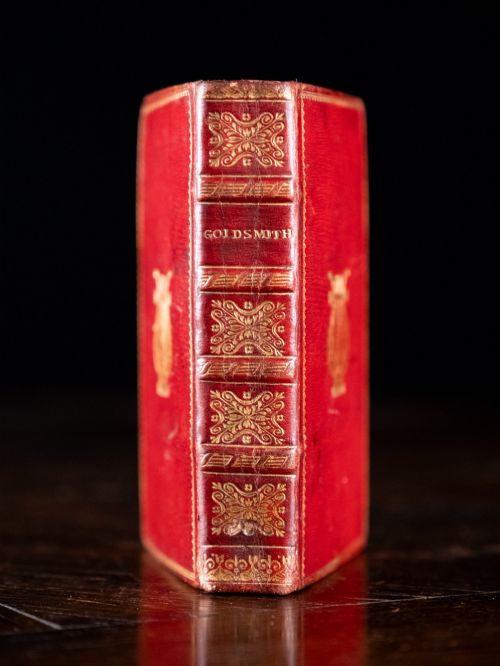
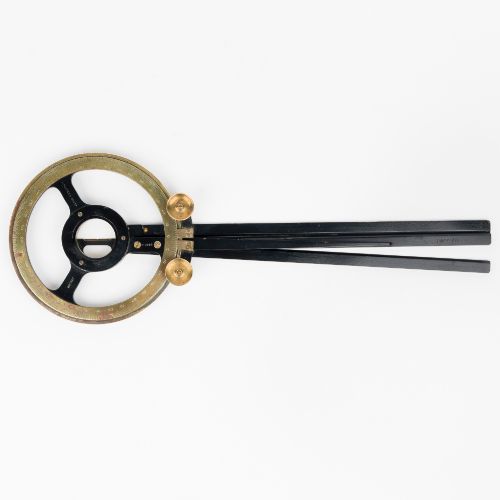
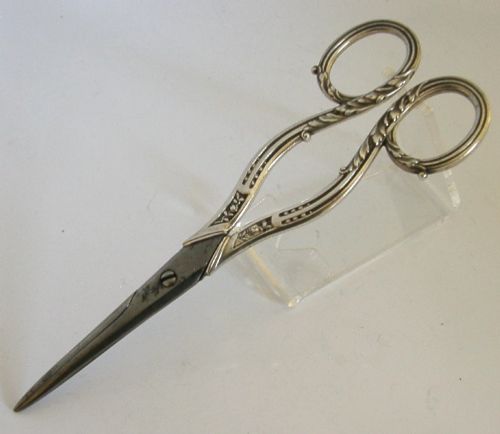
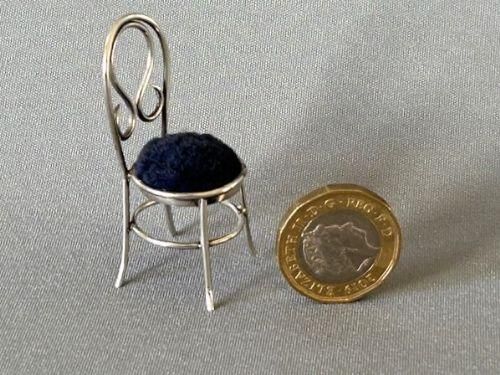
An antique collectible tool covers a diverse array of functional objects, ranging from delicate silver pin cushions and sewing accessories to robust scientific instruments and wooden treen. When browsing this selection, buyers frequently encounter Victorian novelty silver items shaped like chairs, animals, and vehicles, alongside practical wooden boxes and apothecary tools.
The objects originate from periods such as the Georgian, Victorian, and Edwardian eras, extending into the early twentieth century and mid-century military productions. They serve as tactile reminders of past craftsmanship, encompassing miniature books, specialised painting sets, and precision navigational devices.
Originating from British workshops, European makers, and Scandinavian studios, these pieces reflect the specific domestic, scientific, and artisanal needs of their respective times. The assortment balances utilitarian workshop implements with ornate sewing room accessories designed for affluent households.
How They Were Made
The fabrication of these items relies heavily on metals such as sterling silver, gunmetal, brass, and steel, often shaped through casting, hammering, and fine machining. Wooden pieces utilise dense materials like boxwood, fruitwood, and oak, frequently turned on a lathe or carved with intricate detail.
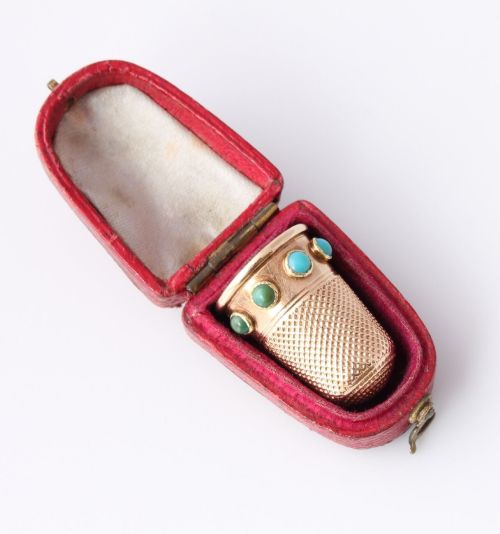
Textiles and organic elements appear in velvet linings, leather cases, silk holders, corozo nut casings, and turquoise cabochons. Surface finishes incorporate gold leaf, enamel work, and gilt tooling on leather-bound books, demonstrating a high degree of material refinement.
Antique Collectible Tool Retail Price Guide 2026
Typical asking prices for collectible tool among the pieces listed under this phrase on Sellingantiques today, from the lower quarter to the upper quarter. They describe what is for sale here now, not the wider market.
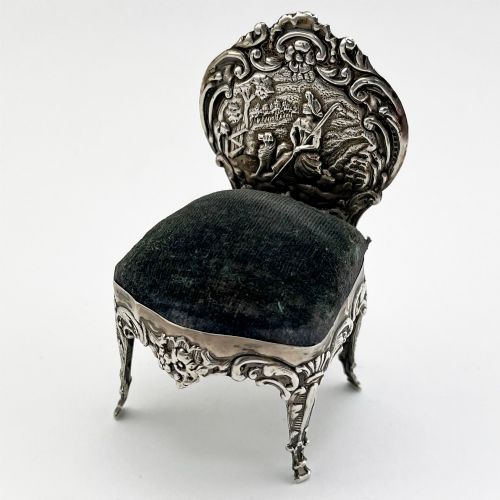
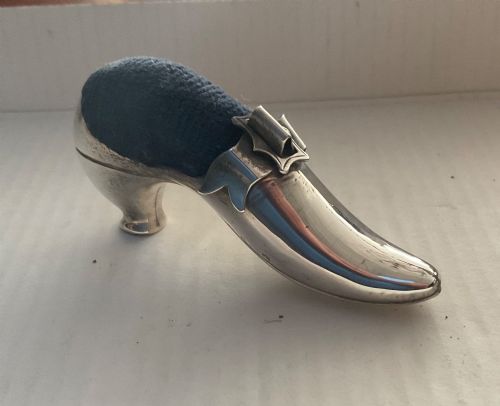
Silver frogs, goats, and railway lamps moonlight as pin cushions, guarding pins with surprising metallic dignity.
What Varies In Quality
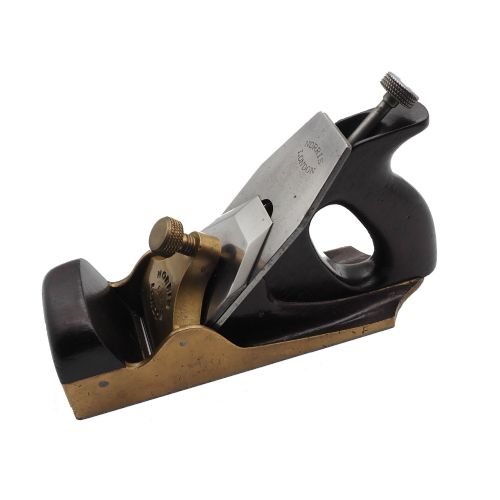
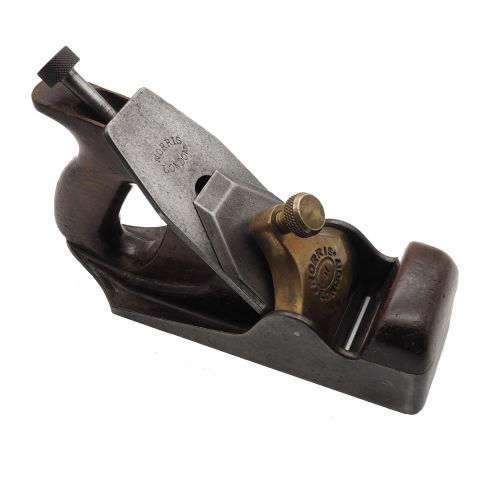
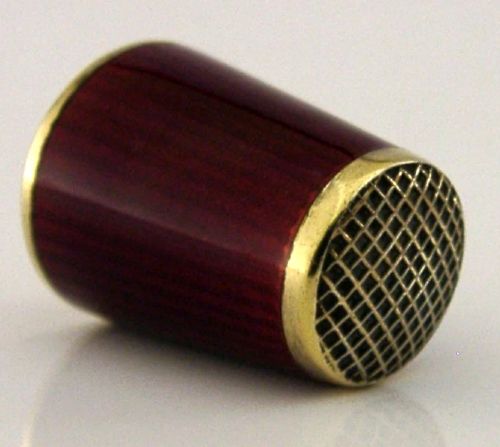
The standard of execution depends on the precision of the mechanics in scientific and cutting instruments, such as adjustable planes and navigational pointers, where smooth operation is paramount. In decorative silver pin cushions and thimble cases, quality rests on the crispness of the novelty casting and the retention of original velvet or enamel details.
The integrity of secondary materials, including gold leaf application, leather tooling, and boxwood turning, distinguishes standard utilitarian output from masterwork pieces. Preservation of original fitted cases and maker marks further elevates the standing of an individual item.
Norris London·Adie & Lovekin·David Andersen·Walter & George Myers·Maw London
The Antique Collectible Tool Glossary
- Treen
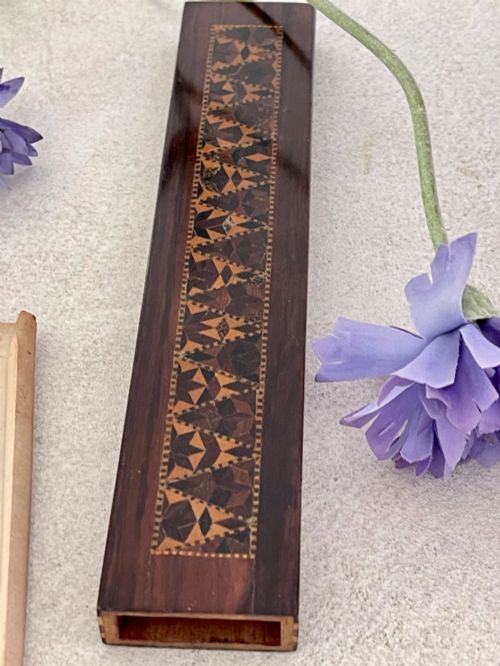
- Small handmade wooden domestic objects. These items showcase traditional turning and carving techniques in materials like boxwood and fruitwood.
- Chatelaine
- A decorative belt hook worn with suspended tools. Such accessories typically held sewing implements, keys, or watches.
- Apothecary
- Pertaining to the preparation and sale of medicines. Equipment includes pill rounders and cork compressors made of dense hardwoods.
- Sextant
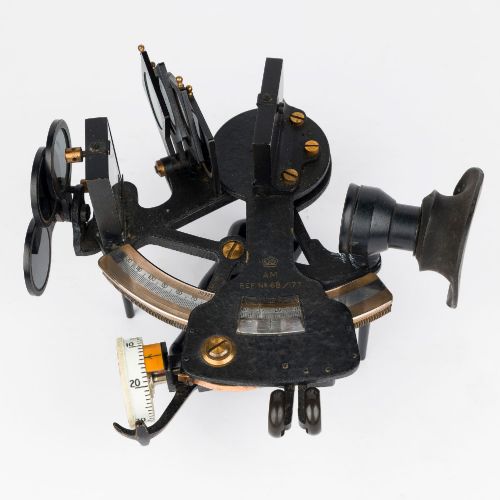
- An instrument used to measure angles for navigation. Maritime and aviation variants utilise precision brass and glass components.
- Cabochon
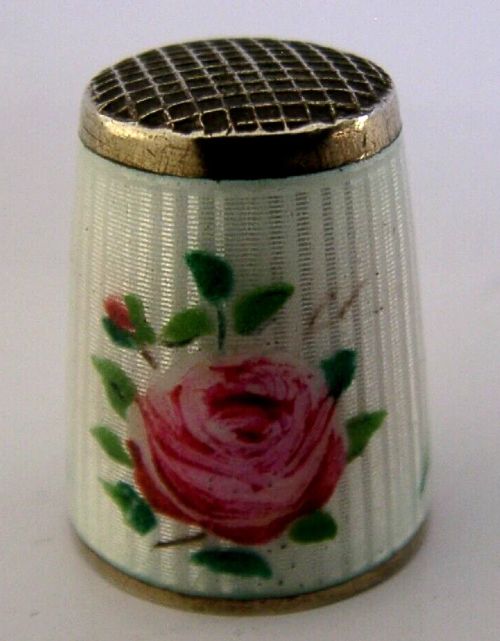
- A gemstone polished rather than faceted. These stones frequently accent silver thimble cases and sewing tools.
Antique Collectible Tool: Frequently Asked Questions
What is an antique collectible tool?
An antique collectible tool is a functional or decorative object from past centuries, encompassing everything from scientific navigational gear to domestic sewing accessories and wooden treen.
These pieces derive their appeal from their original utility, material composition, and the craftsmanship of periods ranging from the Georgian era to the mid-twentieth century.
How were novelty silver pin cushions used?
Novelty silver pin cushions served as decorative and practical table accessories in Victorian and Edwardian sewing rooms. Pins were stored directly into the integrated velvet pads fitted within silver forms shaped as animals, vehicles, and household furniture.
They combined whimsy with everyday utility, reflecting the Victorian penchant for imaginative domestic silver.
What materials are common in these tools?
Common materials include sterling silver, brass, steel, and gunmetal for metallic instruments and hardware. Organic materials such as fruitwood, boxwood, oak, leather, velvet, and corozo nut frequently appear in treen, cases, and handles.
Enamel work and gold leaf also feature on select pieces from Scandinavian and European makers.
How do I identify Victorian items?
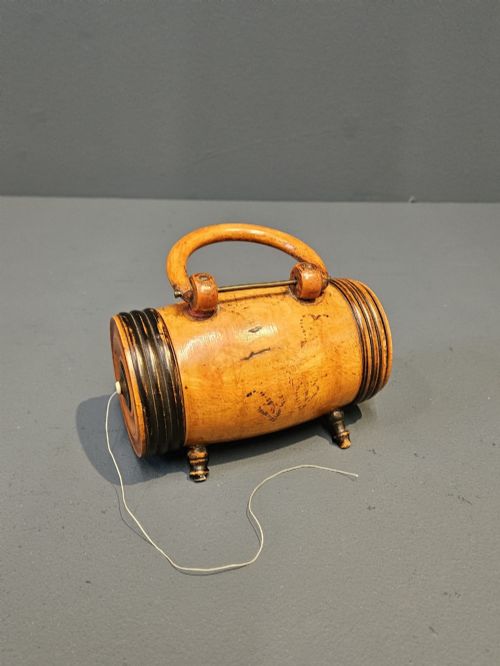
Victorian items can be identified through stylistic cues such as ornate floral motifs, classical scenes, and distinctive novelty silver forms produced between eighteen thirty-seven and nineteen hundred. Assay office marks, hallmarks, and specific material combinations like fruitwood barrels and silver thimbles provide further chronological context.
Were scientific instruments used professionally?
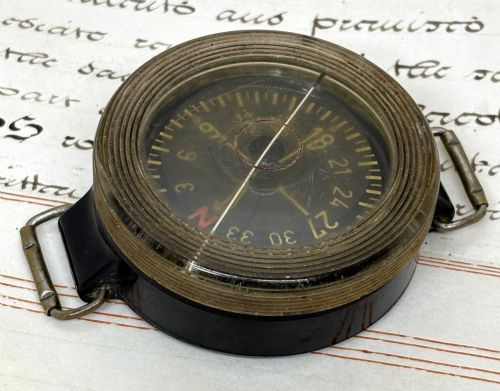
Scientific instruments like station pointers, flying boat sextants, and military amputation saws were manufactured for precise professional deployment in maritime, aviation, and medical fields. They were constructed to rigorous standards using durable metals and specialised glass to ensure reliability under demanding conditions.