




Antique Collectible Table
These antique collectible table pieces are varied domestic objects and smoking accessories that bring period craftsmanship to any surface.
Antique Collectible Table
When you search for an antique collectible table object, you encounter a diverse assortment of items designed for display, daily utility, or parlour use. The selection spans several centuries, ranging from early silver spoons to mid-century lighters and decorative glass.
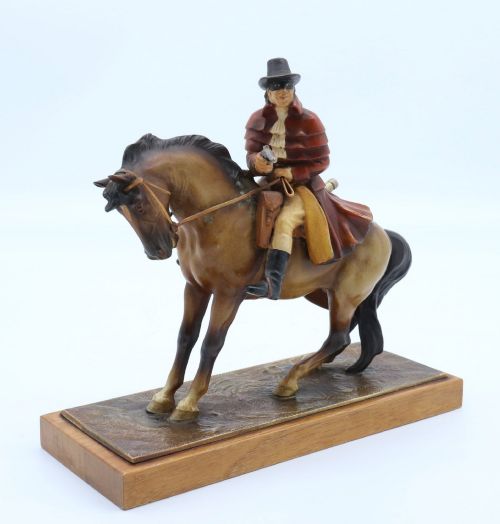
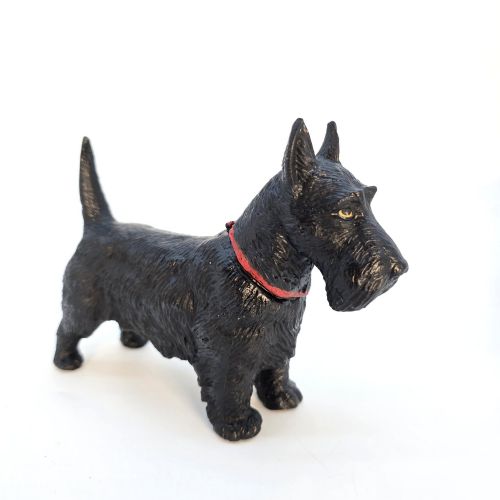
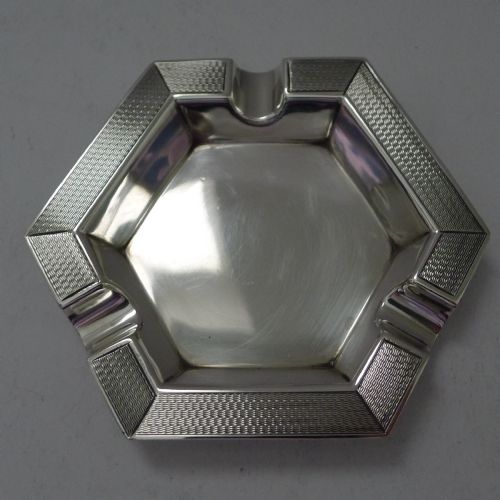
You are most likely to meet smoking accessories, desk items, and small display pieces on this page. These include table lighters, ashtrays, carriage clocks, and perfume bottles originating from periods such as the Victorian era, the Edwardian years, and the Art Deco movement.
Materials and Construction
Makers utilised sterling silver, brass, bronze, and pewter to create durable metalware, often employing casting, hand-painting, and silversmithing techniques. Wood appears in forms such as mahogany bijouterie tables and treen nut crackers.
Antique Collectible Table Retail Price Guide 2026
Typical asking prices for collectible table among the pieces listed under this phrase on Sellingantiques today, from the lower quarter to the upper quarter. They describe what is for sale here now, not the wider market.
Listings incorporate items spanning from the seventeenth century through the 1960s, featuring materials like sterling silver, bronze, glass, and wood.
Evaluating Quality and Execution
The distinction between tiers rests upon the precision of the casting, the clarity of the hallmarks, and the crispness of any hand-painted or moulded detail. Master silversmiths and renowned glassworks achieved a sharpness in their output that lesser workshops missed.
Design integrity and originality of mechanical components govern the standing of items like table lighters and carriage clocks. Pieces retaining their original presentation cases, matching elements, or specialised finishes hold greater aesthetic weight.
William Neale·Rene Lalique·Edith Parsons·Elkington And Co·Thomas Issoa·Lawrence Coles·John King·Jaeger Le Coultre
The Antique Collectible Table Glossary
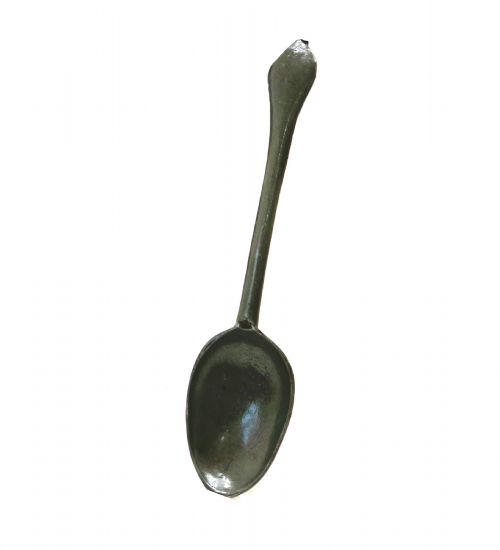
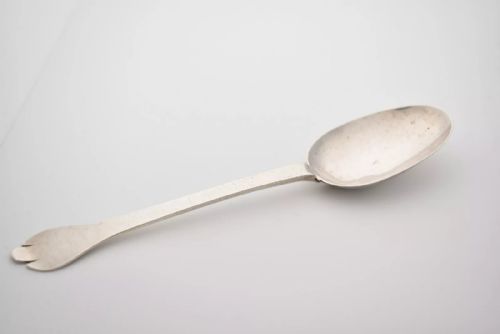
- Trefid spoon
- An early form of cutlery featuring a broad, notched terminal, common in the late seventeenth century. It represents an important milestone in British silver development.
- Bijouterie table
- A glass-topped display table utilised for showcasing small valuables, medals, or curiosities. It usually stands on slender legs.
- Opalescent glass
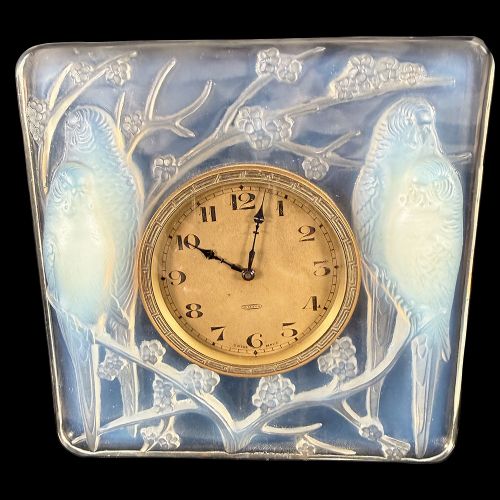
- Glass containing agents that cause it to milky-blue in transmitted light and amber in reflected light. This technique gained great favour during the Art Deco period.
- Carriage clock
- A portable spring-driven timepiece developed for travel in horse-drawn carriages. They are typically housed in brass frames with glass panels.
- Treen
- Small handmade wooden household objects created by turners. The category encompasses items such as nut crackers and small boxes.
Antique Collectible Table: Frequently Asked Questions
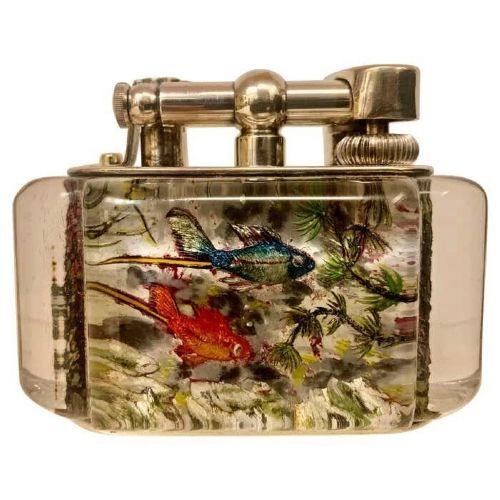
What is an antique table lighter?
An antique table lighter is a mechanical device designed to sit flat upon a surface for lighting pipes or cigarettes. These pieces often took whimsical or sculptural forms.
They were produced in various materials, including cast metal, silver, and aquarium-style encased designs during the mid-twentieth century.
How do I identify a trefid spoon?
A trefid spoon is identified by its flattened, three-lobed handle terminal and rat-tail reinforcement on the back of the bowl. These date primarily to the late seventeenth and early eighteenth centuries.
Collectors look for clear maker marks and original hallmarks stamped on the stem or bowl reverse.
Where were carriage clocks used?
Carriage clocks were originally built for travellers who required portable timekeeping during transit in carriages. Their robust spring movements absorbed the motion of travel.
Over time, they transitioned into domestic mantle ornaments valued for their visible escapements and striking mechanisms.
What is opalescent glass?
Opalescent glass is a semi-opaque material that displays a milky blue or fiery orange glow when light passes through it. It was widely utilised by glassmakers in the early twentieth century.
Items such as perfume bottles, clocks, and small decorative bowls showcase this distinct optical property.