






Antique Coffer with Feet
An antique coffer with feet offers sturdy traditional storage in solid oak or mahogany, bringing centuries of practical craftsmanship straight into a modern room.
Antique Coffer with Feet
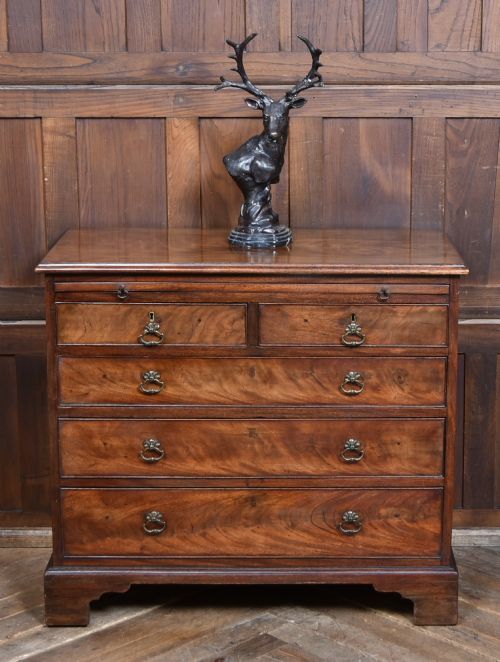
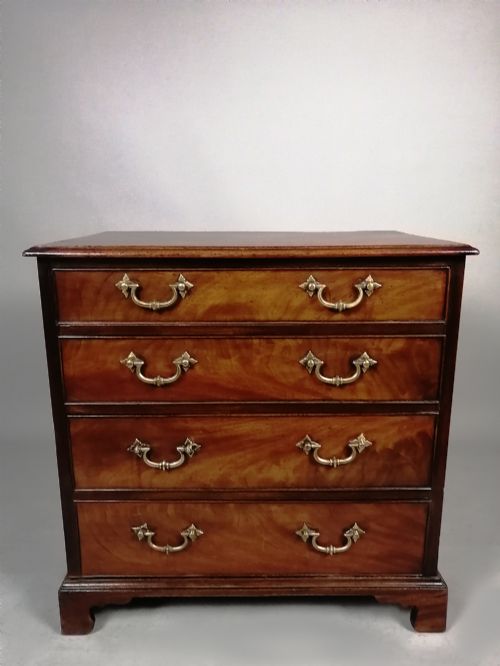
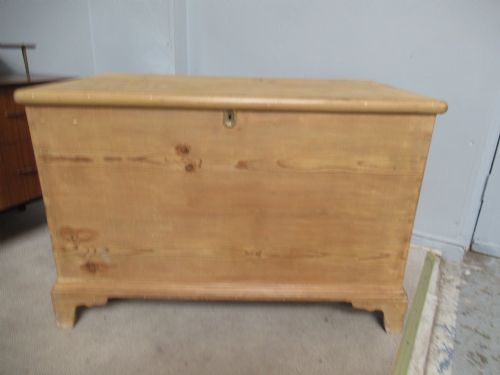
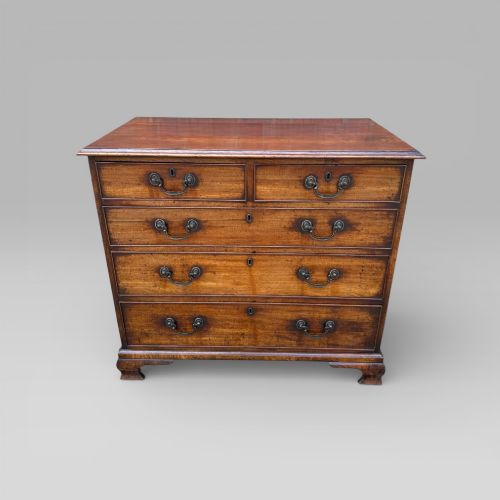
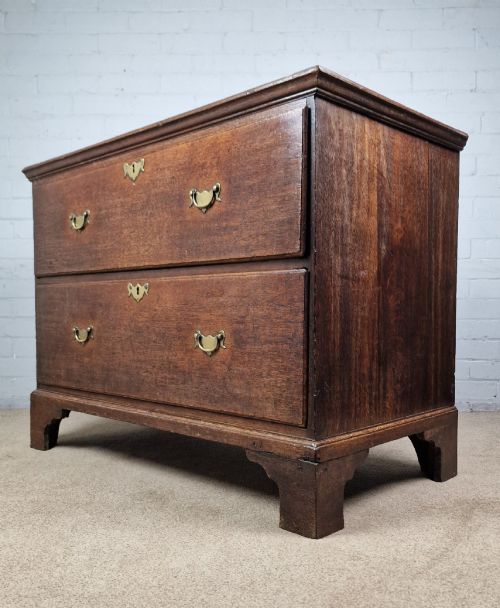
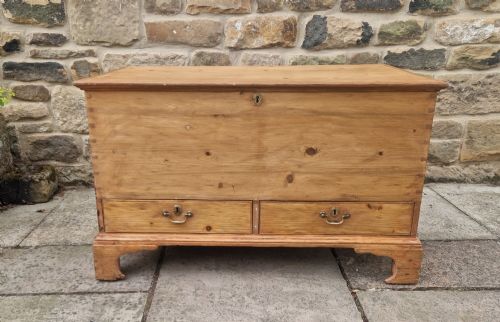
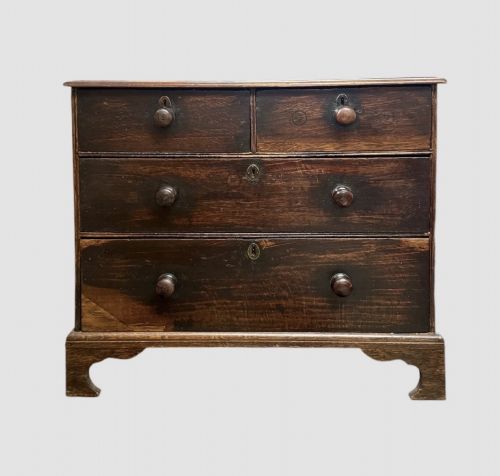
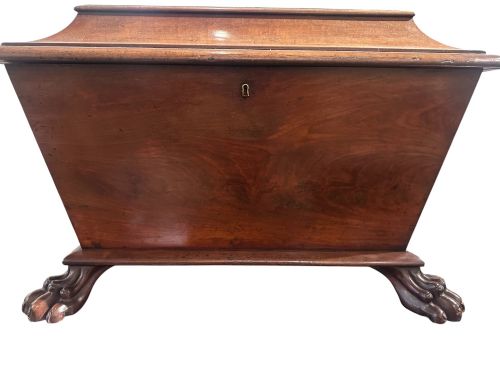
When you search for an antique coffer with feet, you are looking at substantial timber storage boxes raised clear of the floor on various supports. The pieces listed here span periods from the early eighteenth century through to the late Victorian era, taking forms such as mule chests, blanket boxes, and silver chests.
You are most likely to meet oak and mahogany examples on this page, reflecting the dominant timbers of the Georgian and eighteenth-century pieces in the inventory. These items range from simple Welsh vernacular boxes with inlaid decoration to more formal Chippendale revival and continental blanket chests.
Raised forms include distinct foot types, such as the block paw feet seen on seventeenth-century oak coffers. This elevation protects the lower timbers from damp floors and adds a deliberate architectural proportion to the base of the chest.
How they were made
Construction relies primarily on heavy domestic hardwoods like oak and pine for structural integrity, with finer mahogany employed for formal case pieces. Cabinetmakers joined panels using traditional methods to accommodate seasonal wood movement without splitting the primary timber.
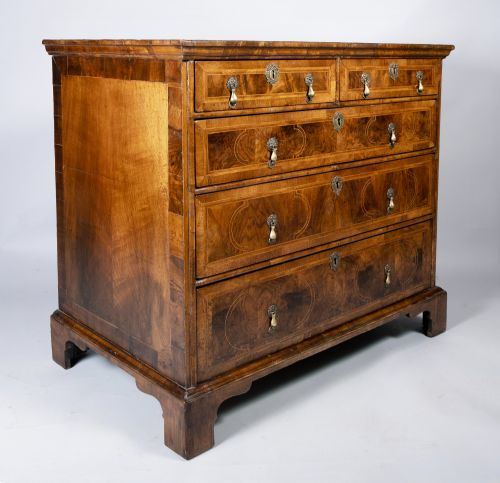
Surface embellishment incorporates fruitwood inlay and brass or iron hardware such as hinges and carrying handles. Gilt metal details occasionally appear on later nineteenth-century boxes, contrasting with the dark waxed patina of earlier vernacular oak.
Antique Coffer with Feet Retail Price Guide 2026
Typical asking prices for coffer with feet among the pieces listed under this phrase on Sellingantiques today, from the lower quarter to the upper quarter. They describe what is for sale here now, not the wider market.
Several chests double up as coal bins and fireside stores, proving that even a humble lump of coal once deserved a respectable mahogany box.
What varies in quality
Quality reveals itself in the selection of timber figures and the crispness of any inlaid decoration. Pieces utilising finely figured mahogany or dense seventeenth-century oak sit at the upper end of the range compared to utilitarian pine boxes.
The integration of the feet and the retention of original brass or iron hardware heavily influence the character of the piece. Integrated supports carved from the solid wood or well-attached block feet show a higher standard of original joinery than later alterations.
The Antique Coffer with Feet Glossary
- Coffer
- A large wooden chest used historically for storing valuables, linen, or documents. These sturdy boxes often feature hinged lids and raised feet.
- Mule chest
- A traditional storage chest featuring one or more drawers beneath the main lift-top compartment. This form bridges the evolution between the simple coffer and the modern chest of drawers.
- Block paw foot
- A solid, carved furniture foot resembling an animal paw resting on a square block. This stylistic support lifts the weight of heavy oak and walnut pieces off the floor.
- Fruitwood inlay
- Decorative contrasting light wood inserted into recesses in the primary carcase. Makers used this technique to create geometric or floral patterns on panels.
- Vernacular
- Furniture made by regional craftsmen for local use rather than high urban workshops. These pieces often display practical construction and native timbers like Welsh oak.
Antique Coffer with Feet: Frequently Asked Questions
What is the difference between a coffer and a blanket chest?
A coffer is traditionally a heavy storage chest, often associated with earlier centuries and reinforced for valuables or documents. A blanket chest specifically denotes a domestic container used for household textiles.
While both share a hinged top and deep interior space, coffers frequently display more robust construction and raised feet to keep contents away from damp floors.
How do I care for an antique oak coffer?
Keep wooden storage pieces away from direct heat sources and dramatic humidity shifts to prevent timber splitting. Regular gentle dusting and occasional application of traditional wax help maintain the finish.
Avoid modern silicone polishes, which can build up on old surfaces and attract dust over time.
Where were these chests placed in a historic home?
Bedchambers and parlours were the primary locations for chests and coffers, serving both as seating and secure storage for linens and personal items. Housekeepers trunks also functioned in utility spaces for managing household stores.
Today, these versatile pieces easily transition to living rooms or hallways as coffee tables or blanket storage.
How can I tell eighteenth-century oak from later revivals?
Eighth-century oak pieces show hand-tool marks, pegged joinery, and natural timber shrinkage consistent with age. The grain develops a deep, dry patina from centuries of handling and waxing.
Revival pieces often display more uniform machine sawing and standardised internal fittings without the authentic wear patterns of period use.