



Antique Cockerel Ornament
An antique cockerel ornament brings distinct character and avian spirit into a room, spanning delicate silver figures to robust folk art weather vanes.
Antique Cockerel Ornament
An antique cockerel ornament encompasses a diverse group of objects shaped like domestic roosters, ranging from small desk accessories and money banks to large architectural weather vanes. When exploring antique cockerel ornament selections, one encounters forms derived from Victorian, Edwardian, and mid-century traditions.
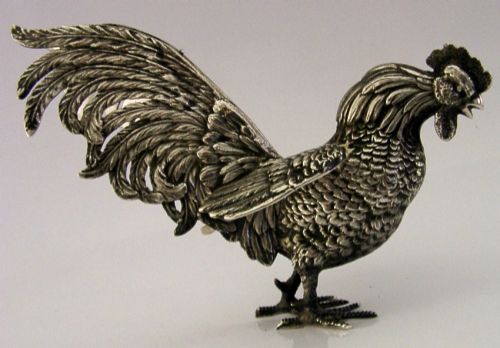
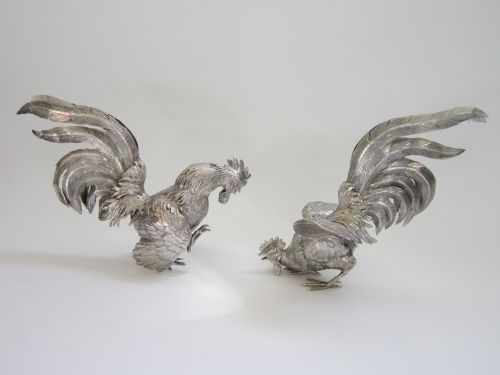
The objects take several distinct shapes including table ornaments, silver figurines, statues, car mascots, and donation boxes. Continental and British workshops produced these figures in varied scales, from diminutive cold painted bronzes to substantial silver models of fighting cockerels.
Origins stretch across Britain, France, Italy, and Austria, reflecting regional decorative tastes. Pieces span from the nineteenth century through the mid-twentieth century, capturing both formal silver-smithing and vernacular folk art expressions.
How they were made
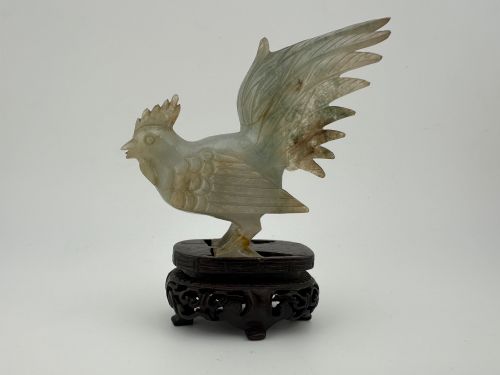
Metals form the foundation of these pieces, utilising solid silver, sterling silver, 833 silver, copper, iron, bronze, and tin metal alongside stone elements. Artisans employed casting, hammering, and sheet metal fabrication to build the hollow bodies of weather vanes and the solid weights of table statuary.
Surface treatments introduce colour and texture through cold painting techniques applied directly onto cast bronze or tin surfaces. Silver pieces frequently rely on chased feather details and polished highlights to define the plumage.
Antique Cockerel Ornament Retail Price Guide 2026
Typical asking prices for cockerel ornament among the pieces listed under this phrase on Sellingantiques today, from the lower quarter to the upper quarter. They describe what is for sale here now, not the wider market.
A tiny metal bucket accompanies one small bronze cockerel, offering an inexplicable domestic chore to an otherwise combative bird.
What varies in quality
The dexterity of the artisan defines the upper tier of these pieces, visible in the naturalistic rendering of posture, comb, and individual feathers rather than generic cast shapes. Metal purity and gauge also separate substantial silver models and heavy copper vanes from lighter plated or tin alternatives.
Surface preservation marks the distinction between well-maintained examples and those that have lost their original hand-applied paint or patination. Fine detailing in the expression and anatomical stance elevates sculptural items above standard production objects.
Rene Lalique
The Antique Cockerel Ornament Glossary
- Cold painted bronze
- A method where enamel paint is applied to an unheated bronze casting. This technique was widely utilised by Viennese workshops to create brightly coloured animal figures.
- Weather vane
- An outdoor instrument mounted on a roof to indicate wind direction, typically featuring a directional arrow and a pivoting decorative silhouette. Copper and iron examples often double as substantial folk art sculptures.
- Car mascot
- A sculptural ornament mounted on the radiator cap of an automobile during the early twentieth century. Master glassmakers and metalworkers created these figures to personalise luxury motor cars.
- Hanau silver
- Silverware produced in the German town of Hanau by various silversmiths replicating historic styles. These pieces often carry pseudo-hallmarks that emulate earlier European standards.
- Folk art
- Artistic work created by untrained or traditional craftspeople within a community context. These objects prioritize functional utility and local material traditions over academic fine art conventions.
Antique Cockerel Ornament: Frequently Asked Questions
What materials are these ornaments made from?
These decorative objects primarily utilise metals such as sterling silver, 833 silver, copper, bronze, iron, and tin. Some examples incorporate stone bases or painted surfaces to enhance their appearance.
Makers selected materials based on the intended function of the piece, choosing durable copper and iron for outdoor weather vanes while employing precious silver and bronze for interior table ornaments and desk accessories.
Where were cockerel weather vanes placed?
Weather vanes were traditionally mounted on the highest points of roofs, barns, or estate buildings to catch the wind. Their pivoting design allowed the metal silhouette to turn freely and indicate wind direction.
Over time, many of these architectural fixtures were removed from buildings and preserved as decorative sculptures due to their strong folk art aesthetic.
How do I identify a cold painted bronze?
Cold painted bronzes feature polychrome enamel colours applied directly onto a cast metal base without high-temperature firing. This technique produces a matte finish that can show wear or flaking in areas handled frequently.
Examining the underside or protected recesses often reveals the bare bronze metal beneath the remaining paint layers.
What is the difference between a table ornament and a statue?
Table ornaments are typically smaller in scale and designed to sit on desks, mantelpieces, or dining tables as portable decorative items. Statues and larger figurines often possess a more commanding presence and greater weight.
Functionally, objects such as donation boxes and money banks combined decorative sculpture with practical storage purposes.