
Antique Coat Rack Pegs
These antique coat rack pegs combine utility with period character, offering solid woods and cast metals designed to hold everyday garments.
Antique Coat Rack Pegs
When you search for antique coat rack pegs, you encounter wall-mounted hooks, backboards, and substantial hall stands spanning the Victorian and Edwardian eras. These pieces provide functional storage for entrance halls and cloakrooms through single hooks or grouped mountings.
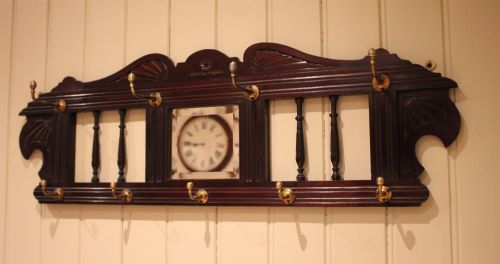
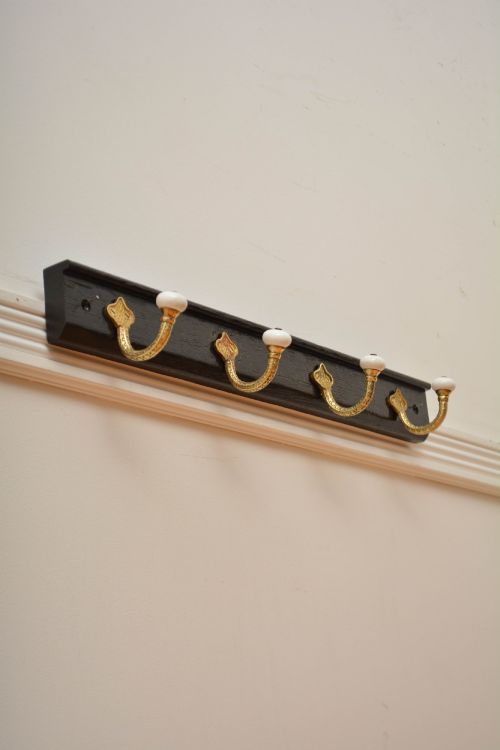
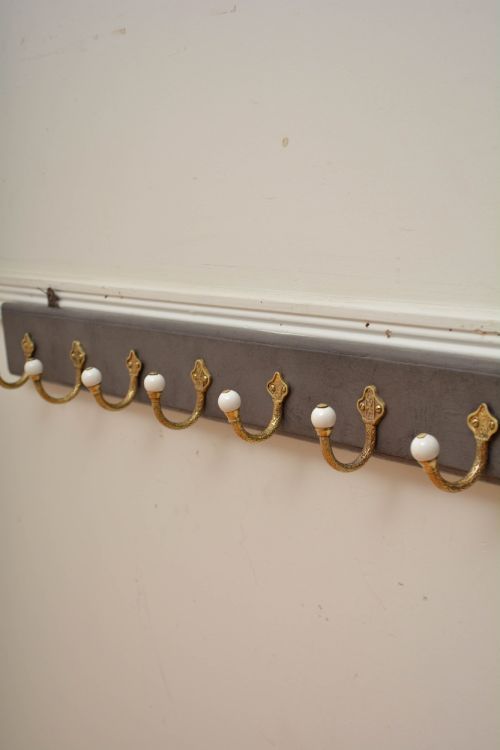
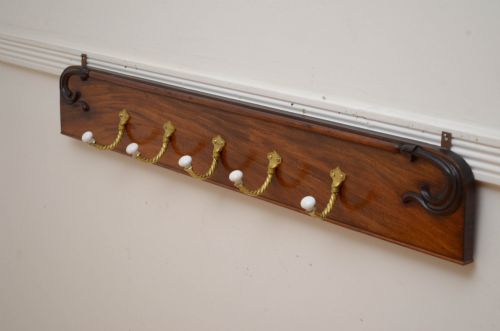
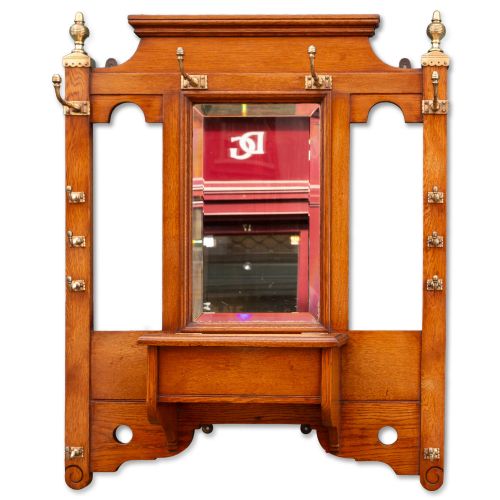
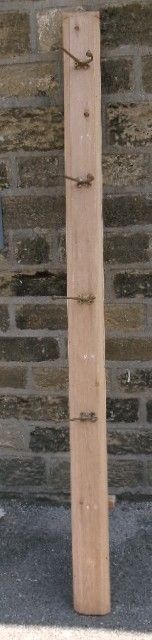
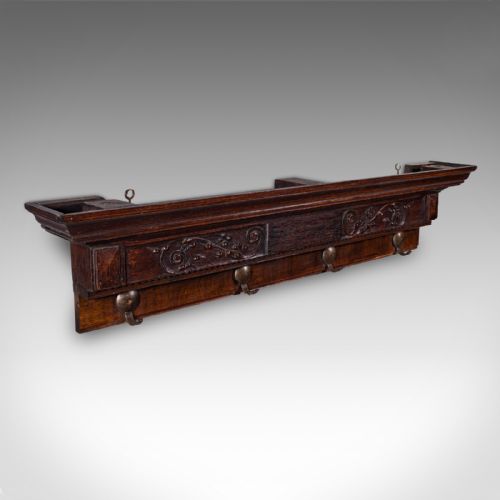
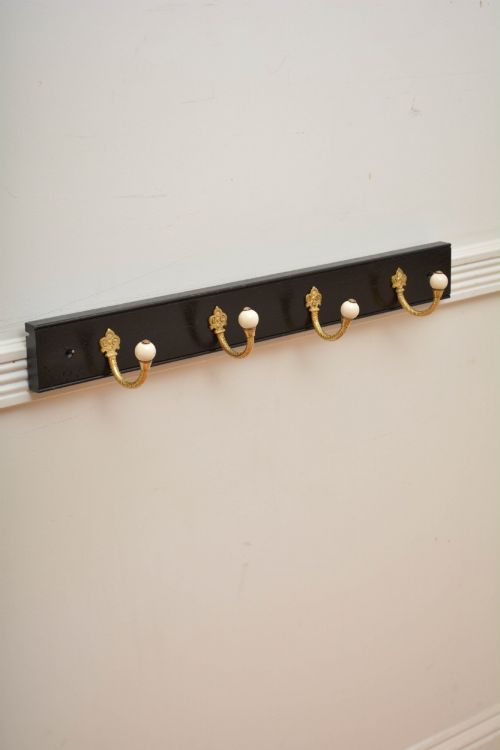
The version most likely to meet you on this page is a Victorian or turn-of-the-century wall-mounted rack featuring brass hooks fixed to timber backboards. Oak, mahogany, and ebonised wood serve as the primary foundations for these practical items.
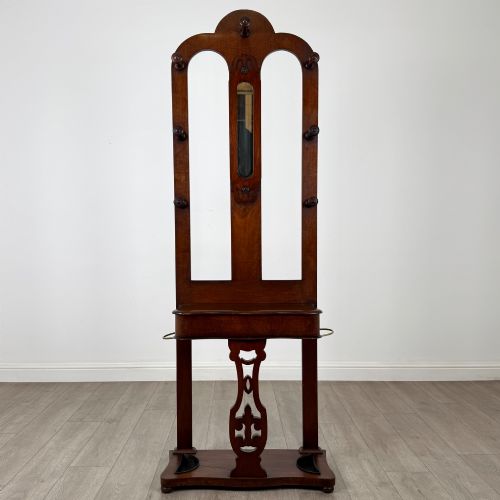
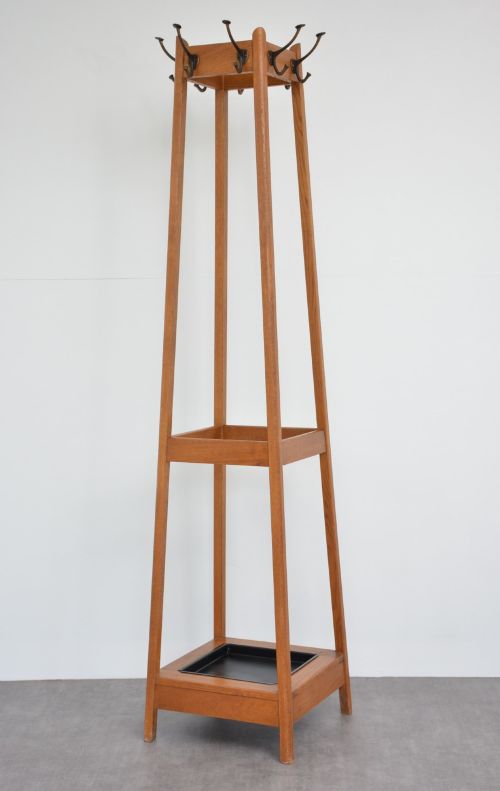
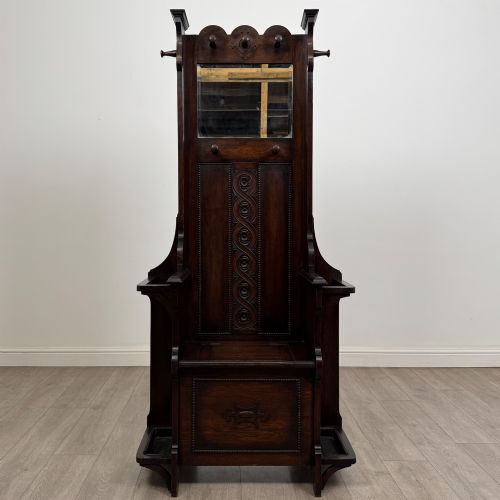
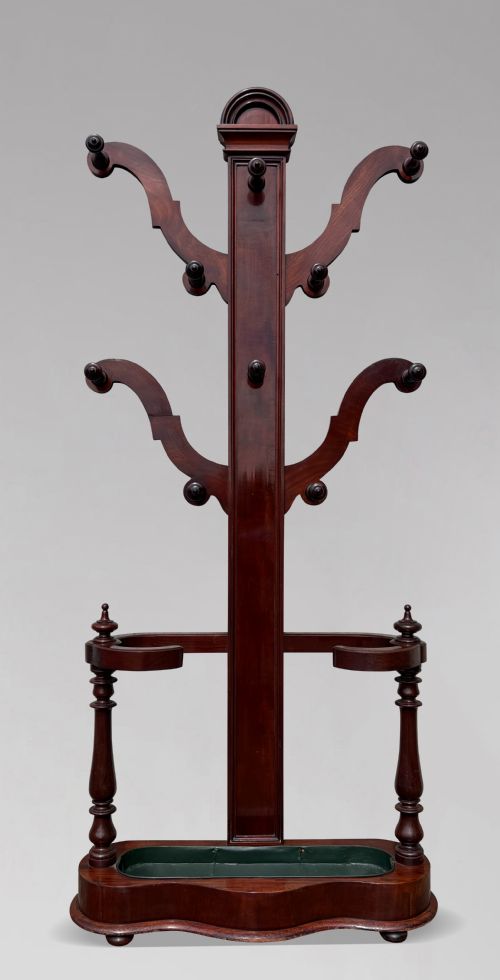
Beyond simple wall strips, the selection includes complex hall stands integrating mirrors, umbrella holders, and drip trays. Pieces range from unpretentious pine cloakroom rails to decorative cast brass and ceramic combinations.
How they were made
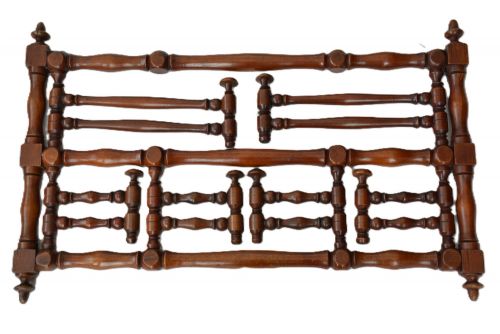
Carpenters and cabinetmakers utilised native and imported hardwoods like oak, mahogany, walnut, and pine for the backboards and structural frames. Timber surfaces received ebonising, polishing, or paint finishes depending on the aesthetic movement of the period.
Foundries produced the metal components through casting and chasing, working with brass, bronze, iron, and gold or silver-toned metal. Ceramic, porcelain, or glass knobs were then affixed to metal hook terminals to protect garments from snags.
Listings feature materials spanning brass, oak, mahogany, glass, ceramic, beech, metal, and wood across Victorian, Edwardian, and Art Deco styles.
What varies in quality
The distinction between standard utility items and finer examples rests on the standard of metal casting and timber selection. Heavy, crisply cast brass plates and neatly turned ceramic knobs show greater attention to detail than mass-produced utilitarian hardware.
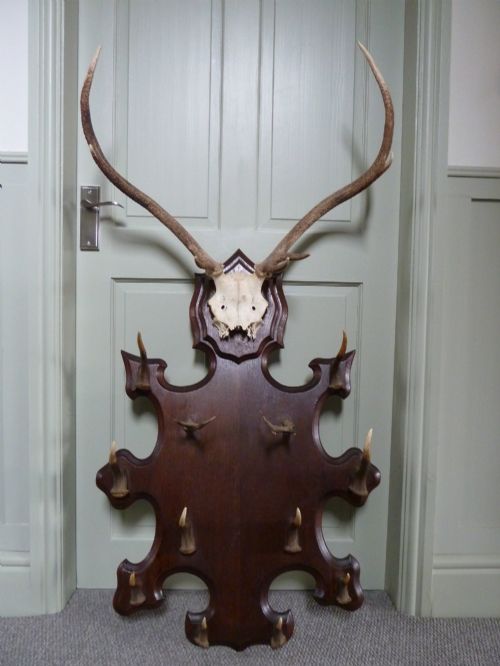
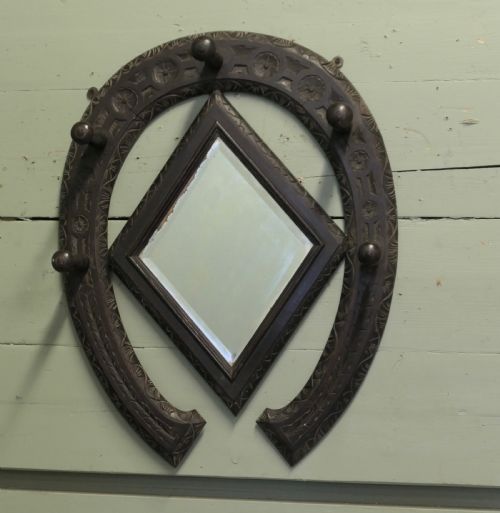
Subtleties in design, such as bevelled mirror glass, shaped backboards, and integrated decorative motifs like horseshoes or stags' horns, separate ordinary cloakroom hooks from exhibition pieces.
The Antique Coat Rack Pegs Glossary
- Backboard
- The horizontal timber plank or panel to which individual coat hooks are screwed. It distributes the weight of garments across the wall fixings.
- Ebonised
- Timber treated with a dark stain or chemical process to imitate ebony. This finish appears frequently on Victorian and Edwardian hall furniture.
- Bentwood
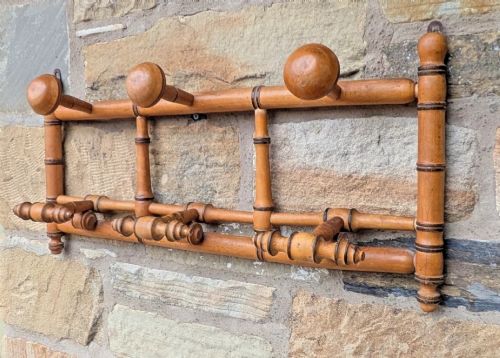
- Wood softened by steam and bent into curved shapes. This technique defines several turn-of-the-century coat and hat stands.
- Hall Stand
- A large freestanding piece of entrance furniture combining a mirror, coat hooks, umbrella storage, and a drip tray. These structures served formal Victorian and Edwardian reception areas.
- Chased
- Metal decorated with hand-cut surface patterns using small punches and hammers. This technique adds fine detail to brass hooks and mounting plates.
Antique Coat Rack Pegs: Frequently Asked Questions
How do I install a wall-mounted coat rack?
Wall-mounted racks secure directly to walls through pre-drilled screw holes in the timber backboard or mounting plates. Ensuring fixings anchor into solid wall studs or proper masonry plugs provides the necessary support for heavy winter garments.
Spacing between fixing points varies by piece, so checking the alignment with your wall structure ensures a stable installation in a hallway or cloakroom.
What woods were commonly used?
Cabinetmakers relied heavily on oak, mahogany, pine, walnut, and beech for backboards and hall stands. Hardwoods offered the structural strength required to bear the constant weight of hats and coats.
Ebonised finishes on solid oak or pine also appear frequently, particularly on pieces produced during the Victorian period.
How do I distinguish Victorian from Edwardian pieces?
Victorian pieces often feature heavier ornamentation, darker ebonised woods, and robust cast brass hardware combined with ceramic knobs. Styles from this era frequently incorporate Gothic or Aesthetic Movement design elements.
Edwardian designs tend toward lighter golden oak tones and more restrained forms, reflecting changing domestic tastes around the turn of the century.
Are these racks suitable for modern entryways?
These functional pieces adapt readily to contemporary hallways, offering sturdy hanging space for coats, bags, and hats. Their compact wall-mounted formats suit smaller spaces while providing period character.
Freestanding hall stands integrate storage solutions like umbrella holders and mirrors, serving multiple functions in a single footprint.