





Antique Coastal Print
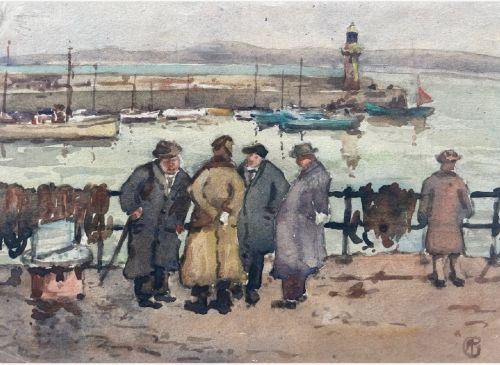
An antique coastal print captures maritime life and shorelines on paper using watercolour, ink, or engraving.
Antique Coastal Print
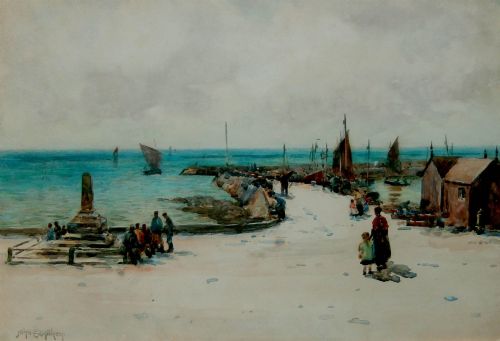
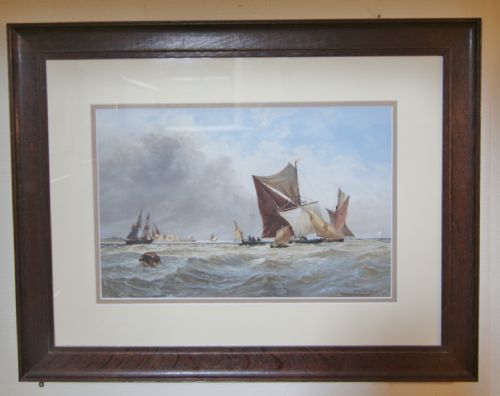
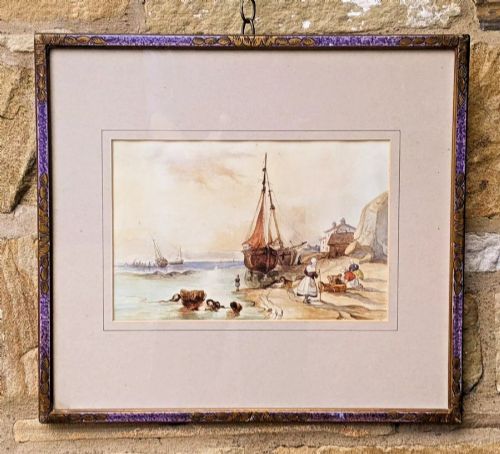
When you search for an antique coastal print, you encounter works depicting harbours, ships, fishing boats, and shorelines spanning the eighteenth, nineteenth, and early twentieth centuries.
The selections available range from hand-coloured engravings and aquatints to original watercolours and etchings created during the Victorian and Edwardian periods.
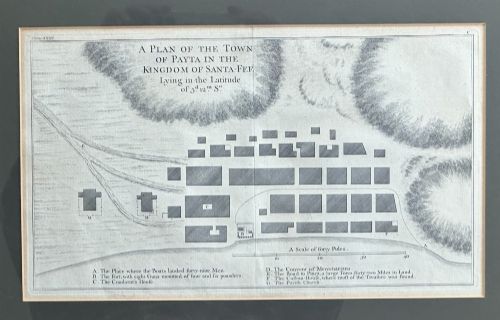
Most pieces document British and European maritime scenes, from Scottish waters to Mediterranean landmarks, alongside historical charts and maps.
Materials and techniques
These works rely primarily on paper supports combined with watercolour, ink, or printed mediums such as etching, aquatint, and engraving.
Frames incorporate wood and glass, frequently accented with gold leaf or gilt mouldings to protect the delicate paper surfaces.
Antique Coastal Print Retail Price Guide 2026
Typical asking prices for coastal print among the pieces listed under this phrase on Sellingantiques today, from the lower quarter to the upper quarter. They describe what is for sale here now, not the wider market.
A nineteenth-century sheet records seaweeding in Guernsey alongside maps detailing voyages around the globe.
Factors determining quality
Quality rests in the precision of the draughtsmanship and the clarity of the printed line or brushwork, distinguishing accomplished artists from routine commercial output.
The preservation of the paper support, the retention of original pigment colour, and the quality of the period framing significantly influence the standing of each piece.
John E Aitken·TB Hardy·George F Pennington·Jonathan Couch·Norman Janes
The Antique Coastal Print Glossary
- Aquatint
- A printmaking technique that produces tonal areas resembling watercolour washes. It is often combined with line etching to render atmospheric skies and sea views.
- Engraving
- A method of cutting design lines directly into a metal plate with a sharp tool. The resulting impressions yield crisp, fine detail on paper.
- Etching
- A process where acid bites lines into a metal plate covered with a protective ground. This technique allows artists to achieve fluid, expressive lines in marine scenes.
- Lithograph
- A planographic printing method based on the repulsion of oil and water. It enabled vibrant poster and plate production during the nineteenth and twentieth centuries.
Antique Coastal Print: Frequently Asked Questions
How should I hang these prints?
Keep works on paper away from direct sunlight to prevent fading of watercolours and inks. Maintain stable room humidity to protect both the paper and the wooden frames.
Use professional framing materials and UV-filtering glass when re-framing older pieces to ensure long-term preservation.
Are these works original art?
The selection includes both unique painted watercolours and original period prints produced from engraved or etched plates. Each medium represents the standard artistic output of its respective era.
Examining the surface under magnification helps distinguish hand-applied pigment from mechanical reproduction dots.
How do I date an antique print?
Dating relies on paper characteristics, printing techniques, and stylistic markers specific to periods such as the Georgian, Victorian, or Edwardian eras. Signatures, inscriptions, and publisher marks often provide definitive chronological clues.
Historical subjects and costume details further anchor the piece within a specific decade.
What subjects are most common?
Maritime subjects dominate these works, featuring fishing boats, coastal harbours, naval forts, and open seascapes. Cartographic maps and topographical coastal views also appear frequently.
Scenes range from calm tidal estuaries to dramatic coastal storms and shipping vessels under sail.