





Antique Coastal Decor
Antique coastal decor brings the historic character of the sea, harbours and shorelines directly into interior spaces through paintings, models and natural objects.
Antique Coastal Decor
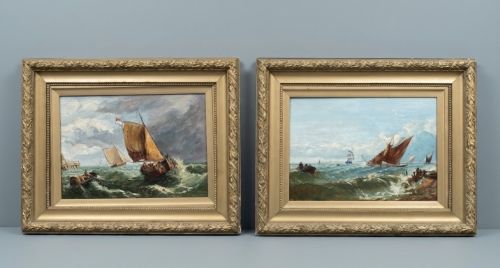
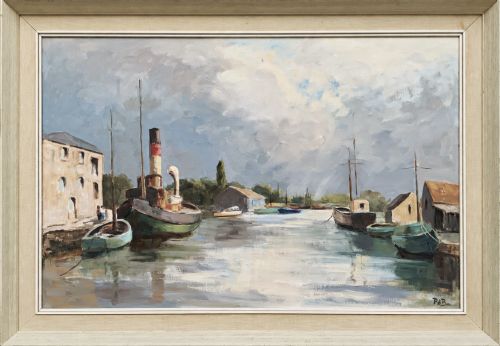
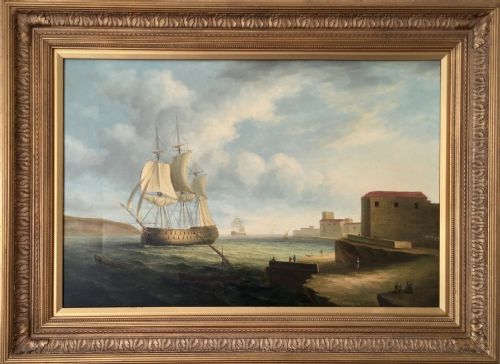
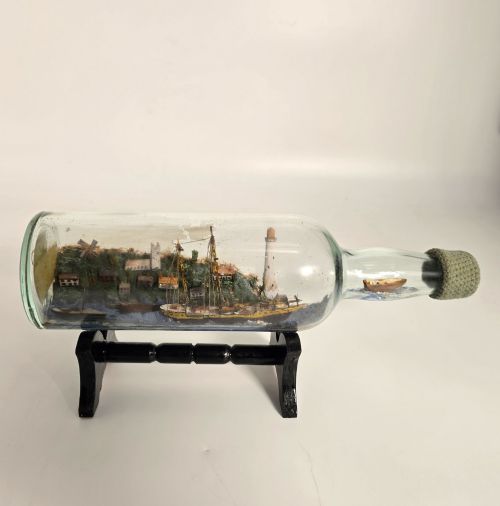
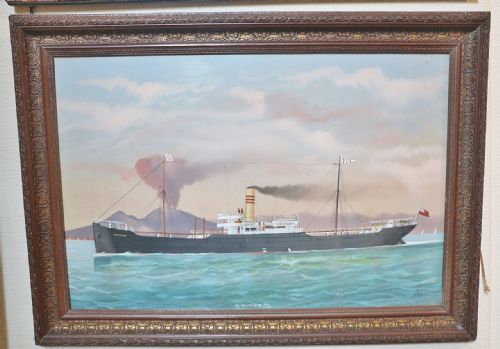
Antique coastal decor comprises marine oil paintings, watercolours, ship dioramas, maps and natural specimens that reflect maritime heritage and shore life. These items range from detailed 19th-century oil paintings of harbours and war-ships to folk art ship models and natural sea shells.
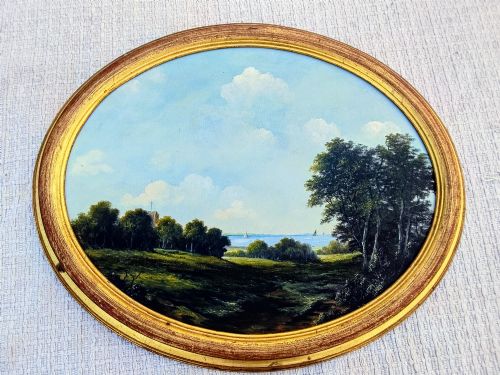
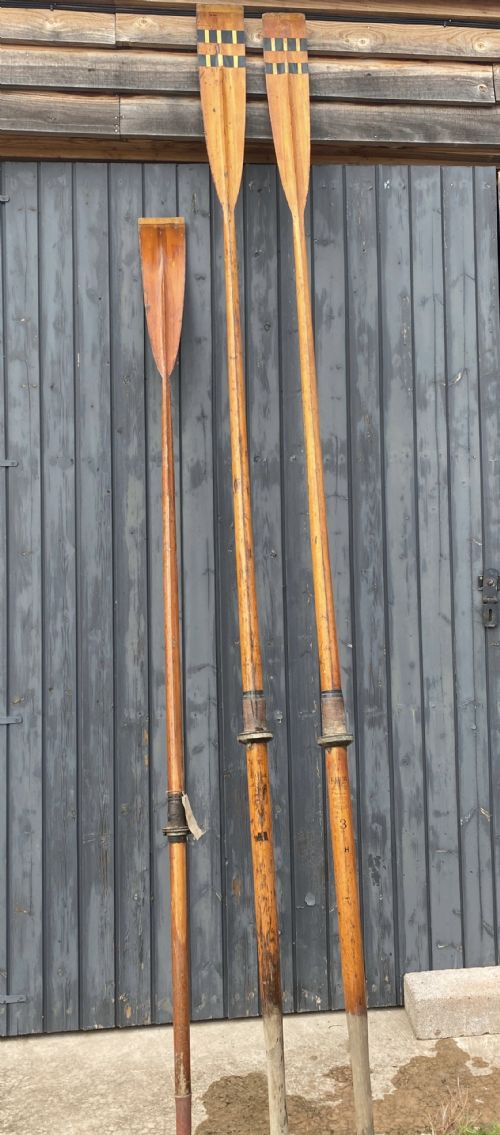
The selections available here lean heavily towards 19th-century and early 20th-century British and European works. Buyers frequently encounter framed oil paintings on panel or canvas, alongside decorative objects such as giant clam shells and vintage rowing oars.
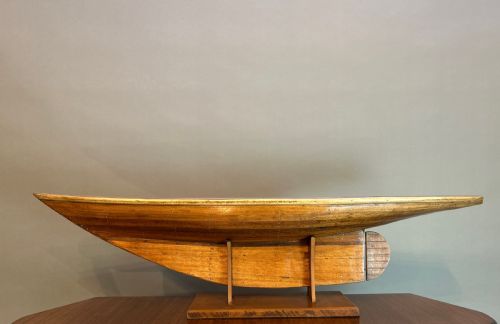
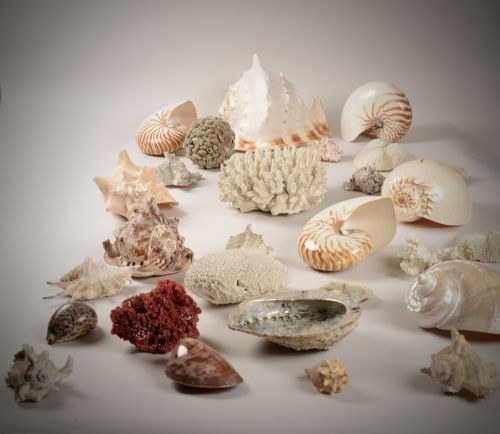
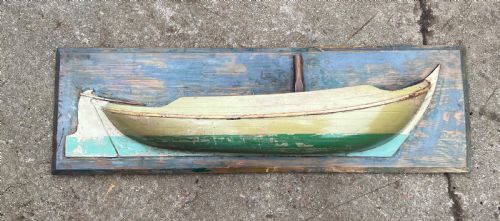
Paintings dominate the selection, featuring traditional coastal scenes, fishing boats, and port views from periods including the Victorian era and the 1920s. Alongside these works, buyers find physical items like half models of boats and collections of vintage sea shells and coral.
Materials and methods of construction
The physical items in this category rely heavily on traditional artist materials like oil paint and canvas or paper for watercolours and prints. Wooden framing and wooden components appear frequently in paintings, half models of boats, and vintage rowing oars.
Natural materials form a distinct subset of the decor, encompassing genuine sea shells, coral, and giant clam shells alongside porcelain interpretations. Hand-painted details on wood, panel, and ceramic demonstrate the skilled craftsmanship applied to both fine art and decorative objects.
Antique Coastal Decor Retail Price Guide 2026
Typical asking prices for coastal decor among the pieces listed under this phrase on Sellingantiques today, from the lower quarter to the upper quarter. They describe what is for sale here now, not the wider market.
Listings feature 19th Century, Edwardian, and 1920s periods, using oil paint, canvas, wood, paper, and glass across wall art and decorative objects.
Distinctions in quality and execution
The quality of antique coastal decor depends upon the skill of the execution, whether in the brushwork of an oil painting or the precise construction of a ship diorama. Finer paintings show a deliberate handling of light and water, whereas lesser pieces can lack depth in their depiction of coastal atmospheres.
Materials also dictate the tier of the piece, with original oils on canvas or panel and genuine natural specimens holding a different presence compared to mass-produced prints or decorative porcelain. The clarity of provenance and the reputation of the artist shape the standing of individual works.
James Hardy·Edward Matthew Elliott·Sir David Murray RA·Frank Wood·H. Hadfield Cubley·Micheal Matthews·Johan Jens Neumann·Thomas Bush Hardy·Arthur Joseph Meadows
The Antique Coastal Decor Glossary
- Marine oil painting
- A canvas or panel artwork executed in oil paints with a primary focus on the sea, ships, or coastal architecture. These works often capture specific historical vessels or coastal weather conditions.
- Half model
- A three-dimensional wooden representation of one side of a hull, traditionally used by boatbuilders to design vessels. They are mounted on backing boards for display.
- Maritime diorama
- A miniature three-dimensional scene enclosed within a glass bottle or case, often depicting a specific sailing ship in detailed miniature.
- Folk art
- Utilitarian or decorative objects created by self-taught or non-professional makers, frequently using available materials like wood or glass.
- Watercolour
- A painting method where fine pigment is suspended in a water-based solution on paper, yielding translucent washes of colour.
Antique Coastal Decor: Frequently Asked Questions
How do I choose between paintings and objects?
Paintings offer a flat visual narrative of historical shipping and coastal landscapes, suited for hanging on walls as focal points. Physical objects like oars, shells, and models introduce tactile three-dimensional texture into a room.
Consider the existing layout of the space and whether you prefer graphic depictions of the sea or tangible artefacts of maritime history.
Where were these coastal items made?
The pieces originate primarily from British and European coastal communities, reflecting local fishing fleets, harbours, and shipyards. Locations such as St Ives, Whitby, and Cornwall appear frequently in the provenance of the artworks.
This regional grounding connects the decor directly to active historical maritime hubs and traditional coastal industries.
How do I date a marine painting?
Dating relies upon stylistic cues, artist signatures, framing materials, and the types of vessels depicted in the composition. Evidence often points towards specific decades such as the Victorian era or the 1920s through inscribed dates and artist lifespans.
Examining the back of the panel or canvas can reveal historical labels, stamps, or handwritten notes from previous owners.
How do I care for antique marine art?
Keep oil paintings and watercolours out of direct sunlight to prevent the fading of pigments and degradation of paper or canvas. Maintain stable indoor humidity levels to protect wooden frames, panels, and organic specimens like coral or shells from warping or drying out.
Dust surfaces gently with a soft, dry cloth without applying liquid cleaners directly to the artwork or delicate surfaces.