



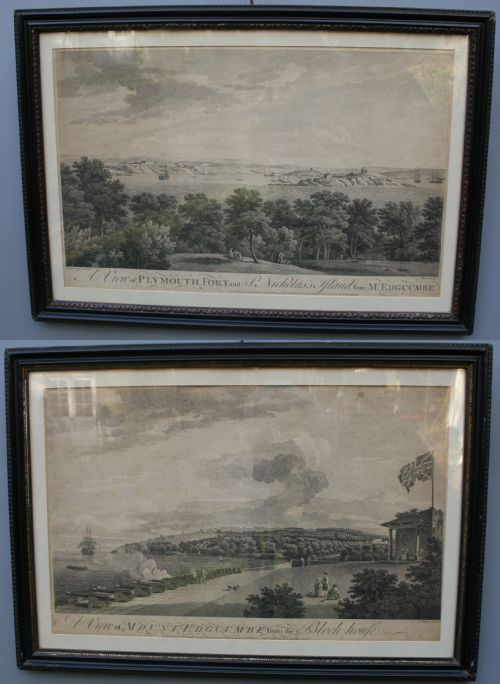

Antique Coastal Art Print
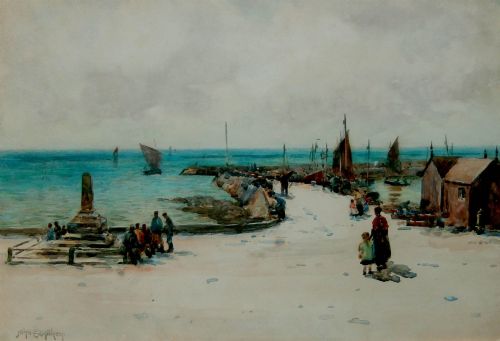
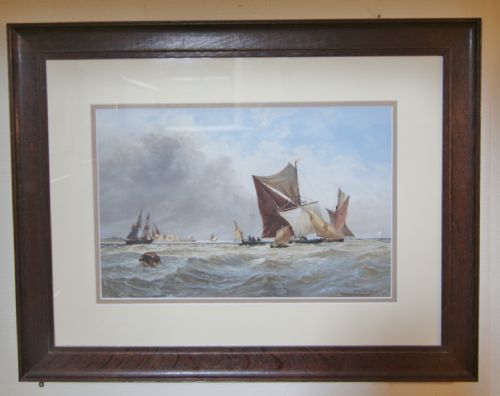
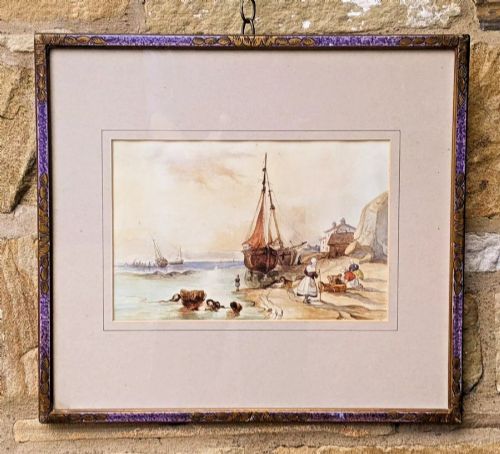
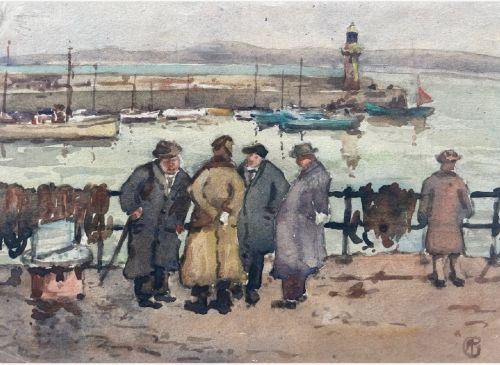
These antique coastal art print pieces capture maritime shores and harbours, offering a tangible window into historic coastal life.
Antique Coastal Art Print
When you search for an antique coastal art print, you encounter varied depictions of harbours, ships, and shorelines spanning the eighteenth to the twentieth century. These works appear in forms ranging from original watercolours and oil paintings to hand-coloured engravings and lithographic maps.
The most common examples on this page date from the nineteenth century and the early twentieth century, reflecting Victorian and Edwardian interest in maritime subjects. Artists and makers recorded British coasts, Scottish scenes, and international waters using paper and card.
Framed behind glass within wood or gilt surrounds, these pieces bring historical topography and marine painting directly into domestic interiors. They combine documentary record with landscape art.
Materials and methods of production
Makers utilised paper as the primary surface for watercolours, etchings, engravings, and lithographs, frequently pairing these with ink and occasionally gold leaf. Wood and gilt frames enclose the works, providing structural support and aesthetic contrast.
Printing techniques included aquatint, woodblock, and lithography for multiple impressions, alongside unique hand-painted watercolours and oil on canvas. Natural materials dominated the construction of both the artwork and the protective framing.
Antique Coastal Art Print Retail Price Guide 2026
Typical asking prices for coastal art print among the pieces listed under this phrase on Sellingantiques today, from the lower quarter to the upper quarter. They describe what is for sale here now, not the wider market.
Listings feature works from the nineteenth century, Edwardian era, and 1930, utilising watercolour, ink, etching, and lithography on paper.
Distinctions in quality
Quality rests upon the skill of the draughtsman or painter in handling light, water, and atmospheric perspective over coastal terrain. Finer works display confident brushwork or precise plate impressions, whereas lesser examples rely on repetitive commercial output.
The preservation of the paper support and the vibrancy of the original watercolours, inks, or oils dictate the standing of a piece. Original framing materials and clear attribution to known painters or publishers elevate the desirability of the work.
John E. Aitken·TB Hardy·George F Pennington·W. Collard·Jonathan Couch·William Russell Flint·Frank Wood·Norman Janes·Thomas Bush Hardy
The Antique Coastal Art Print Glossary
- Aquatint
- A intaglio printmaking technique that produces tonal areas resembling watercolour washes. It allows artists to achieve subtle gradients of tone on the printed plate.
- Engraving
- A printmaking process where an artist cuts lines directly into a metal plate with a burin. This produces crisp, fine lines capable of high detail.
- Lithography
- A planographic printing method based on the repulsion of oil and water on a limestone or metal surface. It enabled cheap and accurate mass reproduction of maps and posters.
- Etching
- A method where acid bites into unprotected areas of a metal plate to create recessed lines for holding ink. The resulting printed lines possess a distinctive fluidity.
- Watercolour
- A paint consisting of pigment suspended in a water-based solution, applied to paper. It remains central to nineteenth-century British coastal sketching.
Antique Coastal Art Print: Frequently Asked Questions
How do I date an old coastal print?
Examine the paper quality, the printing technique, and any inscribed dates or signatures left by the artist or publisher. Typographical styles and framing methods also offer clues to the decade of production.
Compare the aesthetic conventions to known periods like the Victorian era or the early twentieth century to narrow down the decade of creation.
What is the difference between an engraving and a watercolour?
An engraving is a printed multiple produced by pressing ink from cut metal plates onto paper. A watercolour is a unique, hand-painted artwork created directly on paper using pigment and water.
Watercolours exist as single original items, while engravings can form part of a published series or set.
How should I frame and hang maritime art?
Protect the paper and watercolour pigments by using acid-free mounts and glass that filters ultraviolet light. Hang the framed work away from direct sunlight and damp environments to prevent fading and foxing.
Solid wood or gilt frames complement the traditional nature of these nineteenth and twentieth-century coastal subjects.
Are these coastal prints original antiques?
The pieces listed originate from historical periods including the eighteenth, nineteenth, and early twentieth centuries. They are period works created during the dates ascribed to them in the records.
Makers utilised contemporary printing technologies, papers, and pigments characteristic of their respective eras.