




Antique Coach Painting
Antique coach painting captures the motion and colour of traditional British equestrian travel through oils, watercolours, and glass panels.
Antique Coach Painting
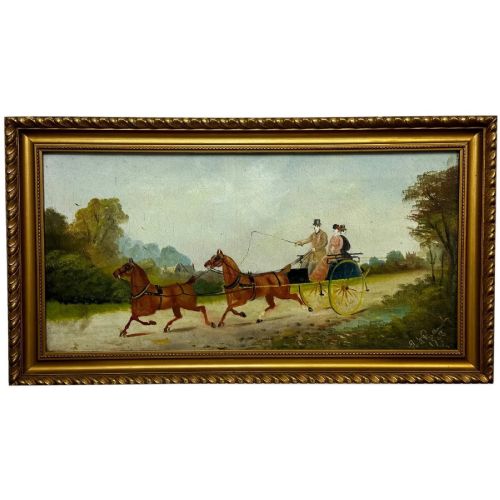
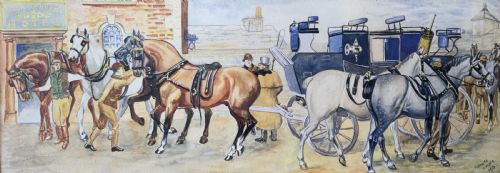
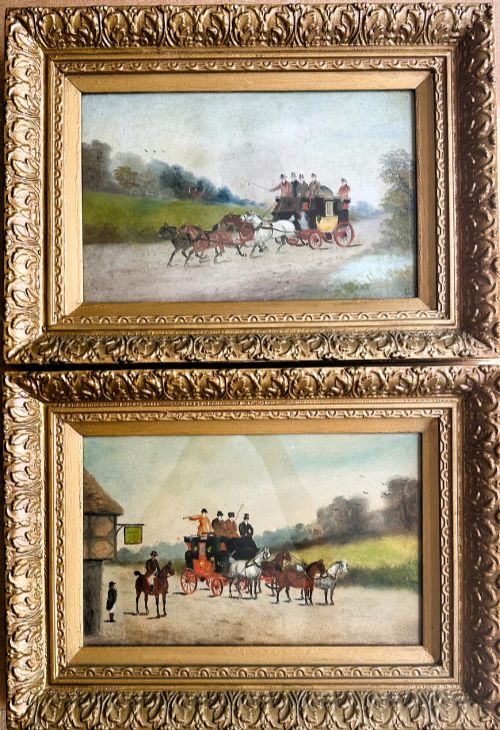
An antique coach painting encompasses framed oil paintings on canvas, watercolours on paper, and reverse glass paintings depicting stagecoaches, mail carriages, and horses. These works span the Georgian, Regency, Victorian, and Edwardian periods, capturing scenes from winter snowstorms to rural inns.
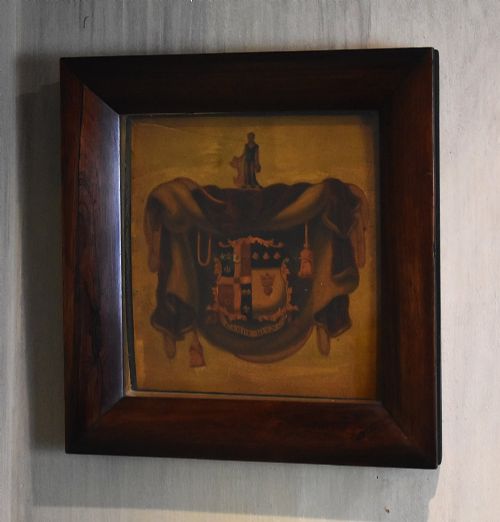
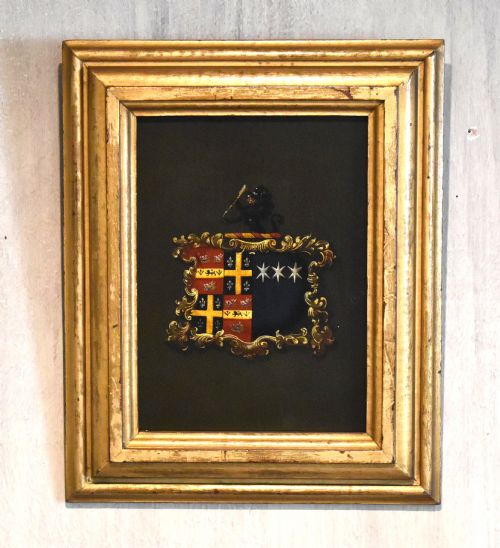
Buyers also encounter heraldic painted coach panels salvaged from carriages alongside decorated objects like tole ware boxes. The most frequent examples on this page are equestrian and coaching oils by named nineteenth and early twentieth century artists.
Quality differences in coaching works
Quality rests upon the precision of the draughtsmanship in rendering horses, harness details, and carriage structures. Works by documented painters command greater attention than anonymous compositions.
Condition of the canvas, paper, or glass surface dictates the integrity of the piece, alongside the original state of the accompanying wooden frame.
Antique Coach Painting Retail Price Guide 2026
Typical asking prices for coach painting among the pieces listed under this phrase on Sellingantiques today, from the lower quarter to the upper quarter. They describe what is for sale here now, not the wider market.
Listings feature works from the 18th, 19th, and early 20th centuries, executed in oil on canvas, watercolour on paper, and glass.
Philip H Rideout·George Wright·Philip Henry Rideout·Samuel Henry Alken·John Charles Maggs·John Richard Worsdale·Frank Dadd·John Atkinson·Martin Pierre Denis·James Pollard
The Antique Coach Painting Glossary
- Reverse glass painting
- A technique where the image is painted directly onto the reverse side of a glass sheet so the front provides a glossy finish. This method protects the pigment beneath the glass.
- Giltwood
- Timber carved and coated with a thin layer of gold leaf. It forms the decorative framing found on many traditional sporting artworks.
- Tole ware
- Lacquered and hand-painted metalware used for domestic items like tobacco boxes. The surface decoration mimics finer lacquerwork.
- Heraldic panel
- A painted wooden section displaying a coat of arms or family crest. These panels were originally mounted onto horse-drawn carriages.
Antique Coach Painting: Frequently Asked Questions
What subjects appear in coach paintings?
These artworks depict mail coaches, stagecoaches, and carriages navigating winter snowstorms, rural inns, and country roads alongside horses and hounds.
Scenes frequently capture the urgency of nineteenth-century transport, equestrian sport, and heraldic carriage panels.
How do I date a coaching painting?
Dating relies on costume, carriage design, and artist attribution, supported by period framing styles ranging from Georgian to Edwardian.
Signatures, inscriptions, and medium choices such as watercolour on paper or oil on canvas also indicate the era of execution.
Where were coach panels displayed?
Heraldic painted coach panels were originally mounted onto the doors or sides of private carriages and coaches to display family crests.
Surviving examples are removed from their original vehicles and framed for display as wall art.
What is reverse glass painting?
Reverse glass painting involves applying pigments to the back of a glass sheet so the composition is viewed through the transparent front.
This technique creates a distinct glossy appearance and protects the paint layer from environmental damage.