

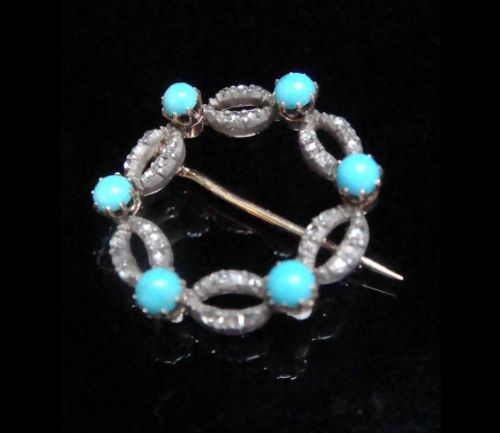


Antique Cluster Brooch Pin
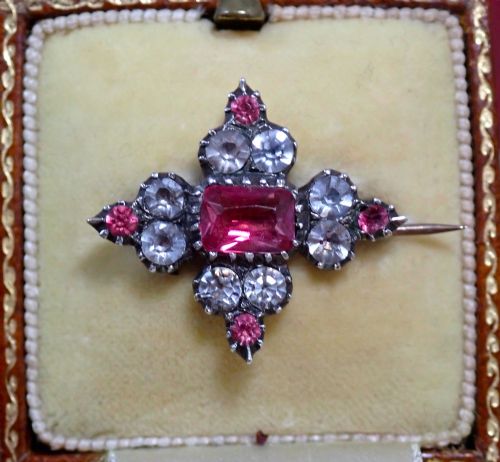
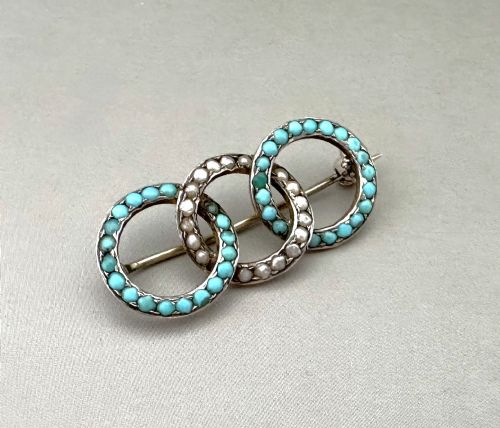
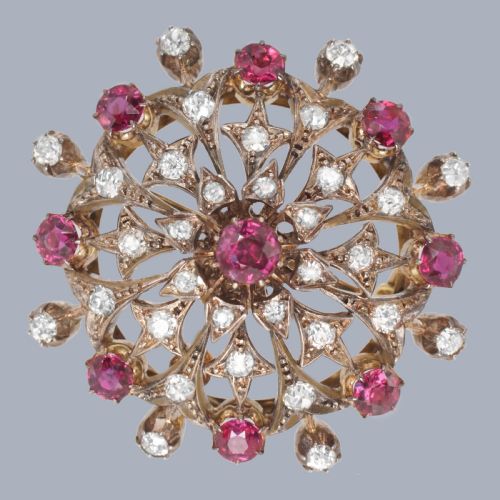
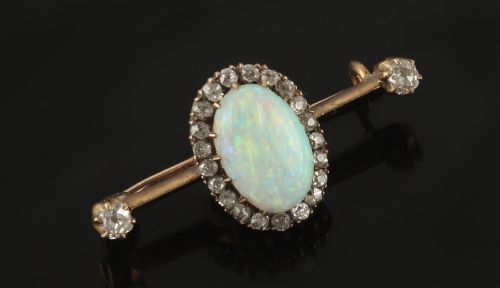
These pieces gather stones around a central focus to form an antique cluster brooch pin.
Antique Cluster Brooch Pin
An antique cluster brooch pin groups smaller gemstones around a central focal stone to create a concentrated display of colour and sparkle. The form spans several eras, appearing frequently in Victorian, Edwardian, and Art Deco configurations.
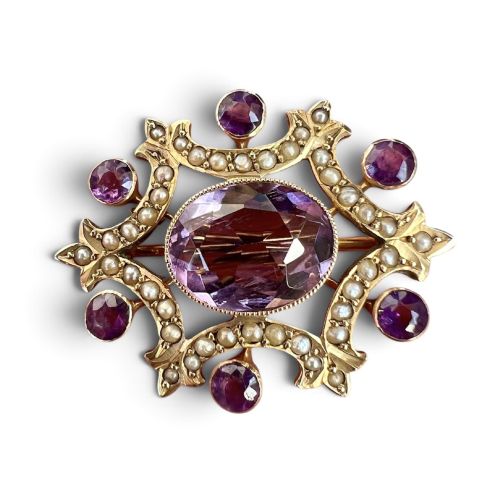
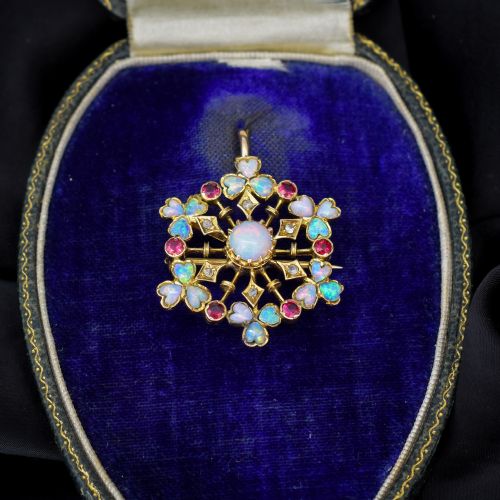
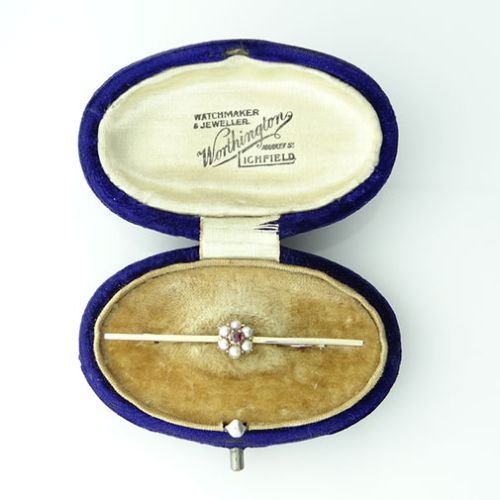
Victorian examples often employ deep red garnets, amethysts, or bright sapphires framed by seed pearls or diamonds. Edwardian versions lean towards lighter combinations of aquamarine, turquoise, and diamonds set in silver-topped gold.
Art Deco iterations shift into geometric formations using platinum and white gold with clean lines of diamonds. These jewels function both as traditional chest ornaments and as convertible pendants depending on the specific mount.
Materials and construction methods
Metals range from silver and various carats of yellow and white gold to platinum, often combining silver on gold in earlier pieces to enhance stone brilliance. Stones are secured in low bezels, collets, or grain settings by hand.
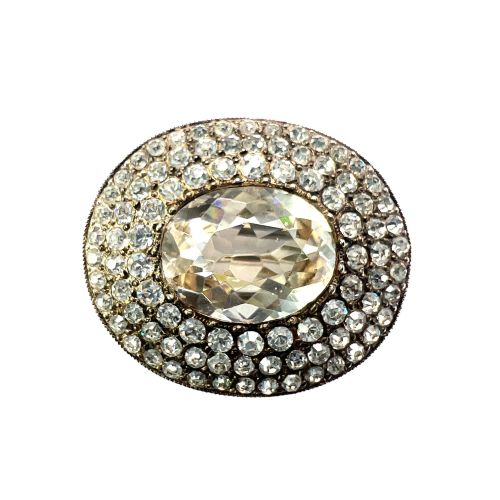
Backings frequently incorporate sturdy pin stems and C-clasps or safety catches appropriate to their period of origin. Gemstones include both natural precious varieties and period paste stones cut with flat facets or rose-cut domes.
Design periods represented include Georgian, Victorian, Edwardian, and Art Deco styles.
Distinguishing quality in cluster pins
Quality rests in the harmony of stone selection and the precision of the setting work. Matched stones with consistent saturation and depth elevate the piece beyond standard production.
The architectural integration of the mount determines the finesse of the jewel. Superior examples display minimal visible metal between tightly arrayed stones, creating a cohesive surface pattern.
G Colani
The Antique Cluster Brooch Pin Glossary
- Cluster brooch
- A jewel featuring a central gemstone surrounded by a ring of smaller accent stones. This arrangement maximises the visual impact of coloured stones and diamonds.
- Seed pearl
- A very small natural or cultured pearl, often drilled and threaded or glued onto pins in Victorian and Edwardian clusters. They provide a delicate white border to darker gems.
- Paste
- Hand-cut lead glass used as a gemstone substitute in historic jewellery. Fine antique paste is faceted by hand and foil-backed to increase reflection.
- Silver gilt
- Silver that has been coated with a thin layer of gold, also known as vermeil. This technique offers the bright white lustre of silver on the front with gold against clothing.
- Rose cut
- An antique diamond or gemstone cut featuring a flat base and a domed crown of triangular facets. It produces a soft, translucent gleam rather than modern brilliant sparkle.
Antique Cluster Brooch Pin: Frequently Asked Questions
How do I wear a cluster brooch safely?
Fasten the pin securely through tightly woven fabrics or utilise a supportive backing garment to distribute the weight. Heavier gold and gem-set pieces sit best on sturdy woollens, lapels, or heavy silk.
Check that the pin stem engages fully with the safety catch or C-clasp before wearing. Avoid placing them on delicate, stretchy knits where the weight might pull or distort the threads.
Were these pieces worn as pendants too?
Many examples from the Victorian and Edwardian eras feature hidden or fold-down loops alongside standard pin fittings. This dual functionality allowed owners to pin the jewel to a bodice or suspend it from a chain.
Examining the reverse reveals whether a small hinged loop has been integrated into the frame. Such convertible mounts offer versatile options for daily wear.
How do I date an antique cluster brooch?
Dating relies on combining the choice of materials, gemstone cuts, and metal working techniques. Georgian and early Victorian pieces often feature closed-back settings and flat-cut garnets or paste.
Later Victorian and Edwardian designs introduce open-back collets, platinum tops, and seed pearls. Art Deco examples distinctly favour geometric platinum or white gold mounts with calibrated diamonds.