

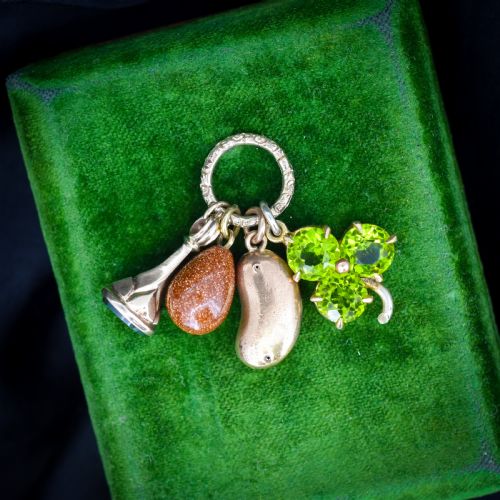


Antique Cluster Bracelet
These antique cluster bracelet pieces bring together period goldwork and clustered gemstones to offer timeless wrist wear.
Antique Cluster Bracelet
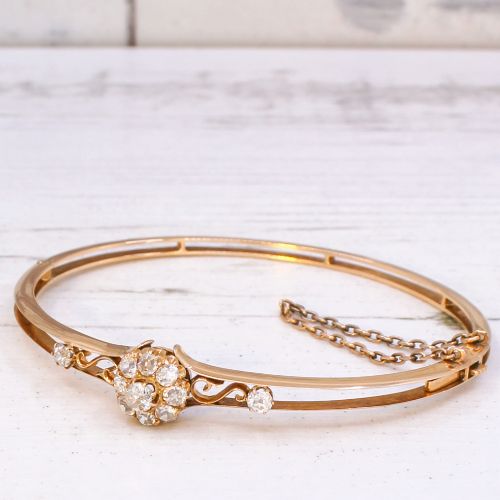
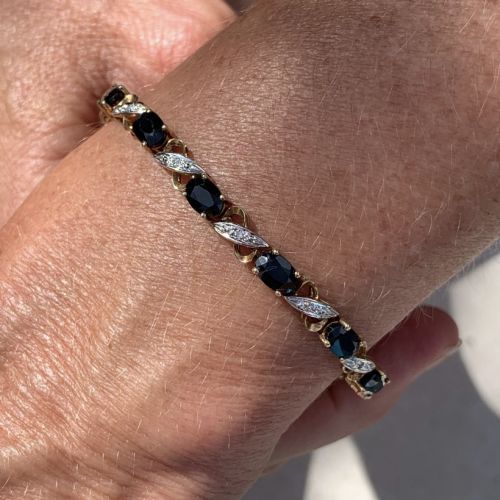
When searching for an antique cluster bracelet, buyers encounter Victorian and Edwardian iterations featuring prominent gemstone or diamond clusters arranged upon gold or silver bands and bangles. The pieces span the nineteenth century and the early twentieth century, taking the form of flexible link bracelets or rigid bangles.
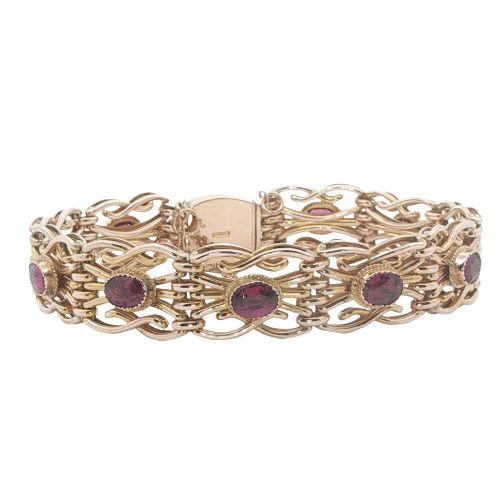
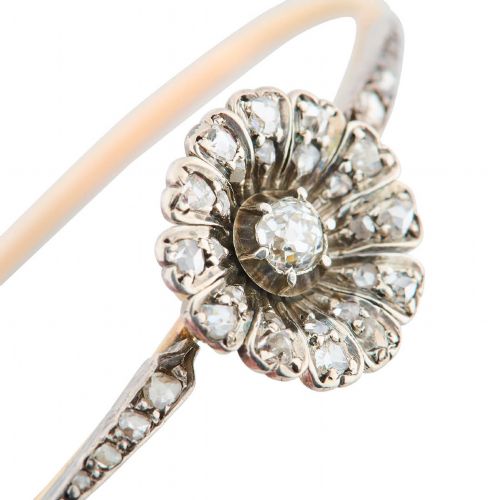
Victorian examples on this page often showcase rich gold settings alongside almandine garnets, Bohemian garnets, or old cut diamonds, whilst later Edwardian variations incorporate platinum alongside 18ct gold. Alongside classic bangles, the selections include convertibles such as a pearl and yellow gold necklace and bracelet set.
The materials recorded across these items rely heavily on 9ct rose gold, 15ct gold, 18ct yellow gold, silver, and gold gilt. Pearls, almandine garnets, and emeralds provide the central focus for the cluster configurations that define this category.
Materials and construction methods
Goldsmiths of the period employed varying purities of gold, including 9ct rose gold, 15ct gold, and 18ct yellow gold, frequently combining silver or platinum settings atop gold to enhance the brilliance of mounted diamonds. Metal components were shaped into hollow or solid bangles, split rings, and articulated links.
Gemstones such as almandine garnets, Bohemian garnets, emeralds, and old cut diamonds were hand-set into clustered formations, often supported by seed pearls. Engraved details frequently adorned the split rings and bangle shoulders, showing skilled hand tool work.
Distinctions in quality
Quality rests upon the selection and matching of the central stones, where clean old cut diamonds or deep almandine garnets demonstrate superior lapidary work. The integration of precious metals like platinum with 18ct gold indicates higher tier production.
Construction resilience separates standard pieces from finer examples, visible in the precision of the cluster settings and the crispness of hand engraving on bangles and split rings. The structural integrity of flexible links and hinges remains paramount.
The Antique Cluster Bracelet Glossary
- Almandine garnet
- A dense red variety of garnet frequently utilised in Victorian cluster jewellery for its deep crimson hue. It provides a robust stone choice for nineteenth-century rose gold settings.
- Old cut diamond
- A precursor to the modern brilliant cut, characterised by a smaller table, higher crown, and a culet at the base. These stones were hand-faceted to catch candlelight.
- Split ring
- A ring formed of two overlapping coils of metal, functioning similarly to a modern key ring for securing charms. They often feature hand engraving.
- Bangle
- A rigid bracelet that slips over the hand or fastens with a hinge and clasp. Victorian examples often incorporate central diamond or garnet clusters.
Antique Cluster Bracelet: Frequently Asked Questions
What is an antique cluster bracelet?
An antique cluster bracelet is a piece of wrist jewellery from the Victorian or Edwardian eras featuring a central group of gemstones, such as diamonds or garnets, mounted on gold or silver.
These pieces range from hinged bangles to flexible link bracelets set with pearls or emeralds.
How do I date an antique cluster bracelet?
Dating relies on stylistic clues, gold purity marks, and gemstone cuts characteristic of specific periods like the nineteenth century or circa 1910.
Victorian pieces often use 15ct gold or rose gold with garnets, while Edwardian versions frequently introduce platinum and 18ct gold.
Are these bracelets suitable for daily wear?
While historic pieces can be worn daily, their delicate settings, old cut stones, and antique gold require careful handling and regular checks by a jeweller.
Rigid bangles and flexible charm bracelets need protection from knocks and harsh chemicals to preserve their original mounts.
What materials were used in these bracelets?
The listings show a prevalence of gold in 9ct rose, 15ct, and 18ct yellow varieties, alongside silver, gold gilt, and platinum.
Gemstones include almandine garnets, Bohemian garnets, diamonds, pearls, and natural Columbian emeralds.