

Antique Clothes Rack
An antique clothes rack organises garments and linens with timber and brass, spanning the nineteenth century through the 1930s.
Antique Clothes Rack
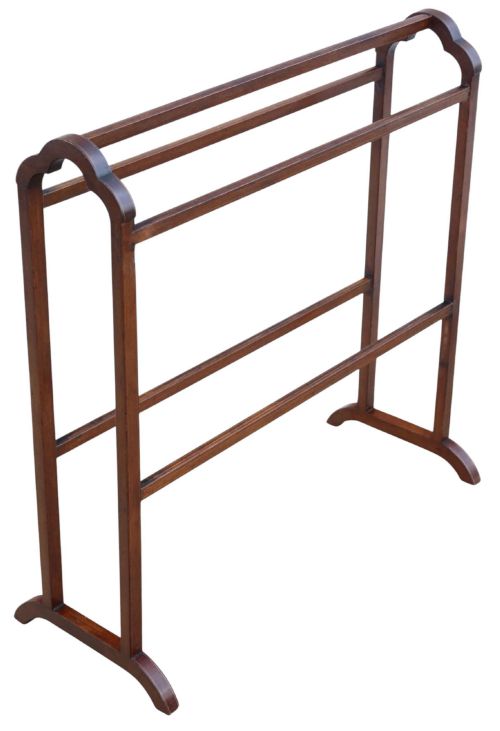
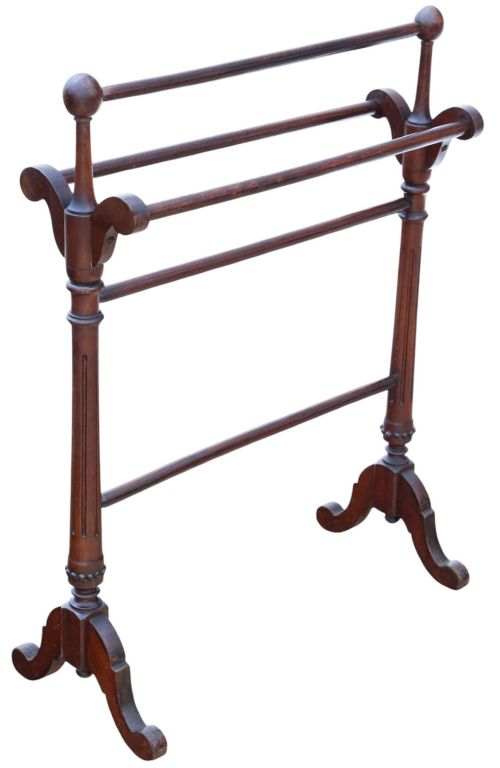
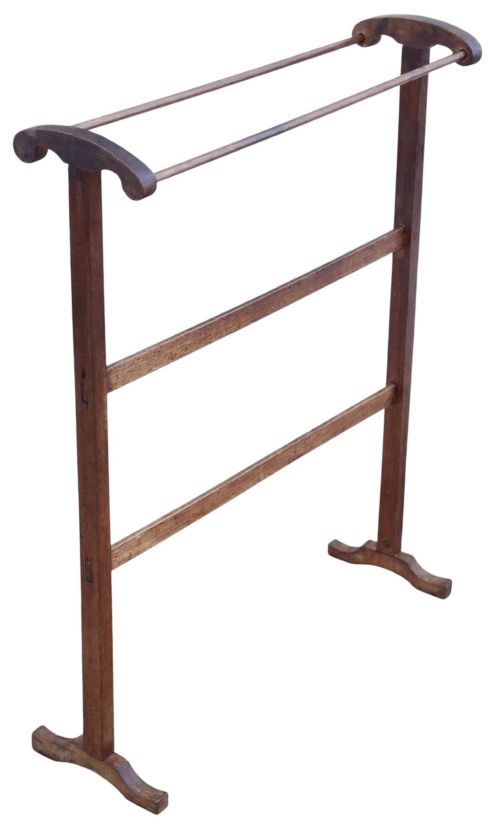
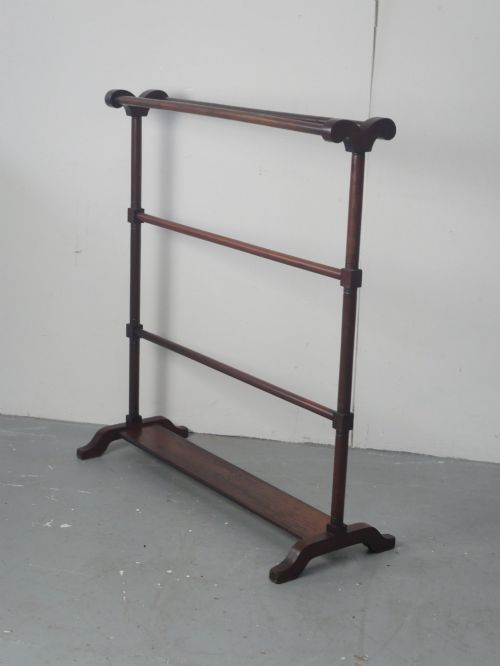
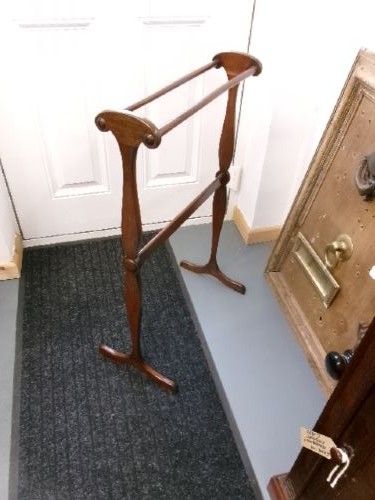
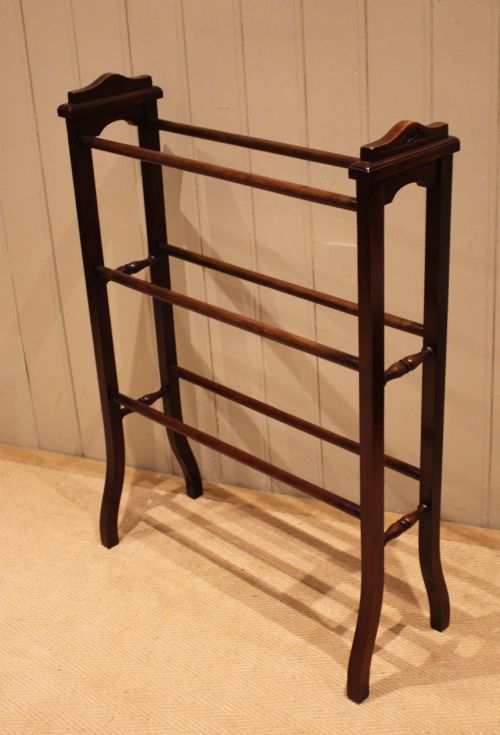
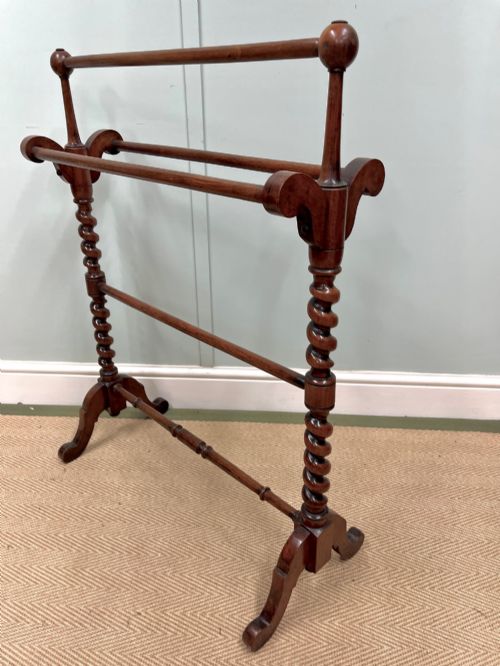
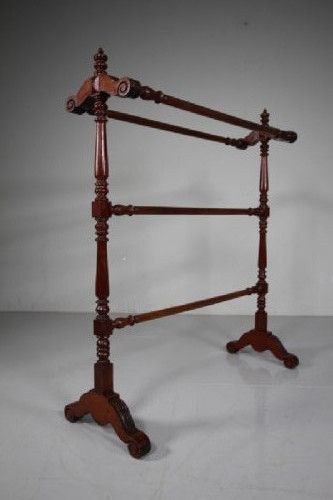
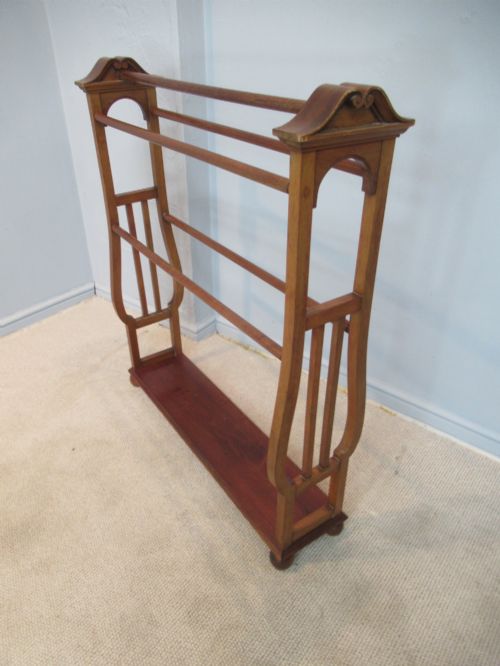
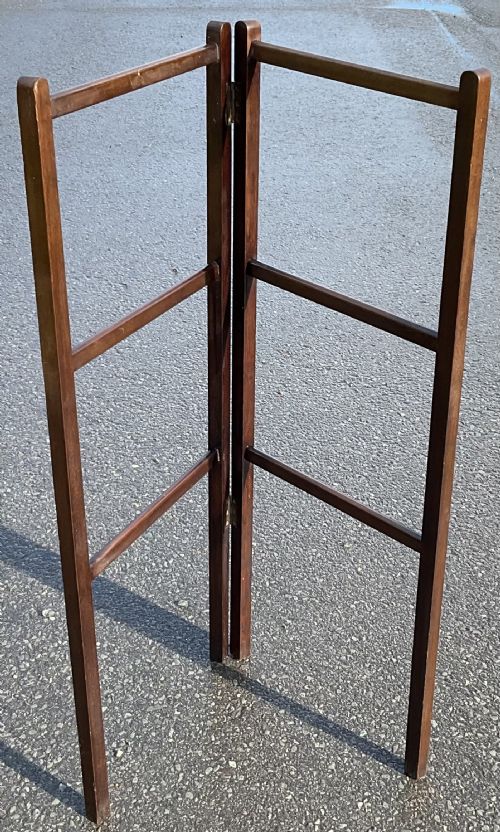
An antique clothes rack encompasses standing towel rails, folding airers, coat stands, and robe racks originating from periods such as the Regency, Victorian, Edwardian, and Art Deco eras. Buyers searching this phrase most frequently encounter mahogany and pine towel rail stands and clothes horses designed for domestic utility.
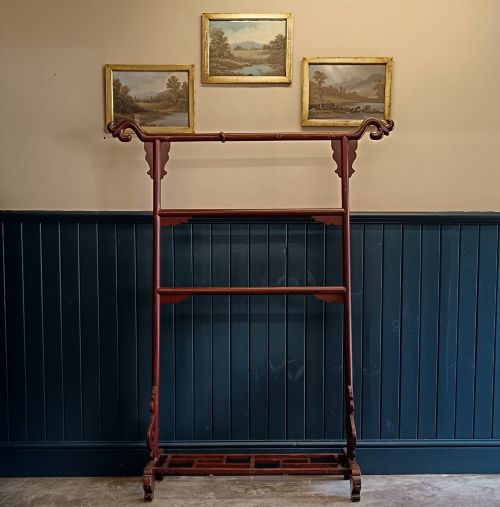
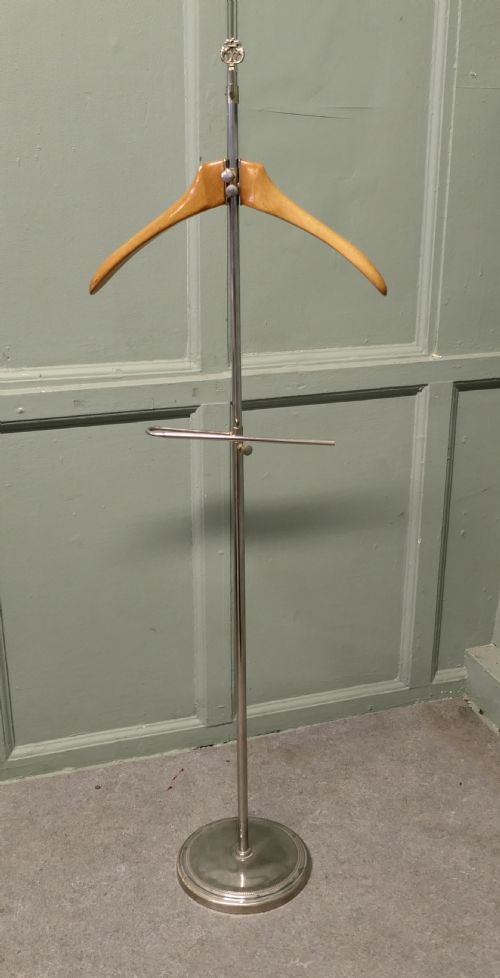
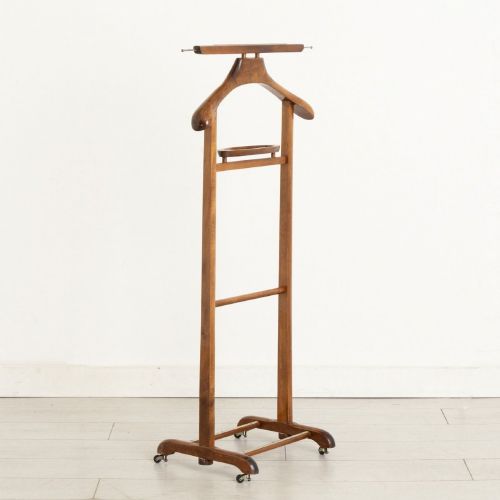
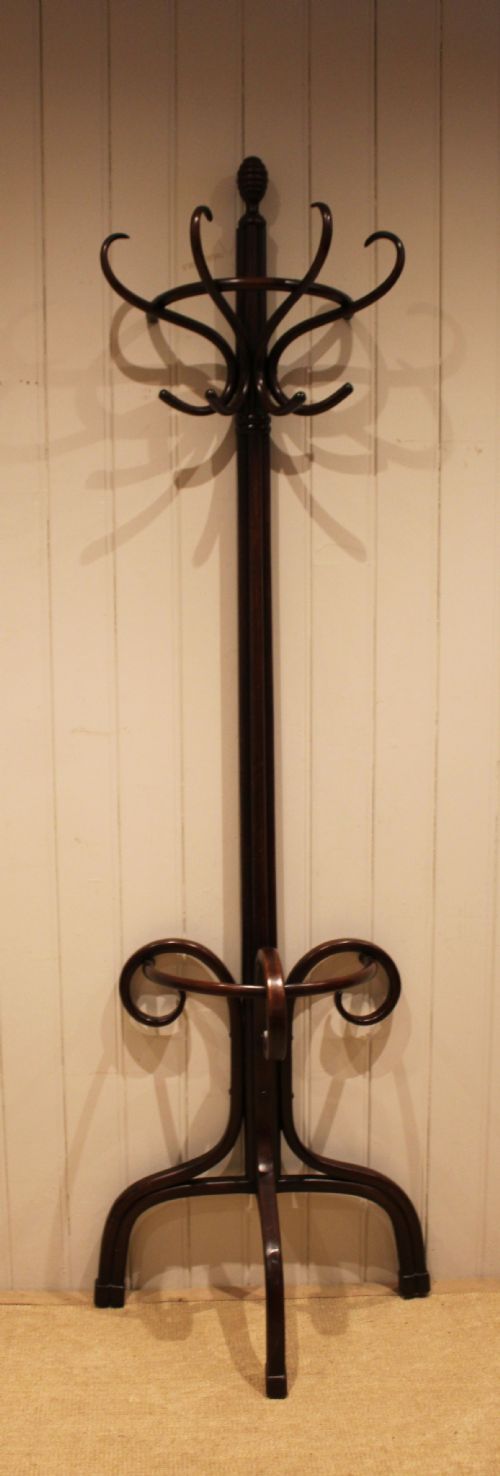
The inventory includes specialised forms like Chinese lacquered robe stands, beech valet stands, and wall-mounted airers alongside British and continental pieces in oak, walnut, and bentwood.
Materials and construction
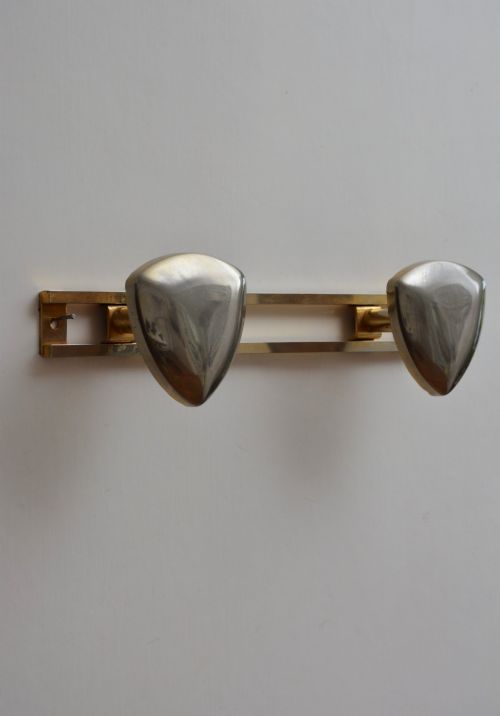
Cabinetmakers utilised hardwoods such as mahogany, oak, walnut, and beech, alongside softer timbers like pine, constructing frames with folding hinges, multiple rails, and occasionally inlaid details or brass and metal hooks.
Finishes range from clear polish on figured mahogany to black ebonised surfaces, golden pine, and intricate Chinese lacquering and carving on structural standing frames.
Listings feature woods spanning mahogany, pine, oak, walnut, beech, and lacquered wood across Victorian, Edwardian, and Regency periods.
Gradations of manufacture
Quality rests in the selection of timber, such as richly figured mahogany or dense oak, and the precision of joinery in folding mechanisms and structural joints rather than mere scale.
Subtleties like inlaid decoration, hand-carved details, and substantial multi-bar frames elevate domestic items into refined examples of period craftsmanship.
The Antique Clothes Rack Glossary
- Cheval towel rail
- A freestanding floor model utilising a pivoting frame, much like a cheval mirror, allowing rails to tilt for drying or display. It provides stability and adjustable positioning.
- Bentwood
- Timber softened by steam and bent into curved structural forms, characteristic of Vienna workshops and early twentieth-century production. This technique creates lightweight yet resilient frames.
- Valet stand
- A specialised piece designed to hold a complete suit, trousers, and accessories for the following day. These are commonly encountered in beech from the Edwardian period.
- Lacquered wood
- A surface built up with multiple coats of resin or varnish, frequently seen on Chinese robe stands. It yields a durable, glossy finish that highlights carved motifs.
Antique Clothes Rack: Frequently Asked Questions
How were antique clothes racks used?
These pieces served practical domestic functions in bedrooms, nurseries, and kitchens, airing freshly laundered textiles or holding garments overnight.
Larger standing frames and clothes horses dried household linens near coal fires, while wall-mounted airers utilised ceiling space in busy domestic offices.
Where should I place a clothes rack?
Standing towel rails and valet stands function effectively in bedrooms or dressing rooms as functional display space for daily wear.
Folding designs offer flexibility because they collapse flat against a wall when not in active service.
How do I date a wooden clothes rack?
Dating relies upon observing timber choices, construction methods, and stylistic cues corresponding to periods like Regency, Victorian, or Edwardian.
Heavier proportions and mahogany point to the nineteenth century, whereas lighter beech and pine often indicate Edwardian production.
Are these racks suitable for heavy garments?
Sturdy hardwood examples in oak or mahogany easily support everyday clothing, heavy coats, and damp linens.
Lighter pine or folding multi-bar versions suit delicate textiles and smaller garments rather than heavy winter overcoats.