



Antique Cloth Book
An antique cloth book brings textile texture straight to the bookshelf, offering tactile charm that modern editions lack.
Antique Cloth Book
An antique cloth book encompasses various bound volumes, multi-volume sets, photograph albums, and reference works issued across multiple periods including the Victorian, Edwardian, and Georgian eras. These pieces combine traditional publishing with textile covers, housing literature, philosophy, cartography, and memoirs within durable fabric bindings.
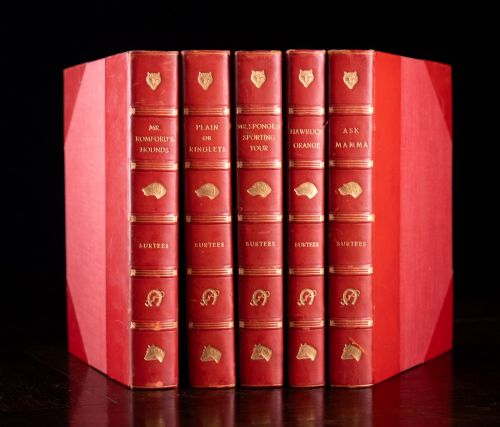
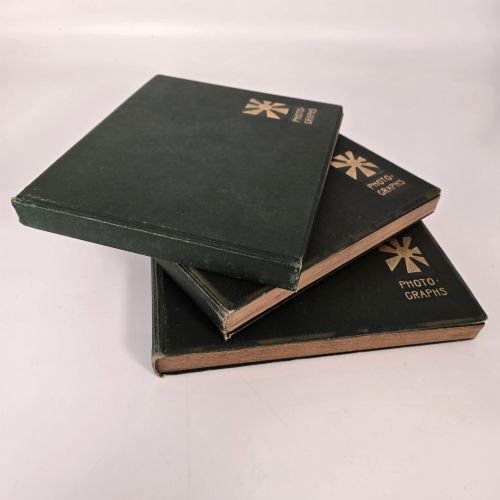
The selections available here range from single volumes on art and biography to extensive sets covering British birds, sporting novels, and cartography. Buyers encounter diverse formats, from nineteenth-century memoirs and philosophy to twentieth-century furnishing books and photograph albums.
Originating across different decades, these bound works reflect the publishing tastes and material choices of their respective periods. The forms vary from standard reading formats to specialised atlases and linen presses associated with book storage.
Materials and construction methods
The construction of these volumes relies primarily on cloth, paper, and cardboard to form the structural body and protective exterior of each book. Binders utilised cloth for the outer boards, pairing it with internal paper pages to create durable reading copies.
Many bindings incorporate decorative elements such as gold leaf and gilt to highlight lettering and ornamentation on the spine and covers. Leather and brass appear alongside oak components in related furniture pieces like linen presses, supporting the storage and preservation of heavy book sets.
Antique Cloth Book Retail Price Guide 2026
Typical asking prices for cloth book among the pieces listed under this phrase on Sellingantiques today, from the lower quarter to the upper quarter. They describe what is for sale here now, not the wider market.
Listings feature cloth, paper, gold leaf, leather, cardboard, oak, brass, and gilt across Edwardian, Victorian, and Georgian periods.
Evaluating craftsmanship and condition
Quality in these volumes rests on the integrity of the original binding and the crispness of the textile cover. Better examples maintain firm structural attachment between the cloth boards and the internal paper text block without loosening.
The application of gold leaf and gilt tooling distinguishes finer publishing outputs from standard commercial editions. Superior items exhibit careful finishing on the spine and precise alignment of the materials used in production.
Henry Young And Son
The Antique Cloth Book Glossary
- Cloth binding
- A book cover material made from woven fabric applied to cardboard boards. This technique became common in nineteenth-century publishing.
- Gilt
- A thin layer of gold applied to the edges of pages or stamped onto the cloth cover. It provides both decoration and protection against dust.
- Cartography
- The study and practice of making maps, appearing here in specialised reference atlases. These volumes contain detailed geographical plates.
- Linen press
- A heavy wooden piece of furniture featuring a screw mechanism designed for pressing and storing textiles and books. Georgian examples provide robust housing for large volumes.
- First edition
- The earliest printed appearance of a specific text. Collectors prize these initial printings for their direct connection to the author's first release.
Antique Cloth Book: Frequently Asked Questions
What is an antique cloth book?
An antique cloth book is a bound volume featuring a fabric exterior over cardboard boards, produced during periods such as the Victorian and Edwardian eras. These books span subjects including literature, natural history, memoirs, and philosophy.
Publishers adopted cloth bindings to offer durable yet decorative alternatives to full leather covers. They remain sought after for library display and interior furnishing.
How should I care for cloth bindings?
Cloth bindings require protection from direct sunlight and excessive moisture to prevent fabric fading and board warping. Keeping them in a stable environment preserves the textile fibres and internal paper.
Dusting the top edges gently with a soft brush helps maintain the condition of the gilt and cloth. Avoid using liquid cleaners on the fabric covers.
How do I date an antique book?
Dating an antique book involves checking the title page, publisher inscriptions, and any printed date stamps within the prelims. Binding styles, typography, and material choices also offer strong clues to the period of production.
Twentieth-century furnishing sets often display specific publisher styles distinct from Victorian or Edwardian printings. Comparing the typography and paper stock helps confirm the era.
How were multi-volume sets used?
Multi-volume sets served as comprehensive reference works, sporting novels, or collected memoirs for home libraries. Families displayed them in bookcases or stored them in dedicated furniture.
These sets allowed readers to explore extensive subjects like natural history or philosophy across several uniform bindings. Uniform cloth covers created a cohesive appearance on household shelves.