


Antique Clock with Gilt
An antique clock with gilt brings bright warmth to a room, combining fine mechanics with shimmering metallic surfaces.
Antique Clock with Gilt
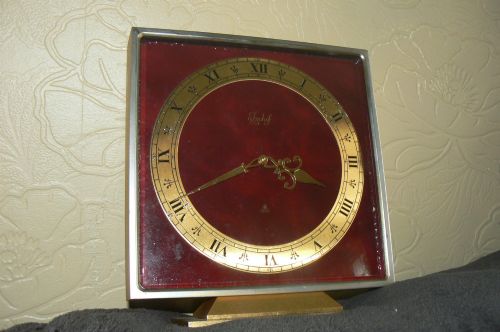
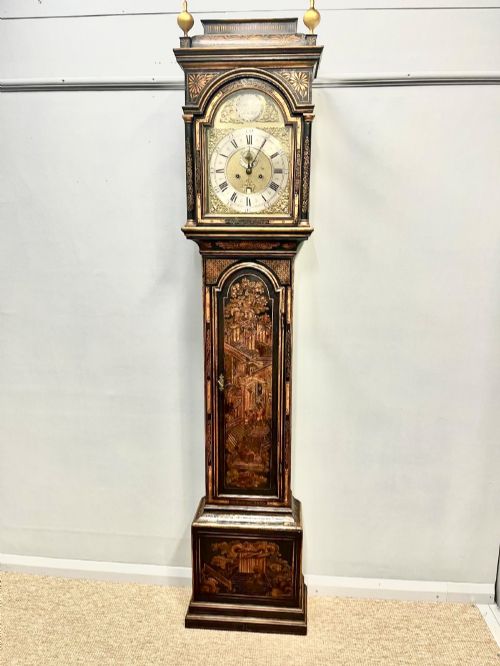
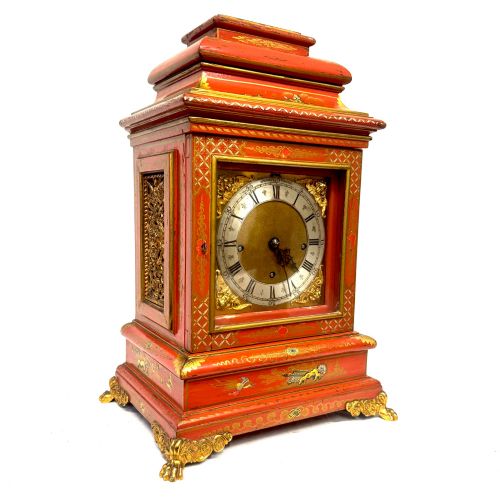
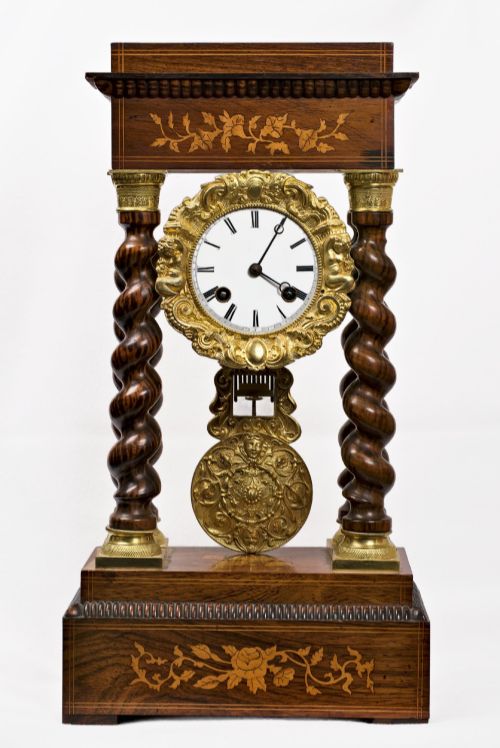
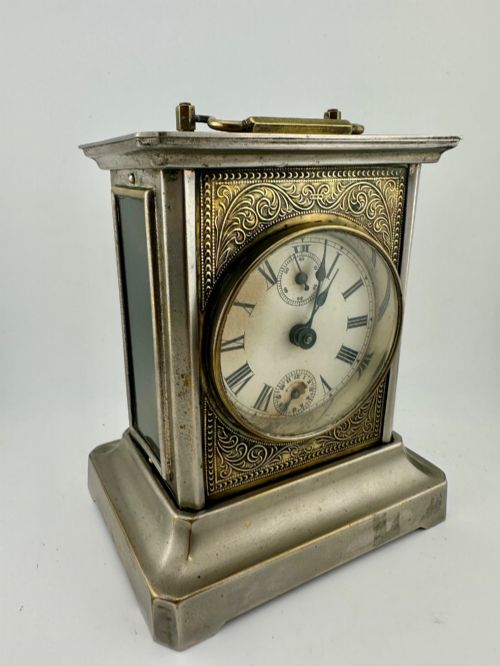
When searching for an antique clock with gilt, buyers encounter a diverse selection of timepieces designed for domestic interiors. These range from heavy mantel clocks and architectural portico pieces to portable carriage clocks and tall floor-standing models.
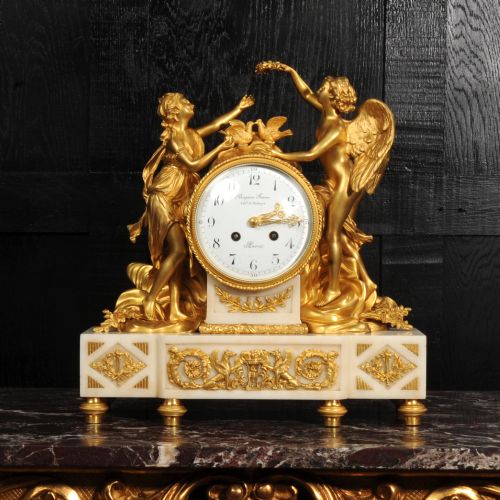
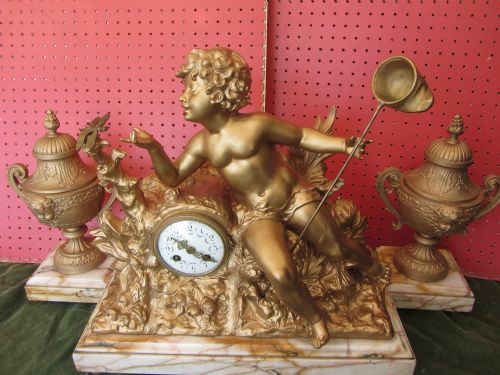
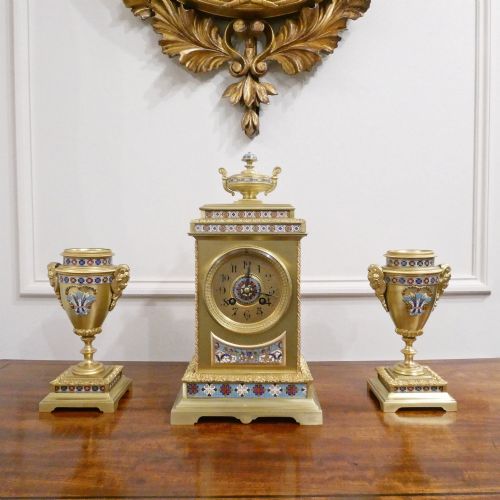
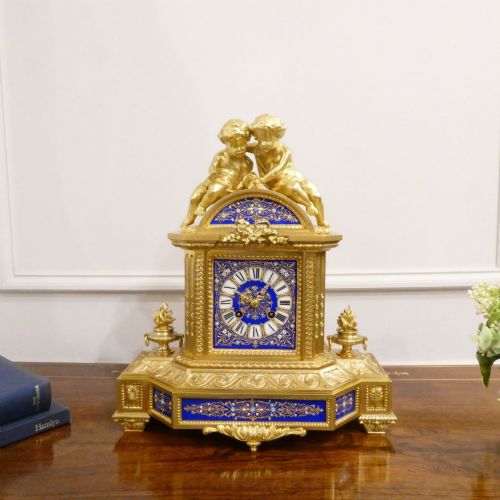
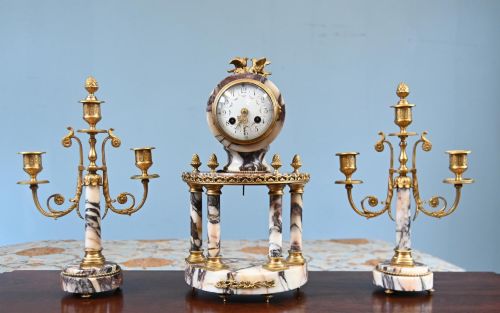
The majority of pieces seen here originate from nineteenth-century France and Britain, spanning styles from Regency and Empire to ornate Rococo Revival. Mantel clocks and four-glass crystal regulators dominate the selection, often incorporating decorative motifs such as putti, birds, and classical figures.
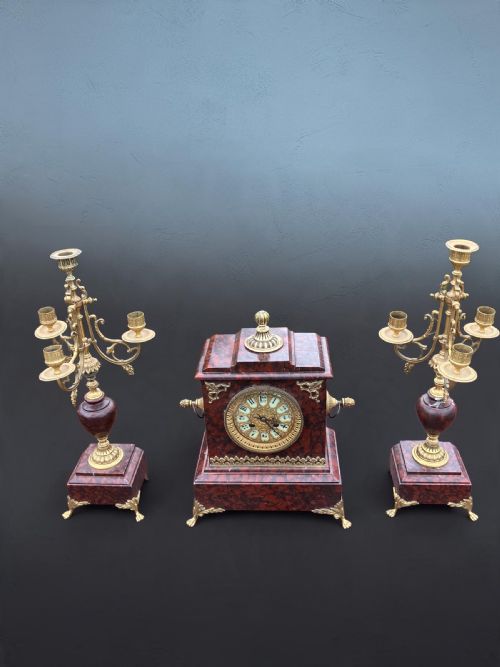
Many examples combine the metallic lustre of fire gilding or ormolu with contrasting materials like porcelain, enamel, and exotic woods. Buyers will find both simpler travel timepieces and complex striking mechanisms housed within these gilded frames.
How they were made
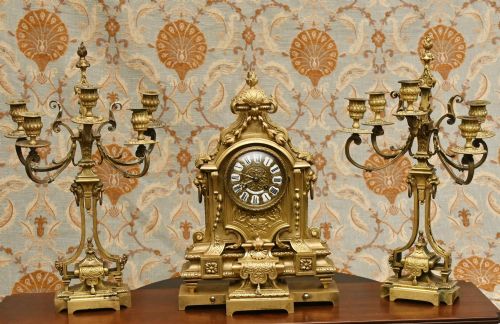
The construction of these timepieces relies heavily on the pairing of cast bronze or brass with mercury gilding, known as ormolu, which produces a deep and enduring golden sheen. Craftsmen also utilised standard brass framing, gilded dials, and hand-painted enamel panels to add rich colour and texture to the face.
Movements were engineered by specialist horologists, utilising escapements like the platform or chaff-cutter variety alongside complex gear trains for striking mechanisms. Cases frequently incorporate secondary materials such as marble, onyx, tortoiseshell, and glass, fixed together with precision pins and screws rather than modern adhesives.
Antique Clock with Gilt Retail Price Guide 2026
Typical asking prices for clock with gilt among the pieces listed under this phrase on Sellingantiques today, from the lower quarter to the upper quarter. They describe what is for sale here now, not the wider market.
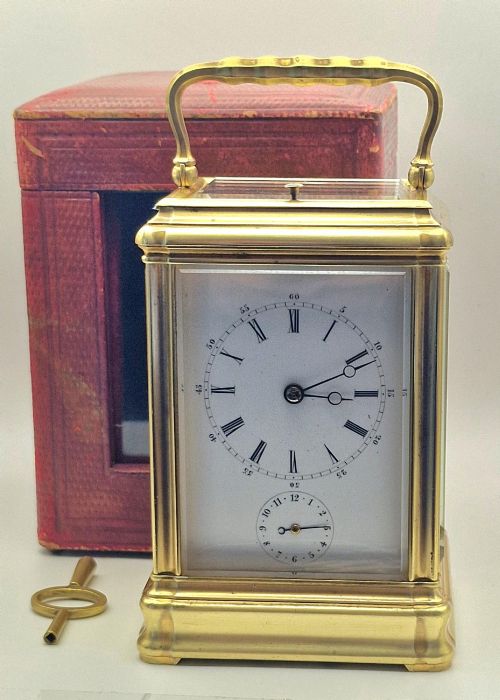
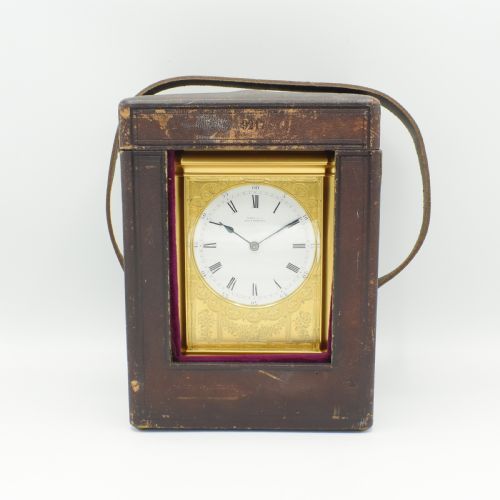
Several carriage clocks are accompanied by their original travel cases, surviving the bumpy journeys of Victorian transit.
What varies in quality
Quality in these timepieces is determined by the crispness of the bronze casting and the depth of the original gilding. Finer pieces display sharply chased details on sculptural mounts, where individual feathers, hair strands, and foliage remain distinct rather than softened by wear or poor manufacturing.
The sophistication of the internal movement further separates standard production from exceptional work. Pieces featuring signed makers, complex complications like grande sonnerie striking, or jewelled escapements represent the higher tier of horological achievement.
Henri Jacot·Rodier·Gontard and Bolviller Paris·Leon Message·Jollet et Cie·J F Bautte Et Cie·Moser·Paul Garnier
The Antique Clock with Gilt Glossary
- Ormolu
- Gilded bronze produced by applying a mercury and gold amalgam to a cast bronze base and heating it until the mercury evaporates, leaving a rich golden finish. This technique was widely practiced by French bronze founders.
- Carriage clock
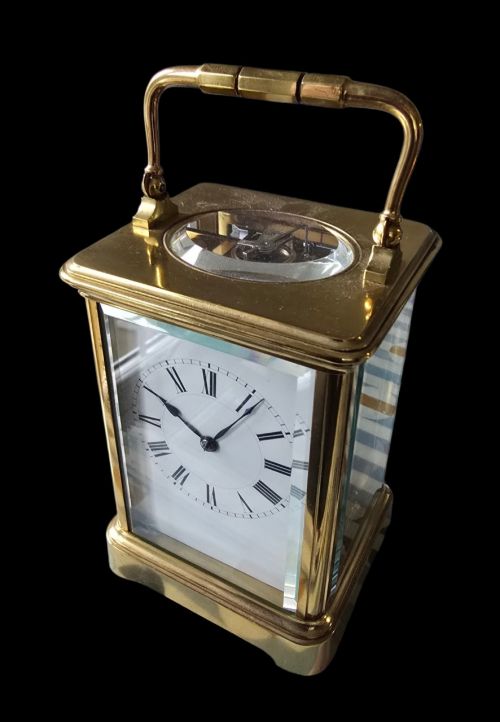
- A small, portable spring-driven timepiece designed for travellers, typically housed in a brass case with glass panels. They often feature folding top handles and sophisticated escapements.
- Crystal regulator
- A mantel clock housed within a glazed case of bevelled glass panels, allowing a clear view of the mechanical movement from multiple angles. These pieces frequently incorporate mercury pendulums and enamelled dials.
- Platform escapement
- A self-contained escapement unit mounted on a small platform within the movement, commonly found in carriage clocks to ensure accurate timekeeping regardless of orientation. It replaced the traditional pendulum in portable designs.
- Portico clock
- A monumental mantel clock structured around classical architectural columns resembling a temple portico. They are typically executed in fire-gilt bronze and often feature a suspended pendulum swinging within the central opening.
Antique Clock with Gilt: Frequently Asked Questions
How do carriage clocks work?
Carriage clocks operate on a spring-driven mechanism rather than falling weights, utilising a small balance wheel and platform escapement to regulate time. This compact setup allows the clock to be moved safely.
Many examples include additional complications such as alarm functions or striking trains that chime the hours and quarters automatically.
What is a crystal regulator?
A crystal regulator is a type of mantel clock encased entirely in heavy bevelled glass panels held together by a brass or gilt bronze frame. This transparent design exposes the inner workings and pendulum to view from all sides.
Originating in France during the nineteenth century, these clocks often feature decorative enamel dials and mercury-filled pendulum jars designed to compensate for temperature changes.
How do I identify French nineteenth-century styles?
Nineteenth-century French clocks draw upon historical design movements including the Empire style, Rococo Revival, and Second Empire grandeur. Look for symmetrical classical columns in Empire pieces or asymmetrical scrolling leaves in Rococo examples.
The materials - frequently fire-gilt bronze combined with porcelain panels or marble bases - help anchor the piece firmly to this productive era of European horology.