

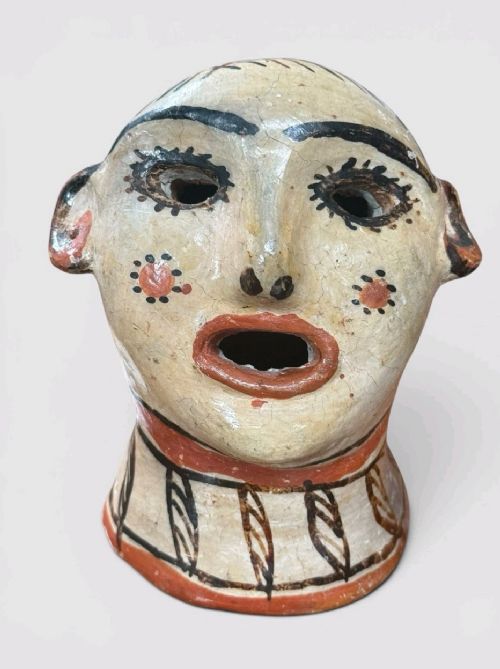


Antique Clay Pottery
These antique clay pottery pieces span millennia, bringing tactile earth and ancient forms directly into your home.
Antique Clay Pottery
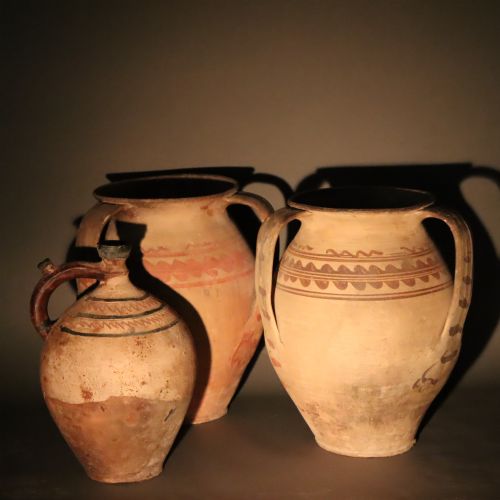
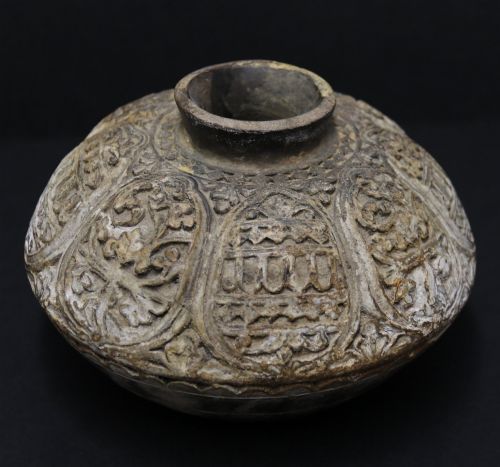
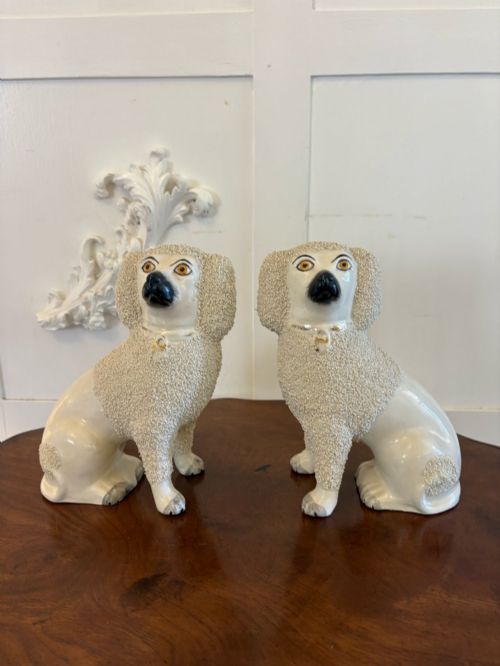
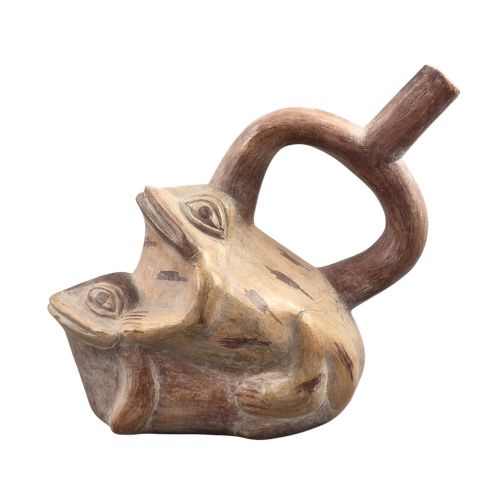
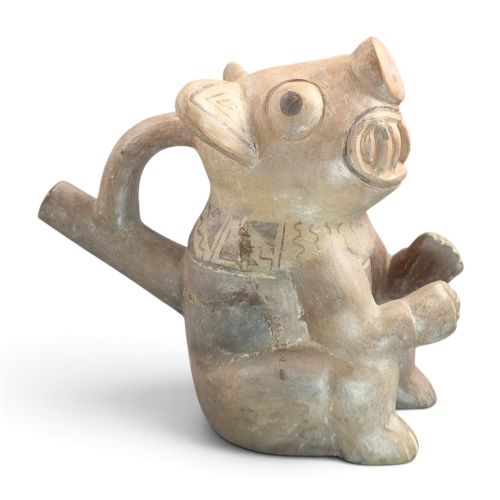
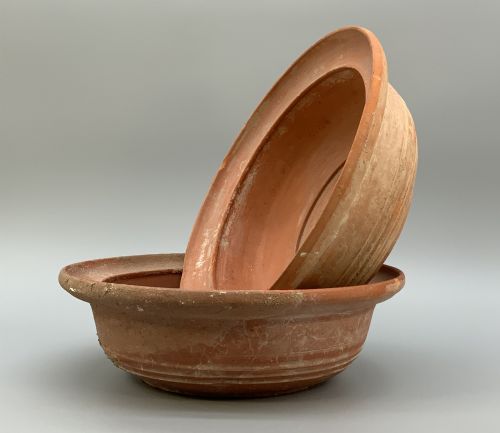
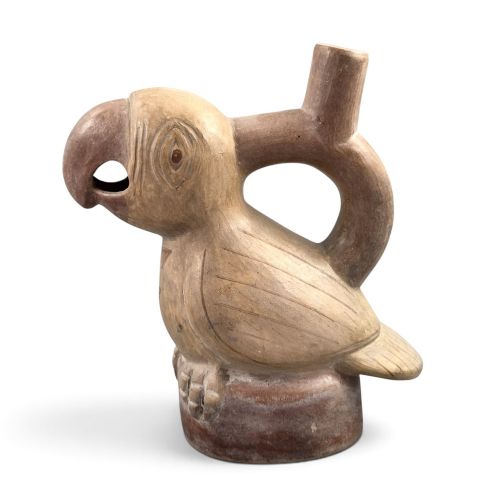
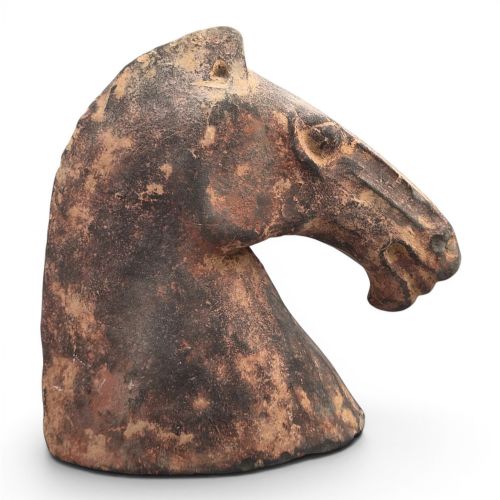
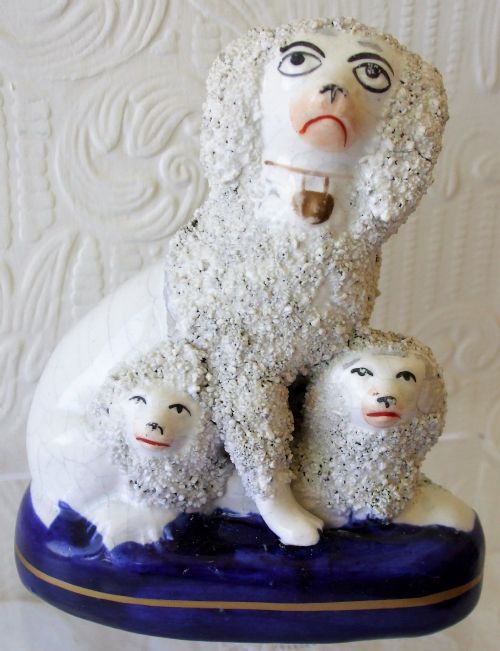
When you search for antique clay pottery, you encounter a remarkably diverse lineage of vessels, figures, and garden planters shaped from primal earth. The selection ranges from ancient Pre-Columbian terracottas and Han Dynasty tomb figures to nineteenth-century Staffordshire poodles and Mediterranean rustic olive jars.
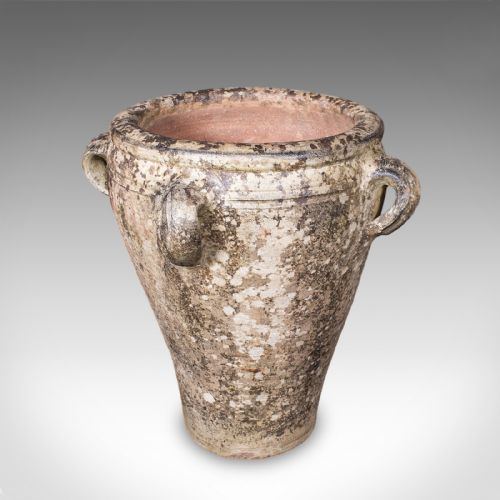
The most common versions on this page are nineteenth-century Staffordshire animal figures and earthenware vessels alongside sturdy terracotta garden planters. These pieces reflect both domestic decorative arts and deep historical traditions of kiln work across multiple continents.
Collector interest divides cleanly between ancient ritual objects and domestic nineteenth-century pottery. Each category offers a tangible connection to the hands that shaped the raw clay centuries ago.
Materials and techniques
The objects are constructed from basic earthly mediums including earthenware, terracotta, stoneware, and raw clay, often finished with lead glaze, enamel, or simple surface paint. Artisans formed these pieces by hand or on the wheel before firing them in traditional kilns.
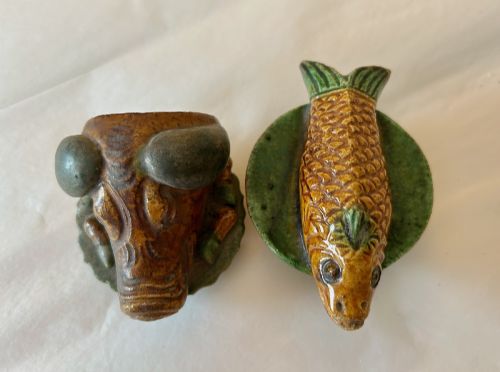
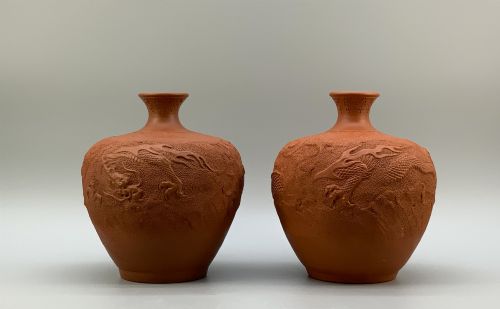
Surface treatments vary widely, from the unglazed buff terracotta of garden pots to intricate painted details on Mingqi figures and rich glazes on Japanese vases. The interaction between the raw body and the chosen finish defines the physical character of each item.
Antique Clay Pottery Retail Price Guide 2026
Typical asking prices for clay pottery among the pieces listed under this phrase on Sellingantiques today, from the lower quarter to the upper quarter. They describe what is for sale here now, not the wider market.
Materials represented include traditional earthenware, terracotta, stoneware, and lead glaze applied across decorative figurines, vases, and garden planters.
Distinctions in quality
Quality rests upon the crispness of the modelling and the stability of the fired body, whether evaluating a Staffordshire poodle or a pre-historic vessel. Finer examples display confident sculpting and well-preserved surface pigments that survive the centuries intact.
Provenance and stylistic purity separate ordinary production pieces from superior works of art. The integrity of the clay body and the sophistication of the original kiln firing ultimately determine the standing of each object.
Compton Potters Art Guild·James Dudson
The Antique Clay Pottery Glossary
- Terracotta
- A porous, brownish-red earthenware used extensively for unglazed garden pots, figures, and architectural panels. It hardens upon firing but remains sensitive to moisture.
- Earthenware
- Pottery fired at relatively low temperatures which remains porous unless glazed. It represents one of the oldest and most widespread ceramic traditions.
- Stoneware
- A robust, vitrified pottery fired at high temperatures until the clay body becomes impermeable to liquids. It often serves utilitarian functions like cooking dishes and storage jars.
- Mingqi
- Chinese burial objects placed in tombs to serve the deceased in the afterlife. These terracotta figures include horses, attendants, and architectural models.
- Bisque
- Unglazed fired pottery, particularly porcelain or fine earthenware, possessing a matte texture. It permits subtle modelling details to remain sharp and unmasked by glossy finishes.
Antique Clay Pottery: Frequently Asked Questions
How do I care for antique terracotta?
Keep unglazed terracotta away from freezing outdoor conditions where trapped moisture can crack the ancient clay body. Dust gently with a dry cloth without applying modern chemical cleaners.
For garden planters, bring them indoors during harsh winters to preserve the structural integrity of the material.
What is the difference between earthenware and stoneware?
Earthenware is fired at lower temperatures, leaving the clay porous and relatively soft unless sealed with a glaze. Stoneware reaches higher kiln temperatures, vitrifying the material so it holds liquids naturally.
Stoneware generally offers greater durability for heavy kitchen tasks, whereas earthenware excels in decorative figures and garden pottery.
How do I identify Staffordshire pottery?
Staffordshire figures often depict animals like poodles and spaniels, historical characters, or literary groups produced in English Midlands potteries during the nineteenth century. They typically feature hand-painted highlights over moulded earthenware bodies.
Look for characteristic crazing in the glaze and hollow interiors that indicate nineteenth-century slip-casting or pressing techniques.
Are ancient terracotta figures fragile?
Ancient terracotta and pottery pieces require careful handling because millennia of burial or domestic use can weaken the ceramic structure. Support the base of vessels and figures securely whenever you move them.
Display them on stable surfaces away from high-traffic household areas to prevent accidental tipping.