

Antique Claw Feet
These antique claw feet support tables, cabinets and chairs carved from mahogany, oak and rosewood across the eighteenth, nineteenth and twentieth centuries.
Antique Claw Feet
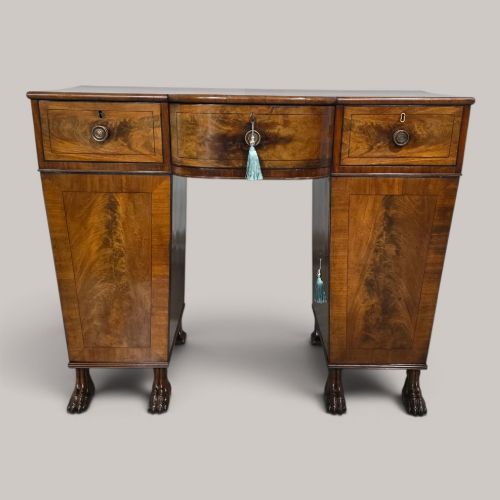
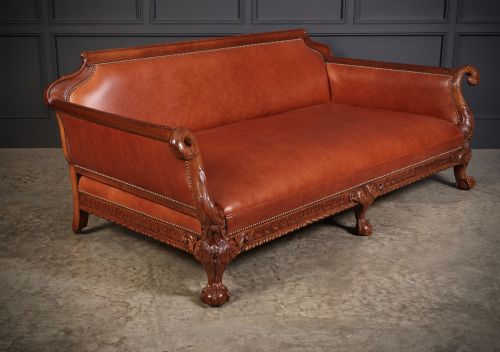
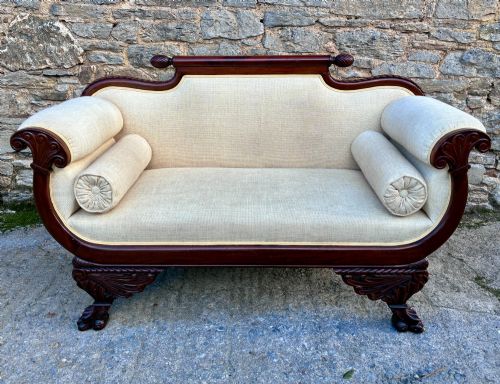
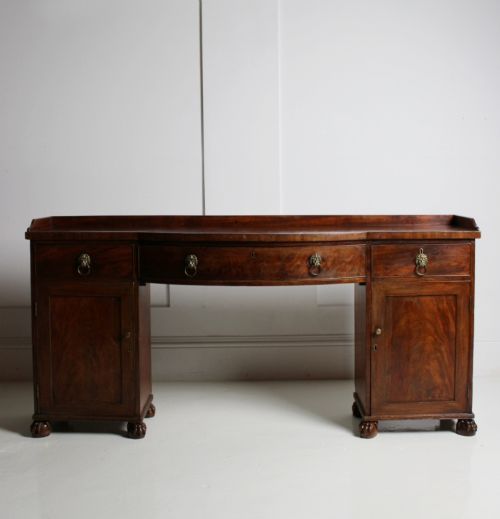
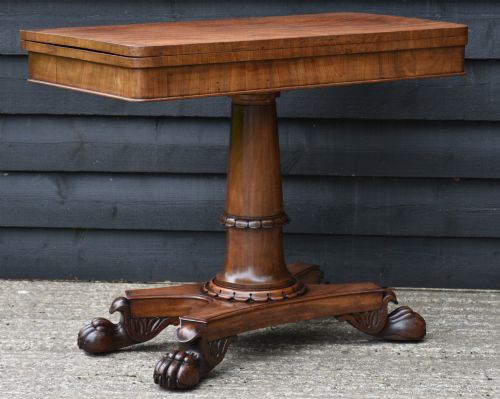
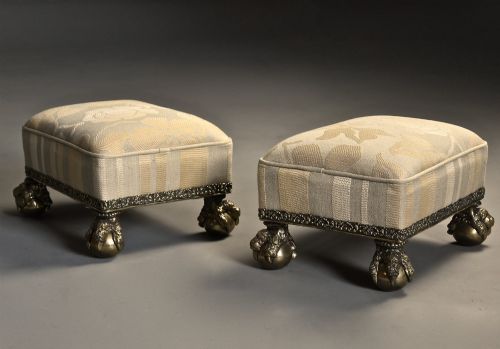
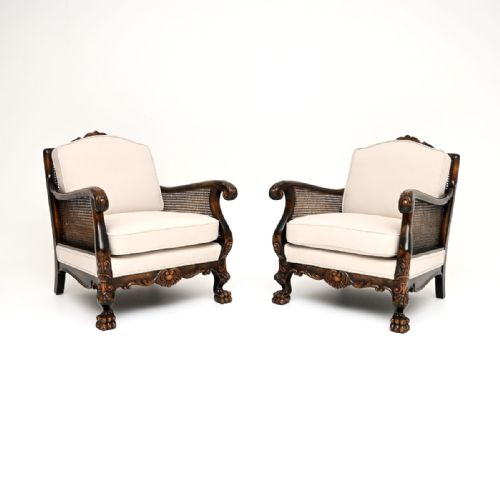
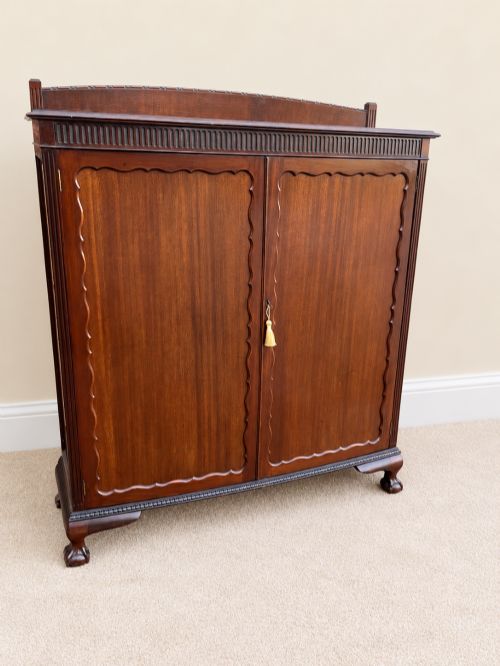
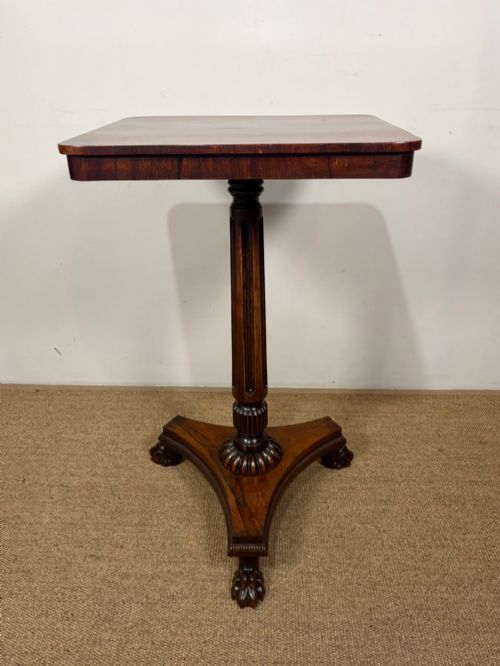
When searching for antique claw feet, buyers encounter structural supports carved or cast beneath large furniture forms such as card tables, tea tables, sideboards, bureau bookcases and dining chairs. These supports manifest as distinct animal or bird paws grasping spheres, emerging from periods including the George II era, the Regency period, the Victorian era and the Edwardian years.
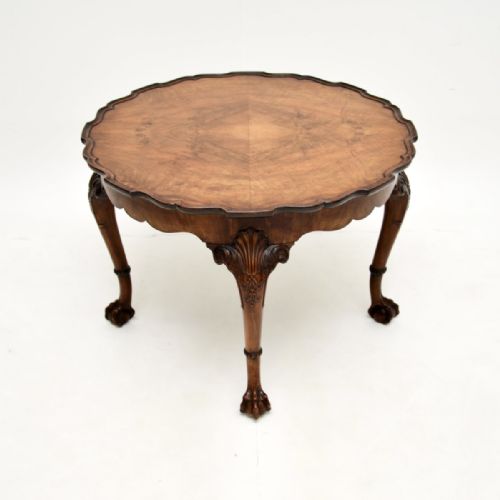
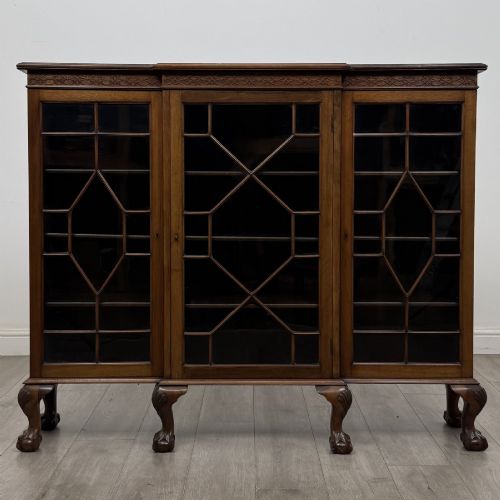
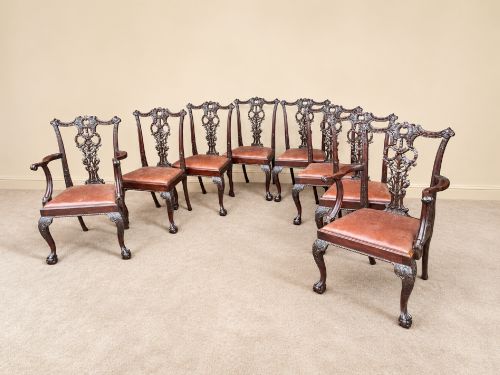
The versions most commonly met on this page appear on mahogany and burr walnut tables and seating. They range from formal George II and Chippendale style carved mahogany furniture to Edwardian display cabinets and sideboards finished with traditional claw and ball details.
How they were made
Cabinet makers shaped these forms predominantly from solid timbers such as mahogany, oak, rosewood and walnut, often employing burr walnut and marquetry veneers for decorative surface patterns. Woodcarvers worked directly into the primary timber of the furniture leg to define the sinews and talons of the foot.
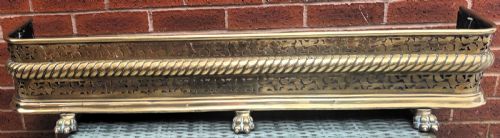
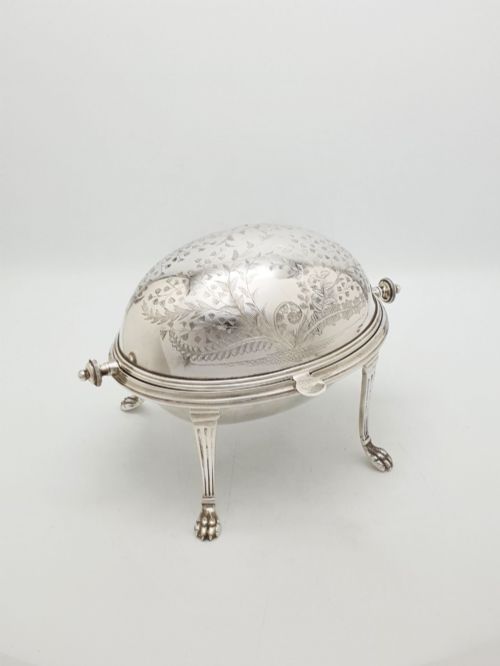
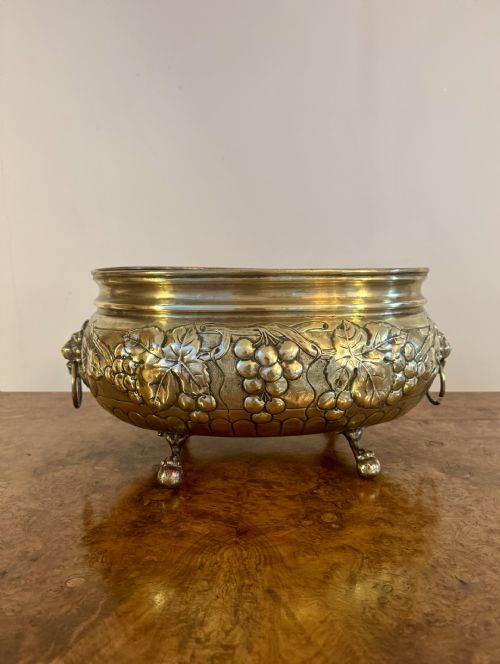
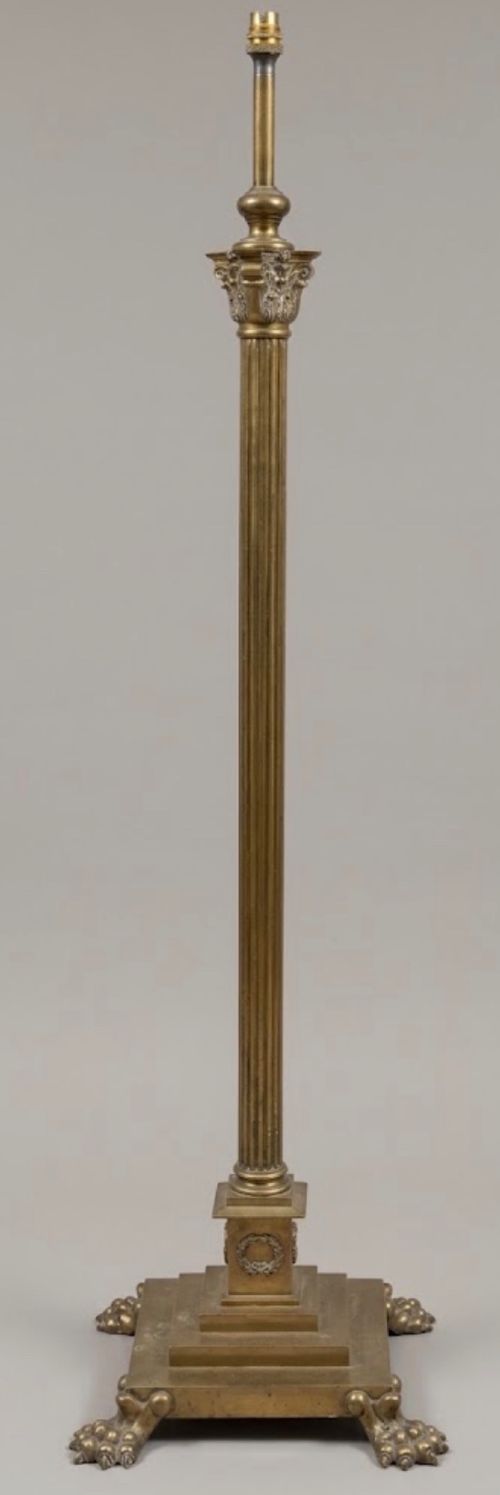
Metal components also appear, utilising cast brass and steel for fire fenders, decorative buckets and candlesticks. These metal elements required foundry casting and hand-finishing to achieve crisp decorative definition.
Antique Claw Feet Retail Price Guide 2026
Typical asking prices for claw feet among the pieces listed under this phrase on Sellingantiques today, from the lower quarter to the upper quarter. They describe what is for sale here now, not the wider market.
Object forms span card tables, tea tables, bureau bookcases, armchairs, dining chairs, display cabinets, sideboards and fire fenders.
What varies in quality
The distinction between tiers of work rests on the depth and confidence of the carving. Superior examples exhibit undercut talons and naturalistic proportions that integrate harmoniously with the leg above, whereas lesser pieces display flat, mechanical detailing.
Selection of timber significantly alters the standing of a piece. Dense, finely figured pollard oak, burr walnut and rich mahogany distinguish higher grade furniture from standard utility pieces.
George Bullock·John Schofield·Spode
The Antique Claw Feet Glossary
- Claw and ball
- A furniture foot carved to resemble a bird's talon or animal paw grasping a spherical object. This motif appears frequently on eighteenth-century revival and Edwardian mahogany pieces.
- Marquetry
- The art of applying pieces of veneer to a structure to form decorative patterns and pictorial designs. It is commonly seen on eighteenth-century walnut bureau bookcases and later revival pieces.
- Pie crust edge
- A raised, carved decorative border along the perimeter of a tabletop, shaped to resemble pastry edges. This technique appears on George III tables.
- Tilt top table
- A table featuring a mechanism that allows the top to pivot to a vertical position when not in use. These tables often stand on tripod bases terminating in carved feet.
- Bureau bookcase
- A dual-purpose tall furniture form combining a sloping fall-front desk compartment with upper shelving enclosed by doors. Examples in the evidence utilise burr walnut and mahogany.
Antique Claw Feet: Frequently Asked Questions
What furniture styles feature antique claw feet?
These supports appear across various traditional British and European styles. They feature prominently on George II, Chippendale revival, Regency and Edwardian pieces.
Cabinet makers applied them to dining chairs, tea tables, card tables and large display furniture.
How do I care for antique wood furniture?
Maintain these pieces in stable environment conditions away from direct heat sources and strong sunlight. Regular dusting with a soft, dry cloth preserves the polished timber surface.
Apply traditional beeswax occasionally to nourish old mahogany, oak and walnut without building up heavy residues.
Are claw and ball feet Georgian?
The motif gained prominence during the Georgian period, particularly in George II and Chippendale furniture. Carvers revived the design frequently in later Edwardian pieces.
Examine the timber shrinkage, construction methods and joinery to determine whether a piece belongs to the eighteenth century or a later revival.
What woods were used for these pieces?
Maker workshops utilised dense hardwoods suited to structural carving and fine cabinet work. Mahogany, oak, rosewood and walnut form the basis of most surviving examples.
Decorative variations include burr walnut veneers, pollard oak and marquetry inlay.