

Antique Classical Portrait Head
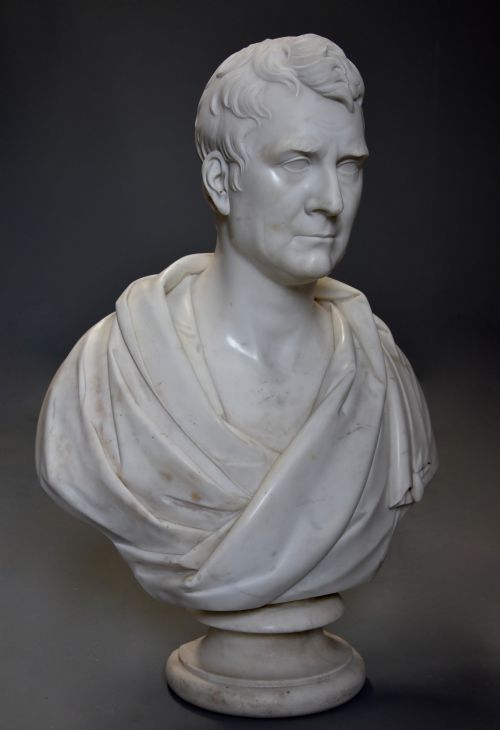
An antique classical portrait head brings the gravitas of antiquity and historical figures directly into an interior through carved marble, bronze, and plaster.
Antique Classical Portrait Head
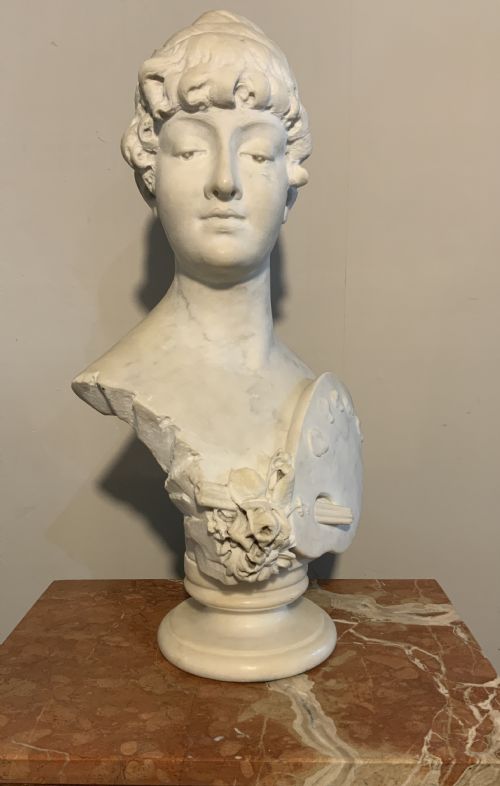
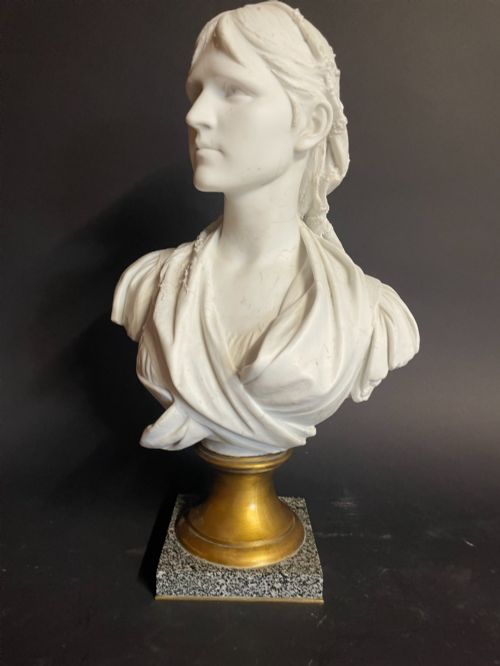
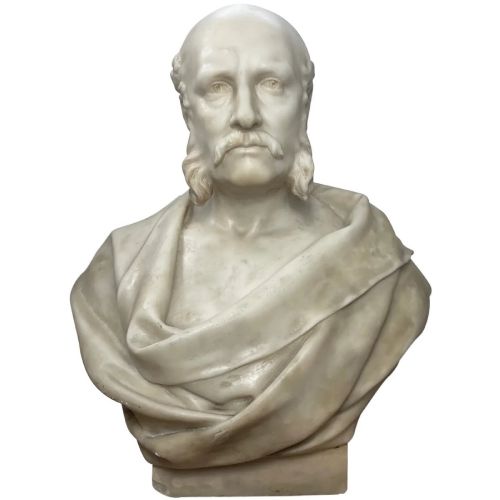
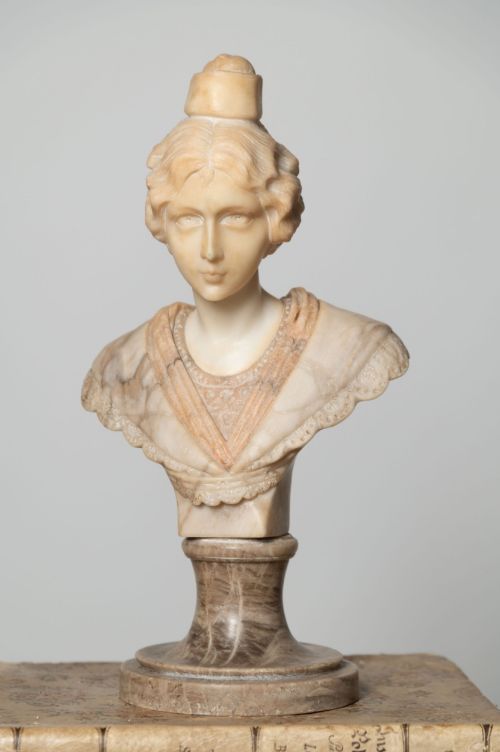
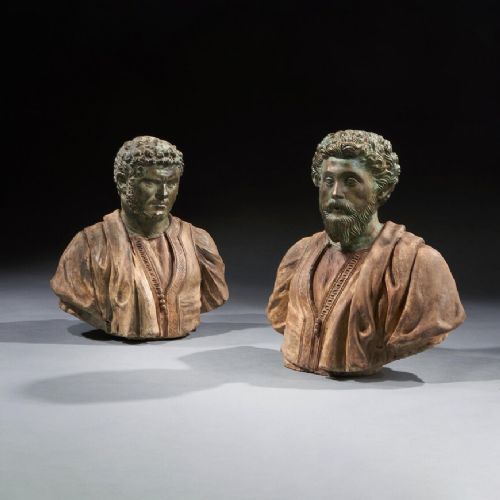
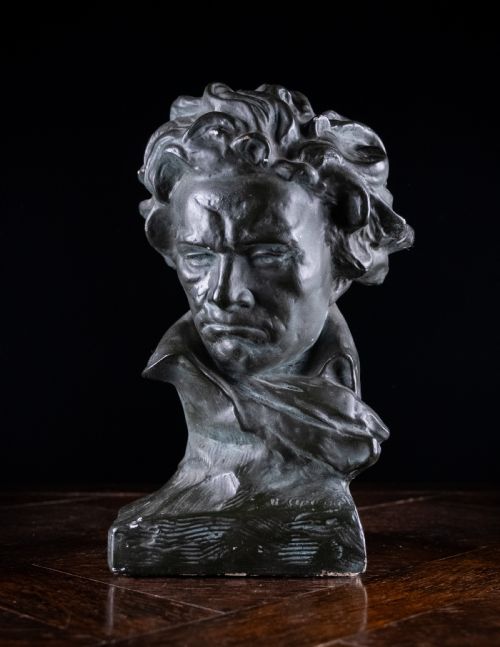
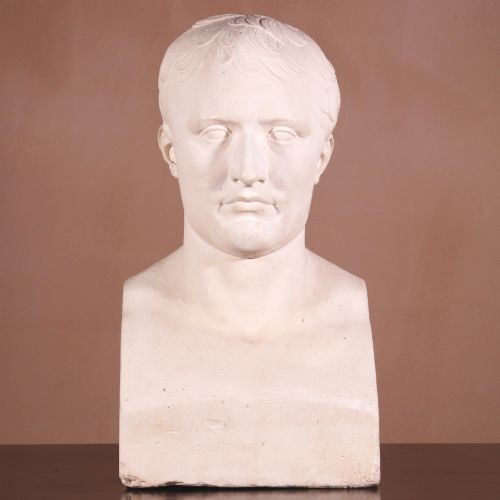
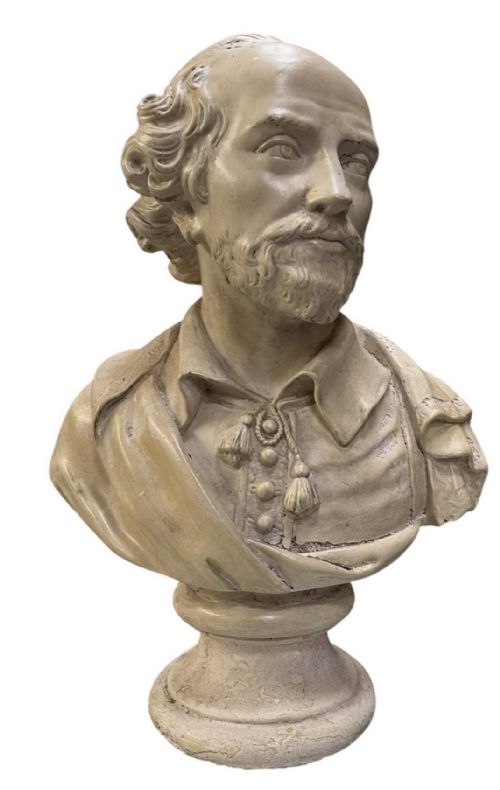
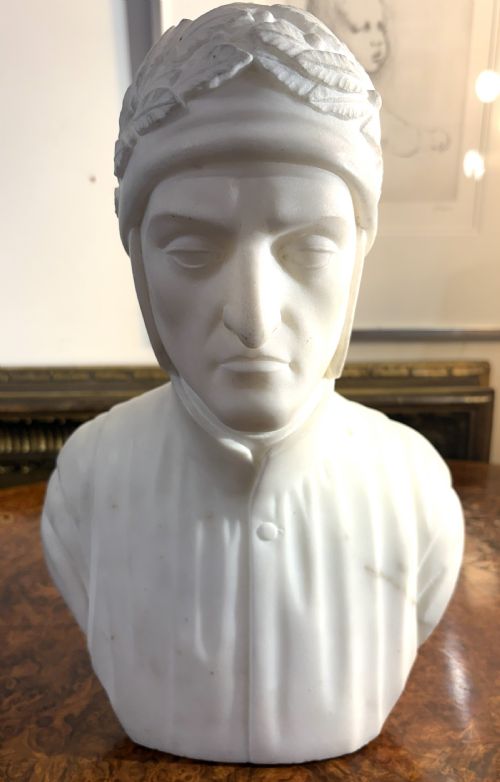
When searching for an antique classical portrait head, collectors encounter sculpted busts, library busts, and head studies spanning from the seventeenth century through to the twentieth century. These pieces depict historical personalities, mythological figures, literary icons, and anonymous subjects rendered in solid form or captured in works on paper.
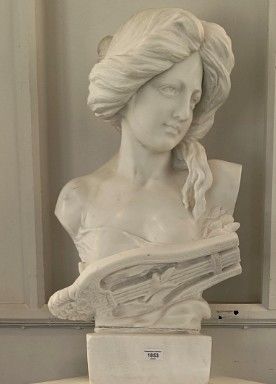
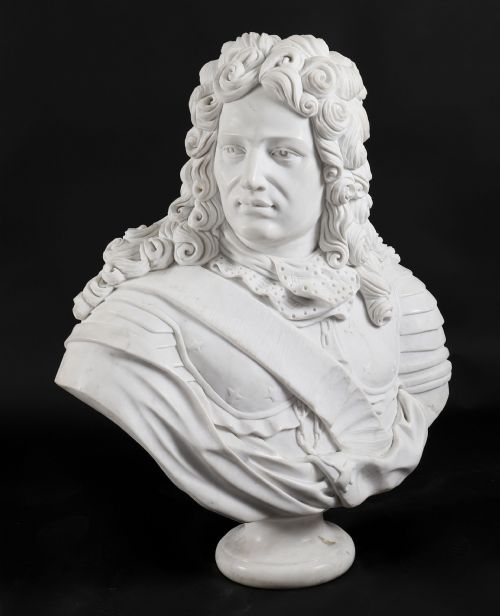
The version most frequently met on this page is the nineteenth-century marble or plaster bust, drawing heavily on Neoclassical and Classical Revival aesthetics. Makers rendered these figures with varying scales, ranging from grand monumental civic portraits down to compact library busts intended for domestic display.
Origins stretch across European traditions, with Italian, French, and British workshops dominating the surviving records. Subjects extend from Roman emperors and classical poets to contemporary political figures and local gentlefolk framed within nineteenth-century taste.
Materials and construction methods
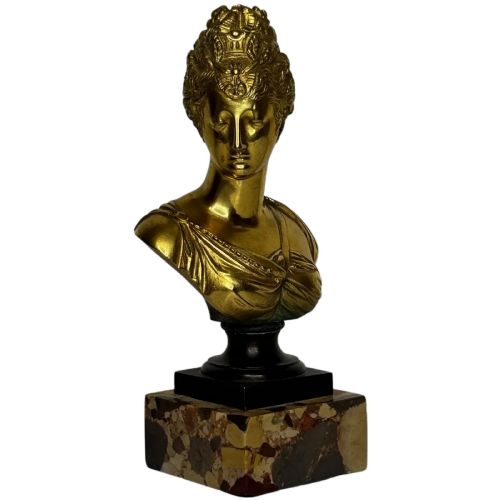
Sculptors carved classical portrait heads from natural mediums like Carrara marble, alabaster, and diverse woods, bringing out the grain and luminosity of the stone. Alternatively, workshops utilised cast plaster and bronze to reproduce sculptural studies, sometimes mounting bronze casts onto contrasting marble bases.
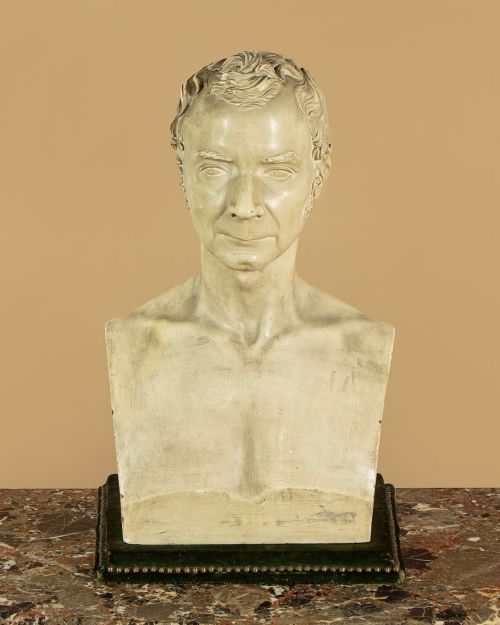
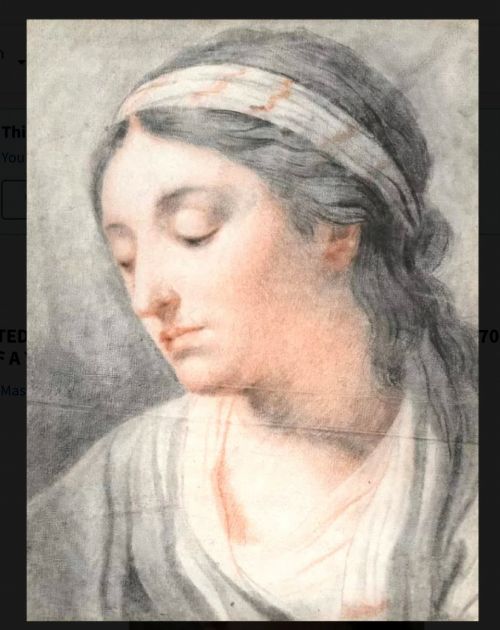
Makers applied surface treatments such as polychrome pigments on wood or paint over plaster to heighten realism in portraiture. Works on paper record fine details through sanguine and drawn portrait studies executed by hand.
Distinctions in craftsmanship
The upper tier of sculptural work relies on precise anatomical rendering, sensitive facial expression, and the crispness of carved drapery or hair. Signed pieces by documented sculptors carry stronger authority than anonymous studio outputs.
Material selection dictates much of the visual weight, where clean flawless marble or heavy cast bronze outweighs standard painted plaster in durability and finish. The integrity of the casting or carving determines the longevity of the portrait.
J Francis·Raffaelo Monti·John Wenlock Rollins·Sir Thomas BROCK·Giuseppe Moretti·Mieczyslaw Leon Zawiejski
The Antique Classical Portrait Head Glossary
- Bust
- A sculpted or cast representation of a person from the chest or shoulders up. This form dominates the sculptural selections found across the periods.
- Neoclassical
- A style reviving the design elements of ancient Greece and Rome, prevalent in the eighteenth and nineteenth centuries. It underpins the proportion and dignity of these portrait heads.
- Carrara marble
- A type of white or blue-grey marble quarried in Italy, prized by sculptors for its fine grain. Many nineteenth-century library and portrait pieces rely on this specific stone.
- Grand Tour
- The traditional trip of Europe undertaken by upper-class Europeans, which generated a market for portable classical souvenirs and busts. These travel pieces often reflect classical antiquity.
- Library bust
- A smaller scale sculptural head designed to sit comfortably on bookshelves or desks. These domestic objects frequently portray literary figures, philosophers, or historical rulers.
Antique Classical Portrait Head: Frequently Asked Questions
What periods do these portrait heads cover?
The available pieces span from the late seventeenth century through the Victorian era and into the early decades of the twentieth century. Nineteenth-century iterations form the largest portion of the current selection.
Earlier seventeenth-century examples sit alongside Edwardian and 1930s interpretations, reflecting enduring tastes for historical portraiture.
What materials were used to create them?
Makers worked primarily in stone and metal, producing pieces in Carrara marble, white marble, alabaster, and cast bronze. Softer mediums like plaster and terracotta also appear frequently.
Some wooden carvings and works on paper featuring sanguine or paint complete the range of surviving materials.
How do I identify a Neoclassical piece?
Neoclassical pieces draw direct inspiration from the art of ancient Greece and Rome, prioritising balanced proportions and dignified expressions. Sculptors adopted smooth finishes and classical attire to evoke historical authority.
These works often date from the nineteenth-century revivals rather than antiquity itself.